
The closing numbers from Rimini are the ones every trade outlet ran. The ones worth keeping are in the survey nobody put in the headline.
The Fair, in Figures
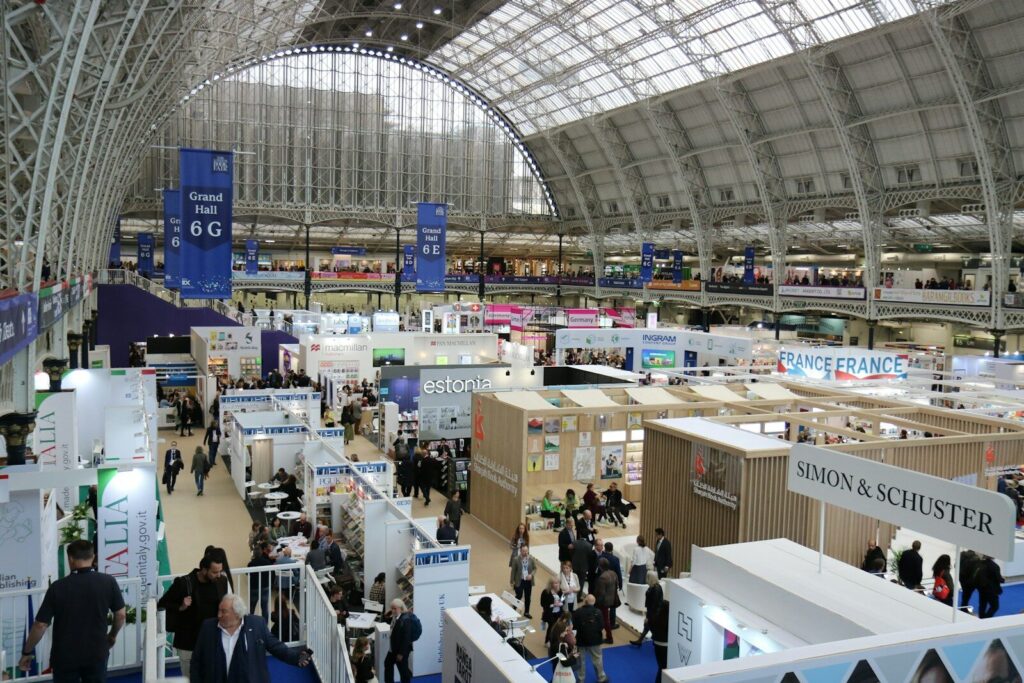
The 63rd TTG Travel Experience ran at the Rimini Expo Centre from 14 to 16 October 2026, alongside InOut, under the theme Exist. Organiser Italian Exhibition Group reported 2,800 exhibiting brands, more than 1,000 buyers and around 15,000 business meetings (IEG, October 2026).
The growth was international rather than domestic: foreign exhibitors up 11 percent and international exhibition area up 8 percent year on year (IEG, October 2026). Ahead of the show, IEG had put the footprint at 28 pavilions and 140,000 square metres (IEG, 9 October 2026).
Those are attendance figures, and attendance figures are the least transferable thing a fair produces. They tell you the market showed up. They do not tell you what it intends to do next.
What the Buyers Actually Said
For that, the useful document is TTG Monitor, the survey IEG runs among the buyers attending the show. Three findings are worth carrying into a 2027 plan.
On artificial intelligence, 46.6 percent of respondents expect to use it to personalise travel proposals and 43.4 percent to support direct sales (TTG Monitor, October 2026). Note what is missing from that pair. Both stated uses are customer facing. Neither is back office, neither is operations, neither is content production. Operators are pointing the technology at the part of the job that touches the client, which is the opposite of where most efficiency arguments put it.
On destinations, Italy leads demand at 21.9 percent, followed by European capitals at 12.8 percent and Japan at 9.6 percent (TTG Monitor, October 2026). Japan sitting third, in a survey of buyers working largely on Italian product, is the number that should make anyone selling long haul look twice.
On money, the most frequently cited budget band for a main holiday is 3,000 to 5,000 euros per person, chosen by 36.6 percent of the sample (TTG Monitor, October 2026).
Why the Budget Number Matters Most
If you produce content, campaigns or brand material for travel and hospitality, that third figure is the one to pin above the desk. It sets the register.
A proposition written for a 3,000 to 5,000 euro traveller is not a luxury proposition and it is not a value proposition. It is the hardest brief in the category, because the buyer at that level is informed, has alternatives, and is paying enough to expect the work to be visibly considered without being flattered. Most travel copy aims above or below this band. The survey says the volume is inside it.
The same logic applies to the segments the survey flags as growing: experiential travel, wellness, luxury and slow travel (TTG Monitor, October 2026). Three of those four are tone problems before they are product problems. They are sold by how the material reads.
The Caveat Worth Printing
One honest qualification on the AI figures, since they will be quoted all winter. The question asked what operators expect to do, not what they are doing. An intention survey taken on a fair floor measures the direction of the conversation, not the state of deployment. The gap between the two is usually a year or more, and in this industry it has historically been longer.
That does not make the number soft. It makes it a forecast rather than a measurement, and worth labelling as such when you cite it.
What Happens Next
The sector calendar moves to Florence, where IEG launches Aura, a format aimed at luxury travel, from 27 to 29 October 2026. TTG Travel Experience returns to Rimini from 13 to 15 October 2027 (IEG, October 2026).
Between those two dates sits the 2027 contracting season, which is what the 15,000 meetings in Rimini were for. The brands that come out of it well will not be the ones with the best stand. They will be the ones whose material already speaks to a traveller with five thousand euros and a sharp eye.