

ETIAS Still Has No Start Date, and the 2027 Season Is Already on Sale
The Commission promised the last quarter of 2026. A third of it is gone, the official page has not moved since July, and operators are already contracting.
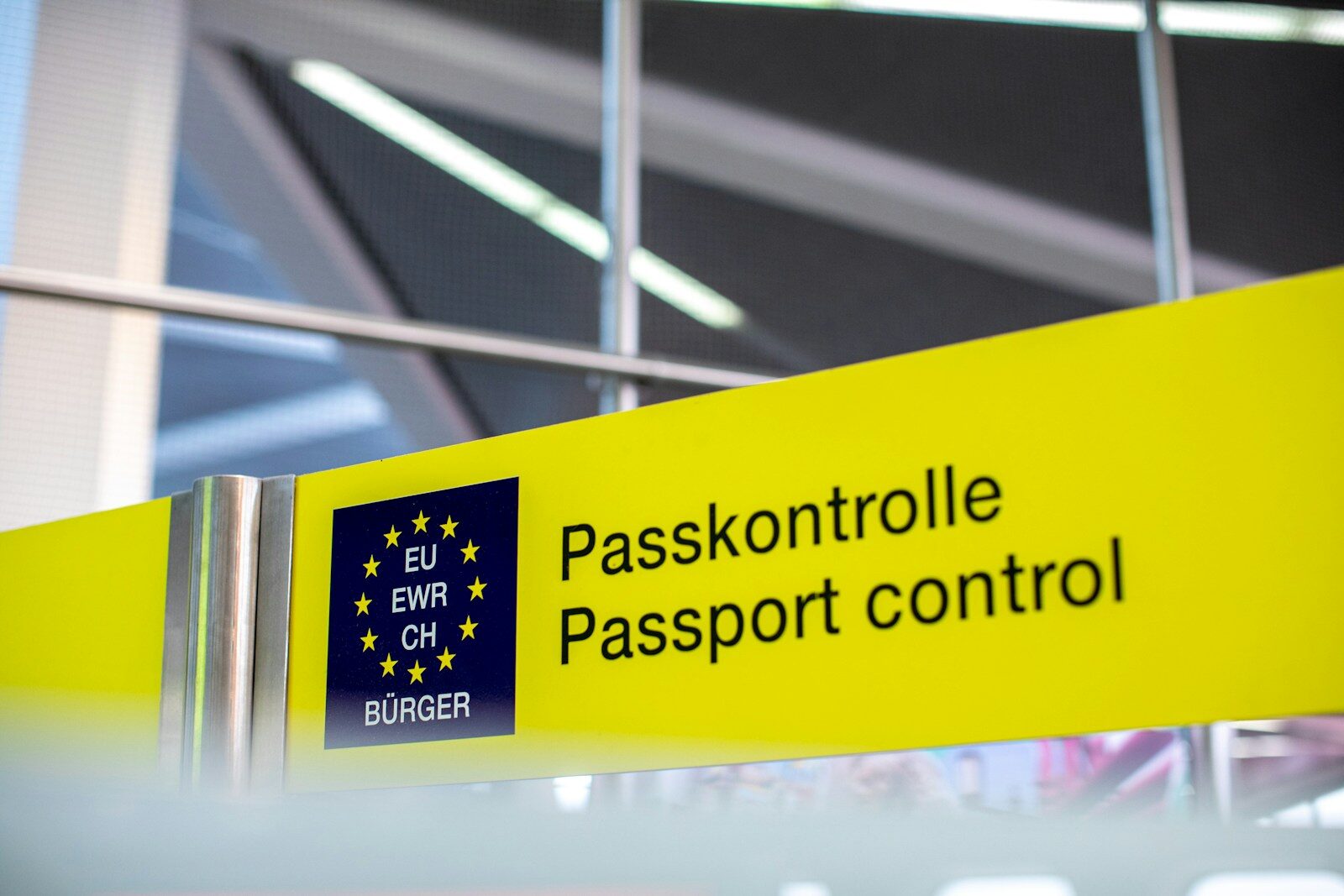
The European Commission has been clear about the season. ETIAS, the travel authorisation that 59 visa exempt nationalities will need to enter 30 European countries, starts in the last quarter of 2026 (European Commission, 28 April 2026). The exact date, the Commission said, would be communicated later in the year.
A third of that quarter is gone. The official ETIAS news corner has not published anything since 6 July 2026 (European Union, 6 July 2026). Meanwhile agencies, tour operators and DMCs are selling spring 2027 departures to American, British, Canadian and Japanese clients who will almost certainly need the authorisation to board.
Which of your clients this actually touches
ETIAS applies to nationals of 59 visa exempt countries and territories, a list that includes the United States, Canada, the United Kingdom and Japan, travelling for short stays into 30 European countries (European Union, 6 July 2026). For an inbound operator in Europe that is most of the long haul leisure book and a good share of the corporate one.
It does not touch clients who already need a Schengen visa, because the visa replaces the authorisation. It does not touch EU nationals. Everyone else who arrives without a visa and stays short will need it, including the British clients who until 2020 simply walked through.
The silence is the planning problem
Nobody in the trade is asking for ETIAS to arrive sooner. What the trade needs is a date, because a date is what contracts, booking conditions and client communication hang on.
The border system that comes before it is already running. The Entry Exit System has been fully operational across all Schengen countries since 10 April 2026 (European Commission, 28 April 2026), after a progressive rollout that began the previous autumn. So the infrastructure story is no longer hypothetical, and the second half of it is now the only piece missing.
What is already settled, and worth repeating to clients
Enough is confirmed to brief a sales team today. ETIAS will cost EUR 20, with some travellers exempt from the fee (European Commission, 17 July 2025). It will be valid for three years, or until the passport used in the application expires, whichever comes first (European Union, 6 July 2026).
The enforcement point matters more than the price. Once ETIAS is live, airlines, cruise lines and other carriers will check that passengers hold a valid authorisation before boarding (European Union, 6 July 2026). That turns a twenty euro form into a denied boarding risk, and denied boarding is a commercial problem that lands on whoever sold the trip.
No group applications, and that is the part people miss
The single operational detail with the biggest effect on group business is easy to overlook. Group applications will not be accepted. Each traveller, children included, has to submit a separate application (European Union, 6 July 2026).
For a thirty seat departure that is thirty forms, thirty passports transcribed, thirty sets of answers about criminal convictions and past travel to conflict zones. None of it is difficult. All of it is time, and time that nobody has priced into a 2027 quotation yet.
If you apply for a client, you are in the form too
Travel agents and other intermediaries are allowed to apply on a traveller's behalf, with the traveller's consent, and a sample consent form will be published on the official site (European Union, 6 July 2026). Agents who do this will also have to enter their own personal details in the application.
That is a small sentence with a long tail. It means an agency taking on ETIAS admin for its clients is handling third party identity data at volume, and is identifiable inside each application it submits. Worth a conversation with whoever looks after data protection, before the first season rather than after it.
The fake sites will become your problem
The Commission has already warned that unofficial ETIAS websites exist, some claiming to accept applications and some charging more than the official fee, and it points travellers to europa.eu/etias and the official mobile app (European Union, 6 July 2026).
Anyone who lived through the ESTA copycat years knows how this goes. The client pays sixty euros to a lookalike site, the authorisation never arrives or arrives at four times the price, and the first phone call is to the agency, not to the website. Putting the official address in writing, in the booking confirmation, costs nothing and prevents that call.
What to do while the date is missing
Four things can be done now without knowing when the system goes live.
Write the authorisation into booking conditions as a traveller responsibility, with the agency offering assistance rather than guaranteeing the outcome. Decide whether ETIAS admin is a free courtesy or a priced service, and if it is priced, price it per traveller, because that is how the applications work. Check passport expiry dates at the quotation stage, since the three year validity is capped by the passport. And brief front line staff to say that no date has been announced, rather than guessing one.
The last one sounds trivial and is not. A salesperson who invents a month creates a promise the agency has to keep.
There is a fifth thing, less obvious. The application form asks about criminal convictions and past travel to conflict zones (European Union, 6 July 2026). Some clients will not want an agency filling that in for them, and some will not want to answer it at all over the phone. Decide now how your staff handle that conversation, because improvising it in front of a paying customer goes badly.
If the Commission holds to the last quarter of 2026, the announcement lands somewhere between now and the end of December, which is the period when European operators are closing 2027 contracting and when long haul clients are booking summer. A requirement introduced at that point does not break anything, but it does arrive at the least convenient moment of the commercial year.
That is an argument for preparing against the rule rather than against the date. The rules have been public since July. Only the calendar is missing.
Sources
European Commission, Migration and Home Affairs, "Main differences between the EES and ETIAS: What travellers need to know", 28 April 2026. home-affairs.ec.europa.eu
European Union, ETIAS official site, "5 things travel agents should know about ETIAS", 6 July 2026. travel-europe.europa.eu
European Commission, Migration and Home Affairs, "The European travel authorisation ETIAS will cost EUR 20", 17 July 2025. home-affairs.ec.europa.eu
European Union, ETIAS official site, News corner, consulted 28 October 2026. travel-europe.europa.eu