


Entry Rules Now Put Off 43% of Surveyed Air Passengers
IATA's new passenger survey says immigration requirements discouraged more travellers than a year ago, and that gap is where agents and DMCs can earn their fee.
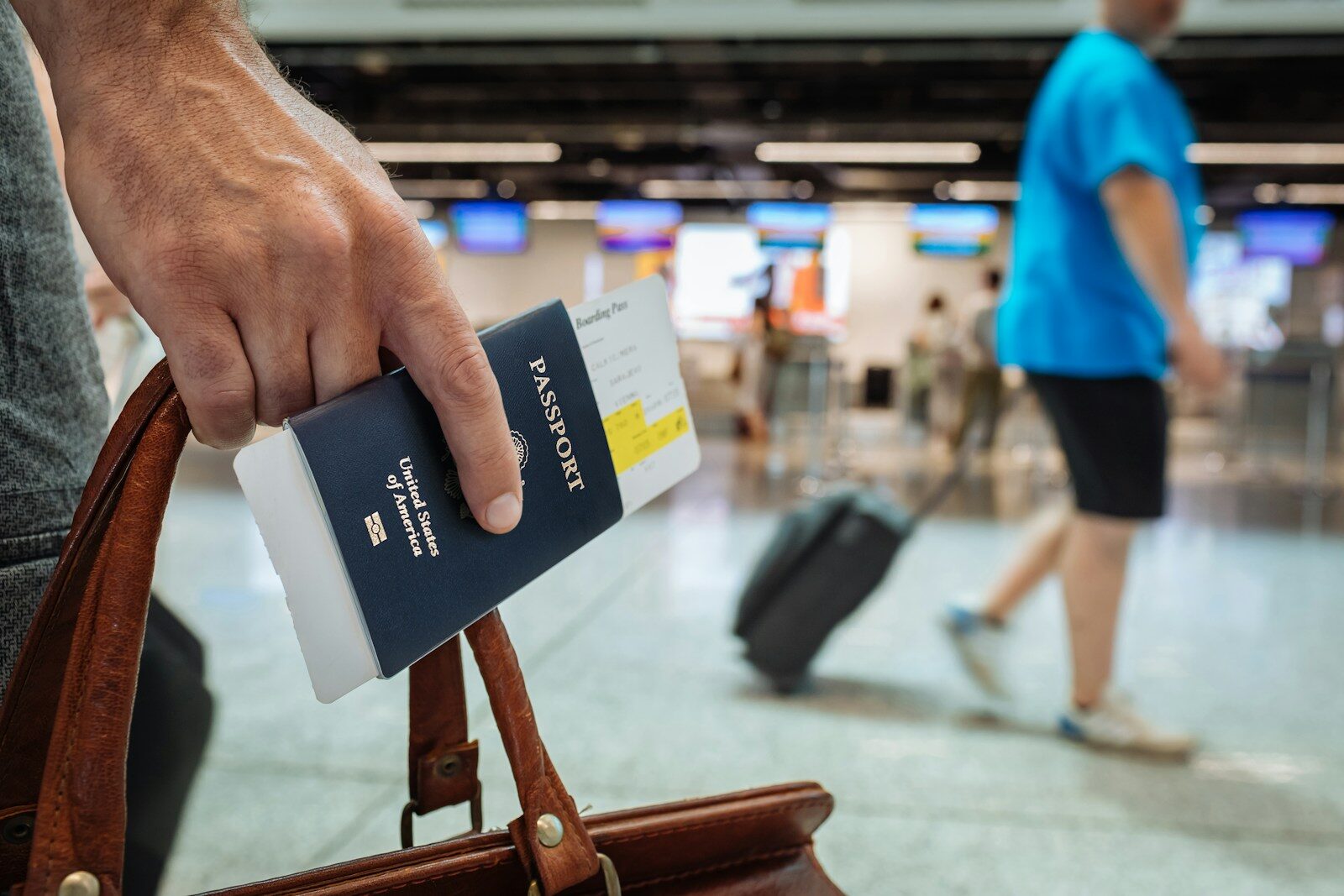
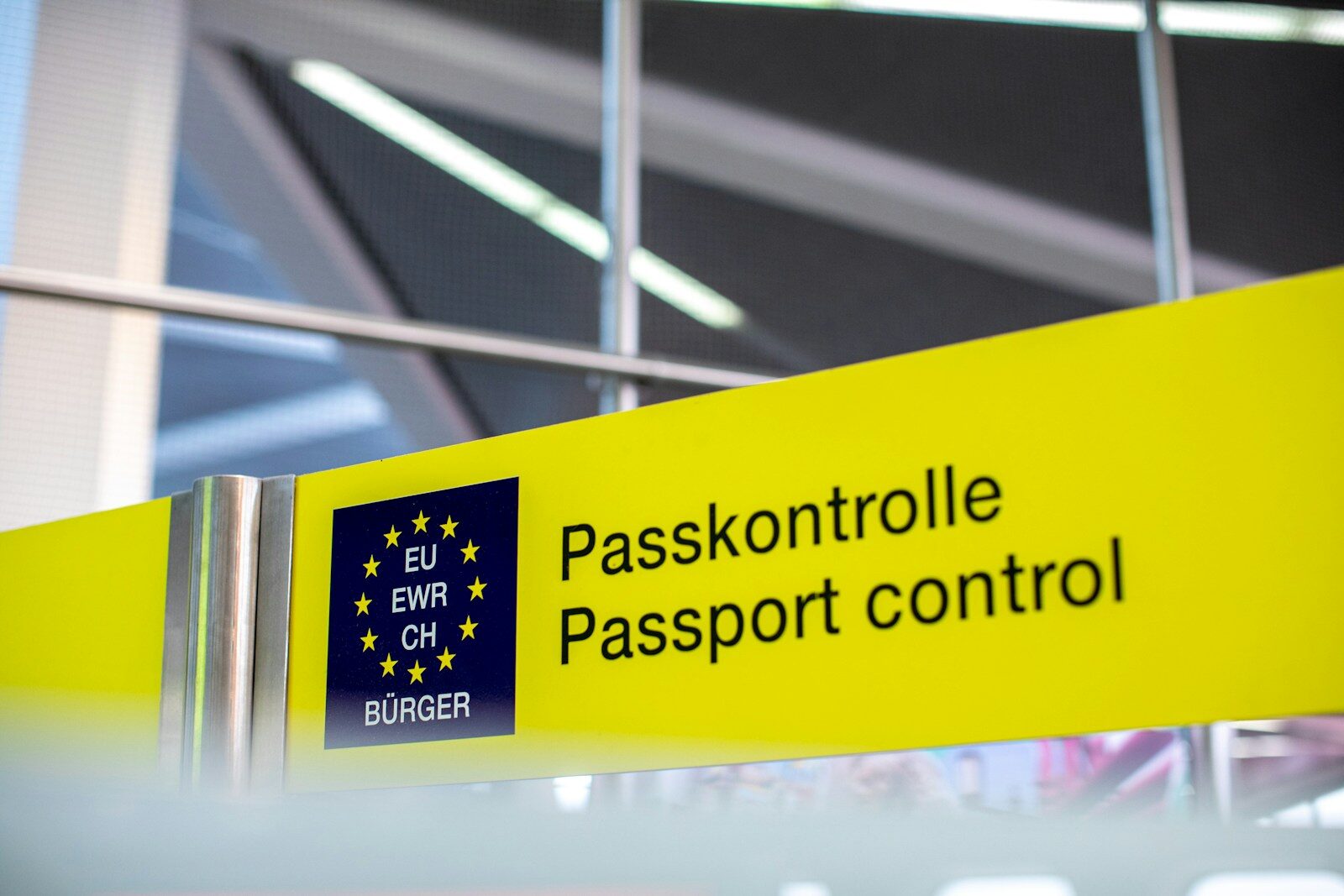
Immigration requirements have discouraged 43% of the passengers in IATA's 2026 Global Passenger Survey from visiting a destination, up from 33% in the 2025 edition (IATA, 28 October 2026). That is ten percentage points in a year, and it is the figure in the release that matters most to anyone who sells trips.
Some limits first. The survey is a self-reported poll of more than 10,000 respondents from over 200 countries (IATA, 28 October 2026). It does not count lost bookings, and IATA is an airline trade body, so its policy requests are an airline position. Still, the direction is clear, and it arrives in a year when volume is not doing sellers any favours.
A year of thin growth
UN Tourism estimated 690 million international arrivals in the first half of 2026, up 0.4% on the same period of 2025 (UN Tourism, 17 September 2026). It also cut its full-year expectation to growth of 1% to 2%, from 3% to 4% in its January forecast, and said the outcome depends on how long the conflict lasts and its effect on oil prices and inflation (UN Tourism, 17 September 2026). IATA's September data shows global passenger demand down 0.5% year on year, or up 0.3% if the Middle East is excluded (IATA, 30 October 2026).
In a flat market, friction costs more. In our reading, a traveller who drops a destination because the paperwork looks heavy is a sale that may move to another country rather than one that waits.
What the survey says about borders
Among passengers who said immigration requirements put them off, 53% said the process is too complex. Privacy and cost were each cited by 17% (IATA, 28 October 2026). The main objection, then, is effort and uncertainty, not price.
The share of passengers discouraged by entry requirements was 52% in Africa, 49% in Asia-Pacific, 43% in the Middle East, 41% in Latin America and the Caribbean, 38% in Europe and 35% in North America (IATA, 28 October 2026). The global figure is 43%.
What travellers say they want
60% of respondents prefer to apply for a visa online, against 25% who prefer a consulate or embassy. 86% are likely to share immigration information digitally before departure, up from 83% a year earlier, and 45% would rather complete immigration procedures before reaching the airport, up from 41% (IATA, 28 October 2026).
IATA adds that more than 100 countries issue eVisas but there is little consistency in how they are checked (IATA, 28 October 2026). For anyone who runs a visa desk, none of this is news. What the survey adds is a measure of how many travellers say they want someone to do the front-loading for them.
The airline side of the same problem
A separate IATA report, announced on 30 October, surveyed 49 airlines and 22 border authorities about passengers refused entry on arrival. According to IATA, most airlines said documentation and processing errors account for about 20% to 30% of such cases, and airlines reported paying at least some costs that should have been borne by governments in more than 90% of cases (IATA, 30 October 2026). The release gives average costs per refused passenger of around $4,000 in North Asia and $14,000 in Europe, the two regions it names (IATA, 30 October 2026).
These are IATA's findings and IATA's requests, including that governments tell airlines why a passenger was refused. The release does not set out the border authorities' own position on how costs should be split.
The practical reading for sellers is an inference of ours, not something IATA announced: airlines have a financial reason to care about document checks before departure, so expect more questions about documents at booking and check-in.
AI is already in the planning step
49% of surveyed travellers have used AI for travel planning. The most common uses were searching for flights to a specific destination (21%), finding the cheapest flights (19%) and getting inspiration on where to go (17%) (IATA, 28 October 2026). In IATA's regional table, Europe is lowest at 35%, against 72% in the Middle East (IATA, 28 October 2026).
IATA's message to airlines is to make sure their offers show up in AI and to build links that turn an AI conversation into a booking (IATA, 28 October 2026). The same logic can apply to agencies and DMCs. If a traveller asks an assistant whether a trip is complicated to enter, a seller with clear, current entry guidance has something to be found. That is our opinion: the survey does not measure which sources assistants use.
What to do with this on Monday
These are our suggestions, built on the figures above. First, check entry requirements at quote stage, not after payment, so the traveller sees the effort before committing and you see the objection while you can still answer it.
Second, treat the check as a service. If 53% of discouraged travellers call the process too complex, a clear document and visa support line, priced or bundled, speaks to the objection they named.
Third, for DMCs and inbound operators, send a plain-language entry briefing with the confirmation, written for online applicants. Fourth, keep your own count of enquiries that stall after the entry question. It is the only way to know whether the survey describes your clients.
One caution: do not promise visa outcomes. Link clients to the official government source, date-stamp your advice, and say that rules change.
Where the data stops
This is a passenger survey, so it hears from people who fly. Those who stayed home are harder to see, and "discouraged" is not the same as "cancelled". The 33% to 43% comparison is global only: the regional table gives no 2025 figures for the entry-requirements question. The full table is in the release.
The useful reading is narrow. Entry friction is rising in the minds of travellers, they say they want digital and early solutions, and the people who sell trips are closer to that moment than anyone.
Sources
- IATA, "IATA's 2026 Global Passenger Survey: Travelers Embrace Biometrics and AI but Entry Requirements Remain a Barrier", 28 October 2026. iata.org
- IATA, "IATA Calls for Fairer Approach to Inadmissible Passengers", 30 October 2026. iata.org
- IATA, "Air Passenger Demand Falls 0.5% in September", 30 October 2026. iata.org
- UN Tourism, "International tourism holds steady with 0.4% growth in first half of 2026 as Middle East conflict and rising costs weigh on momentum", World Tourism Barometer, 17 September 2026. untourism.int