



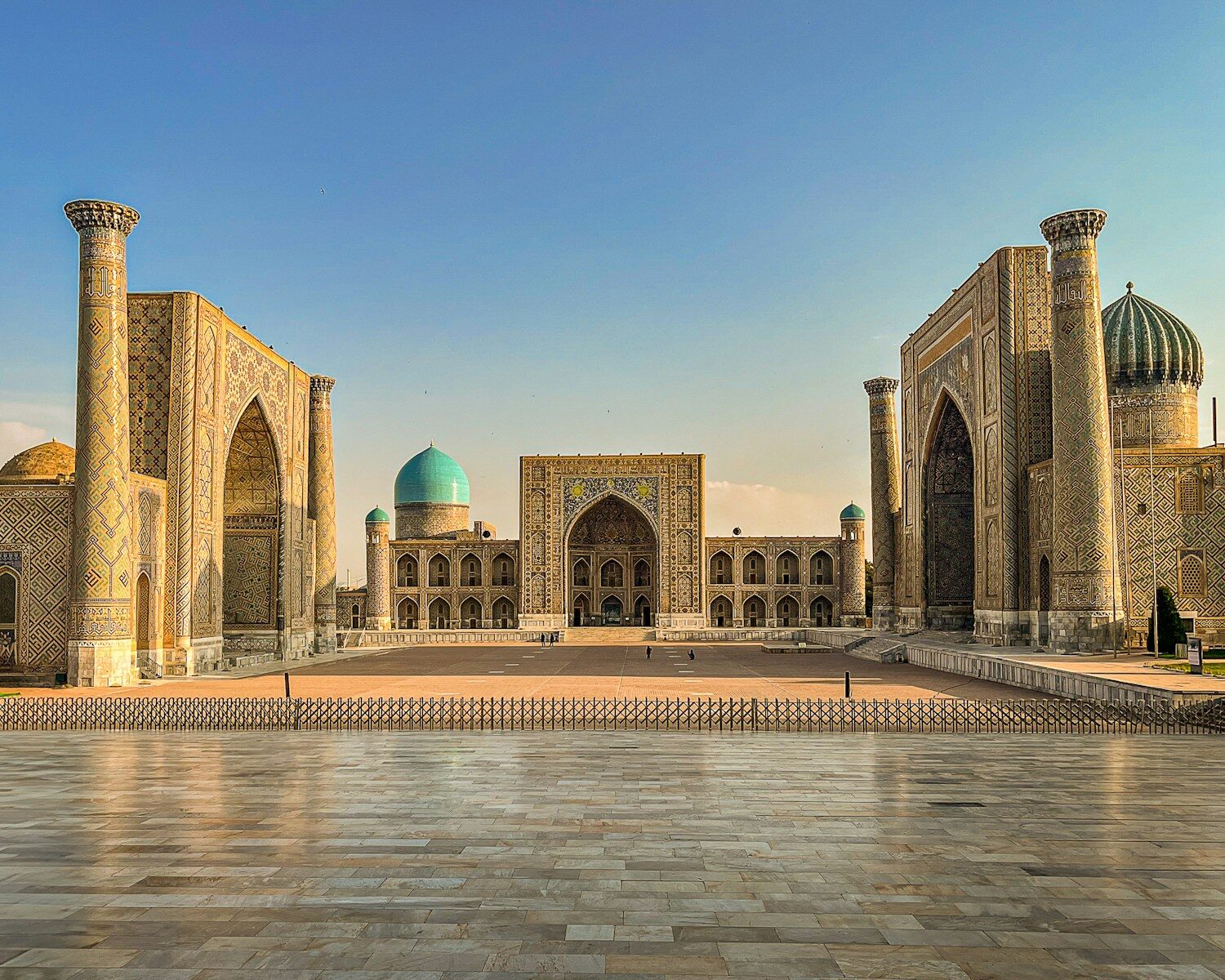
 /Uzbekistan
Uzbekistan Travel Guide
Samarkand, Bukhara and Khiva on one rail spine, 30 days visa-free for EU, UK and US passport holders, and arrivals still climbing in 2026. This is the operator's read: what moves a quote, what holds a group, and what to check before you sell.
- Samarkand, Bukhara, Khiva by rail
- 11.6m arrivals Jan to Oct 2026
- High-speed rail Tashkent to Bukhara
Uzbekistan, frame by frame
Tiled facades, mud-brick old towns and the wide steppe in between: the product your clients are buying.
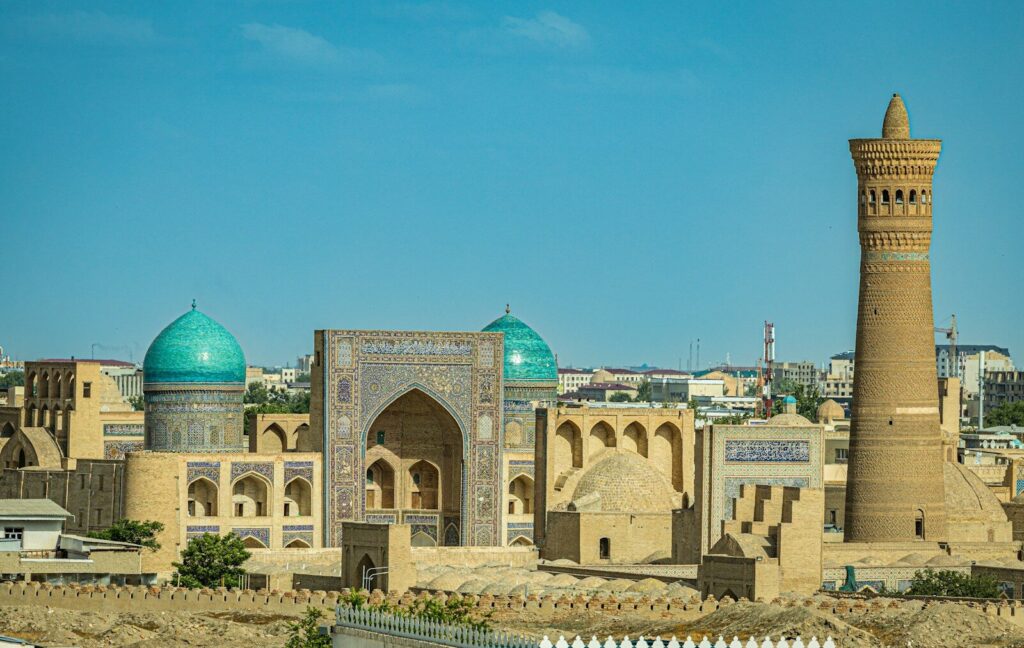
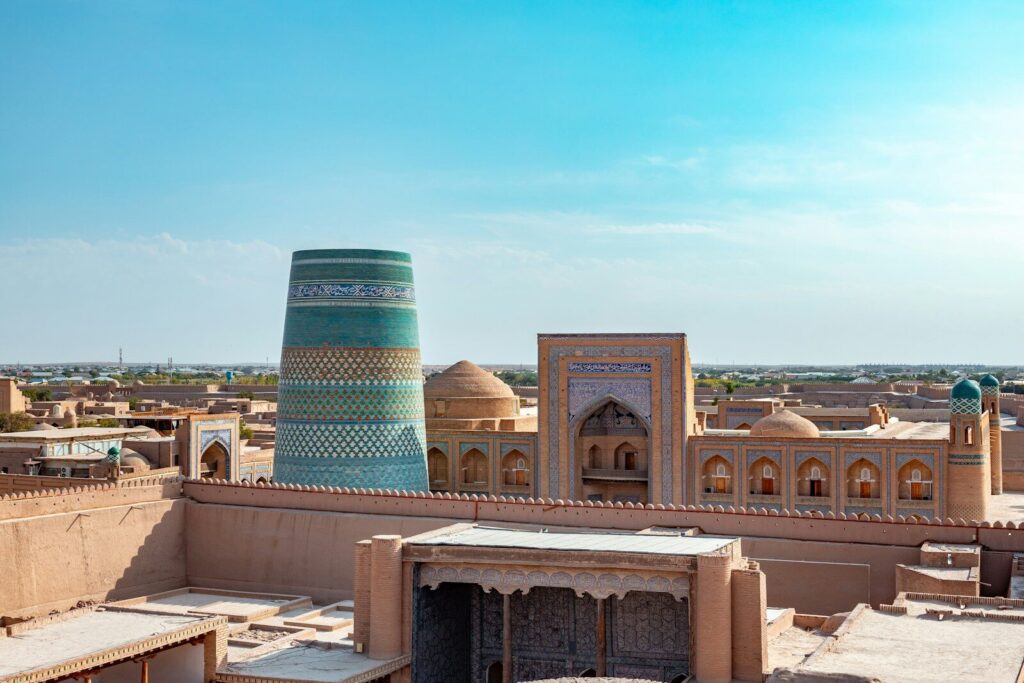
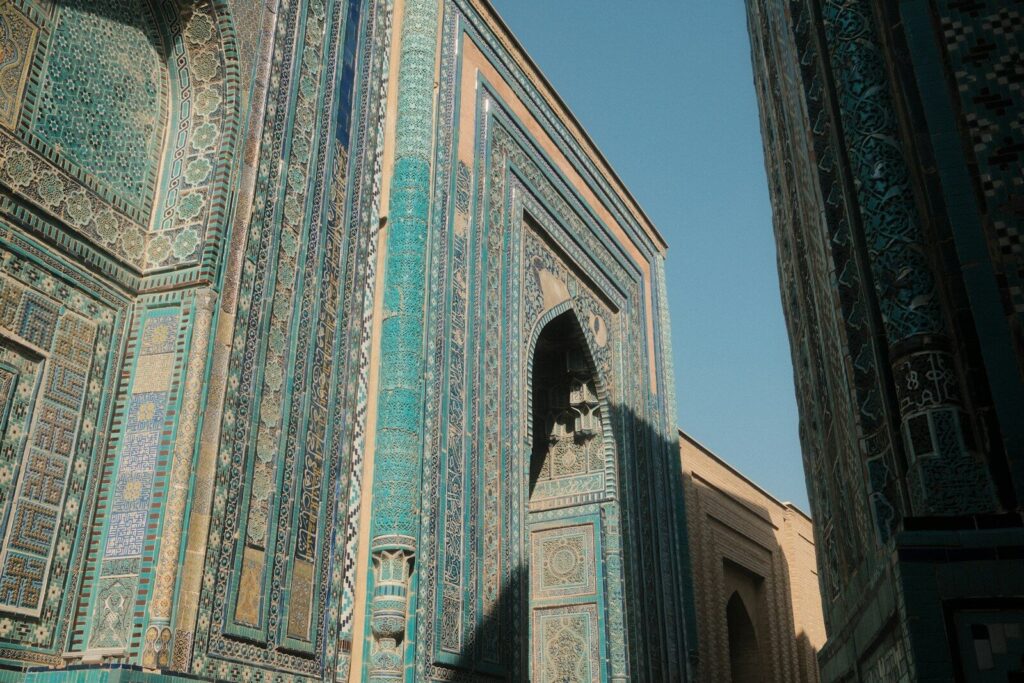
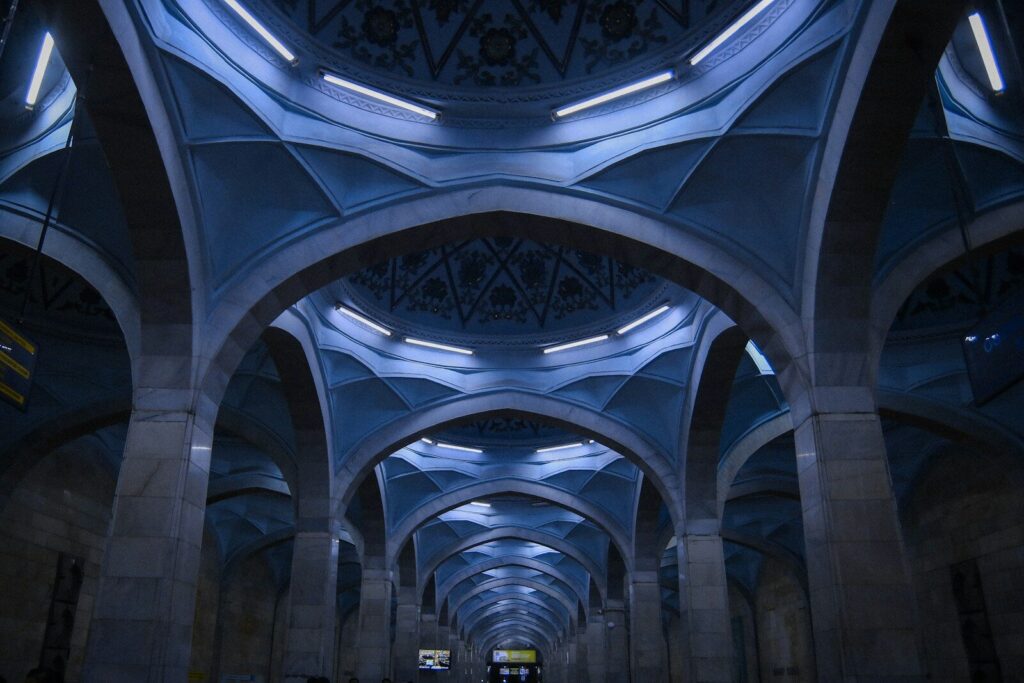
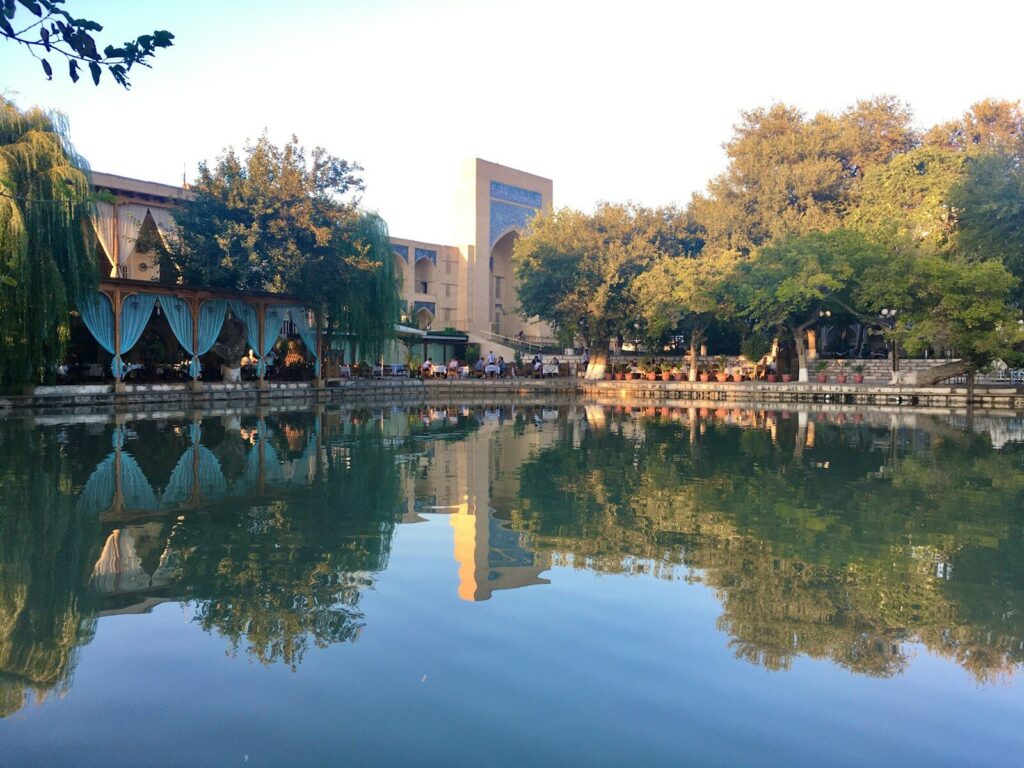
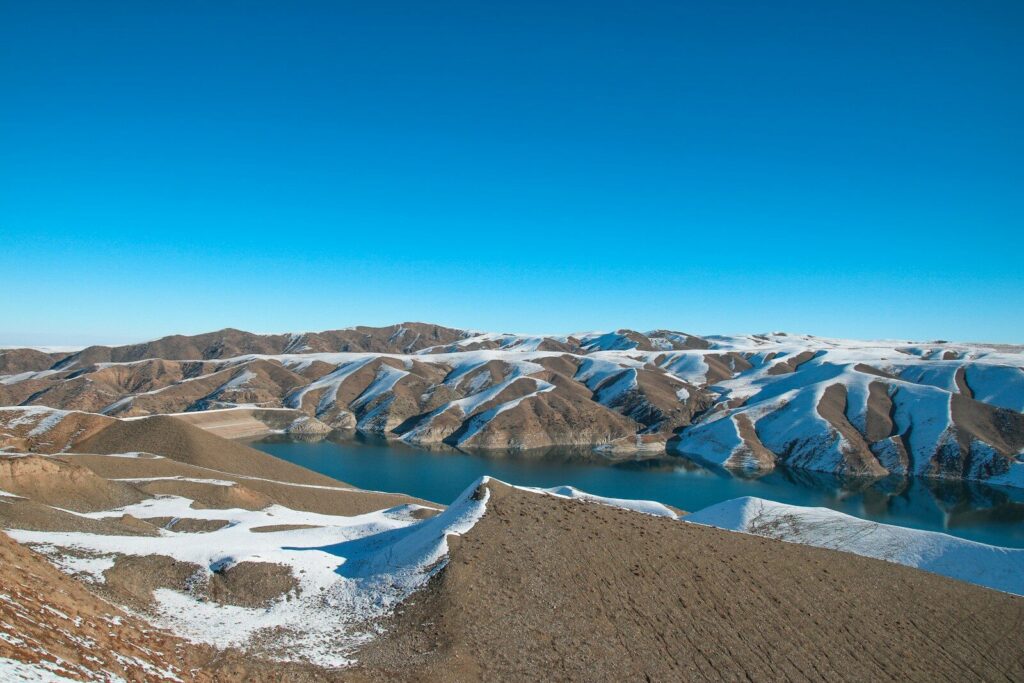
A Silk Road circuit that now runs on rails
Uzbekistan sells as a linear cultural circuit: fly into Tashkent, ride west through Samarkand and Bukhara, finish in Khiva. What has changed is volume. The country received 11,622,100 foreign tourists between January and October 2026, up 19.4% on the same period of 2025 (Tourism Committee, 11 Nov 2026). In 2025 most arrivals came from neighbouring Central Asian states (National Statistics Committee), so read the long-haul lines separately.
- →Heritage density: UNESCO's country page lists seven World Heritage properties, and the Tourism Committee reports that Tashkent Modernist Architecture was added at the 48th World Heritage Committee session in Busan in July 2026 (Tourism Committee, 29 Jul 2026).
- →Long-haul growth from a low base: January to October 2026, Germany 50,800 (+26%), the UK 30,200 (+26%), France 32,900 (+20%), the US 47,300 (x1.4), Japan 42,800 (x1.5), China 430,300 (x2) (Tourism Committee, 11 Nov 2026).
- →Air capacity: Uzbek airports handled 15.5 million passengers in 2025, of which 12.7 million international, up 15% overall (Uzbekistan Airports via UZA, 23 Jan 2026).
- →Population of 38.5 million as of 1 July 2026 (National Statistics Committee, Q2 2026 release). Uzbek is the state language and Tashkent the capital (Constitution, Arts. 4 and 6). Currency: the sum (UZS).
"The historic town of Samarkand, located in a large oasis in the valley of the Zerafshan River, in the north-eastern region of Uzbekistan, is considered the crossroads of world cultures with a history of over two and a half millennia."
UNESCO World Heritage Centre, Samarkand, Crossroad of Cultures
When to go, season by season
A continental climate with hot summers and cold winters. Temperatures below are averages for Tashkent from the Wikipedia climate table, which attributes its data to Pogoda.ru.net and NOAA (viewed 20 Nov 2026). Event dates should be rechecked before contracting: several festivals do not publish dates far ahead.
Winter · December to February
January averages 7.2°C by day and -1.3°C at night in Tashkent. Cold for long walking days in the old towns. The US State Department notes that Tashkent's winter air quality "often ranks as one of the world's most polluted" (advisory issued 26 Jan 2026). Amirsoy, a mountain resort 65 km from Tashkent with 11 slopes, gives a winter add-on (Amirsoy, undated).
Spring · March to MayRecommended
April averages 22.3°C by day and 10.1°C at night in Tashkent, workable for full days on foot. 21 March is the Navruz public holiday (Labour Code, Art. 208). The 21st Silk and Spices festival in Bukhara took place on 6 to 8 June 2025 (Tourism Committee, 8 Jun 2025); 2026 dates were not published when we checked.
Summer · June to August
July averages 35.9°C by day in Tashkent and 37.3°C in Bukhara (Wikipedia climate tables). Programmes need early starts and long midday breaks. Sharq Taronalari, the international music festival in Samarkand, held its 13th edition on 26 to 30 August 2024, five years after the 12th in 2019 (Ministry of Culture, 20 Aug 2024). No date for the next edition was published when we checked.
Autumn · September to November
October averages 22.2°C by day and 8.3°C at night in Tashkent, close to the April averages. The Tourism Committee announced new Khiva to Bukhara trains from 9 September 2026 (8 Sep 2026), which should make a western finish easier to schedule; confirm the running timetable before contracting.
Choosing your base
Most itineraries are a sequence, not a single base. These are the three cities where the nights are spent and where rooms need to be secured first.
Tashkent
Arrival and departure city, home to Tashkent International Airport named after Islam Karimov and the main rail hub. The Tourism Committee reports that its modernist landmarks were inscribed on the World Heritage List in July 2026 (29 Jul 2026), which gives a reason for a full day rather than an overnight stop. Pre-book the Afrosiyob west: the Seat61 timetable shows about 2h15 to 2h25 to Samarkand and about 4h to 4h15 to Bukhara (updated 4 Nov 2026). Tickets sell on chipta.railway.uz.
Samarkand
The anchor of most circuits, listed by UNESCO as "Samarkand, Crossroad of Cultures". The city hosted UNESCO's 43rd General Conference from 30 October to 13 November 2025, the first session held outside Paris in more than forty years (UNESCO, 13 Nov 2025). Our Samarkand Travel Guide covers the city zone by zone. Shakhrisyabz, retained on the UNESCO Danger List in 2026, can be added as a day trip.
Bukhara
The Historic Centre of Bukhara is "more than two thousand years old" (UNESCO). It is also the jumping-off point for Khiva. The Tourism Committee announced train 707 from Khiva at 09:55 to Bukhara-1 at 14:32, daily except Tuesday, and train 706 back at 15:45, arriving 20:25, daily except Monday, each with 415 economy seats (8 Sep 2026). Check the current timetable on chipta.railway.uz before quoting, and book early for large groups.
What to eat
Palov (plov)
Rice cooked with meat, carrots and onion. UNESCO inscribed "Palov culture and tradition" in 2016 and records the saying that guests can only leave after palov has been offered.
Samsa
Baked pastry from the tandoor, usually with meat and onion. The official tourism site headlines it as "a delicacy from tandoor".
Lagman
Hand-pulled noodles with meat and vegetables, headlined by the official tourism site as "Central Asian spaghetti".
Shashlik
Grilled skewers, the standard for group dinners and easy to adapt for set menus.
Manti
Large steamed dumplings filled with meat and onion.
Non
Round flatbread from the tandoor, served at every table. Breaking bread is part of the meal, not a side.
Shurpa
Meat and vegetable soup, named by the government's Uzbek cuisine page among the most popular soups with mastava and mashkhurda.
Green tea
Served throughout the meal from the pot. Budget time for it: lunches run longer than a European schedule assumes.
Did you know?
Ten curiosities to use in client copy, and ten moments of history that explain what your clients will see.
One of only two double-landlocked countries
Tashkent means "Stone Village"
A language written in three scripts
A 15th-century observatory in Samarkand
Khiva was the caravans' last stop before the desert
A mosque with 212 columns
A metro that could not be photographed
Askiya, the art of wit
Shashmaqom means "six maqoms"
Boysun, where ancient rituals survive
Afrosiab, dated by UNESCO to the 7th century BC
Alexander the Great captured Maracanda in 329 BC
Islam arrived with the Arabs in the 8th century
Bukhara, Samanid capital in the 9th and 10th centuries
Genghis Khan took Bukhara and Samarkand in 1220
Timur proclaimed himself sovereign at Samarkand around 1370
The Uzbek Shaybanids take Bukhara in the early 16th century
Russia captured Tashkent in 1865
The Uzbek Soviet Socialist Republic was created in 1924
Independence declared on 31 August 1991
Before you go
All 27 EU states, the UK and the US are visa-free for up to 30 days, counted from the border crossing (Ministry of Foreign Affairs, updated 6 Nov 2026). The US State Department dates visa-free entry for US citizens from 1 January 2026 (advisory issued 26 Jan 2026). Other nationalities on the e-visa list apply at e-visa.gov.uz: USD 20 single entry, USD 20 per person for groups.
Foreigners must be registered within three days of entry. Hotels and other accommodation do it for their guests (Ministry of Internal Affairs, 30 Apr 2024). Keep the slips: gaps between nights in registered accommodation are what create problems.
The currency is the sum. Declare cash above the equivalent of 100 million sum (Tourism Committee, 2 Nov 2026). Build the per-night tourist fee into hotel costing, since its tier depends on the property's room count.
Rail is the backbone: Afrosiyob to Samarkand and Bukhara, separate trains to Khiva, which Seat61 lists at about 7h30 from Tashkent on the faster service (4 Nov 2026). Khiva is about 35 km from Urgench, 35 to 45 minutes by taxi (Centrum Air, 25 May 2026).
Safety: the UK FCDO does not advise against travel to any part of Uzbekistan, says terrorist attacks "cannot be ruled out" and asks travellers to be cautious near the border with Afghanistan, where the Friendship Bridge crossing remains officially closed to foreigners (FCDO, updated 19 Mar 2026, checked 20 Nov 2026). The US State Department rates Uzbekistan Level 1, "Exercise normal precautions" (issued 26 Jan 2026). Check both before departure.
Lock the train seats before the hotels. Afrosiyob and the new Khiva trains are the fixed points of the itinerary, and a missed allocation for a group forces a road transfer that changes the whole day. Then check each hotel's room count, because the tourist fee tier changes with it.
Common questions
Do European, British and American clients need a visa?
How do we fit Samarkand, Bukhara and Khiva into one week?
Is Uzbekistan safe for groups?
Where this comes from
Primary sources first, consulted between 19 and 20 November 2026. Dates are the publication or update date shown on each page.
National Statistics Committee, 2025 arrivals, undated: stat.uz. Tourism Committee, January to October 2026, 11 Nov 2026: gov.uz/uzbektourism. Uzbekistan Airports via UZA, 23 Jan 2026: uza.uz. AeroRoutes, 5 Nov 2026: Warsaw plan. National Statistics Committee, Q2 2026: population release.
Ministry of Foreign Affairs, 6 Nov 2026: visa regime. Ministry of Internal Affairs, 30 Apr 2024: temporary registration. Tourism Committee, 2 Nov 2026: cash declaration. Spot.uz, 29 Aug 2022: tourist fee rates. Tourism Committee, 29 Aug 2026: fee revision draft. Constitution, 2023: lex.uz.
UK FCDO, updated 19 Mar 2026, checked 20 Nov 2026: Uzbekistan travel advice, safety and security, regional risks. US State Department, issued 26 Jan 2026: travel advisory.
Tourism Committee, 8 Sep 2026: Khiva to Bukhara trains. Uzbekistan Railways, updated 19 Nov 2026: railway.uz. Seat61, updated 4 Nov 2026: train times. Centrum Air, 25 May 2026: Urgench to Khiva. Uzbekistan Airways, undated: airport names.
UNESCO World Heritage Centre: Samarkand, Bukhara, Shakhrisyabz decision 48 COM 7A.26, 2023 inscriptions. Tourism Committee, 29 Jul 2026: Tashkent Modernist Architecture. UNESCO, 13 Nov 2025: 43rd General Conference. UNESCO ICH: palov, Lazgi, Margilan. Tourism Committee, 8 Jun 2025: Silk and Spices. Ministry of Culture, 20 Aug 2024: Sharq Taronalari. Labour Code via invest-in-uzbekistan.org. UNEP, October 2017: Aral Sea brief.
Government of Uzbekistan, updated 13 Aug 2025: Uzbek cuisine. Uzbekistan Tourism, undated: uzbekistan.travel. Amirsoy, undated: resort. Climate tables from Wikipedia, viewed 20 Nov 2026, attributing data to Pogoda.ru.net and NOAA (Tashkent) and to NOAA, Deutscher Wetterdienst and Meteomanz (Bukhara).
Britannica, undated: Uzbekistan, Russian and Soviet rule, history of Uzbekistan, Samarkand, Bukhara, Tashkent, Timur, Uzbek language, landlocked country. Guinness World Records, 2010: largest double-landlocked country. MacTutor, University of St Andrews, undated: Ulugh Beg. Biographical Encyclopedia of Astronomers (McGill), undated: Ulugh Beg. UNESCO World Heritage Centre, undated: Samarkand, Itchan Kala. UNESCO Intangible Cultural Heritage, undated: Askiya, Shashmaqom, Boysun District. RFE/RL, 2018: Tashkent metro. Kun.uz, 22 Nov 2025: capital moves.