
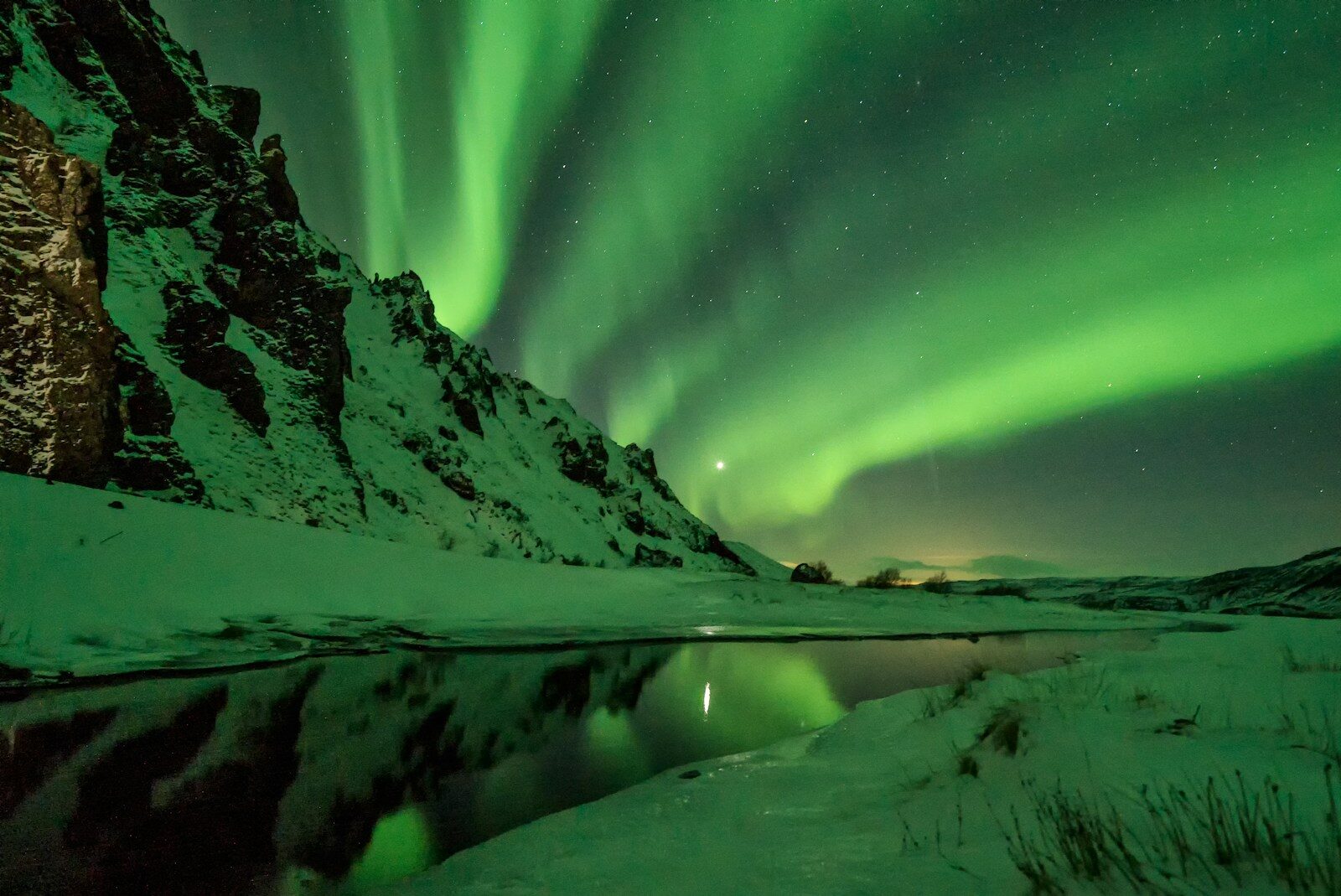
Baltic Lights Travel Guide
A single winter journey stitched across three capitals — Riga, Tallinn and Helsinki — for lantern-lit old towns, proper sauna culture and dark skies with a genuine, if modest, chance of aurora overhead.
- Three capitals, one route
- Aurora chances at 57-60°N
- Baltic Sea ferries between stops
- Sauna culture & Christmas markets
Baltic Lights, frame by frame
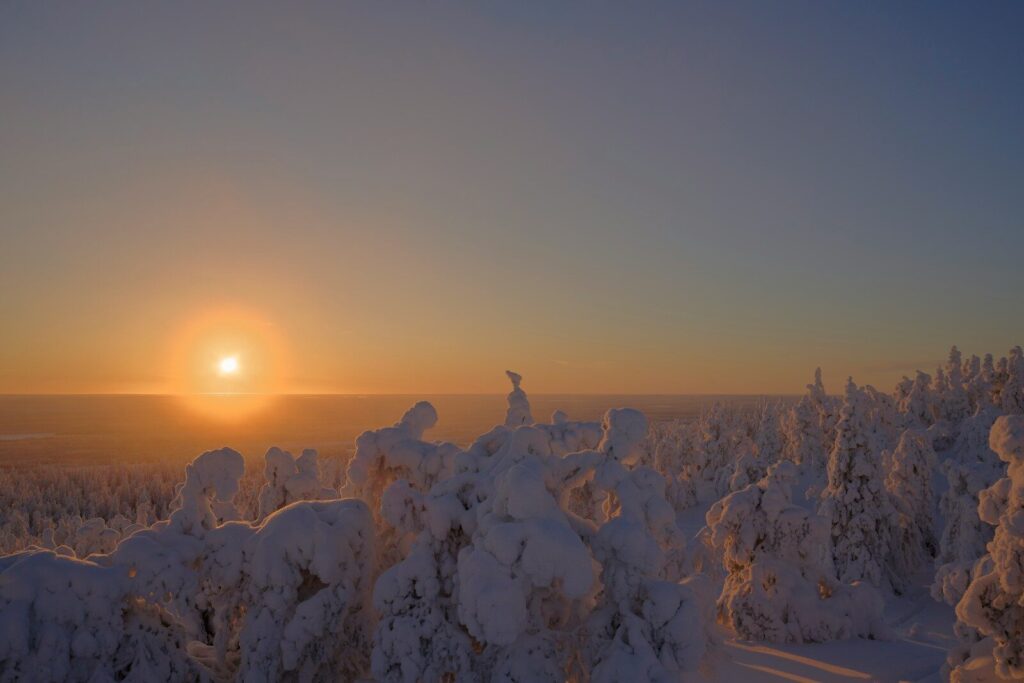
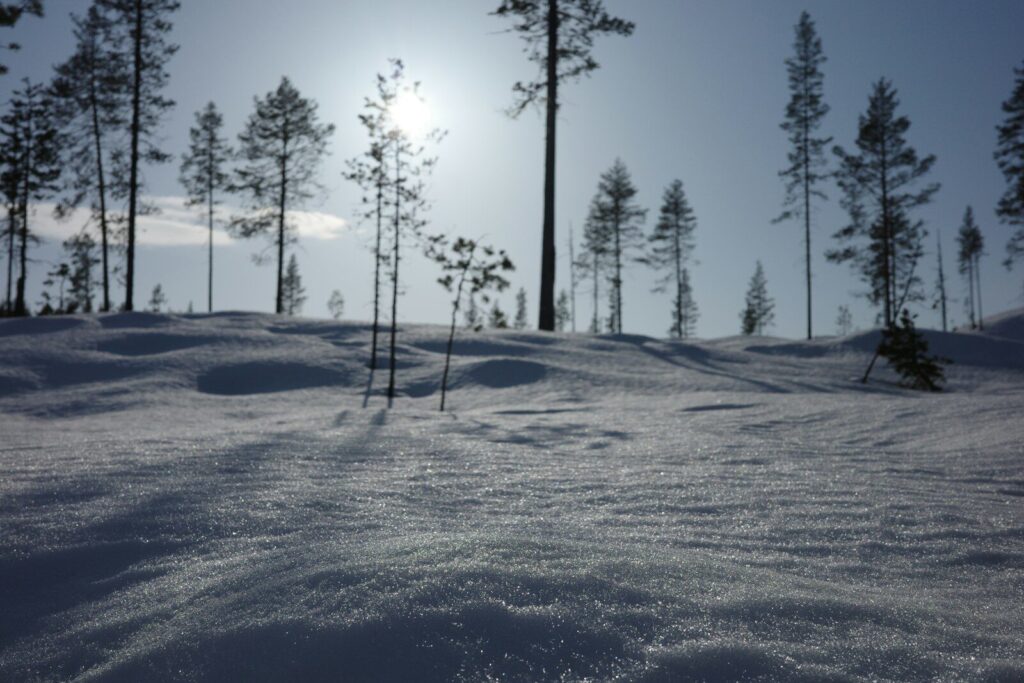
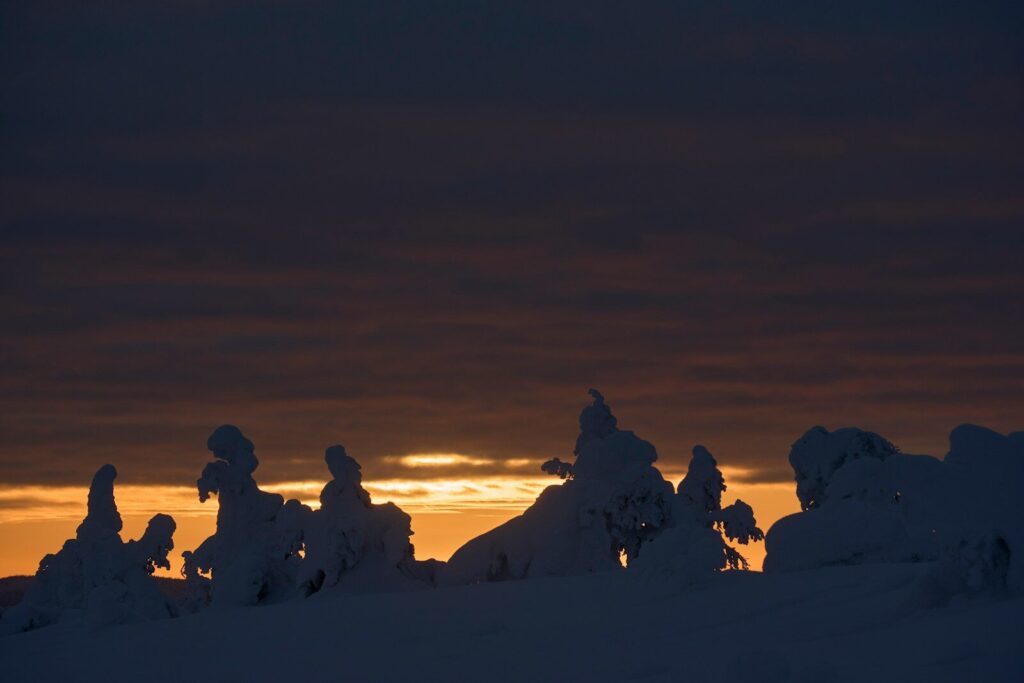
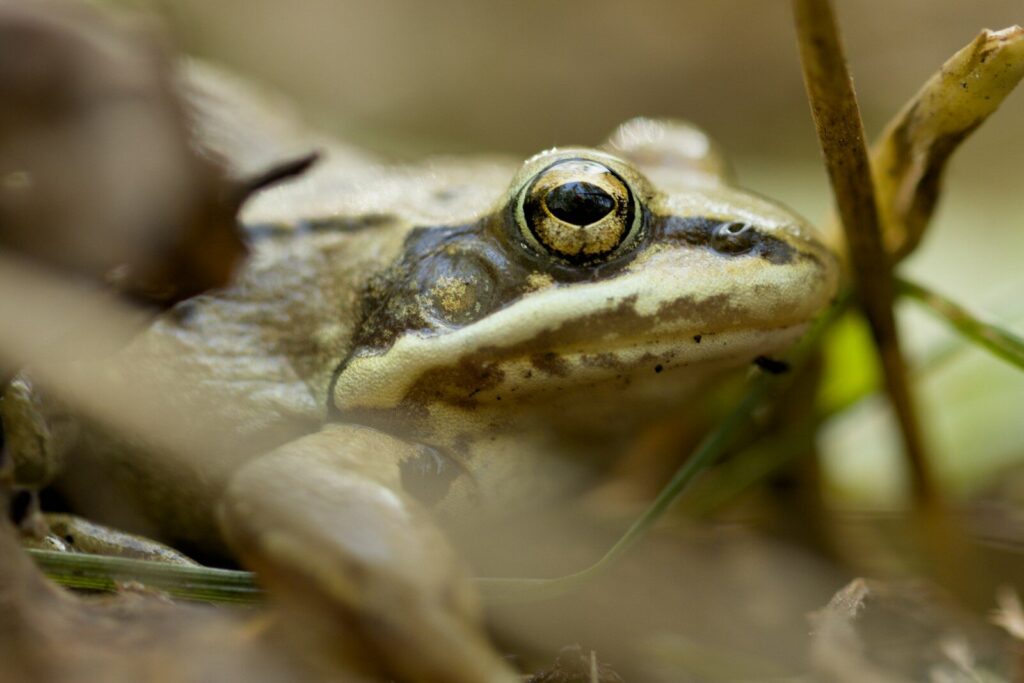
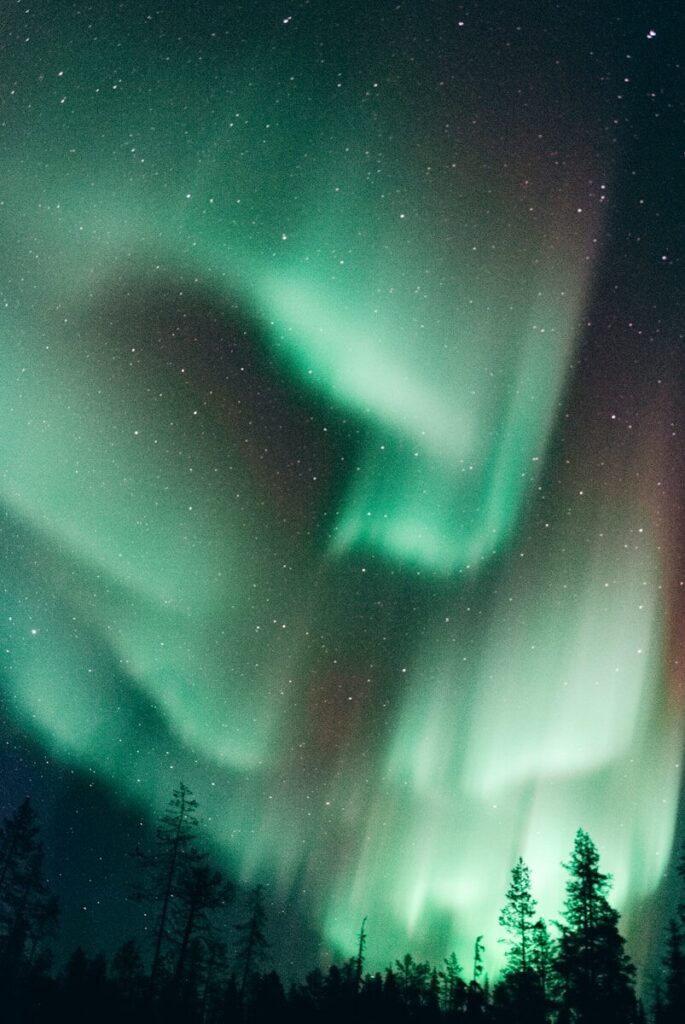
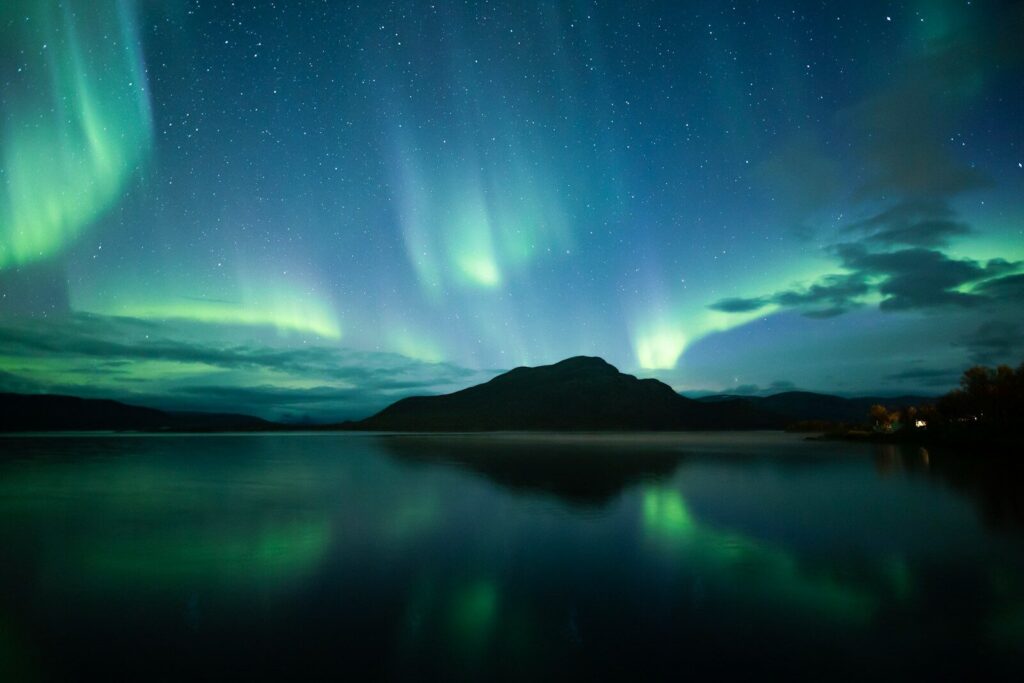
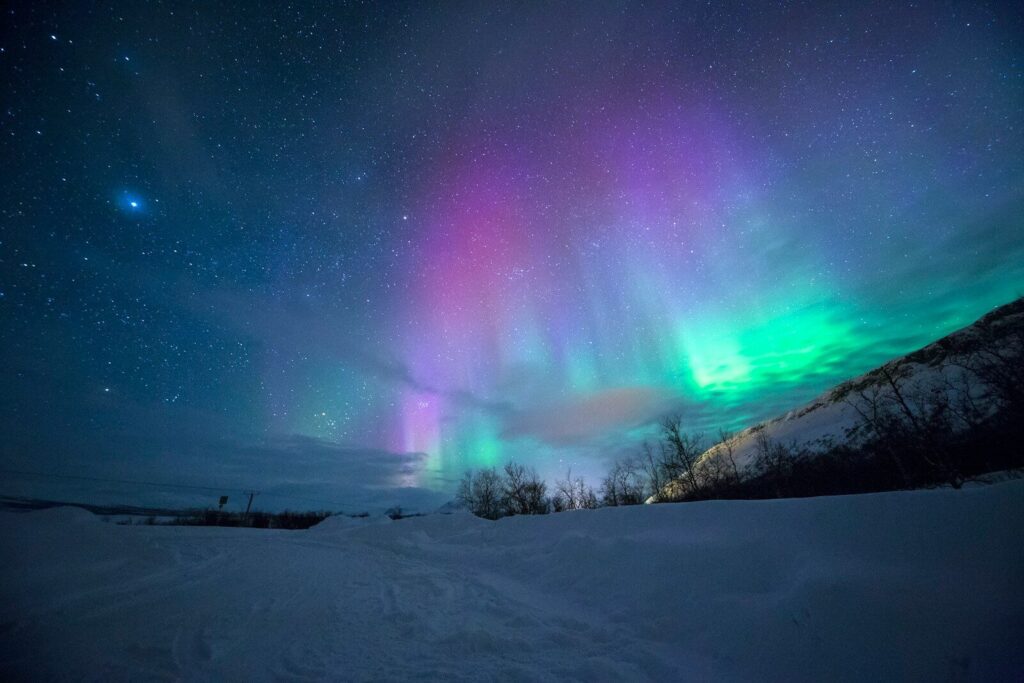
A visual pass across all three stops, from Riga's Art Nouveau streets to Helsinki's frozen harbour.
A route built around darkness, not distance
Baltic Lights isn't a single destination — it's an itinerary, three capitals close enough to link by ferry and coach, chosen because winter here does something dramatic: the sun all but disappears, the old towns turn into candlelit stone villages under snow, and on the right night, with the right solar activity and a clear sky, the aurora shows up over the Gulf of Finland. Riga's Art Nouveau streets, Tallinn's walled medieval core and Helsinki's granite harbour each hold their own guide on this site. This one is about the thread between them: the ferries, the dark, the sauna culture, and the honest odds of seeing lights dance overhead.
- → A multi-stop itinerary for travellers who want three distinct capitals rather than one city in depth.
- → Built for the darkest months, when short days and clear, cold nights give the best (if not guaranteed) aurora odds.
- → Ferries and short overland hops do the connecting, so the journey itself becomes part of the experience.
- → Pairs naturally with sauna culture, Christmas markets and the region's Hanseatic old towns.
“Here the lights aren't a promise, they're an invitation to look up anyway — at a sky that's already doing most of the work with its darkness alone.”
Teekonda small-group feelWhen to go, season by season
All three cities sit between roughly 56.9°N and 60.2°N, giving them genuine four-season climates with short, dark winters and long, pale summers. This guide is built around the winter window, when the region's darkness becomes the main event rather than a drawback.
Spring · Mar-May
Snow retreats and days lengthen quickly; by May all three cities sit around 10-15°C, with thinner crowds and lower rates than summer, but the aurora window has effectively closed until autumn.
Summer · Jun-Aug
Warm, long-lit days (highs near 20-22°C) and near-endless light around the solstice make this the classic sightseeing season, but skies never get dark enough for aurora viewing at all.
Autumn · Sep-Nov Recommended
Nights lengthen fast and the sky darkens properly again from September; this is when the aurora season quietly reopens, alongside crisp, atmospheric old-town walks before winter tourist crowds arrive.
Winter · Dec-Feb Recommended
The core of this itinerary — as little as 6 hours of daylight in Helsinki and Tallinn, temperatures often below freezing, Christmas markets in full swing, and the longest, darkest nights for a chance at the lights.
Choosing your base
Rather than neighbourhoods within one city, this trip is organised around three stops, each worth two to three nights of its own.
The Art Nouveau capital, first or last stop
Latvia's capital anchors the southern end of the route, its Old Town a UNESCO World Heritage tangle of Hanseatic guild halls beside whole streets of ornate Art Nouveau facades — reputedly Europe's densest concentration of the style, atmospheric under snow and Christmas lights.
The walled medieval midpoint
Estonia's capital sits geographically and logistically in the middle, its intact city walls and turreted skyline making it the most storybook-looking of the three; the Town Hall Square Christmas market and its tree tradition, dating to 1441, is one of the region's signature winter sights.
The Nordic finish, gateway to the Gulf
Finland's capital closes the loop to the north, trading medieval stone for granite Art Nouveau and Nordic design, plus the country's defining sauna culture — the natural place to warm up after a day chasing dark skies along the Baltic coast.
What to eat
Pelēkie zirņi ar speķi (Latvia)
Grey peas stewed with bacon and onion, a hearty Latvian winter staple and a fixture at Christmas Eve tables across Riga.
Rasols (Latvia)
A creamy potato salad with egg, gherkin and often smoked fish, standard on any festive Latvian spread.
Speķa pīrāgi (Latvia)
Small yeasted pastries filled with bacon and onion, sold hot from Riga Christmas market stalls to warm cold hands.
Riga Black Balsam
A dark, bitter herbal liqueur, Latvia's signature export, traditionally stirred into hot tea or black coffee against the cold.
Rupjmaize (Latvia)
Dense, dark rye bread that anchors nearly every Latvian meal, sometimes reappearing as a layered dessert with whipped cream and berries.
Verivorst (Estonia)
Estonian blood sausage, traditionally served with lingonberry jam and sauerkraut as the centrepiece of Christmas dinner in Tallinn.
Mulgikapsad (Estonia)
A slow-cooked sauerkraut and pork stew, one of the most comforting things to eat in Tallinn on a short, dark afternoon.
Kama (Estonia)
A traditional roasted grain flour mixed with buttermilk or kefir, an old Estonian staple often sweetened with berries for dessert.
Vana Tallinn
Estonia's spiced, rum-based liqueur, poured into hot coffee or cocoa as a warming ritual through the Tallinn winter.
Rosolje (Estonia)
A layered beetroot, potato and marinated herring salad, tangy and bright against the grey winter days.
Karjalanpiirakka (Finland)
Thin Finnish rye pastries filled with rice and topped with egg butter, a staple snack between Helsinki museum stops.
Lohikeitto (Finland)
A creamy Finnish salmon soup with potato, leek and dill, the first thing worth ordering after a cold ferry crossing.
Poronkäristys (Finland)
Thin-sliced sautéed reindeer served with mashed potato and lingonberries, a proper Finnish winter plate.
Glögi / Glögg
Spiced mulled wine or juice served warm across all three capitals' Christmas markets, the region's shared answer to the cold.
Korvapuusti (Finland)
Soft, cardamom-spiced Finnish cinnamon buns, the standard partner to a Helsinki coffee break.
Did you know?
A mix of everyday quirks tying the three stops together, and the deeper history that shaped the region, split into two quick reads.
Riga and Tallinn sit south of the aurora's easiest reach
Helsinki sees the lights about once a month, at best
Aurora forecasters watch the Kp-index, not the calendar
Tallinn's Christmas tree tradition dates to 1441
Helsinki-Tallinn ferries run through the winter, ice or not
December daylight can shrink to around six hours
Grey peas are said to ward off tears at Christmas
Finland is said to have more saunas than cars
Estonia's smoke sauna tradition is UNESCO-listed
Riga and Tallinn are both UNESCO World Heritage old towns
The Baltic Sea genuinely freezes near these coasts
Riga and Tallinn were both born as Hanseatic ports
The Livonian Order once ruled much of the southern route
Sweden held the northern arc for two centuries
Russia absorbed the whole region within a century
All three declared independence within a year of each other
Finland's path diverged sharply from the Baltic states in WWII
The Baltic states spent nearly five decades as Soviet republics
A human chain of two million people helped end that era
Finland charted a careful neutral course through the Cold War
All three joined the EU together in 2004
Finland's NATO shift came only recently
Before you go
Latvia, Estonia and Finland are all Schengen members, so once inside, movement between them is passport-check-free. Many nationalities can enter visa-free for short stays, though some travellers now need an ETIAS travel authorisation — check current requirements for your passport before booking.
Helsinki-Tallinn ferries run about ten times a day year-round, taking roughly 2-2.5 hours. The Helsinki-Riga direct ferry is seasonal and often reduced or suspended in winter, so most itineraries link Tallinn to Riga overland instead, by a roughly 4-4.5 hour coach, with short regional flights as a faster alternative.
EU roaming or a local e-SIM works well across all three countries; wifi is widely available in cafes, hotels, ferries and on public transport.
All three use the euro, and contactless cards are accepted almost everywhere, with cash rarely needed. Tipping isn't expected in any of the three, though rounding up or leaving 5-10% for good restaurant service is appreciated.
Entry requirements and local conditions can change — always confirm the latest guidance for your nationality before travelling.
Allow at least eight to ten days for the full route: two to three nights each in Riga, Tallinn and Helsinki, plus a buffer night for the Tallinn-Riga leg and any weather-dependent aurora-watching evenings. Build in at least one deliberately quiet, clear-sky night at each stop rather than a single 'aurora chase' outing.
Common questions
Will I actually see the northern lights on this trip?
How do I get between Riga, Tallinn and Helsinki?
How cold does it actually get, and how many days do I need?
Interested in Baltic Lights with Teekonda?
A small-group winter journey across three Baltic capitals, built around dark skies, sauna culture and the honest chance of aurora overhead.
Find a trip


