



 /Azores
Azores Travel Guide
Nine Portuguese islands where the headline sights run on permits, quotas and seasonal shuttles. What operators need to know before contracting.
- São Miguel and Pico
- Permit-based access
- Year-round, not year-equal
The Azores, frame by frame
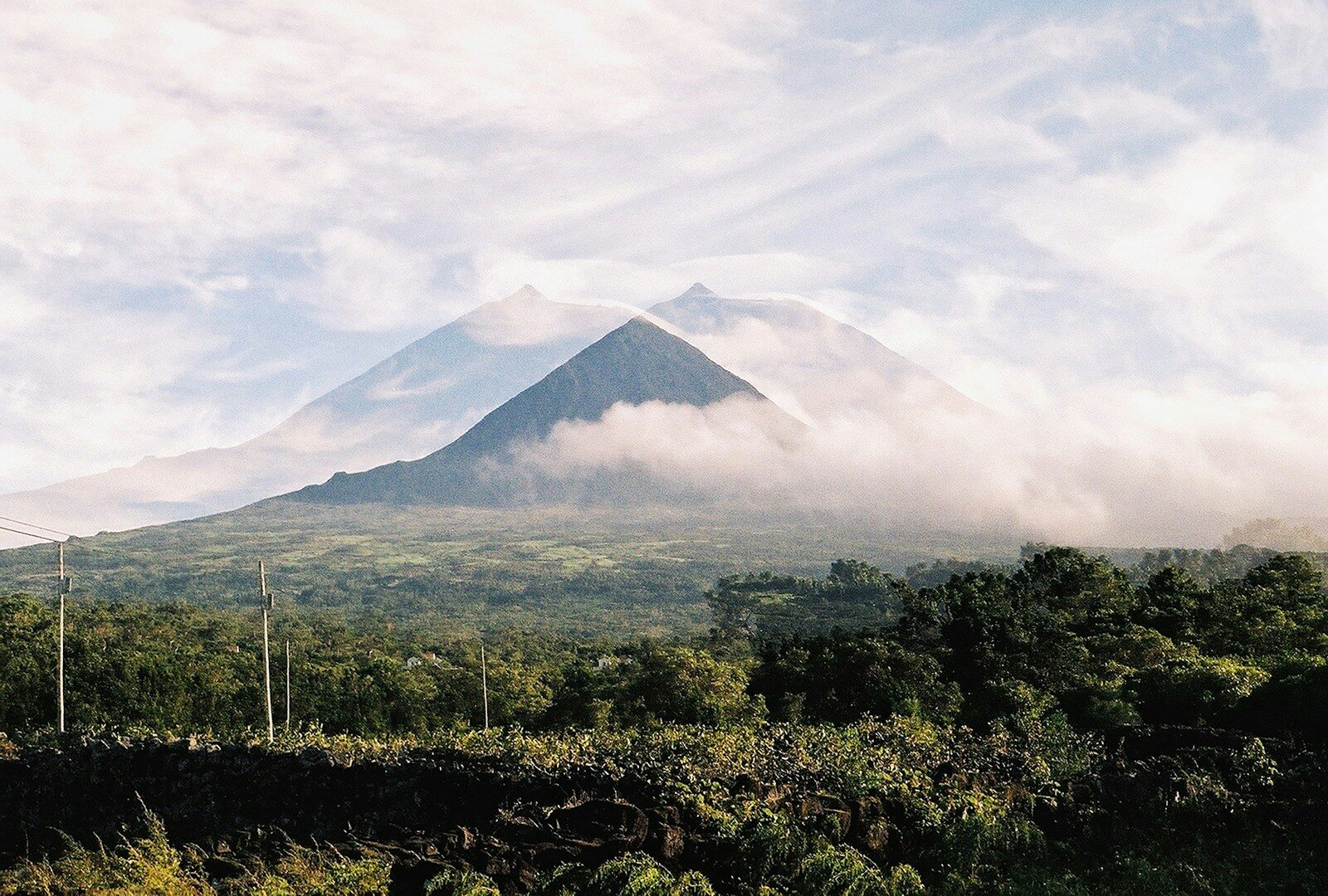
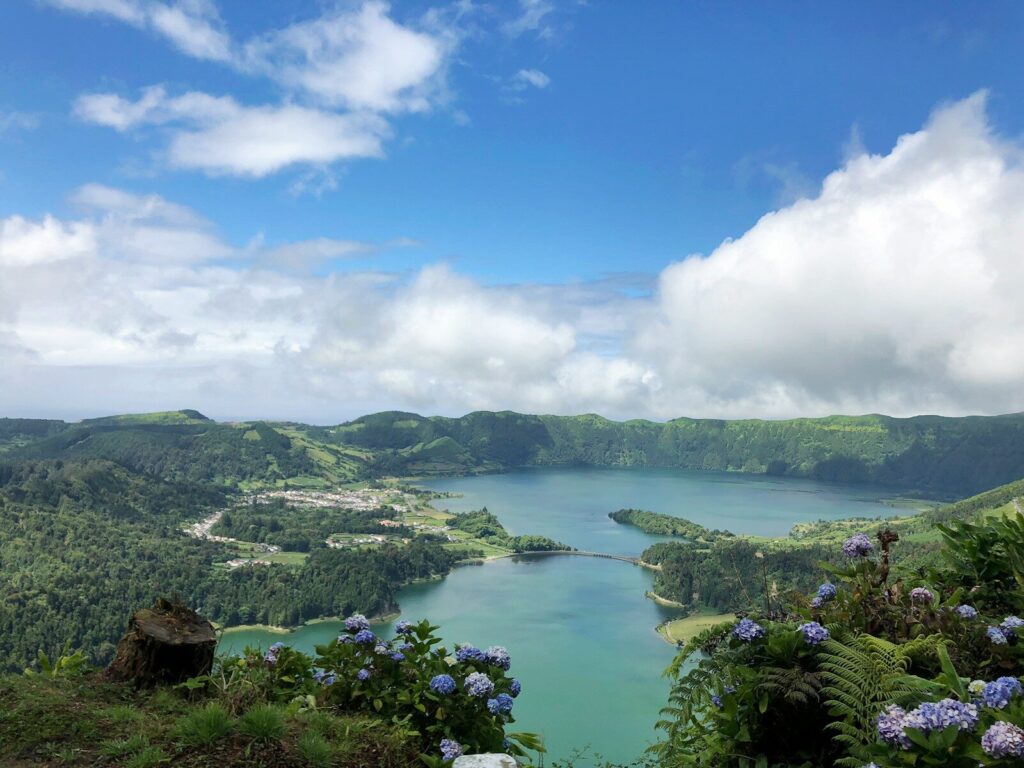
Two islands carry most of the demand, and they look nothing alike.

What you are actually selling
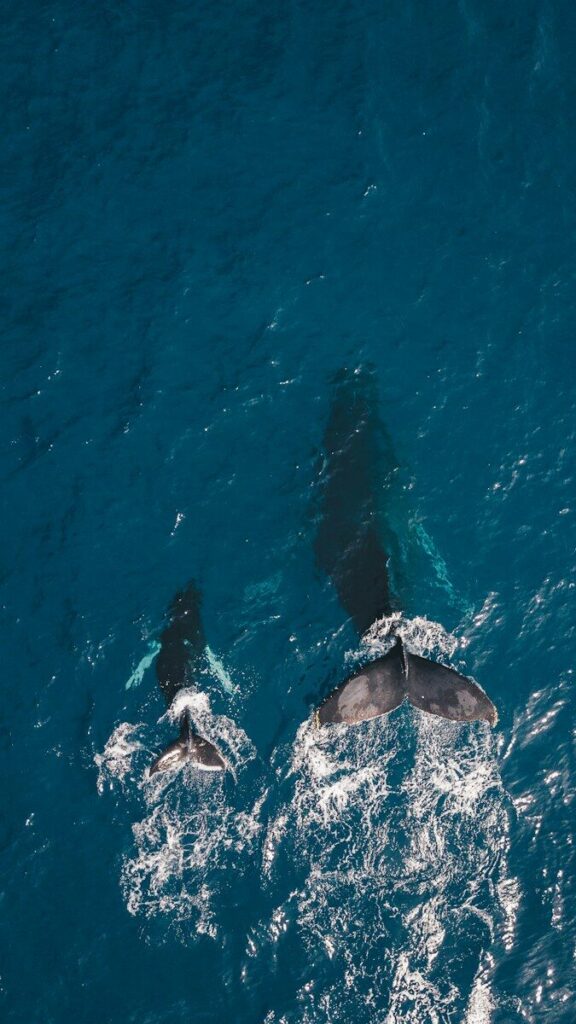
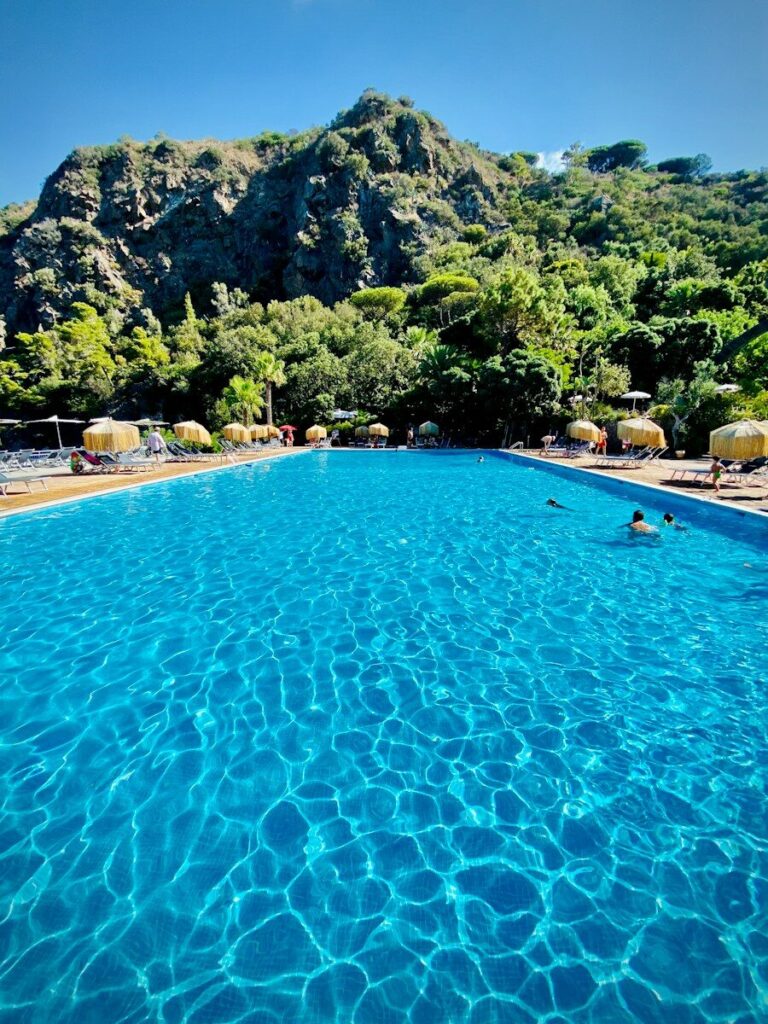
The Azores are nine islands in the middle of the Atlantic, politically Portuguese and administratively autonomous, and for the trade they behave as two markets rather than one. São Miguel took 69.0% of 2025 overnight stays in hotels and short-term rental, the two segments that make up 93.7% of all stays, and holds the main airport, the thermal sites and most of the hotel estate. Pico, Faial and Terceira together took roughly a quarter and operate on a different scale, with smaller properties and a far higher share of short-term rental stock. Almost every signature experience here, the mountain, the caves, the whales, sits behind a permit, a quota or a licence, so the planning constraint is rarely availability of beds.
- →Volcanic landscape, maritime climate, no dry season
- →Access to headline sites is capped and regulated
- →Short-term rentals dominate outside São Miguel
- →Air capacity is thinner than the summer brochure
Qualifying the destination is not done only with more supply, it is done above all with better supply.
Berta Cabral, July 2026A narrow band, all year
Ponta Delgada sits in a remarkably tight temperature range. On the 1991 to 2020 normals published by IPMA, the mean monthly temperature moves only between 14.8 degrees in February and 23.0 in August, and the mean annual figure is 18.2. Rainfall is the real variable, from 26.0 mm in July to 152.8 mm in December, with 987.5 mm across the year on 122 days carrying 1 mm of rain or more. Nothing here closes for winter, but the trail and sea programme thins out.
Spring · March to MayRecommended
Rainfall drops month by month to 61.0 mm in May, means climb to 17.4 degrees, and the Casa da Montanha moves to round the clock opening on 1 May. The Pico caps apply all year, but they bind far less often than in August.
Summer · June to August
The driest and warmest window, with 26.0 mm of rain in July and a mean of 23.0 degrees in August. It is also when the daily quotas bind, the Lagoa do Fogo road restriction applies and rates peak.
Autumn · September to November
September holds at a 22.1 degree mean with 78.2 mm of rain, then conditions turn quickly. By November rainfall is back to 95.3 mm and the Casa da Montanha drops to 08:00 to 18:00.
Winter · December to February
December is the wettest month at 152.8 mm, yet the mean never falls below 14.8 degrees and frost does not appear in the normals. Thermal sites and cheese and wine itineraries carry the season.
Choosing your base
Bed stock is concentrated and uneven. The regional tourism secretariat put the archipelago at around 43,000 tourist beds in July 2026, 64% of them in short-term rental and only 137 hotels, 64 of them on São Miguel. The figure of more than 8,000 hotel beds was given in a form that leaves it unclear whether it covers all 137 or only the 64 on São Miguel, so it should not carry a capacity assumption.
Ponta Delgada
The arrival point and the only place with real hotel depth. Hotels carried 54.2% of São Miguel stays on that same hotel and rental base in 2025. Best for groups needing consistent category and for programmes built on day returns.
Furnas
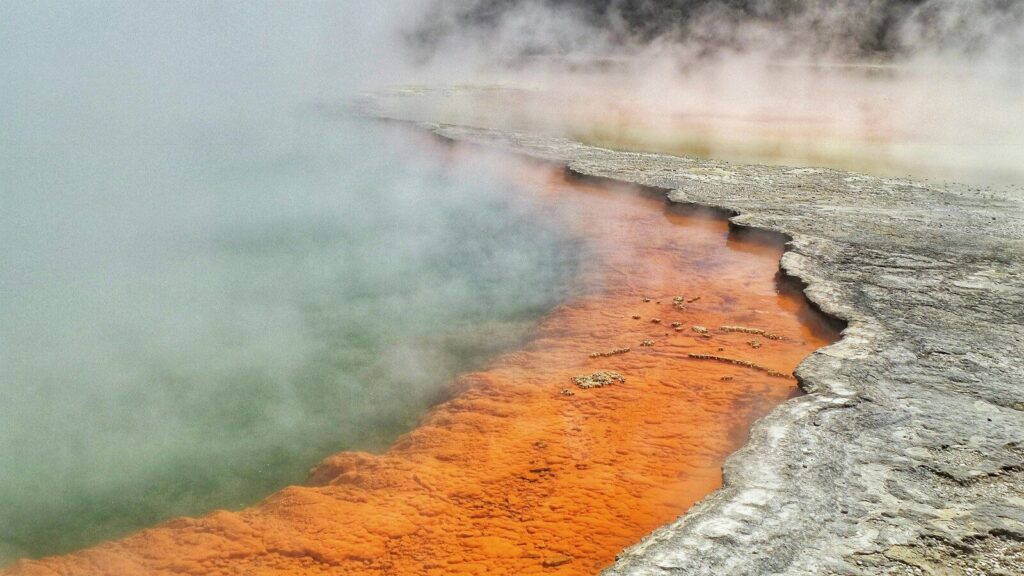
The thermal valley, and a second base that removes an hour of driving each way from the east of São Miguel. A municipal tourist tax of 2 euros per guest per night applies here, capped at three consecutive nights, with exemptions that include under 13s and Azores tax residents.
Pico and Faial
Small properties, with 65.2% of Pico stays in short-term rental on the same base. Horta is about eight kilometres across the channel, with the Faial to Pico ferry running year round and several times a day, which makes a two island base practical outside the summer as well.
What to eat
Queijo São Jorge
A cow's milk cheese with protected designation of origin, registered at European level in June 1996. Firm, sharp and the one most clients will recognise.
Queijo do Pico
Also a protected designation. The official specification sets raw cow's milk, animal rennet and salt, a disc 16 to 17 cm across and 2 to 3 cm high, 650 to 800 g, aged at least 20 days.
Cozido das Furnas
Meat and vegetables sealed in a pot and buried in volcanically heated ground beside the lake. Restaurants collect between 11:00 and 13:00, so it is a lunch, never a dinner.
Lapas
Limpets grilled in the shell with garlic butter and lemon, served as a starter across the islands. Cheap, abundant and ubiquitous on starter menus.
Ananás dos Açores
Greenhouse pineapple from São Miguel, a protected designation of origin registered in 1996. Smaller and more acidic than tropical fruit, and a fixture on dessert menus.
Bolo lêvedo
A soft griddled muffin from Furnas, eaten split and buttered at breakfast or used for sandwiches. Carries no protected status, and every bakery in the valley claims its own version.
Azorean wine
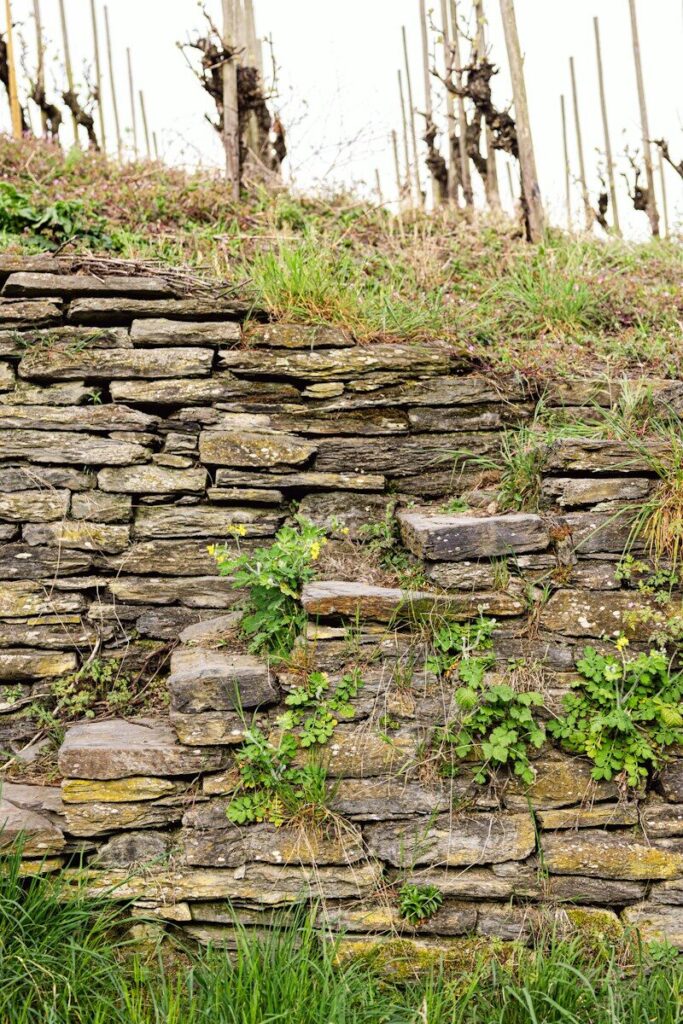
Four designations exist, three protected origins for Pico, Graciosa and Biscoitos and a wider geographical indication for the Azores. Pico's vines grow inside the walled plots listed by UNESCO.
Gorreana tea
Grown on São Miguel since 1883 by the same family across five generations. The plantation and factory are open without charge and without booking, which makes it a reliable filler stop.
Did you know?
Most of what makes the Azores unusual for a seller is written into regulation rather than geography.
The mountain has a daily quota
The platform never sells the whole quota
Thirty-two people sleep in a crater
A guide every twelve climbers
Twenty minutes on the summit cone
Three boats, three hundred metres
Thirty minutes with the animals
Residents go free almost everywhere
A lake you cannot drive to in summer
Breaking the rules has a price list
1883, tea arrives commercially
1996, Brussels registers two names
1999, whale watching gets a law
2003, the rules tighten
2004, UNESCO lists the vineyards
2016, Pico access is rewritten
2018, the Pico regime is reissued
2020, the current regime begins
2023, the penalties arrive
2025, Furnas starts charging a tax
Before you send clients
The Azores are part of Portugal and of the Schengen area, so standard Schengen entry rules apply. The European Union travel authorisation known as ETIAS still has no confirmed start date as of October 2026, so it should not be written into 2027 terms and conditions as a client requirement.
Inter-island flights are operated by SATA Air Açores. Year-round sailings are concentrated on the Pico, Faial and São Jorge triangle, and the wider inter-island network is seasonal. Confirm the current season directly with Atlânticoline before contracting.
Azores Airlines is running 170 weekly flights on 15 routes this winter, with Paris, Barcelona and Frankfurt suspended until spring. Ryanair cancelled all six of its Azores routes from 29 March 2026.
Activity operators must be registered in the national RNAAT before trading, and whale watching needs a separate regional licence. Properties can be checked against the RNET and RNAL registers.
Prices, caps and opening hours in this guide were checked against primary sources on 30 October 2026. Official pages are not always current, so reconfirm anything load bearing directly with the operator or the issuing authority before contracting.
While the Lagoa do Fogo shuttle runs, tourist animation companies, tour operators, travel agencies and taxis are exempt from the shuttle requirement, and the 48 short stay spaces at the viewpoint itself are reserved for exactly those operators, taxis and residents, subject to the posted conditions of use. Caldeira Velha, with 101 spaces, and Casa da Água, with 60, are the free general car parks for independent visitors. Treat the season as unsettled: in 2026 a challenge to the tender delayed the start from June to 1 August, and no 2027 start date has been announced. The restriction is tied to the shuttle period, so confirm both with the regional tourism directorate before contracting a coach itinerary.
Common questions
Do clients need a guide to climb Pico?
Is booking online enough for the mountain?
Can we still sell the Gruta das Torres lava tube?
Where this comes from
Every rule, fee and figure above was taken from the source named here on 30 October 2026.
Portaria n.º 25/2020 of 11 March 2020, as amended by Portaria n.º 64/2023 of 27 July 2023, and the official booking portal at montanhapico.azores.gov.pt
Decreto Legislativo Regional n.º 9/99/A of 22 March 1999, as amended by n.º 10/2003/A and n.º 13/2004/A, with Portarias n.º 5/2004, n.º 49/2004, n.º 70/2005, n.º 17/2007, n.º 47/2011 and n.º 64/2012 on licensing
Azores Nature Parks at parquesnaturais.azores.gov.pt, the municipality of Povoação and the Gruta do Carvão visitor centre
IPMA climate normals for 1991 to 2020, Ponta Delgada Observatório Afonso Chaves, station 513
SREA, Estatísticas do Turismo 2025 published 9 July 2026, and the monthly Atividade Turística releases, for the overnight stay shares
Statements by Berta Cabral, Regional Secretary for Tourism, Mobility and Infrastructure, reported by Lusa on 11 July 2026, not statistical office output
Azores Airlines winter 2026/27 programme, TAP Air Portugal, Ryanair and Atlânticoline
DGADR register of managing producer groups and control bodies, January 2025, and Commission Regulation (EC) No 1107/96
Registo Nacional do Turismo at rnt.turismodeportugal.pt and Turismo de Portugal guidance on RNAAT registration