



 /New Zealand
New Zealand Travel Guide
New Zealand had 3.7 million international visitors in the year to June 2026, up 8.9% (Tourism New Zealand, 14 August 2026), and the South Island is where capacity is moving: Queenstown passed one million international passenger movements for the first time and Air New Zealand is relaunching three routes from Christchurch this season (Singapore from 28 October, Tokyo Narita from 28 November, Perth from 30 November 2026). This guide is for operators building programmes for 2027, when access charges for international visitors at four of the country's most sold natural sites remain proposed but not yet law.
- Oceania
- Entry: NZeTA + NZ$100 levy
- Gateways: AKL, CHC, ZQN
New Zealand, frame by frame
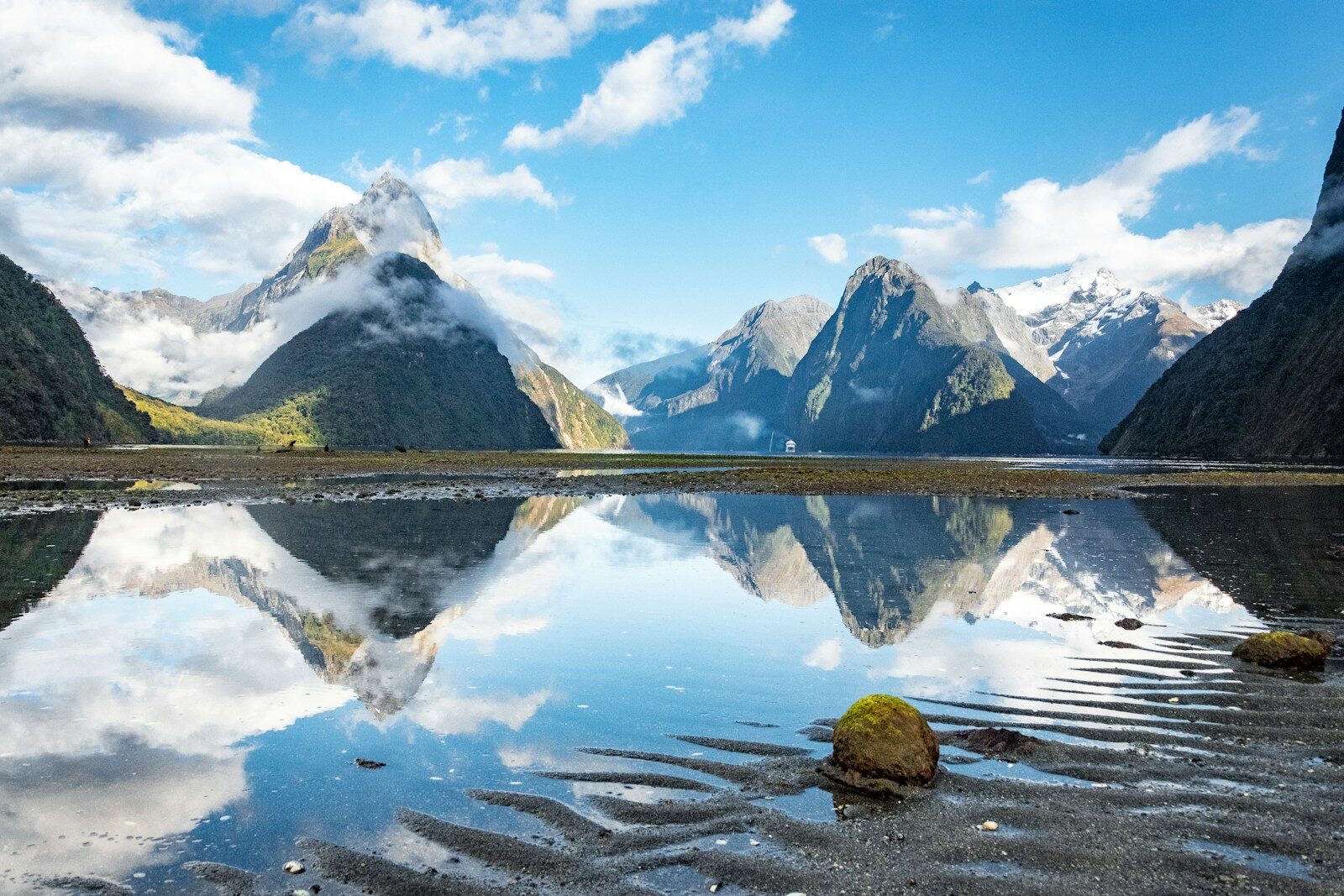
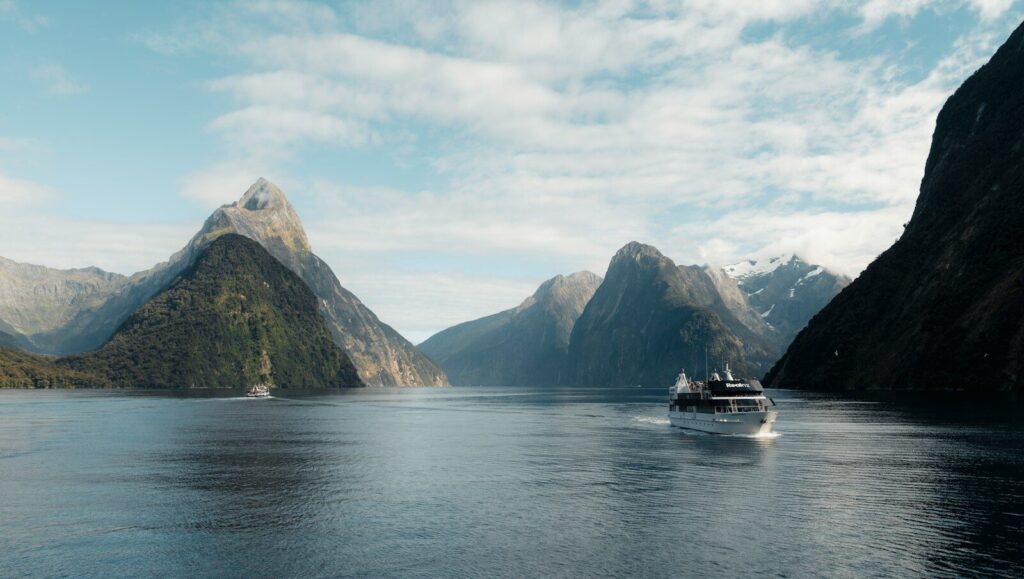
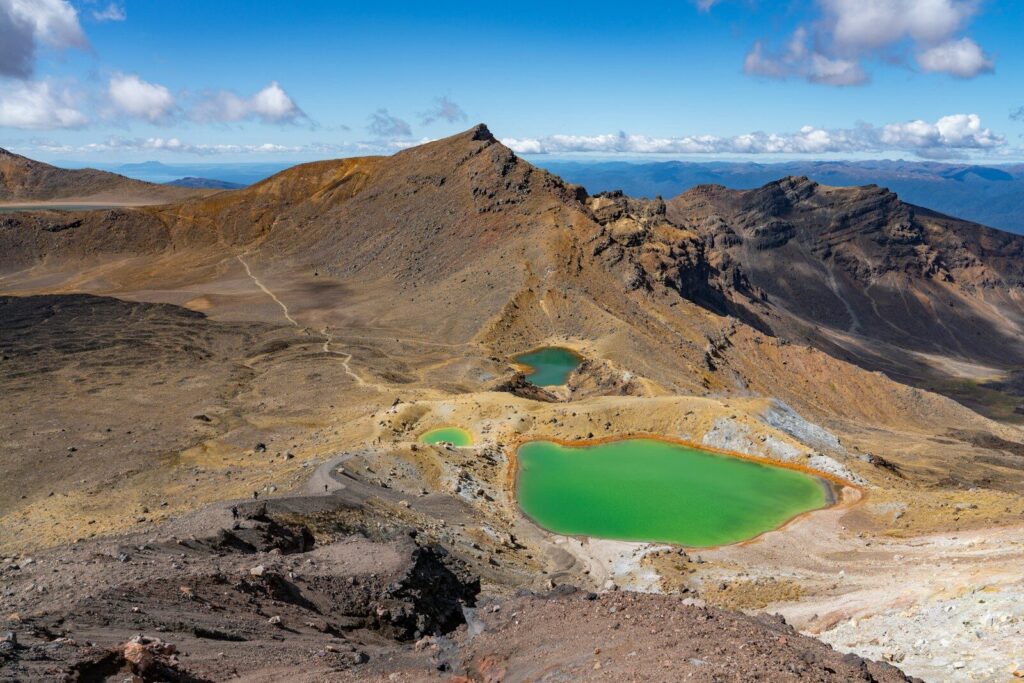
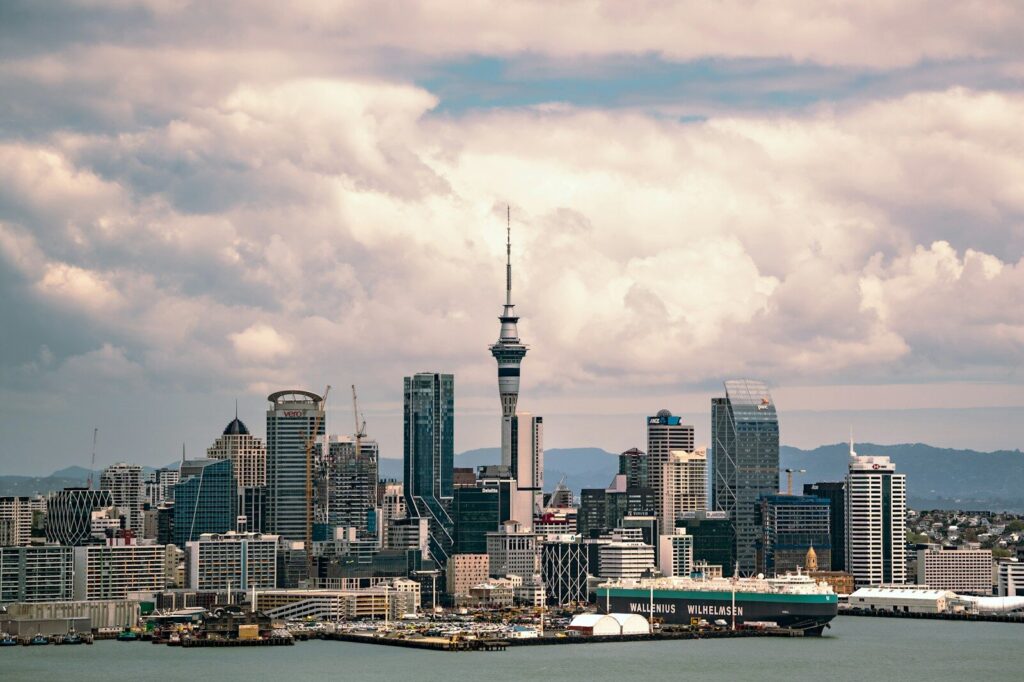
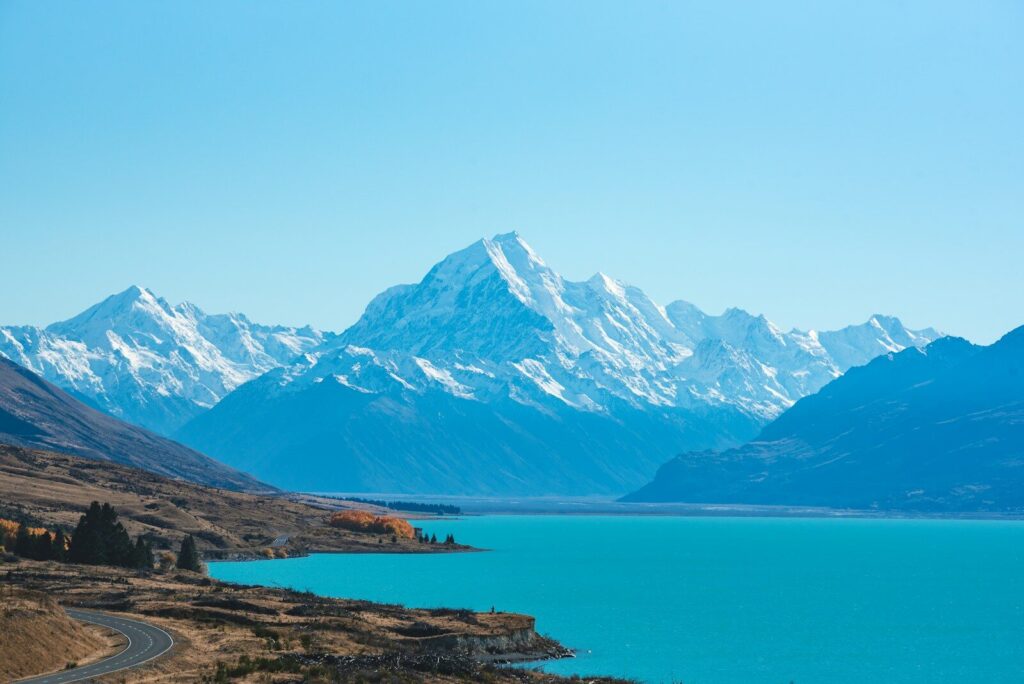
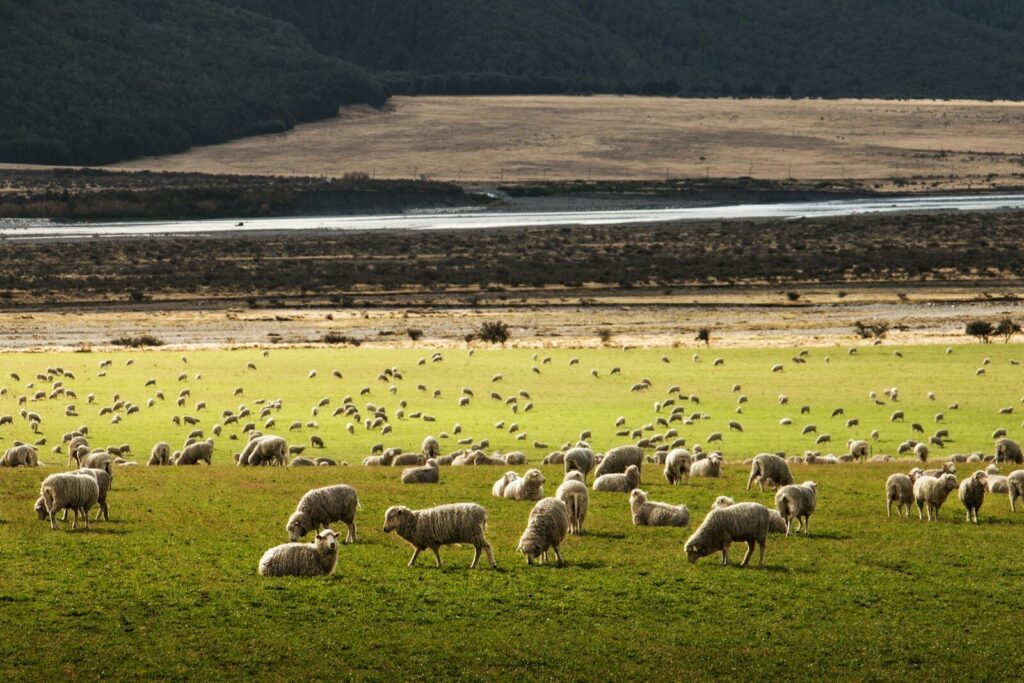
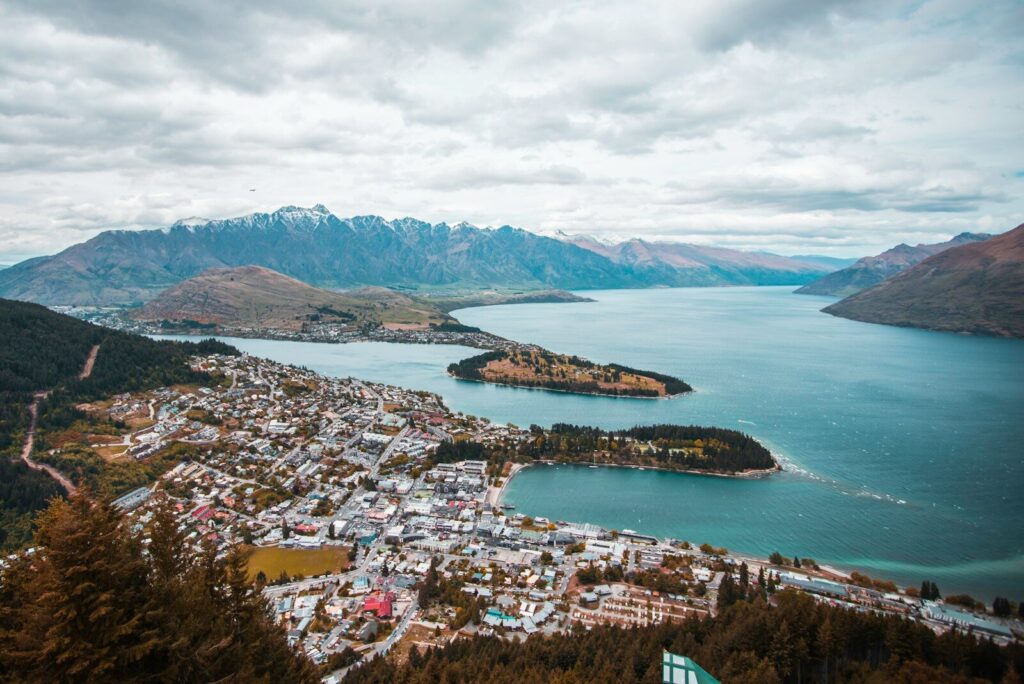
Fiords, volcanic ridges, glacial lakes and farmland: the product your clients are buying.
A country sold on its conservation land
Most of what operators sell in New Zealand sits on public conservation land or depends on it. That is why the policy changes of the last two years matter more here than in most destinations: they hit the product itself, not just the airfare.
- →Three World Heritage areas: Te Wāhipounamu in the South West, Tongariro National Park and the Subantarctic islands (Department of Conservation, consulted 20 Nov 2026).
- →Te Wāhipounamu is large: about 2.6 million hectares, roughly 10% of the country's land, including Fiordland, Mount Aspiring, Mount Cook and Westland national parks (UNESCO World Heritage Centre, consulted 20 Nov 2026).
- →Visitors already pay a levy: most international visitors pay the NZ$100 International Visitor Conservation and Tourism Levy when they request an NZeTA or apply for a visa (MBIE, consulted 20 Nov 2026).
- →Tiered pricing is not new: on most Great Walks, DOC charges international walkers more than New Zealand residents (DOC Great Walks pricing page, consulted 20 Nov 2026).
"This status recognises the park's important Māori cultural and spiritual associations as well as its outstanding volcanic features."
Department of Conservation, on Tongariro National Park's dual World Heritage status
When to go, season by season
Temperatures below are 1991 to 2020 normals for Queenstown Airport, the South Island's main leisure gateway, from the climate table on Wikipedia, which attributes them to NIWA and Weather Spark. The southern hemisphere calendar inverts European seasons, so a European winter programme lands in the New Zealand summer.
Winter · June to August
Mean daily max 8.2°C, min -1.4°C in July. Queenstown sells ski product. Alpine roads and walks are weather dependent, so build buffer days into any itinerary that crosses the Southern Alps.
Spring · September to November
Mean daily max 15.4°C, min 4.4°C in October. Great Walks season pricing applies from 1 November 2026 on the Milford and Routeburn tracks (DOC). Air New Zealand's relaunched Christchurch routes start on 28 October (Singapore), 28 November (Tokyo Narita) and 30 November 2026 (Perth) (Christchurch Airport, 20 May 2026).
Summer · December to February
Mean daily max 22.0°C, min 9.9°C in January. DOC's Great Walks season hut fees on the Milford Track (NZ$152 per night for international adults, NZ$106 for New Zealanders) apply from 1 November 2026 to 30 April 2027. In our experience, long-haul seats from Europe fill around the holidays. Contract early.
Autumn · March to MayRecommended
Mean daily max 15.2°C, min 4.5°C in April. In our view the strongest window for touring groups: still inside the Great Walks season, which runs to 30 April, in March and April, with mild days for coach touring between the lakes and the West Coast.
Choosing your base
Three gateways, three roles in the itinerary: where groups land, where they base for the south, and where the South Island's long-haul access is growing.
Auckland
The main international entry point. Auckland Airport counted 19.04 million passengers in the year to 30 June 2026, of which 10.5 million international including transits and 8.6 million domestic (1News, 20 Aug 2026). For groups it is the arrival and recovery night, and the hub for domestic connections south. The airport also reported that seat capacity fell 6% below planned levels in the final four months of that year (1News, 20 Aug 2026), so check seat availability before you price a fixed departure. Best for: arrival, North Island circuits, MICE.
Queenstown
The leisure hub of the south. Queenstown Airport recorded 2.82 million passenger movements in the year to 30 June 2026, and more than one million international movements for the first time, which the airport said highlights the importance of Australia as a key market (Queenstown Airport, 19 Aug 2026). It is the natural base for Fiordland day programmes and for ski product in winter. Our Fiordland Travel Guide covers the Milford Sound side of the programme. Best for: FIT, incentive groups, ski, Fiordland.
Christchurch
The South Island's long-haul door. Air New Zealand is adding non-stop flights from Christchurch to Singapore (scheduled from 28 October 2026), Tokyo Narita (from 28 November) and Perth (from 30 November), routes it last flew in 2020 (Singapore), 2015 (Tokyo Narita) and 2019 (Perth) (Air New Zealand, 20 May 2026). South Island airports together handled 1.05 million overseas arrivals in the June 2026 year, up from 881,300 (RNZ via ODT, 14 Aug 2026). Useful for open-jaw itineraries: land in Christchurch, leave from Auckland or Queenstown. Best for: open-jaw touring, Aoraki/Mount Cook, West Coast.
What to eat
Visitors spent NZ$2.07 billion on dining in the year to June 2026, according to Tourism New Zealand's International Visitor Survey release (8 Sep 2026). In our experience, food is easy to programme for groups.
Hāngī
Meat and vegetables cooked in an earth oven, usually booked as part of a Māori cultural experience.
Green-lipped mussels
Steamed or in chowder.
Lamb
The standard main course on group menus.
Whitebait fritters
A seasonal dish on the West Coast.
Bluff oysters
From the far south, seasonal.
Kūmara
Sweet potato, roasted or as chips.
Pavlova
Meringue with cream and fruit.
Hokey pokey ice cream
Vanilla with honeycomb toffee.
Did you know?
Ten curiosities to use in client copy, and ten moments of history that explain what your clients will see.
Sign language is an official language
Bats are the only native land mammals
The heaviest parrot in the world cannot fly
The tuatara is the last of an ancient reptile order
The famous glow-worms are not worms
Aoraki/Mount Cook is 30 metres lower than once recorded
The night sky has its own reserve
A river is a legal person
The best-known haka has a legally recognised author
A bird thought extinct twice was found again in 1948
Polynesian voyagers arrived around 1250 to 1300 CE
Abel Tasman made the first known European contact in 1642
James Cook landed at Tūranganui-a-Kiwa in 1769
The Treaty of Waitangi was first signed in 1840
The New Zealand Wars were fought from 1845 to 1872
Women won the vote in 1893
Gallipoli landing in 1915
The Statute of Westminster was adopted in 1947
Edmund Hillary reached the summit of Everest in 1953
New Zealand became nuclear free in 1987
Before you go
Most visitors pay the NZ$100 IVL each time they request an NZeTA or apply for a visa, and it is non-refundable. Exempt, among others: Australian passport holders, passport holders of many Pacific Island nations, and holders of a Business Visitor Visa or APEC business travel card (MBIE, consulted 20 Nov 2026). Build the levy into the quote, not the extras.
Everyone entering New Zealand must complete a New Zealand Traveller Declaration before reaching passport control; New Zealand Customs asks travellers to complete it digitally before the flight (NZ Customs, page updated 12 Nov 2024). MPI notes a paper declaration is available for those who cannot complete it online.
A false or incorrect declaration carries an NZ$400 infringement fee, the "instant fine" (MPI, last reviewed 7 May 2024). Brief groups on food, outdoor gear and footwear before landing.
DOC ran targeted consultation between June and August 2026 on charges for international visitors at Cathedral Cove, the Tongariro Alpine Crossing, Aoraki/Mount Cook and Milford Sound. New Zealanders and residents will continue to access conservation land for free. Amounts and start date are not on DOC's page, and the bill must become law first (DOC, consulted 20 Nov 2026). Quote 2027 product with a clause for new access fees.
Safety: the UK FCDO lists no areas of New Zealand under advice against travel (gov.uk, still current at 19 Nov 2026). The US State Department advises travellers to "exercise normal precautions" (travel.state.gov, consulted 20 Nov 2026; the page shows no issue date). Check both before departure.
For walking programmes, DOC's Great Walks bookings are open for stays to 30 June 2027 (DOC, consulted 20 Nov 2026). Hold Great Walks huts and Tongariro Alpine Crossing transport first, then build flights and hotels around them: DOC says a track booking is required for shuttle and guided walk services on the Crossing. In our experience, a Tour Leader who knows the hut system saves days of re-routing.
Common questions
Do Australian clients pay the NZ$100 levy?
Will Milford Sound cost more in 2027?
Is Christchurch a realistic long-haul arrival point?
Where this comes from
Primary sources first, consulted between 19 and 20 November 2026. Dates are the publication or update date shown on each page, or the consultation date where the page shows none.
Tourism New Zealand, 14 Aug 2026: New Zealand reaches 3.7 million international visitor arrivals. Tourism New Zealand, 8 Sep 2026: international visitor spending. Hon Louise Upston, Minister for Tourism and Hospitality, 14 Aug 2026: Overseas visitor numbers keep climbing. RNZ via Otago Daily Times, 14 Aug 2026: South Island record levels.
Air New Zealand newsroom, 20 May 2026: Christchurch expansion. 1News, 20 Aug 2026: Auckland Airport posts $309 million profit. Queenstown Airport, 19 Aug 2026: FY26 results. Christchurch Airport, 20 May 2026: major international expansion.
Department of Conservation, consulted 20 Nov 2026: international visitor access charges, Great Walks, Great Walks pricing (no visible date), Tongariro National Park, World Heritage. UNESCO World Heritage Centre, consulted 20 Nov 2026: Te Wahipounamu, South West New Zealand. DOC, consulted 20 Nov 2026: Conservation Amendment Bill, Milford Track fees and bookings. Electoral Commission, consulted 20 Nov 2026: 2026 General Election key dates. Scoop, Oct 2024: Tuatapere Hump Ridge Track becomes the eleventh Great Walk.
MBIE, consulted 20 Nov 2026: IVL information for visitors. New Zealand Customs Service, updated 12 Nov 2024: On your arrival. Ministry for Primary Industries, last reviewed 7 May 2024: What happens if you fail to declare.
UK FCDO, still current at 19 Nov 2026: New Zealand travel advice. US Department of State, consulted 20 Nov 2026 (no issue date shown): travel advisory.
Climate table from Wikipedia (Queenstown Airport, 1991 to 2020), attributed to NIWA and Weather Spark, used for temperatures only: Queenstown.
New Zealand Legislation, Act assented 20 Jul 1987: Māori Language Act 1987. New Zealand Legislation, Act assented 10 Apr 2006: New Zealand Sign Language Act 2006. New Zealand Legislation, Act assented 20 Mar 2017: Te Awa Tupua (Whanganui River Claims Settlement) Act 2017. Department of Conservation, undated: Bats/pekapeka, Kākāpō. Department of Conservation, changed 5 Jun 2024: The takahē story. Encyclopaedia Britannica, undated: Tuatara. Te Ara, the Encyclopedia of New Zealand, undated: Glow-worms. University of Otago, 16 Jan 2014: Otago-led study revises height of Aoraki/Mt Cook. DarkSky International, undated: Aoraki Mackenzie Dark Sky Reserve. MBIE, undated: Haka Ka Mate Attribution Act guidelines. Te Ara, updated 1 May 2016: When was New Zealand first settled?. NZHistory, Ministry for Culture and Heritage, undated: First contact between Māori and Europeans, The Treaty of Waitangi is signed, Hillary and Tenzing reach the summit of Everest, New Zealand becomes nuclear free. Te Ara, updated 1 Oct 2026: European discovery of New Zealand: James Cook's first voyage. Encyclopaedia Britannica, updated 23 Jul 2026: New Zealand Wars. Ministry for Women, undated: History of women's suffrage in Aotearoa New Zealand. NZHistory, updated 4 Dec 2019: Gallipoli in brief. Te Ara, undated: Self-government and independence: Statute of Westminster.