
Riga Travel Guide
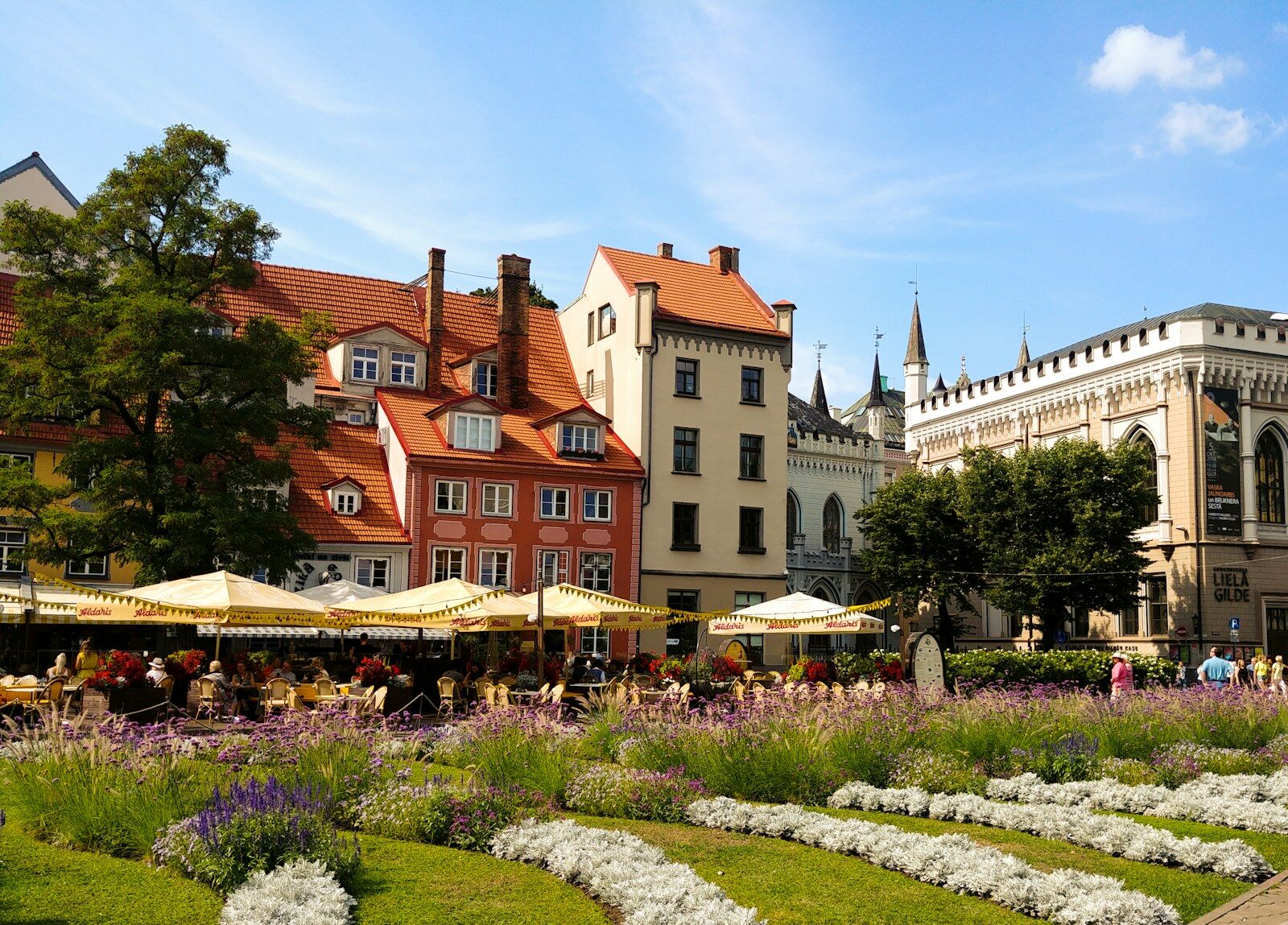
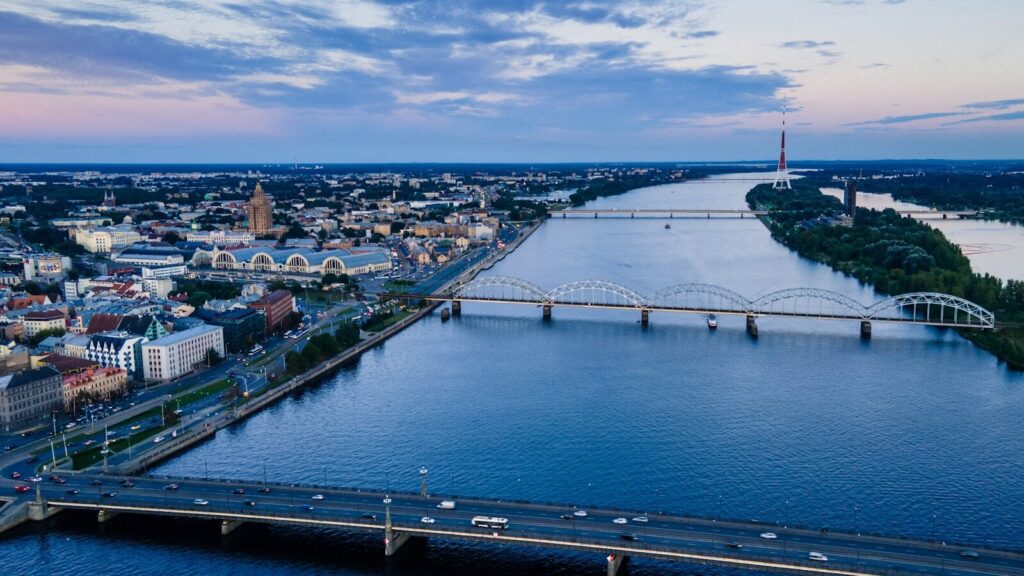
The largest of the Baltic capitals sits where the Daugava river meets the Gulf of Riga, its skyline a layered argument between Gothic spires, Art Nouveau flourishes and Soviet-era concrete. Riga was a Hanseatic trading post eight centuries before it was a photogenic backdrop, and it still moves like a working port city that happens to be extraordinarily beautiful.
- Medieval Old Town
- Europe's Art Nouveau capital
- Hanseatic port history
- Baltic Sea gateway
Riga, frame by frame
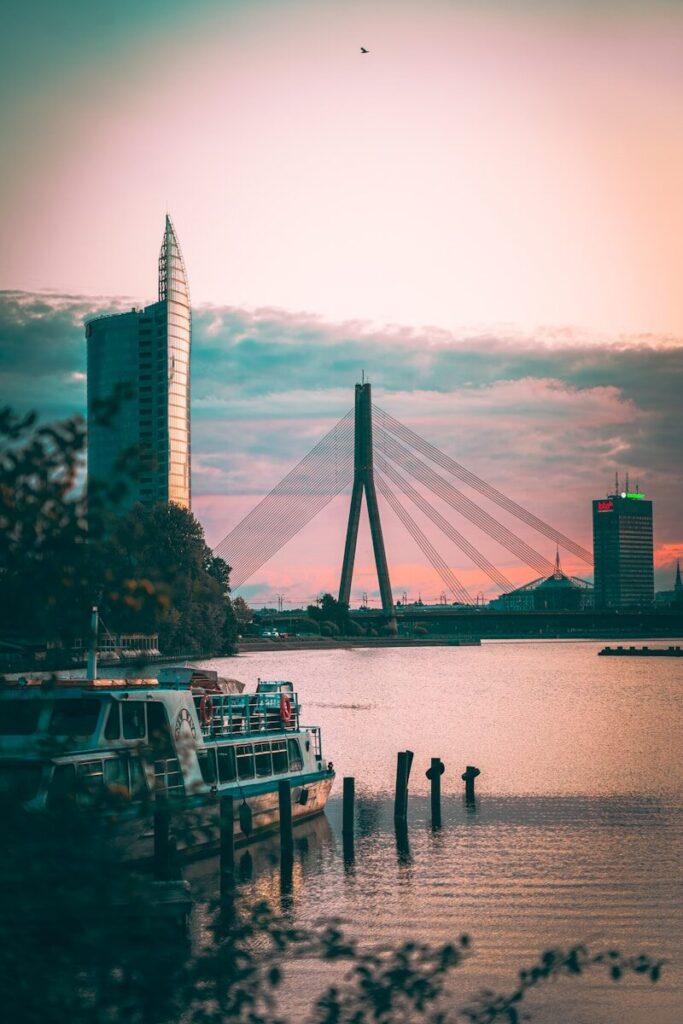
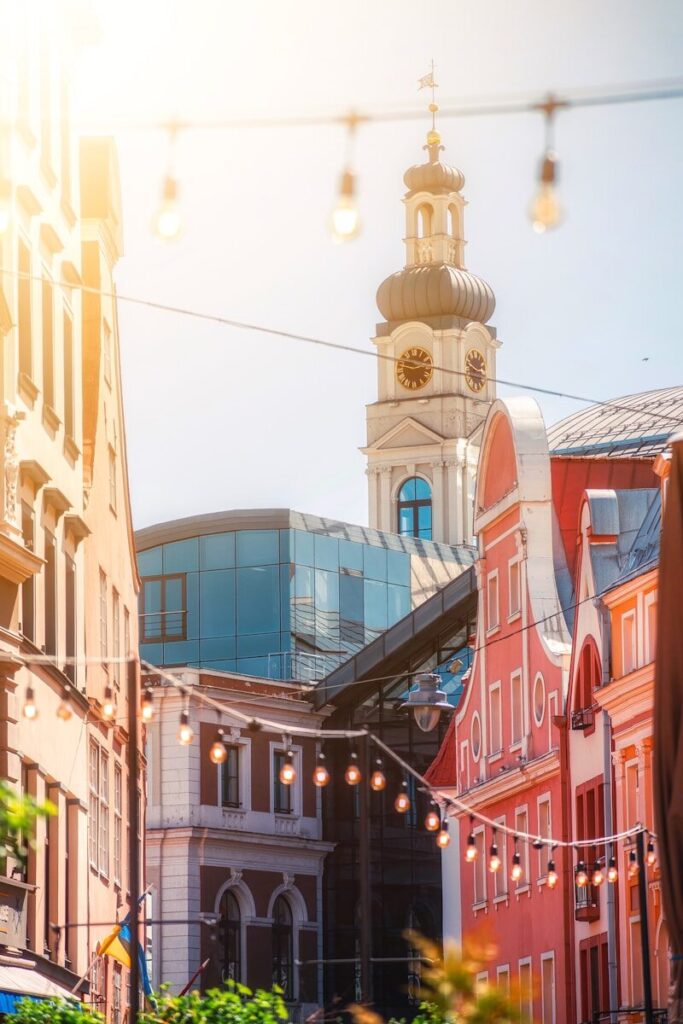
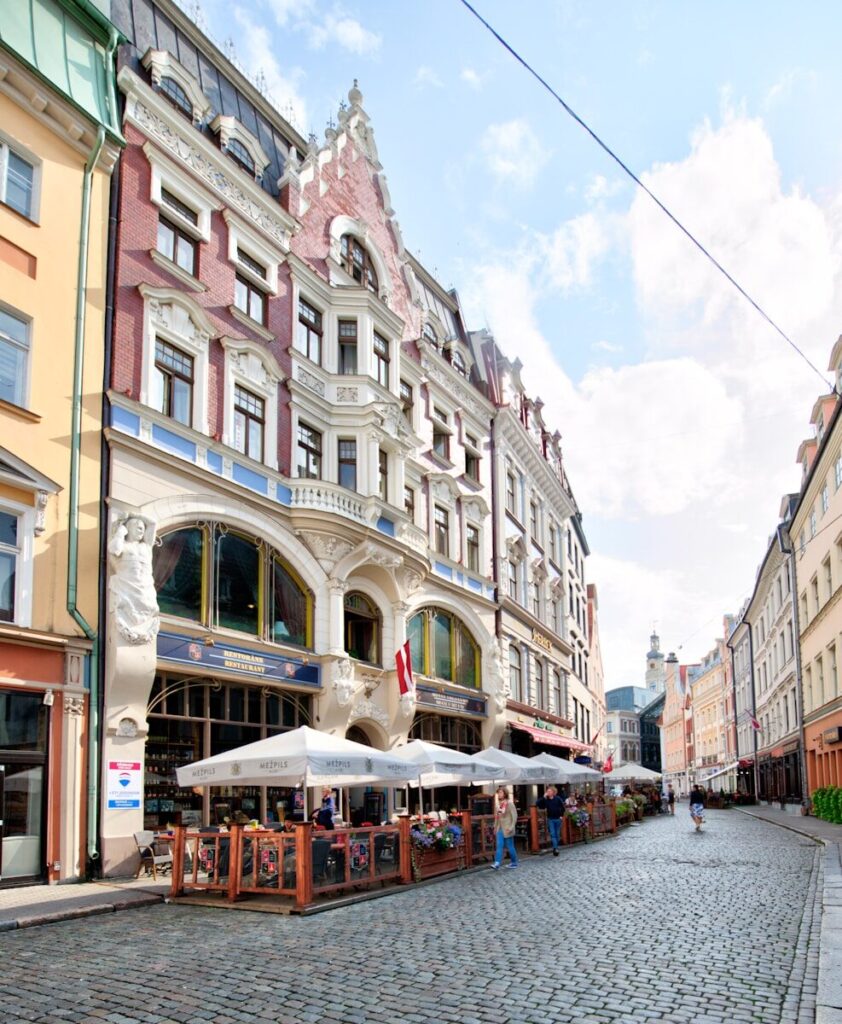
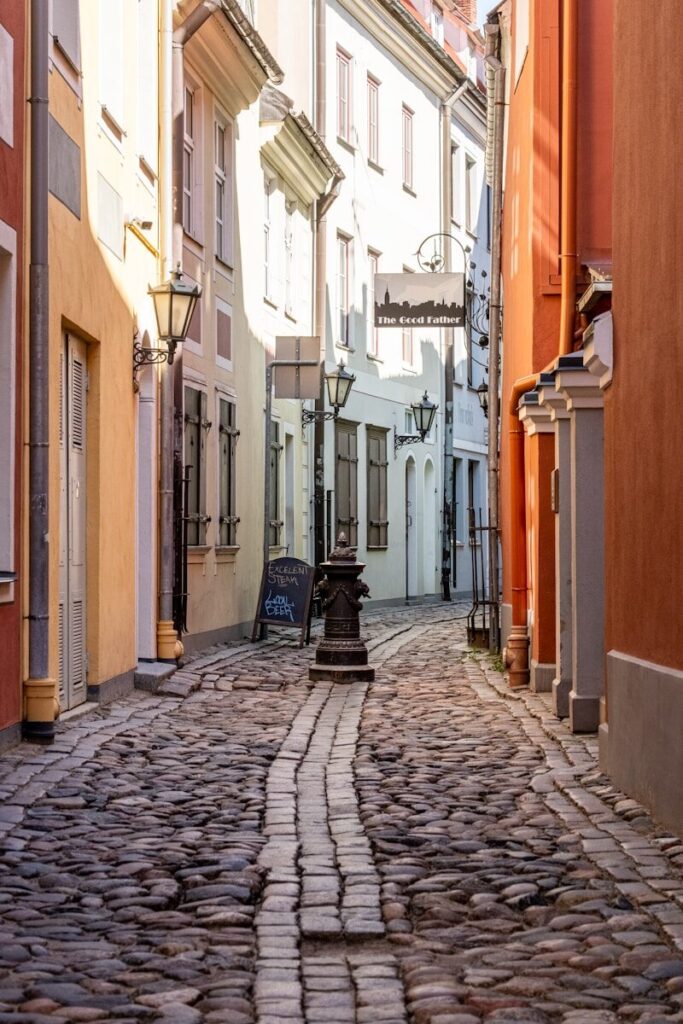
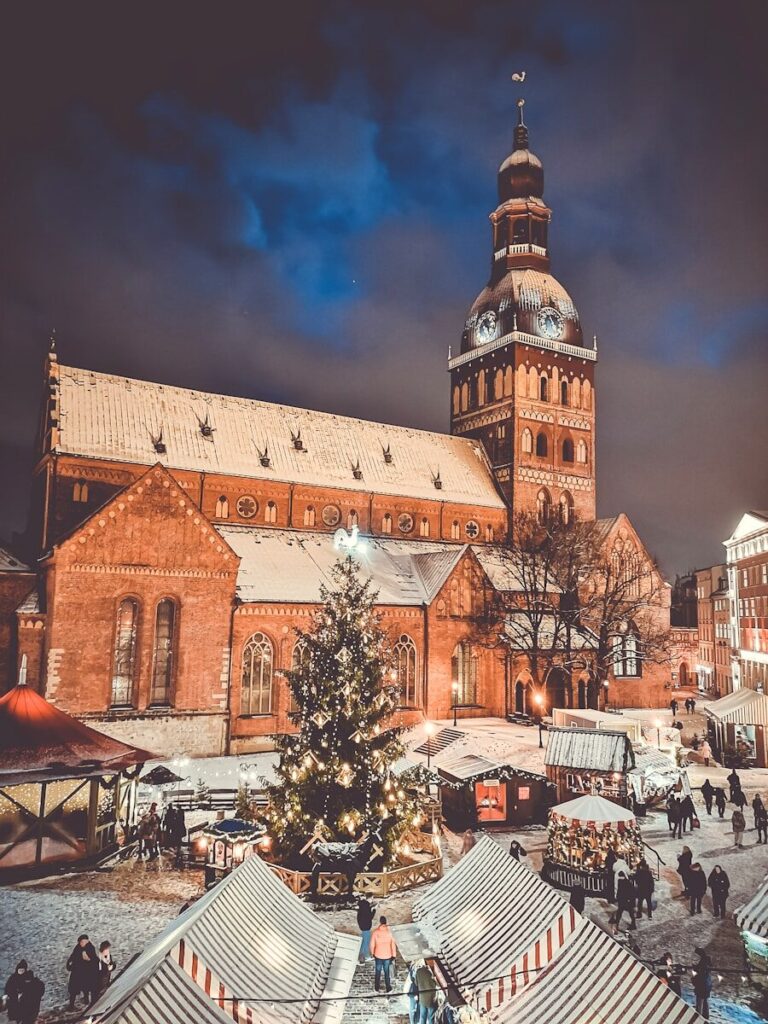
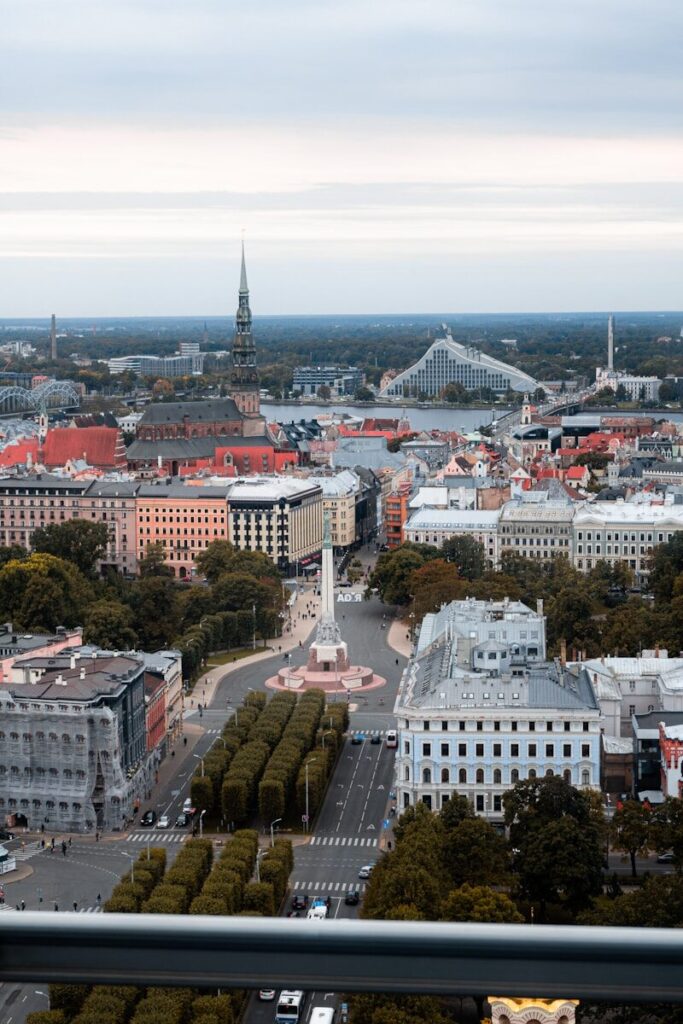
A first look at the city before you go: medieval spires, sculpted facades, and the hangars that became a market.
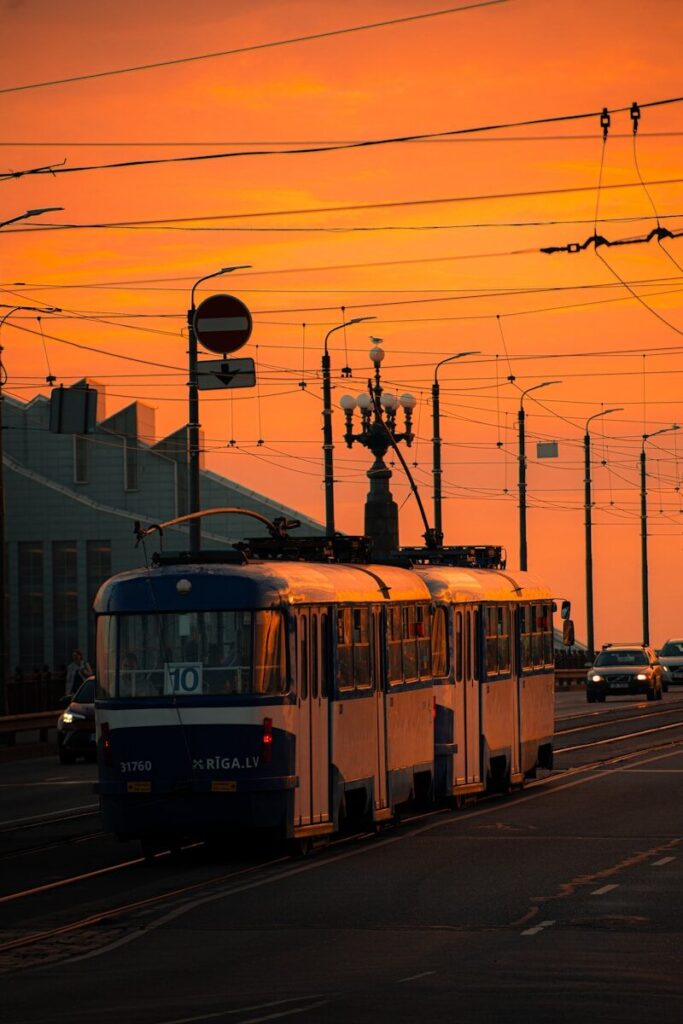
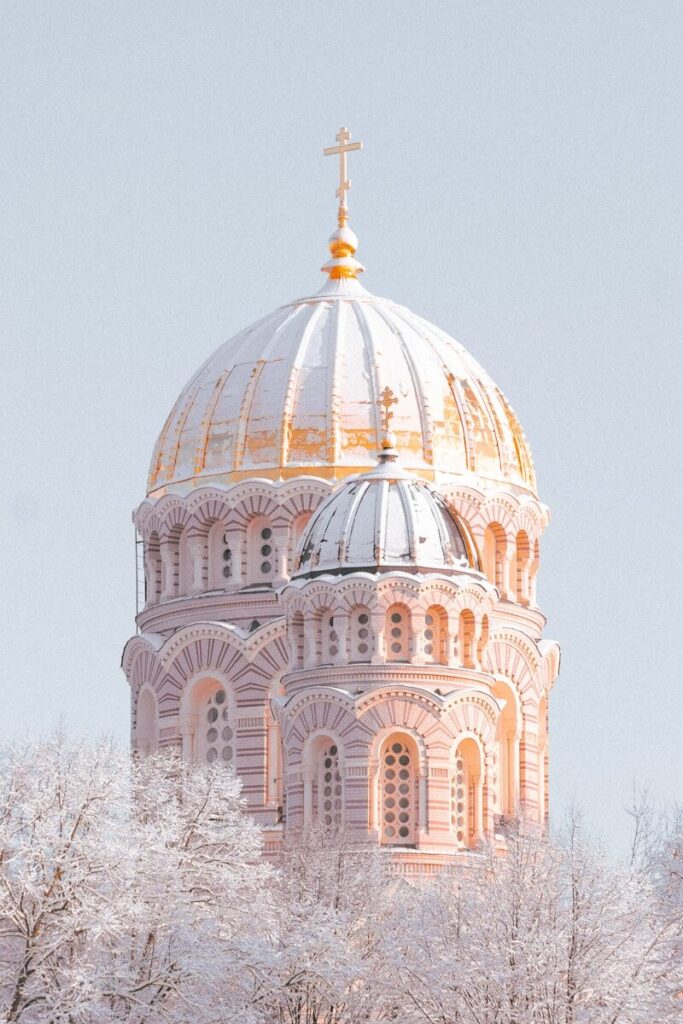
A Hanseatic port wearing three different centuries at once
Riga was founded in 1201 as a bishop's stronghold at the mouth of the Daugava, and it grew rich the way every Hanseatic town did: by taxing everything that passed through on its way from Novgorod to Lübeck. That money built Vecrīga, the walled medieval core that is now a UNESCO World Heritage Site, all narrow lanes, guildhalls and church towers that once doubled as navigation points for river traffic. When the city outgrew its walls in the 19th century, it didn't build timidly — it built Jugendstil, the local flavor of Art Nouveau, block after block of sculpted faces, wrought iron and floral stonework that architectural historians now rank among the finest concentrations anywhere in Europe. In between the medieval and the ornate sits everything else Riga actually is: a Baltic capital of just over 600,000 people that spent fifty years behind the Iron Curtain, sang its way back to independence, joined the EU and NATO in the same year, and now runs on the euro and free Wi-Fi. It rewards travelers who wander without an itinerary as much as those chasing landmarks off a list.
- → Cobbled Old Town lanes that open suddenly onto Gothic spires and hidden courtyards
- → Wide 19th-century boulevards lined with carved Art Nouveau facades and lime trees
- → A working river port still shaped by eight centuries of Hanseatic trade routes
- → History stacked in visible layers, from medieval guildhalls to Soviet-era housing blocks
“Riga doesn't perform its history for visitors — it just keeps living inside it, one gabled roofline at a time.”
Teekonda small-group feelWhen to go, season by season
Riga sits on the same latitude as Moscow and southern Scandinavia, so its climate is properly continental with a Baltic Sea twist: cold winters, short glorious summers, and a lot of grey in between. Humidity from the sea and the Daugava makes both the winter cold and summer warmth feel a little more intense than the thermometer suggests, so layers earn their keep in every season.
Spring · Mar–May
March arrives still cold and often grey, but by May the parks are green, café terraces reopen, and temperatures climb toward a mild 16°C. It's a quiet, good-value season with far fewer visitors than summer.
Summer · Jun–Aug Recommended
The best window for most travelers: 20–24°C days, close to 18 hours of daylight around the solstice, open-air concerts, and the midsummer festival of Jāņi filling the city with birch branches and bonfires. Book accommodation early — this is peak season.
Autumn · Sep–Nov
September holds onto summer's warmth and light crowds, making it arguably the smartest month to visit. By late October the trees turn gold in Bastejkalns park, and November settles into a damp, early-dark chill.
Winter · Dec–Feb
Genuinely cold, often below freezing, with snow that turns Old Town's rooftops properly picturesque. December's Christmas market on Town Hall Square is the reward for braving the short daylight hours.
Choosing your base
Riga is compact enough to walk most of it, so choosing a base is more about atmosphere than logistics. These three areas cover the range, from postcard medieval to leafy and residential.
Old Town
The walled medieval core, all cobblestones, church spires and the House of the Blackheads facing Town Hall Square. It's the obvious first-timer's choice — everything is within a ten-minute walk — and genuinely lovely early in the morning before the day-trip crowds arrive.
Art Nouveau District
North of the Old Town along Alberta and Elizabetes iela, this is Riga's grandest 19th-century quarter: wide tree-lined streets, embassies behind wrought-iron gates, and the sculpted, almost theatrical facades designed by Mikhail Eisenstein. Quieter at night, still a short walk from everything.
Beyond the Center
East of the center, Miera iela's galleries and coffee roasters sit near the Central Market's cavernous former zeppelin hangars, while the wooden-house Kalnciema Quarter across the river runs a beloved Saturday market. Better value, and a look at how Rigans actually spend their Saturdays.
What to eat
Rupjmaize
Dense, dark sourdough rye bread, often faintly sweetened with malt. It's the foundation of nearly every Latvian meal and shows up again, cubed and fried with sugar, as a dessert called maizes zupa.
Pelēkie zirņi ar speķi
Grey peas stewed with fried onion and chunks of bacon, a hearty winter and Christmas classic that tastes closer to chickpeas than to garden peas.
Pīrāgi
Small crescent-shaped pastries stuffed with chopped bacon and onion, sold everywhere from bakeries to bus-station kiosks. Treat them as the local answer to a savory snack on the move.
Aukstā zupa
A cold, bright-pink summer soup made from kefir or buttermilk, beetroot and dill, usually served with a hard-boiled egg on the side. Refreshing in a way that surprises people who assume Baltic food is all heavy and beige.
Skābeņu zupa
A tangy sorrel soup, sharp with early greens and finished with sour cream and egg, that appears on menus the moment spring produce arrives.
Rīgas šprotes
Latvia's answer to smoked sprats, cured and tinned in oil, best eaten simply on rye bread with butter and raw onion, the way locals have snacked on them for generations.
Frikadeļu zupa
A clear broth with small meatballs, carrots and potato, the kind of unglamorous everyday soup you'll find on set-menu boards across the city.
Sklandrausis
A rustic open tart from the Kurzeme region, with a rye crust filled with mashed carrot and potato, sometimes finished with caraway. Look for it at the Central Market or Kalnciema Quarter's Saturday stalls.
Jāņu siers
A firm, caraway-studded cheese made specifically for the Jāņi midsummer festival, when it's paired with beer and eaten late into the almost-nightless June evening.
Debesmanna
A pale pink, whipped semolina mousse made with cranberry juice, light as air and served chilled. It's a genuine nostalgia dish for Latvians and worth ordering purely for the texture.
Riga Black Balsam
The city's iconic bitter herbal liqueur, dark and syrupy, traditionally drunk neat, warmed in tea, or stirred into coffee and even ice cream. Almost every souvenir shop sells a bottle, but it's better tasted first.
Kvass
A lightly fermented, faintly sweet rye-bread drink, low in alcohol and sold from tank trucks on summer streets the way lemonade is elsewhere.
Craft beer
Latvia's small-batch brewing scene, led by names like Valmiermuiža, has grown fast; look for it alongside the more traditional Aldaris and Užavas lagers in Old Town bars.
Did you know?
Riga rewards the kind of curiosity that notices carved cats on rooftops and asks why the market smells faintly of dirigibles.
The Cat House's spiteful architecture
Milda's three stars
More Art Nouveau than anywhere else in Europe
A film director's father designed the prettiest street in town
The Three Brothers
A market built from World War I airship hangars
A flag with a medieval legend attached
A song festival as intangible heritage
The House of the Blackheads rebuilt from scratch
The Corner House's quiet dread
A bishop's stronghold, 1201
A Hanseatic trading hub
Swedish rule and relative calm
Absorbed into the Russian Empire
The boulevards replace the ramparts
Independence, 18 November 1918
Occupation, war, and the Holocaust
Deportations and Soviet rule
The Singing Revolution and the Baltic Way
Independence restored, then Europe
Before you go
Latvia is a full Schengen member, so most visitors from the US, UK, Canada and similar visa-exempt countries can stay up to 90 days within any 180-day period without a visa. From late 2026, those same travelers will also need to register online for ETIAS before departure. Requirements shift, so always check current guidance for your nationality before booking.
The Old Town and Art Nouveau district are entirely walkable. Beyond that, Riga's trams, trolleybuses and buses run daily from roughly 5:30am to 11:30pm, and bus 22 connects the airport to downtown in about 30 minutes. Contactless card payment works on almost all public transport and in taxis and ride-hailing apps.
Wi-Fi is widely available in cafés, hotels and public buildings, and EU roaming rules mean travelers with EU SIM plans should have coverage as normal. Visitors from further afield will find eSIMs and prepaid local SIMs both cheap and easy to set up on arrival.
The euro is the currency, and cards are accepted almost everywhere, including on public transport. Keep some cash on hand for the Central Market, where a number of individual stalls are cash-only. Tipping around 10% in restaurants is appreciated but not obligatory; rounding up is the more common local habit.
Entry requirements and local conditions can change — always confirm the latest guidance for your nationality before travelling.
Pack a light rain layer even in July — Baltic weather turns quickly, and the Old Town's cobblestones get slick and slippery whenever it does.
Common questions
Is Riga worth visiting?
How many days do you need in Riga?
Is Riga expensive, and is it safe?
Interested in Riga with Teekonda?
We take small groups to Riga as part of our Baltic itineraries, pairing its medieval streets and Art Nouveau boulevards with the wider story of the region — from Hanseatic trade routes to the Singing Revolution. If Riga's mix of history, architecture and food sounds like your kind of trip, we'd love to plan it with you.
Find a trip


