
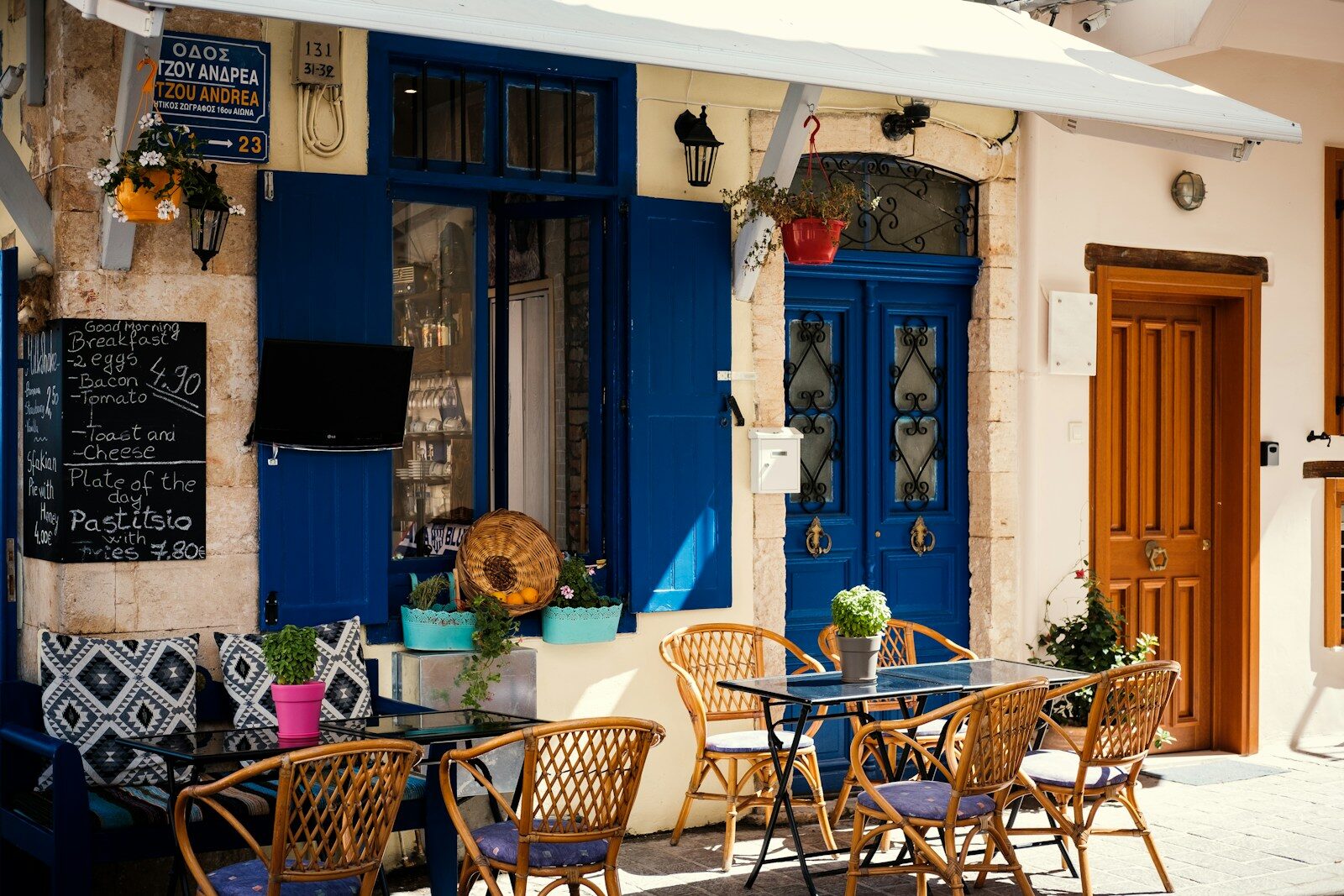
Crete Travel Guide
Greece's largest island, stretched between two seas — where Minoan palaces, mountain gorges and some of the Mediterranean's best beaches share a single, sun-baked stretch of land.
- Birthplace of Minoan civilisation
- Longest gorge in Europe
- Two seas, one island
Crete, frame by frame
A visual pass through the island, from Venetian harbours to mountain gorges.
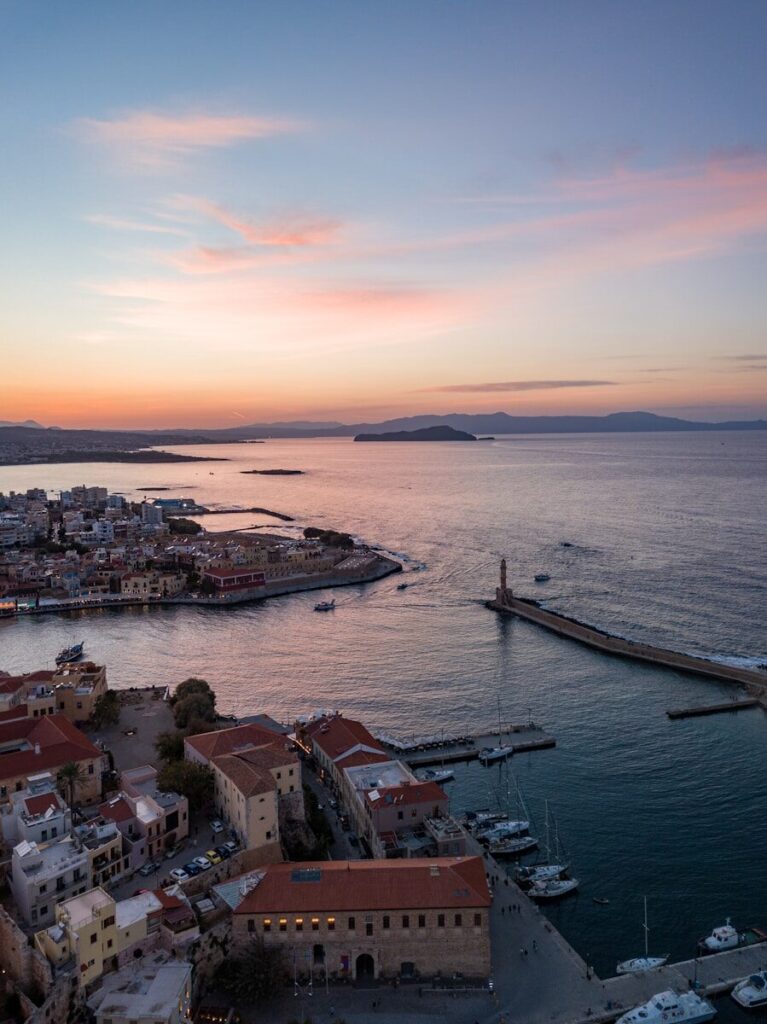
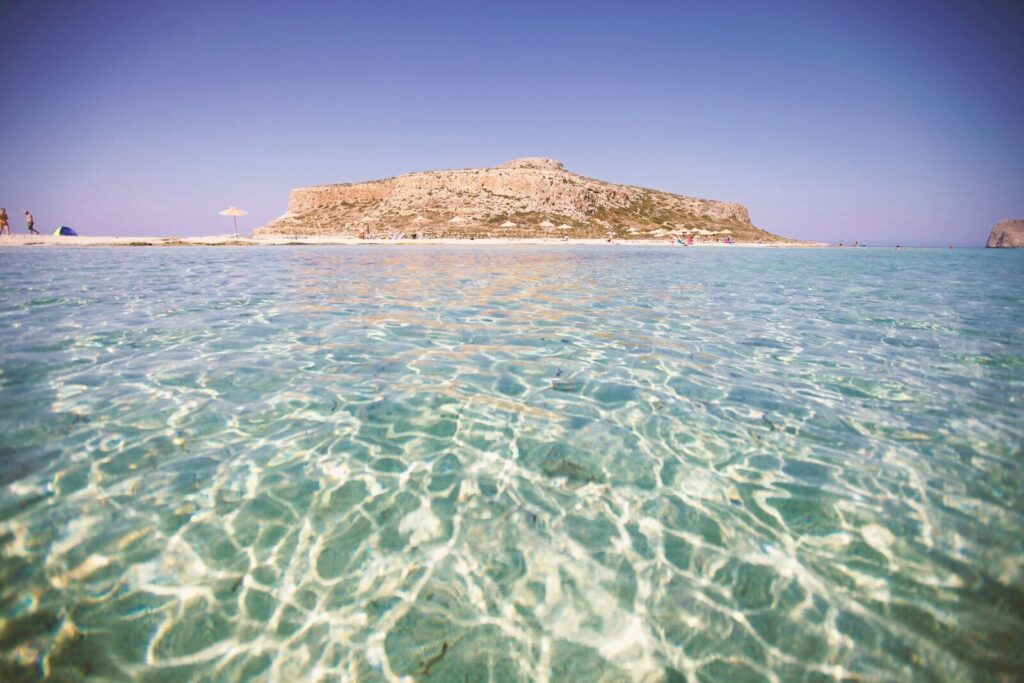
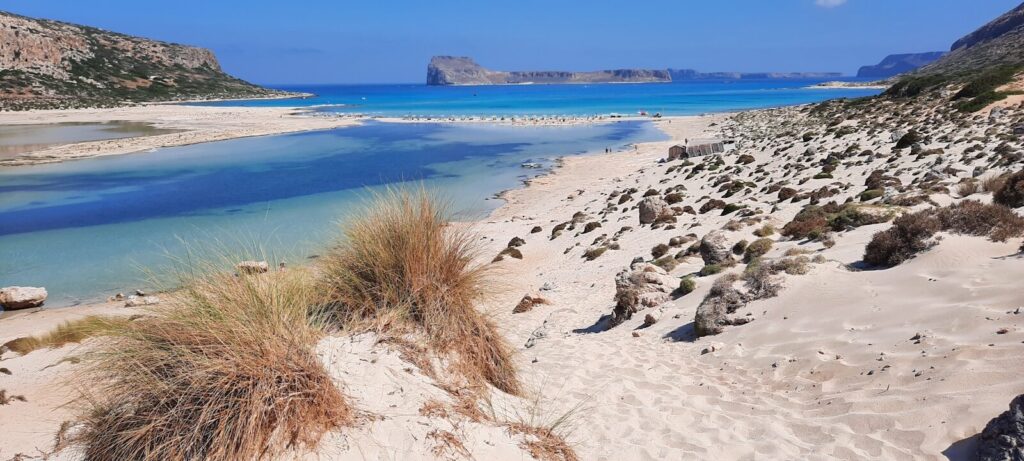
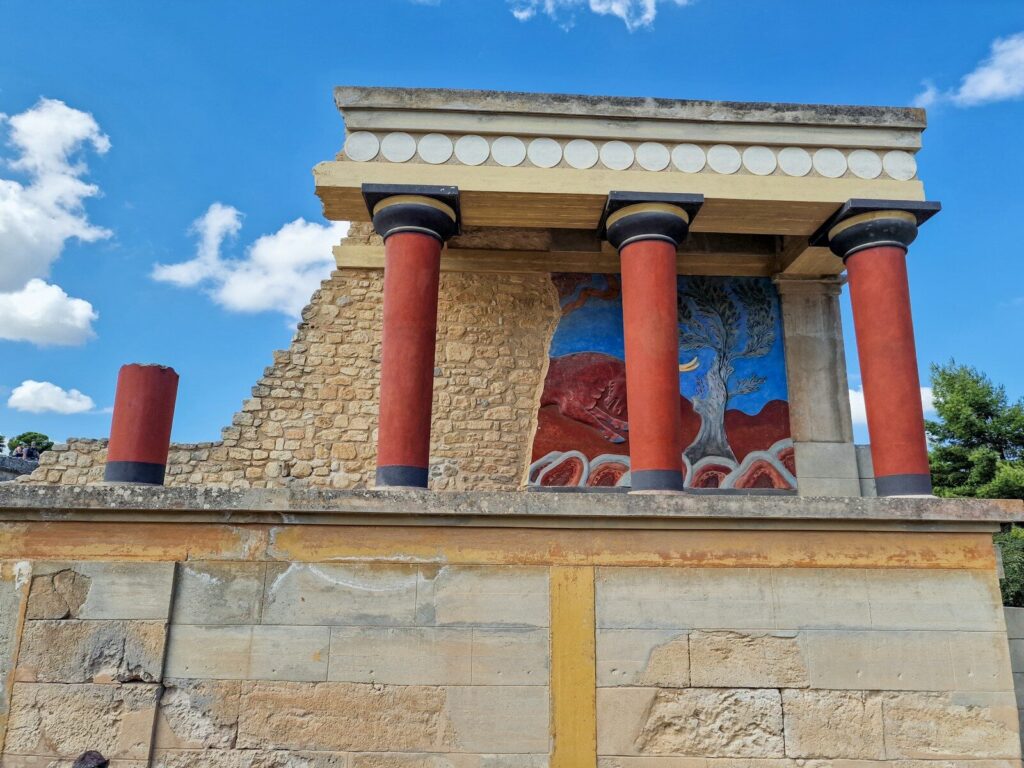
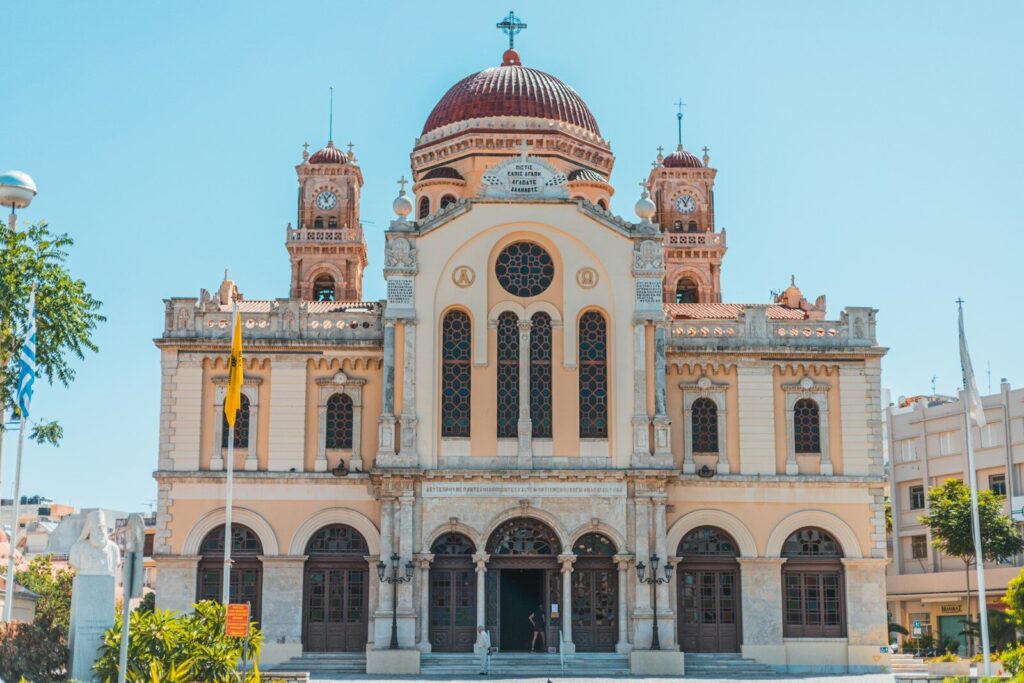
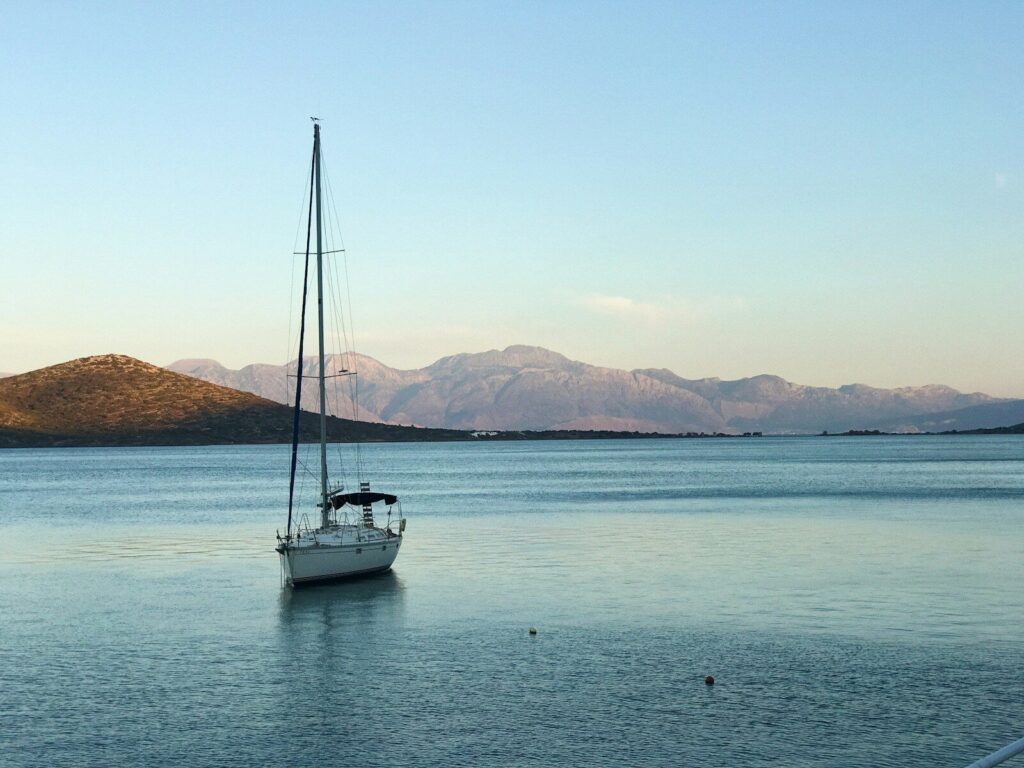
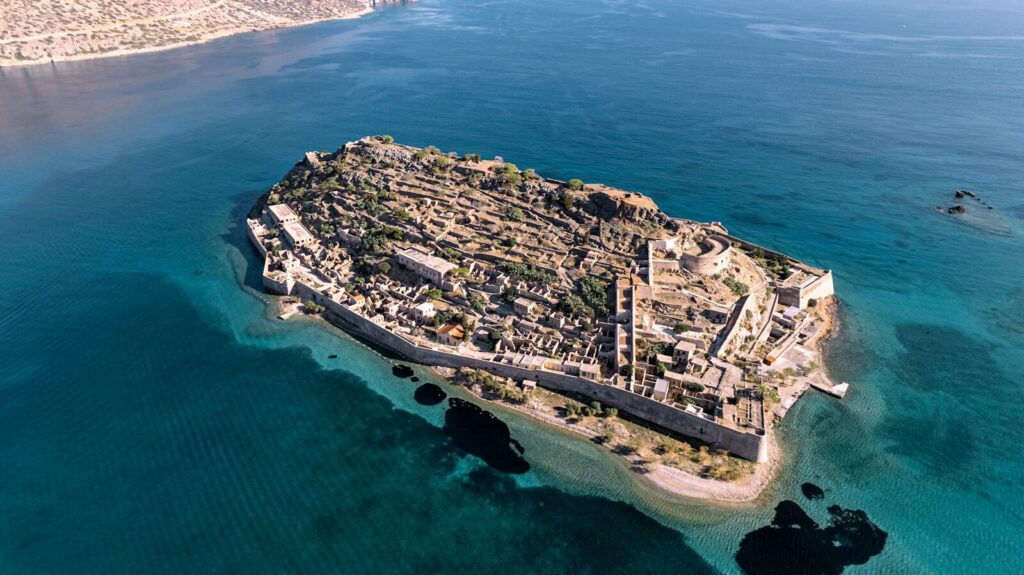
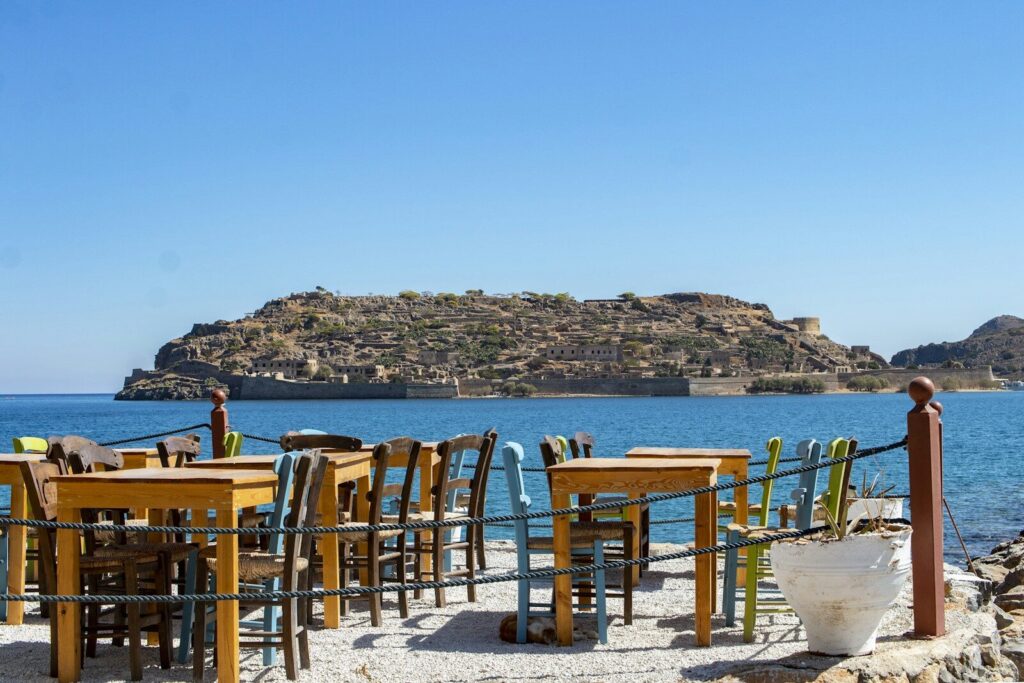
Mountains, gorges and 5,000 years of history between two seas
Crete is less a Greek island than a small country of its own — big enough that the Aegean coast in the north and the wilder Libyan Sea coast in the south feel like different worlds. Snow-capped mountains fold into deep gorges, olive groves run for miles, and the ruins of Europe's earliest civilisation sit quietly outside its busiest city. Use it as a base for gorge hikes, boat trips to hidden coves, and long, unhurried meals built on some of the best cooking in Greece.
- → Ideal for small groups who want a mix of active days — gorge hikes, coastal walks, boat trips — and slow, food-focused evenings.
- → A strong base for history lovers, with Knossos and the Heraklion Archaeological Museum unpacking the Minoan world in depth.
- → Rewards travellers happy to rent a car or join organised transport, since the island's best corners are spread out.
- → Works well as a full week on its own, or combined with a shorter Athens stopover on the way in or out.
“An island where the pace is set by the mountains — slow, unhurried, and worth adjusting to.”
Teekonda small-group feelWhen to go, season by season
Crete has one of the mildest climates in Greece, with a long, dry summer and a short, wetter winter concentrated mostly in the mountains. Its size and shape mean weather can vary noticeably between the north coast, the south coast and the higher villages on the same day.
Spring · Mar–May Recommended
Wildflowers cover the hillsides, gorges reopen after winter closures, and temperatures sit comfortably in the high teens to low twenties — one of the best windows for hiking.
Summer · Jun–Aug
Hot, dry and bright, with daytime highs regularly above 30°C on the coast — excellent beach weather, but plan gorge walks and Knossos visits for early morning.
Autumn · Sep–Oct Recommended
Sea temperatures stay warm well into October while the crowds and prices ease off — arguably the sweet spot for combining beaches, hikes and sightseeing.
Winter · Nov–Feb
Cooler and rainier, with snow settling on the White Mountains — a quieter season better suited to shorter, culture-focused visits than beach time.
Choosing your base
Crete rewards choosing a base by mood — Venetian old town, laid-back harbour, or the gateway to its ancient capital.
The romantic first-timer's base
A beautifully preserved Venetian harbour, tangled old-town lanes and easy access to the White Mountains and Samaria Gorge — the most popular starting point on the island.
Old town and beach in one
A Renaissance-era old town with a Venetian fortress, set right beside a long sandy beach — a quieter, more balanced alternative between Chania and Heraklion.
Gateway to Knossos and the museums
The island's capital and transport hub, minutes from Knossos Palace and home to the Archaeological Museum — practical for history-focused stays and ferry connections.
What to eat
Dakos
A barley rusk topped with grated tomato, mizithra or feta, olive oil and oregano — Crete's signature salad.
Kalitsounia
Small hand-formed pastries filled with sweet mizithra cheese or wild greens, served fried or baked.
Chochlioi Boubouristi
Snails fried in olive oil and flambéed with vinegar and rosemary, a Cretan classic not for the squeamish.
Gamopilafo
Rich 'wedding rice' cooked slowly in meat broth and finished with butter and lemon, traditionally served at celebrations.
Apaki
Smoked, vinegar-marinated pork, thinly sliced or pan-fried, seasoned with local herbs.
Antikristo Lamb
Lamb slow-roasted upright around an open fire for hours, a mountain-village specialty worth seeking out.
Boureki Haniotiko
A Chania-style bake of courgette, potato, mizithra cheese and mint under a crisp pastry top.
Horta
Wild boiled greens dressed simply with olive oil and lemon, a staple side on every Cretan table.
Sfakianopita
A thin, pan-fried pie from the Sfakia region filled with soft mizithra cheese and drizzled with honey.
Kserotigana
Crisp fried pastry ribbons soaked in honey syrup and topped with sesame or walnuts, a festive sweet.
Graviera Cheese
Crete's most famous hard cheese, nutty and slightly sweet, made from sheep's or goat's milk.
Cretan Olive Oil
Some of the world's finest, from centuries-old groves — poured generously over almost everything on the table.
Tsikoudia (Raki)
A strong grape-pomace spirit, offered free after most meals as a gesture of hospitality.
Loukoumades
Warm fried dough balls soaked in honey syrup and dusted with cinnamon, a favourite Cretan dessert.
Did you know?
A mix of everyday quirks and the deeper history that shaped them, split into two quick reads.
Samaria Gorge is the longest gorge in Europe
Two caves both claim to be Zeus's birthplace
Some of the world's oldest olive trees still bear fruit here
Raki is offered as a gesture of hospitality, not a purchase
Crete helped shape the modern idea of the 'Mediterranean diet'
Balos and Elafonisi look tropical, not Greek
Matala's caves once housed a hippie commune
The island has its own dialect and its own instrument
Loggerhead turtles still nest on Cretan beaches
Snow and sea can be visible on the same day
Crete was home to Europe's first advanced civilisation
Knossos Palace held over a thousand interconnected rooms
The myth of the Minotaur is tied directly to Knossos
Sir Arthur Evans excavated and rebuilt parts of Knossos
Crete developed its own early writing systems
Venice ruled Crete for over four centuries
The Ottomans held Crete for over 200 years
Crete only joined Greece in the 20th century
The Battle of Crete was a major WWII turning point
Crete gave Greece two towering cultural figures
Before you go
Greece is part of the Schengen area. Many nationalities can enter visa-free for short stays — check current requirements for your passport before booking.
A rental car is the most practical way to see the island beyond the main towns; roads to remote villages and gorges are narrow and winding. Buses connect major towns, and ferries link Crete to Athens and other islands.
EU roaming or a local e-SIM works well across the island's towns and coast; coverage can thin out in remote mountain areas.
Contactless cards are widely accepted in towns, though small tavernas in remote villages may prefer cash. Tipping isn't obligatory, but rounding up or leaving small change is appreciated.
Entry requirements and local conditions can change — always confirm the latest guidance for your nationality before travelling.
Crete rewards time — its regions are spread far enough apart that rushing between them undercuts the experience. Plan for at least 6-7 days to properly split time between a historic base like Chania or Rethymno, a Knossos day trip near Heraklion, and at least one full day dedicated to a gorge hike or the south coast.
Common questions
How many days do I need in Crete?
Do I need to rent a car in Crete?
What's the best way to hike Samaria Gorge?
Interested in Crete with Teekonda?
Small-group journeys across Greece's largest island, built around its gorges, coastlines and centuries of history.
Find a trip


