
Gili Islands Travel Guide
Twenty minutes off Lombok's north-west coast, three small islands run on tide, bicycle wheels and horse-drawn carts instead of engines. Turquoise reefs, sea turtles and a slower kind of holiday, split three ways between lively, quiet and perfectly balanced.
- Car-free & bicycle-only
- World-class snorkeling & diving
- Three islands, three moods
- Sasak & Indonesian flavors
Gili Islands, frame by frame
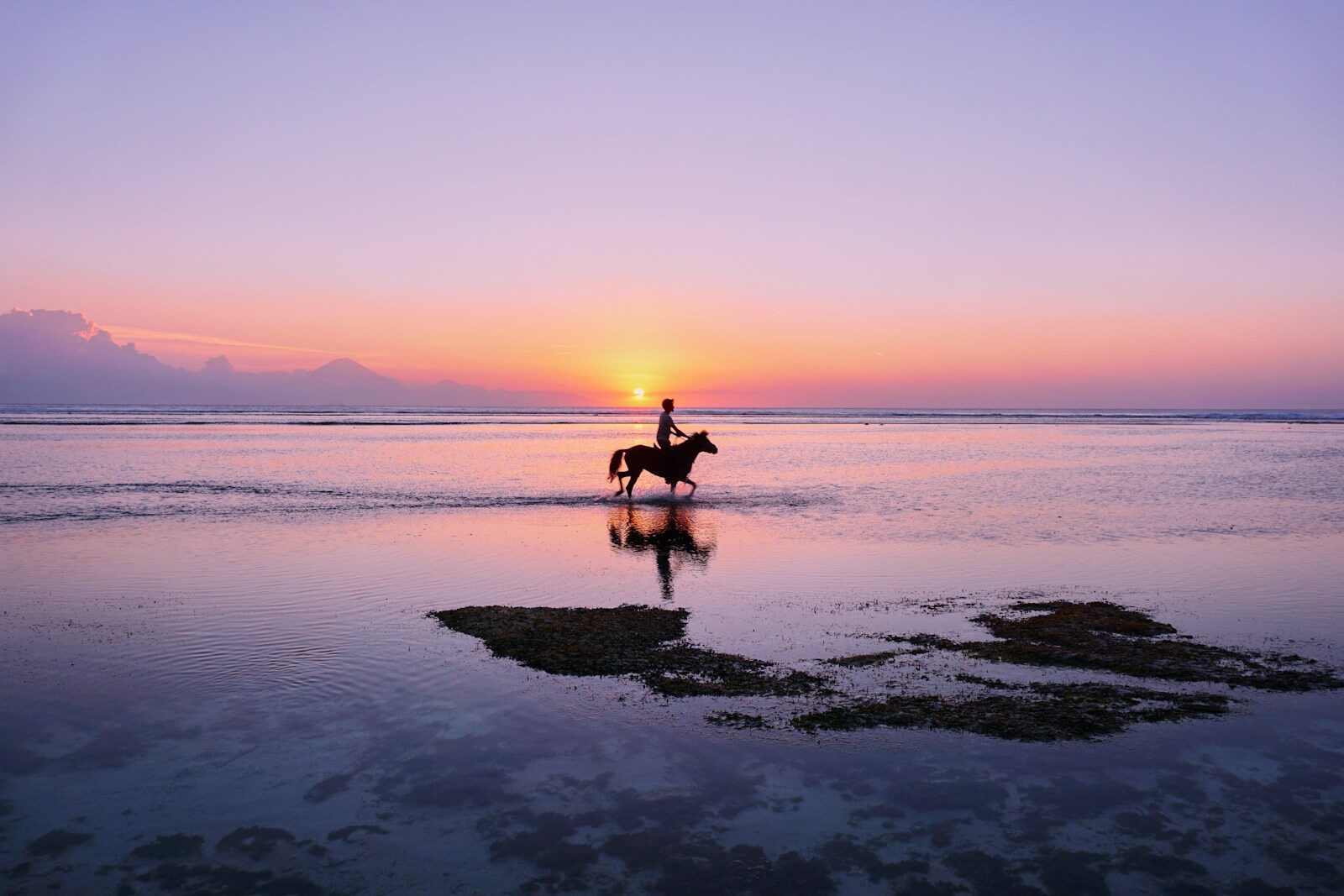
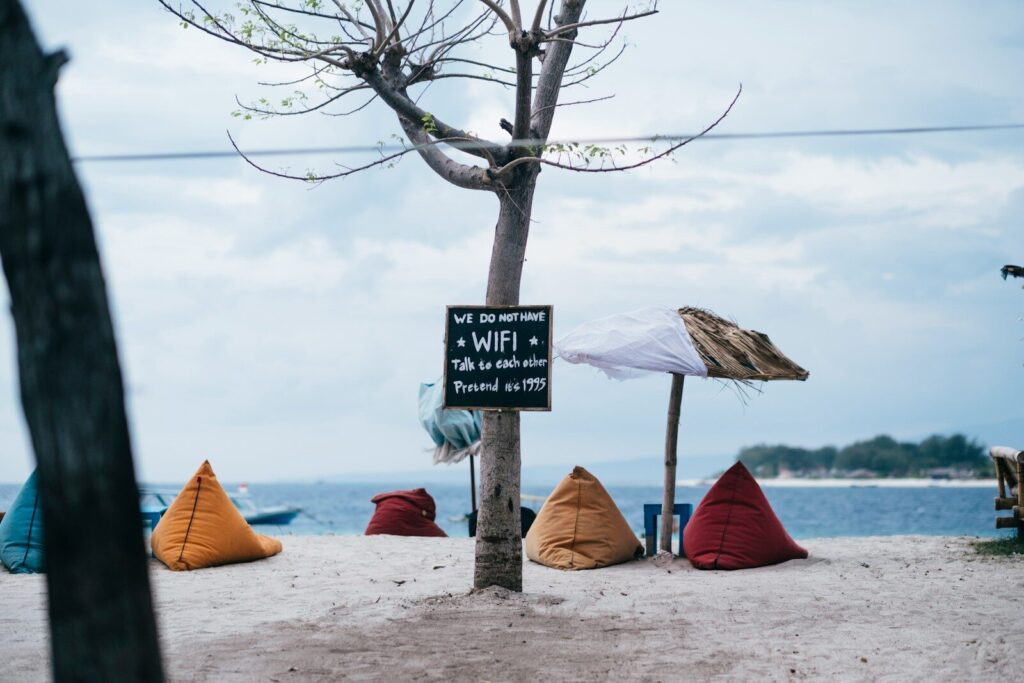
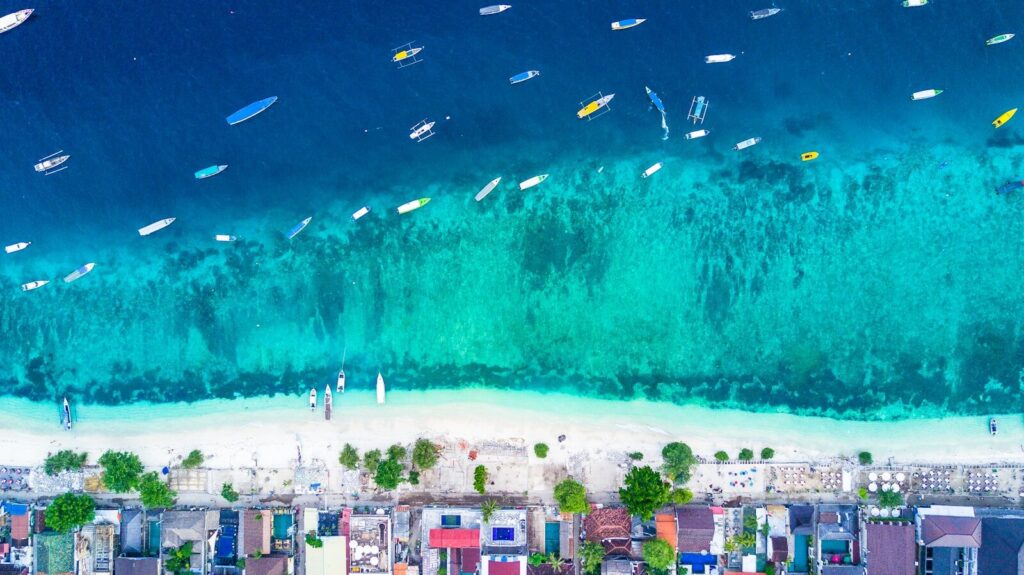
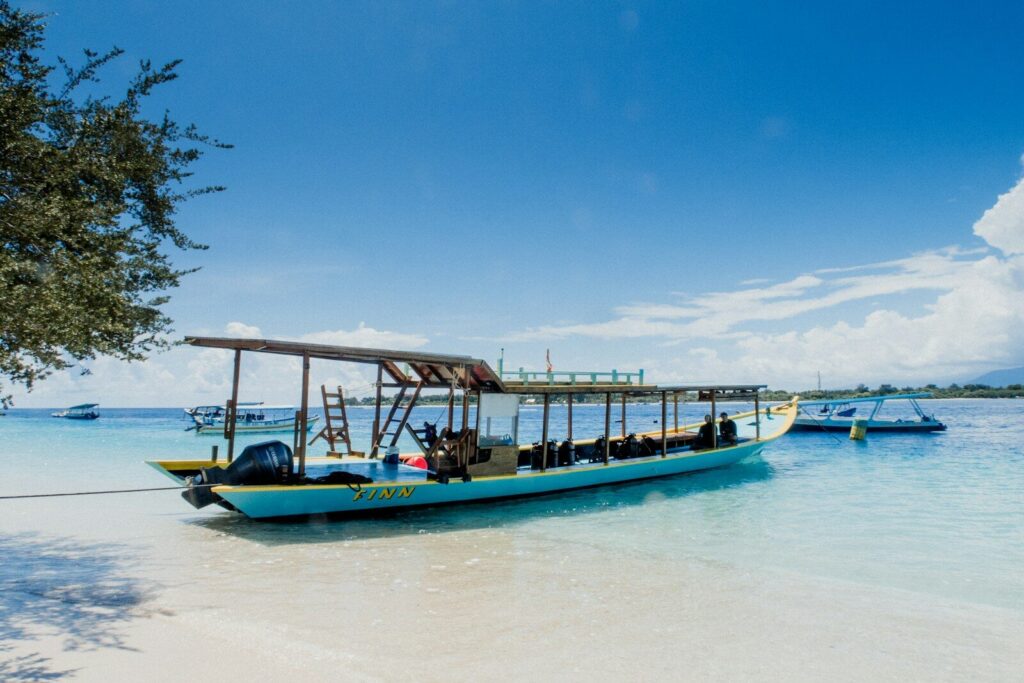
A few frames of what a few unhurried days on the Gilis actually look like.
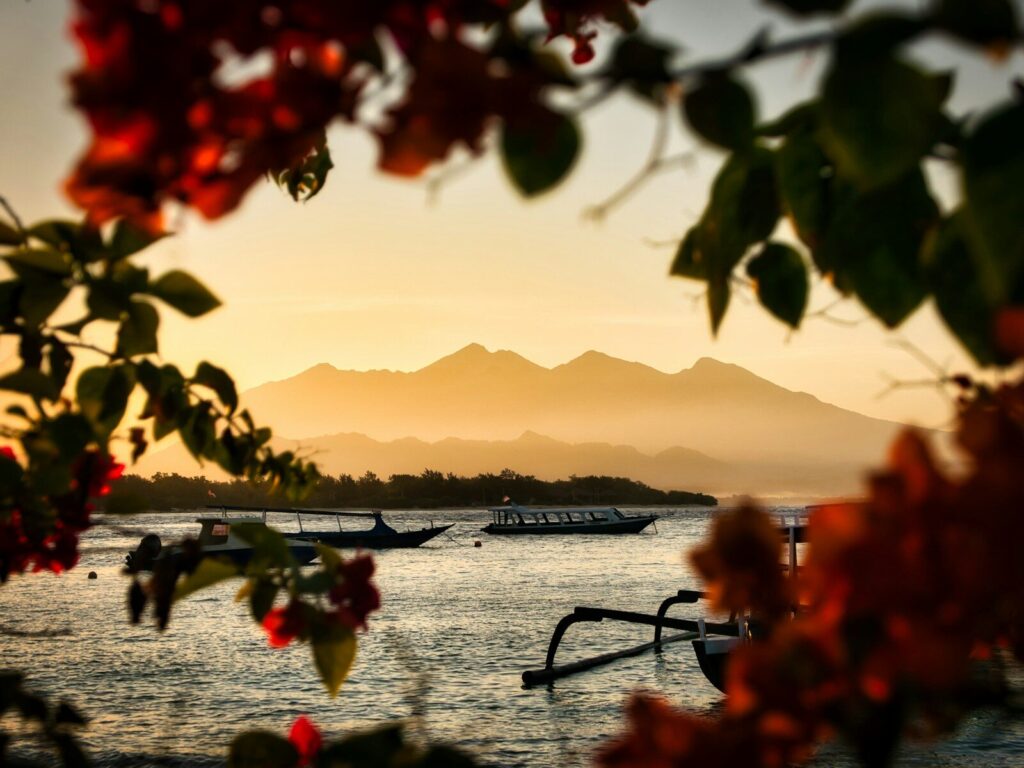
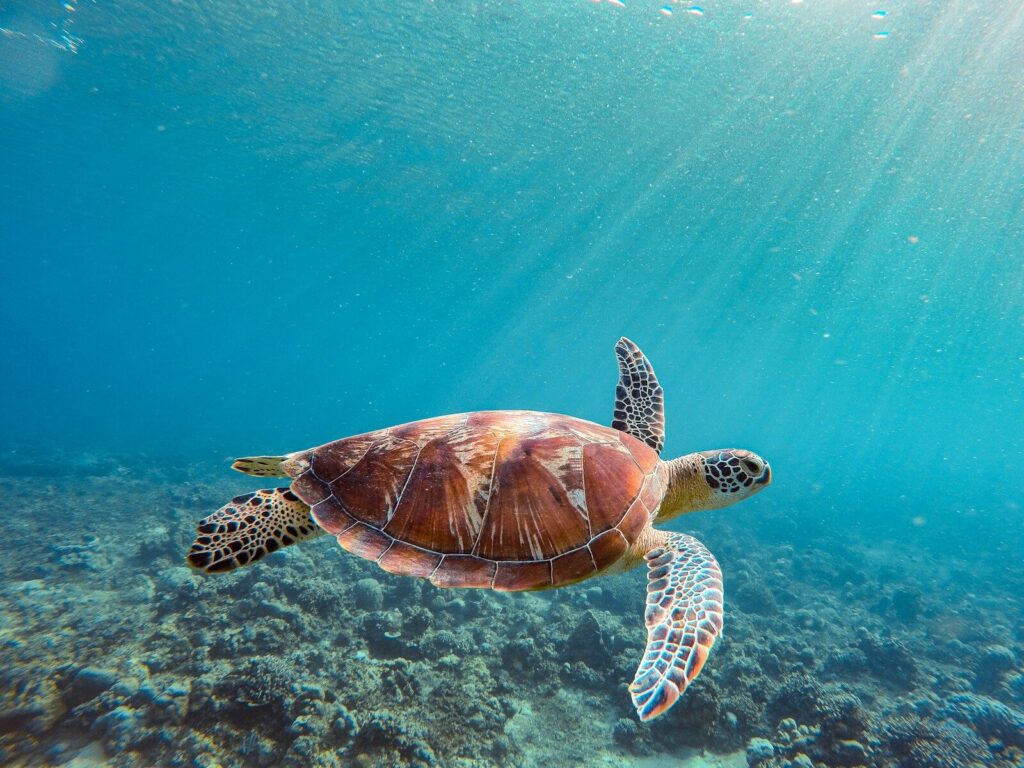
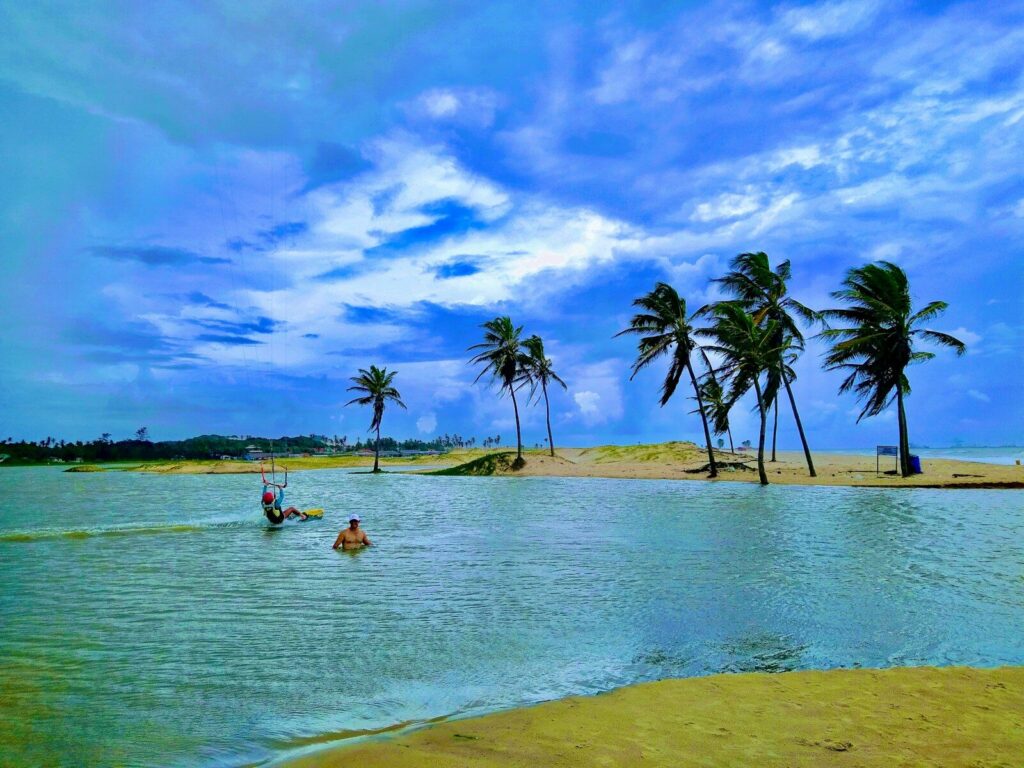
Three tiny islands, no engines, no hurry
Barely large enough to walk around in an afternoon, the Gili Islands hold an outsized share of Indonesia's best reef diving, its quietest sunsets and its strangest, most charming rule: nothing with an engine touches the sand. Bicycles, bare feet and horse-drawn cidomo carts move everyone and everything, from suitcases to crates of Bintang, which turns a beach holiday into something closer to a return to a slower century. Gili Trawangan, the largest and liveliest, does the sunset bars and dive shops; Gili Meno, smallest and sleepiest, does hammocks, honeymoons and a turtle sanctuary; Gili Air sits between the two, close enough to Lombok to feel grounded, laid-back enough to feel like a proper escape. What ties them together is the water, clear and warm and thick with parrotfish and green turtles, and a coral reef community that has spent two decades rebuilding what dynamite fishing once destroyed.
- → Barefoot mornings that begin and end at the harbour, not a car horn in earshot
- → Reef fish and sea turtles close enough to watch for an hour without a boat
- → Cidomo bells and bicycle spokes standing in for traffic noise
- → Three islands, three moods, one short boat ride between them
“There are no engines here, only tide, hooves and the occasional guitar from a beach bar. That is precisely the point.”
Teekonda small-group feelWhen to go, season by season
The Gilis run on a straightforward tropical calendar: a long dry season from roughly April through October, and a wetter, greener stretch from November to March. Even in the wet months, rain tends to arrive in short, heavy afternoon bursts rather than settling in for days.
Late Dry Season Arriving · Mar–May Recommended
March still carries the tail of the wet season with occasional afternoon downpours, but by April the rain thins out fast, seas flatten and underwater visibility opens up. By May the islands are dry, green and considerably quieter than the July crowds, a genuine sweet spot if your dates allow it.
Peak Dry Season · Jun–Aug Recommended
The driest, calmest, most reliably sunny stretch of the year, and also the busiest, as European and Australian school holidays fill the beachfront bungalows in July and August. Seas are glassy, snorkelling and diving visibility are at their best, and evenings on Gili Trawangan's sunset strip get properly lively.
Dry Season Tapering Off · Sep–Nov Recommended
September and October keep the dry-season clarity with noticeably thinner crowds, and divers often rate these months among the year's best for spotting turtles and reef sharks. By November, humidity builds and the first storms of the wet season start rolling in.
Wet Season · Dec–Feb
Short, heavy tropical downpours arrive most days, usually clearing by afternoon, and the islands turn a deeper green. Seas can be choppier and fast boat crossings occasionally pause in bad weather, but rooms are cheaper and the reefs are far from empty.
Choosing your base
Where to base yourself matters more here than on most islands, because each Gili has genuinely picked a different lane. Pick the mood first, then the room.
The lively one
Gili T has the harbour, the dive shops, and the sunset bars stacked three deep along the west coast, along with the only real nightlife of the three islands. It suits first-timers who want easy food options, a wide range of accommodation from simple losmen to boutique villas, and enough going on after dark to fill a week without renting a boat.
The quiet one
The smallest and least developed Gili, home to only a few hundred residents, a turtle sanctuary, a strange inland salt lake and some of the emptiest white-sand beaches in Lombok's waters. Local custom keeps loud music off the island after dark, which is exactly why honeymooners and anyone craving genuine quiet choose it.
The balanced one
Close enough to Lombok to feel connected, relaxed enough to feel like a proper escape, Gili Air threads the needle between its two neighbours. Good cafes, a working village at its centre, calm snorkelling reefs just offshore and a slightly older, more settled crowd make it a favourite for families and couples who want beach days without either the party or the total isolation.
What to eat
Ayam Taliwang
Lombok's signature dish: chicken flattened and grilled over coconut-husk coals, then slicked with a fiery paste of shallot, garlic, shrimp paste and bird's eye chilli. Ask for it milder if you need to.
Plecing Kangkung
Blanched water spinach served cold under a raw chilli-tomato-shrimp paste sambal. It appears alongside almost every Sasak meal and runs noticeably hotter here than the Bali or Java versions.
Sate Rembiga
Sweet, smoky beef satay from a village near Mataram, marinated in fermented shrimp paste, palm sugar and chilli before it hits the charcoal grill.
Nasi Campur
A plate of rice with a little of everything, grilled fish, vegetables, tempeh, a boiled egg, sambal, that varies warung to warung and is the easiest way to sample several flavours at once.
Ikan Bakar
Whole reef fish, split and grilled over coconut husks with sweet soy and lime, served at nearly every beachfront table on all three islands. Ask what was caught that morning.
Cumi Bakar
Grilled squid basted in the same sweet-soy kecap manis marinade as the fish, charred at the edges and tender in the middle.
Gado-Gado
A composed salad of blanched vegetables, boiled egg and fried tofu under a thick peanut sauce; filling, mild and a good option after a spicy Sasak meal.
Sayur Urap
Steamed vegetables tossed with spiced grated coconut, one of the milder Sasak side dishes and a good counterpoint to the chilli-heavy ones.
Beberuk Terong
Raw eggplant salad dressed with chilli, shallot and lime, a Sasak specialty rarely seen outside Lombok.
Nasi Goreng
Indonesia's everyday fried rice, given a Lombok kick with a spoonful of sambal on the side; a safe, satisfying order at any hour.
Mie Goreng
Fried noodles with vegetables, egg and usually chicken or shrimp, nearly identical to nasi goreng in spirit but with noodles standing in for rice.
Nasi Kuning
Turmeric-stained rice cooked in coconut milk, traditionally served for celebrations, and worth seeking out at breakfast on the islands.
Sambal Beleq
A raw, pounded chilli paste unique to Lombok, hotter and simpler than most Balinese or Javanese sambals. A small spoonful transforms a plain plate of rice.
Es Kelapa Muda
Young coconut water and flesh over ice, sometimes with a splash of palm sugar syrup, the definitive way to cool down after a snorkel.
Did you know?
Small islands, but they don't run out of things worth knowing before you land.
The islands are named for their smallness
No engines are allowed on land
There isn't a single dog on any of the three islands
An artificial reef made of statues sits off Gili Meno
The reefs are partly rebuilt by electricity
Gili Meno hides a salt lake with no obvious source
Green turtles are almost guaranteed, not just possible
Gili Meno raises its own baby turtles
The three islands' personalities are shaped by local rules, not accident
You can see two volcanoes without moving
Horses on the islands are a regulated workforce
Settled by Bugis seafarers and Sasak fishing families
The first guesthouse opened in 1982
Backpackers arrived faster than infrastructure did
The 1990s brought a reputation for parties
Land disputes shadowed the early tourism boom
Conservation groups organised in the early 2000s
A 2018 earthquake brought the islands to a standstill
The rebuild was largely a community effort
The car-free rule predates any environmental movement
Diving put the Gilis on the international map
Tourism today is more regulated than it was
Before you go
Most nationalities can enter Indonesia visa-free or via visa-on-arrival for stays up to 30 days, extendable once; requirements vary by passport, so confirm your category and complete the government's electronic arrival card before flying in. A passport valid at least six months beyond your arrival date is standard practice.
There are no cars or motorbikes on any of the three islands, just a few small electric scooters. Walk, hire a bicycle, or flag a cidomo horse cart for longer distances or luggage. Moving between the islands, or back to Bali and Lombok, means a public or chartered boat; the three Gilis are close enough that island-hopping in a single day is easy.
Wifi is common in cafes, dive shops and hotels on Trawangan and Air, less consistent on quieter Meno, and speeds can dip during peak season. A local SIM with a data plan, bought in Bali or Lombok before crossing, is the more reliable option for staying connected.
The Indonesian Rupiah is the only currency used. ATMs are reasonably plentiful on Trawangan and Air but scarce and unreliable on Meno, so carry more cash than you think you'll need. Cards are accepted at larger hotels and restaurants, but small warungs, cidomo rides and bicycle hire run on cash only. Tipping isn't obligatory, but rounding up or leaving small change for good service is appreciated.
Entry requirements and local conditions can change — always confirm the latest guidance for your nationality before travelling.
Bring extra cash for Gili Meno specifically; its one ATM near the harbour is refilled irregularly and shouldn't be relied on.
Common questions
Which Gili island should I choose if I only have time for one?
Can you really see turtles just by snorkelling off the beach?
How do you get to the Gili Islands, and is it far from Bali?
Interested in the Gili Islands with Teekonda?
Our small-group Indonesia itineraries pair the reefs and quiet beaches of the Gilis with time in Lombok or Bali, so you get the slow, car-free island days without losing the rest of the trip to logistics.
Find a trip


