
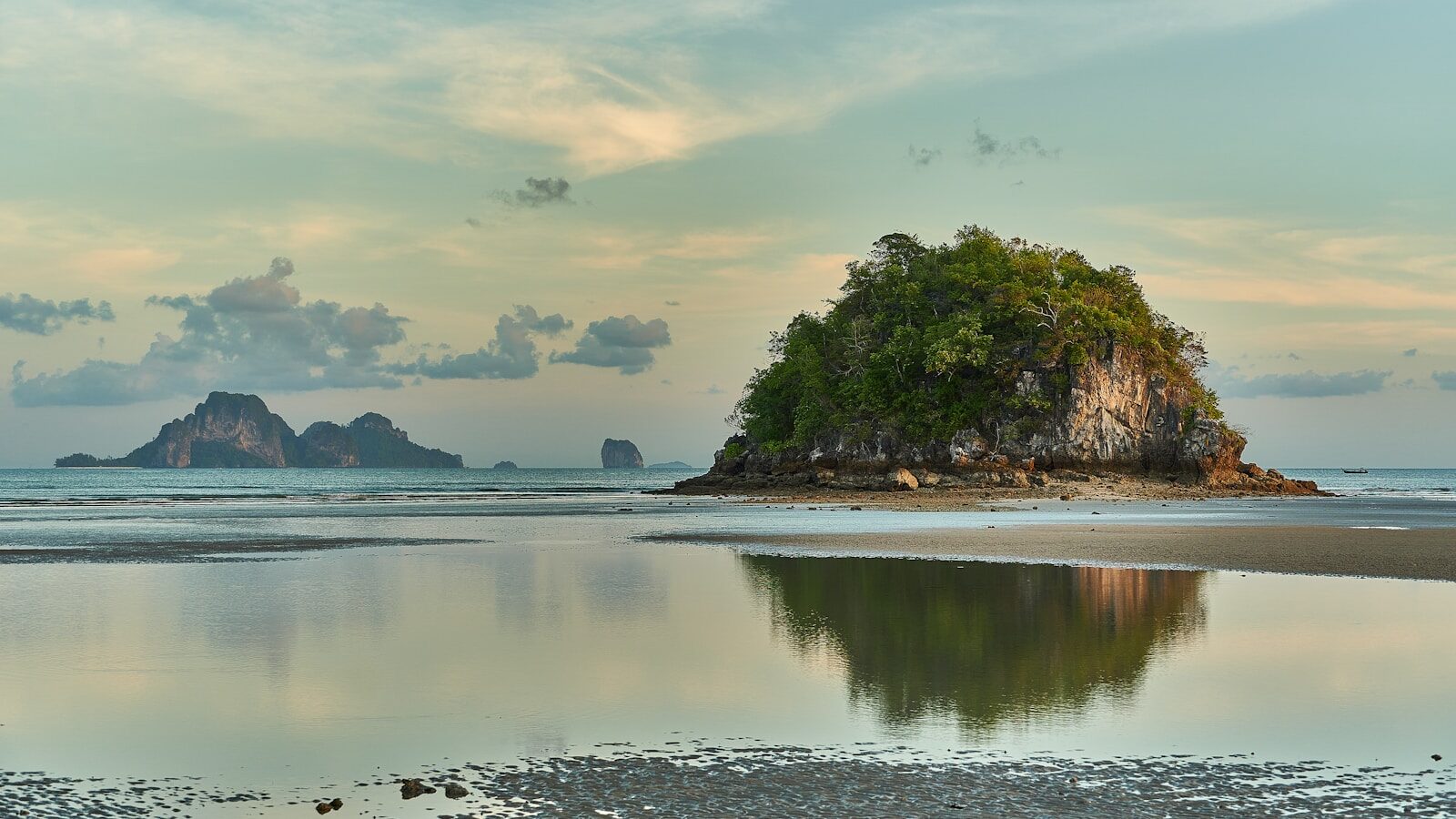
Ao Nang Travel Guide
Krabi's easygoing coastal gateway — sheer limestone cliffs rising straight out of the Andaman Sea, longtail boats idling on turquoise water, and some of Thailand's best island-hopping just a short ride from the beach.
- Limestone karst coast
- Island-hopping hub
- Longtail boats
- Relaxed beach life
Ao Nang, frame by frame
A visual pass through Krabi's coastline, from the karst cliffs to the islands offshore.
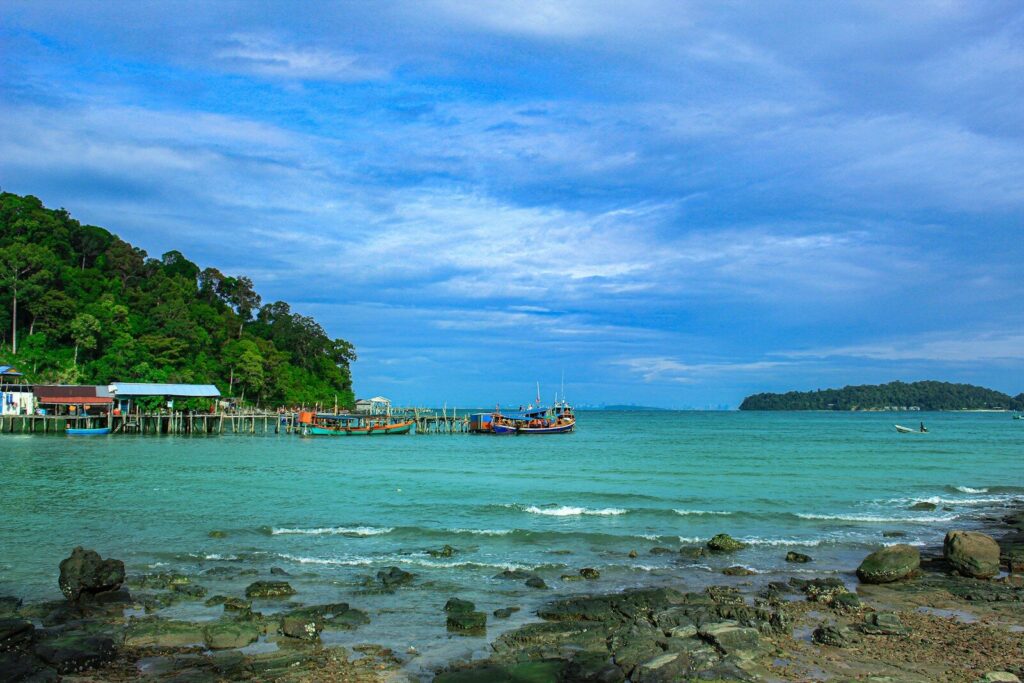
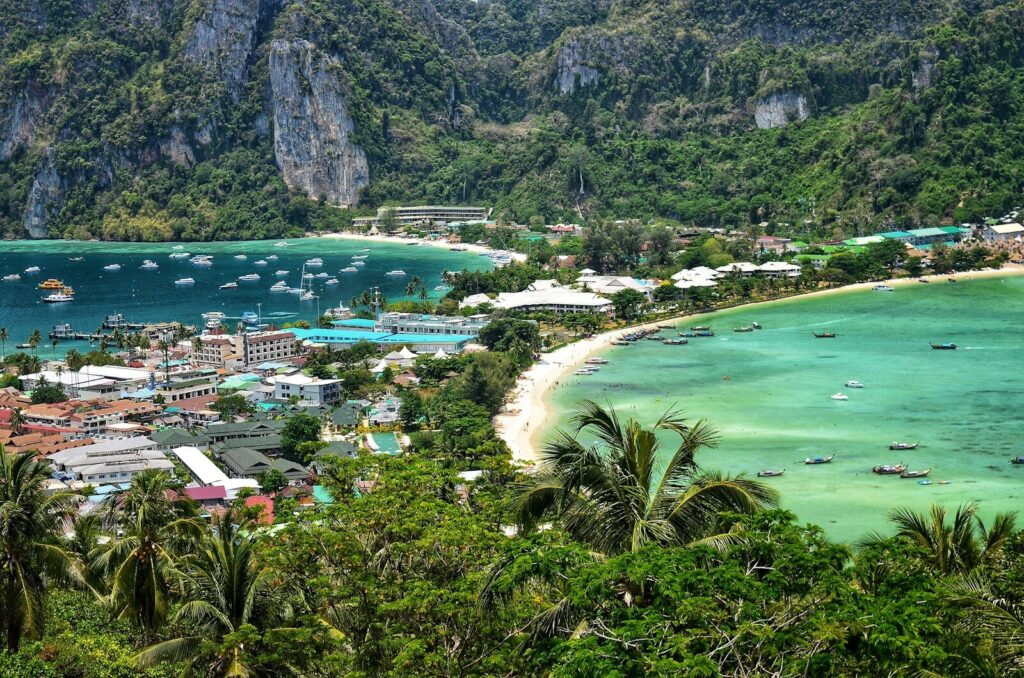
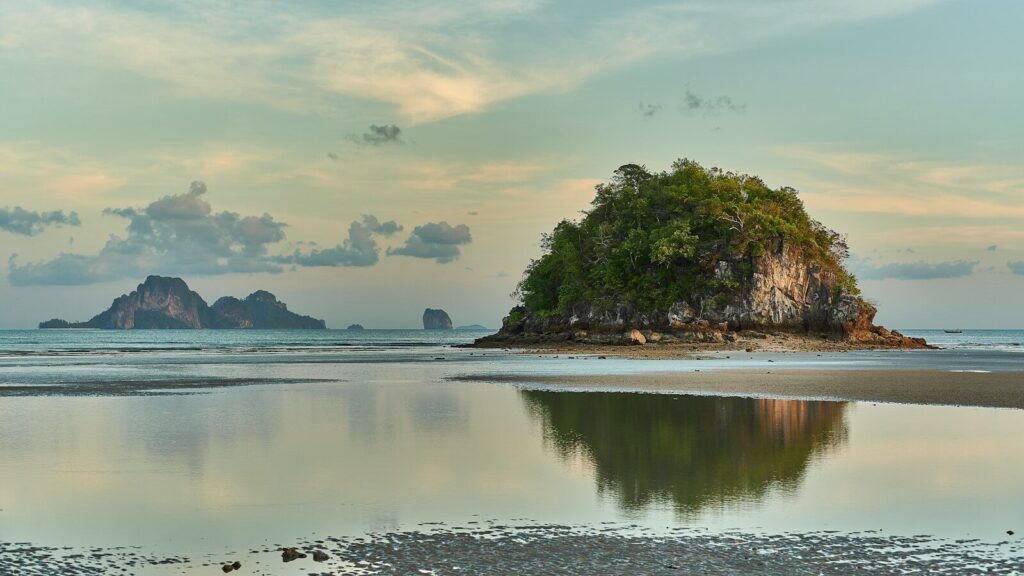
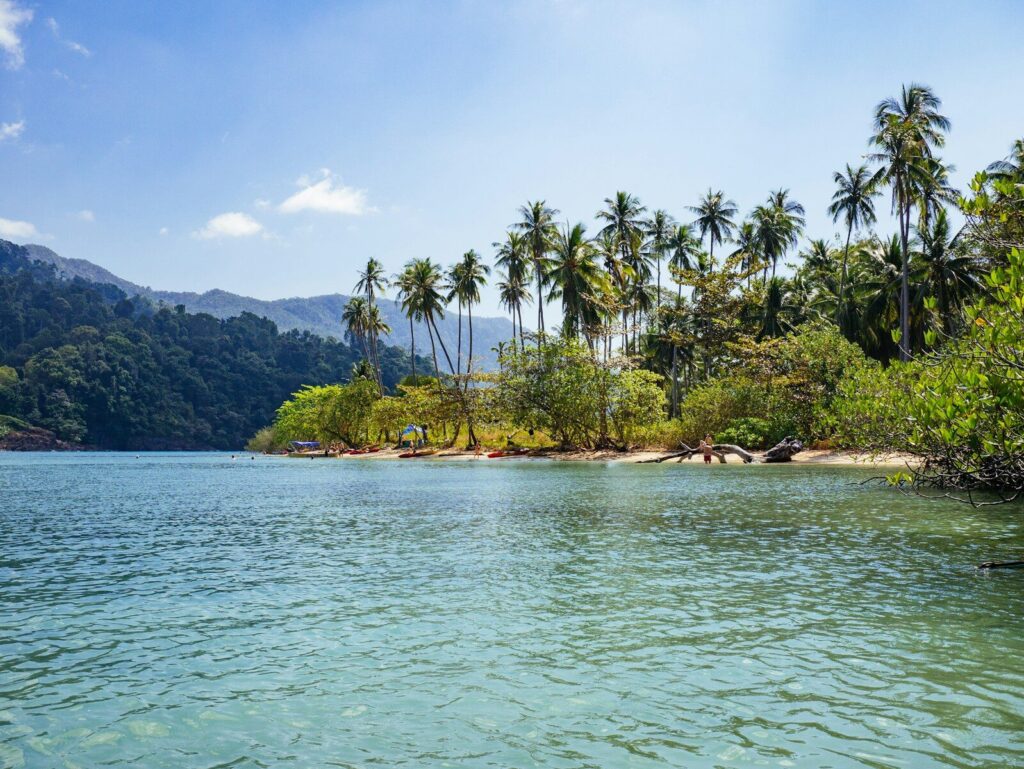
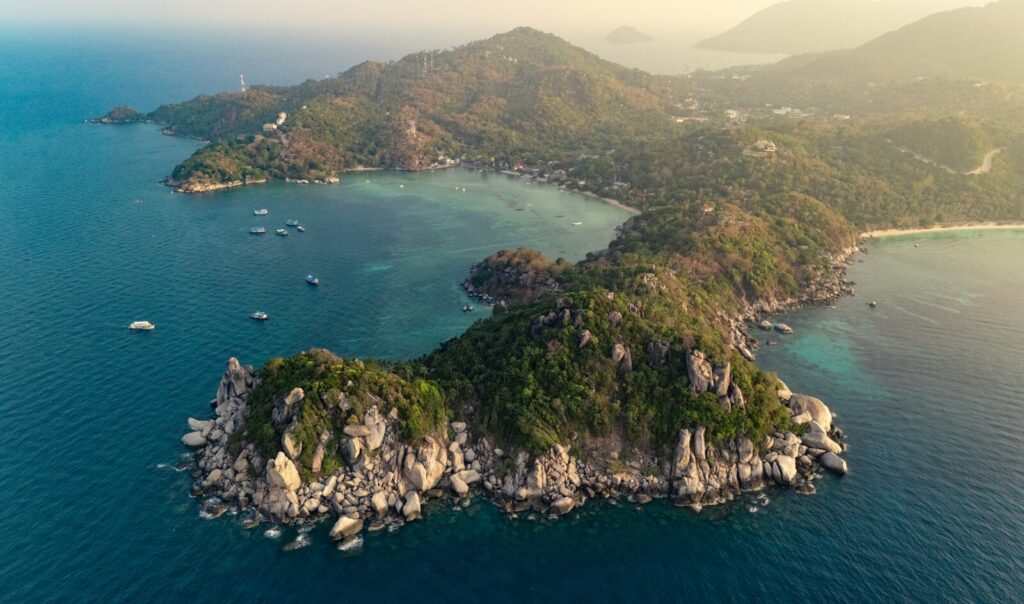
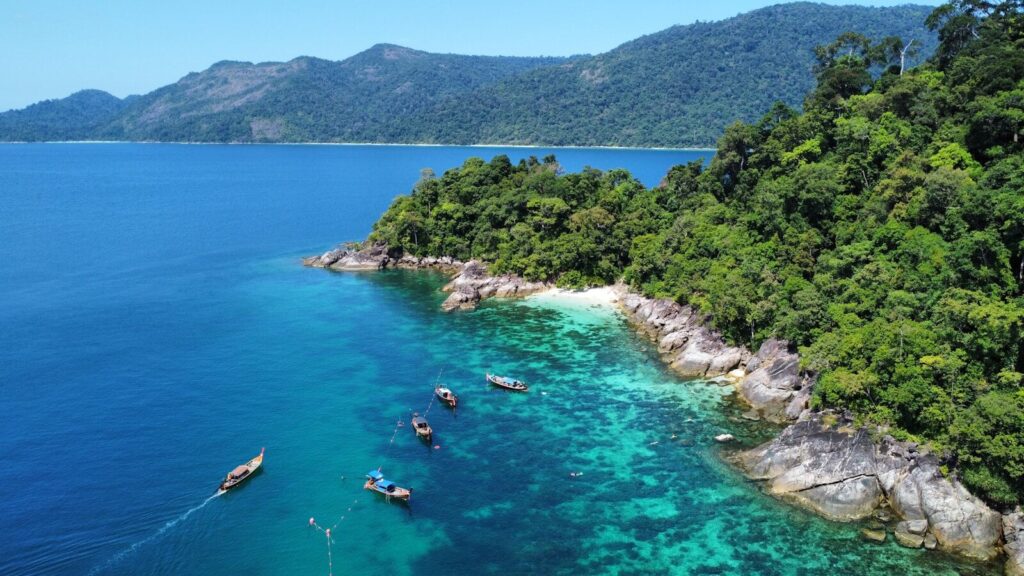
Karst cliffs, longtail boats, easy island access
Ao Nang is Krabi's easygoing beach hub, framed by towering limestone cliffs and a lively strip of cafes, dive shops and beach bars. It's less a hidden hideaway than a comfortable, sociable base that puts the best of the Andaman Sea within easy reach — Railay and Phra Nang beach by longtail boat in twenty minutes, Phi Phi and the Four Islands on a day trip, and mangroves, viewpoints and hot springs a short ride inland.
- → Ideal for small groups who want an easy, flexible base without complex logistics.
- → A great mix of shared boat trips — Railay, Phi Phi, Hong Islands — and relaxed free time at cafes and beach bars.
- → Suited to travellers who want a proper beach holiday feel with genuine adventure just offshore.
- → Works well combined with Bangkok or the rest of Thailand via a short flight into Krabi.
“A beach town built entirely around the water around it — every direction leads to a boat, a cliff, or a sunset.”
Teekonda small-group feelWhen to go, season by season
Ao Nang shares Thailand's tropical monsoon climate, but as a west-coast Andaman destination it runs on its own dry-season calendar, a little different from Bangkok or the Gulf coast.
Hot & Busy · Mar–May
Temperatures and humidity climb, but the sea is often at its clearest, and late March through April stays popular with sunbathers. Plan hikes like Dragon Crest (Ngorn Nak) for early morning or late afternoon.
Green Season Begins · Jun–Aug
Showers become more frequent, usually short and heavy rather than all-day, with fewer visitors and noticeably better rates on accommodation.
Wettest Months, Then Clearing · Sep–Nov Recommended
August through October are typically the wettest months, with some boat tours rescheduled around rough seas; by November, skies clear and the dry season begins.
Dry & Sunny · Dec–Feb Recommended
Ao Nang's classic high season: blue skies, calm seas and the best visibility for snorkelling and island-hopping — also the busiest and most expensive time, so book ahead.
Choosing your base
Ao Nang's whole appeal is proximity to the water, so where you stay mostly comes down to how much buzz you want on your doorstep.
The main strip
Central, walkable, and packed with restaurants, dive shops and tour agencies — the easiest base for first-timers, with the longtail boat pier a short stroll away.
The quieter beach next door
A short walk or tuk-tuk ride from central Ao Nang, with a calmer, more local atmosphere and the same easy access to boat trips and the national park.
The cliffside escape
Reachable only by longtail boat, this dramatic peninsula has no road access at all — a worthwhile overnight or day trip for climbers and anyone chasing a quieter, cinematic stretch of coast.
What to eat
Pad Thai
Stir-fried rice noodles with egg, tofu or prawns and crushed peanuts, sold everywhere from roadside carts to beach-view restaurants.
Tom Yum Goong
Fragrant, spicy-sour prawn soup with lemongrass, kaffir lime leaf and galangal — perfect after a day on the water.
Som Tam
Green papaya salad pounded with lime, chilli, fish sauce and peanuts, ordered mild or fiery at stands near the night market.
Fresh Grilled Seafood
Fish, squid and prawns picked straight from ice displays at seafront restaurants, grilled to order and served with chilli-lime dipping sauce.
Gaeng Som
A sour, tamarind-based southern curry usually made with fish and vegetables — sharper and more pungent than central Thai curries.
Panang Curry
A rich, slightly sweet coconut curry with a thick sauce, usually made with beef, chicken or seafood and finished with kaffir lime leaf.
Massaman Curry
A mild, Persian-influenced curry with potatoes, peanuts and tender beef or chicken, popular with visitors easing into Thai spice levels.
Khao Man Gai
Hainanese-style poached chicken over rice cooked in chicken fat, served with a sharp ginger-chilli dipping sauce.
Moo Ping
Grilled pork skewers marinated in coconut milk, soy and palm sugar, a common breakfast or late-night snack along the main strip.
Satay
Grilled skewers of marinated chicken or pork served with peanut sauce and cucumber relish, easy to find at night market stalls.
Green Curry
Coconut-based curry with green chilli paste, Thai basil and vegetables, usually with chicken or fish.
Khao Niao Mamuang
Sweet sticky rice with ripe mango and coconut cream, the classic beach-town dessert.
Roti
A crisp, pan-fried street pastry, savoury or folded around banana and drizzled with condensed milk as a late-night sweet treat.
Fresh Coconut
Chilled young coconuts sold roadside and on the beach, cracked open on the spot — the simplest way to cool down between boat trips.
Thai Iced Tea
Strong brewed tea sweetened and poured over condensed milk and ice, sipped on cafe terraces facing the sea.
Did you know?
A mix of everyday quirks and the deeper history behind them, split into two quick reads.
Longtail boats carry small offerings on the bow
James Bond put this coastline on the map
Ko Tapu's nail-like shape has a fisherman's legend behind it
The limestone cliffs are hundreds of millions of years old
Railay has no road in or out
Phra Nang Cave is a fertility shrine
Railay is one of the world's top rock-climbing destinations
Hong Island's name translates to 'room'
Ao Nang's name nods to local legend
Krabi's mangroves light up after dark
Emerald Pool sits inside a rainforest national park
The Andaman coast has long been home to the Chao Ley
Krabi's economy once ran on tin and rubber
The 2004 Indian Ocean tsunami reshaped the region
Ao Nang grew from a fishing village into a resort town
A national marine park protects the surrounding islands
Phang Nga Bay's islands took millions of years to form
Krabi Town predates its beach resorts by centuries
Phi Phi Ley's Viking Cave holds centuries-old paintings
Bird's nest collection is a centuries-old local trade
Late 19th-century reforms reached even this coast
Tourism only took off here from the 1990s onward
Before you go
Many nationalities can enter Thailand visa-exempt for short tourist stays, but exact allowances change from time to time — check current requirements for your passport, and complete Thailand's digital arrival registration before you fly.
Krabi International Airport is the closest gateway, about a 30-40 minute transfer from Ao Nang, with regular flights from Bangkok and other regional hubs. Within Ao Nang everything is walkable; longtail boats and speedboats handle island trips, and songthaews or tuk-tuks cover longer local hops.
A local e-SIM gives reliable 4G/5G coverage in Ao Nang town itself, though signal can thin out on more remote islands and during longer boat crossings.
Cash is handy for longtail boat rides, market stalls and small vendors, while cards are accepted at bigger resorts and restaurants. Tipping isn't obligatory, but a small tip for boat crews and guides is appreciated.
Entry requirements and local conditions can change — always confirm the latest guidance for your nationality before travelling.
Ao Nang works well as a three to four day coastal add-on to a wider Thailand trip, or as a standalone beach break — build in at least one full-day island-hopping trip and one slower day for Nopparat Thara, the night market or a viewpoint hike.
Common questions
How many days do I need in Ao Nang?
How do I get to Ao Nang?
Is Ao Nang good for first-time visitors to Thailand?
Interested in Ao Nang with Teekonda?
Small-group island-hopping and beach time along Krabi's Andaman coast, designed for travellers who want adventure with a slower pace built in.
Find a trip


