
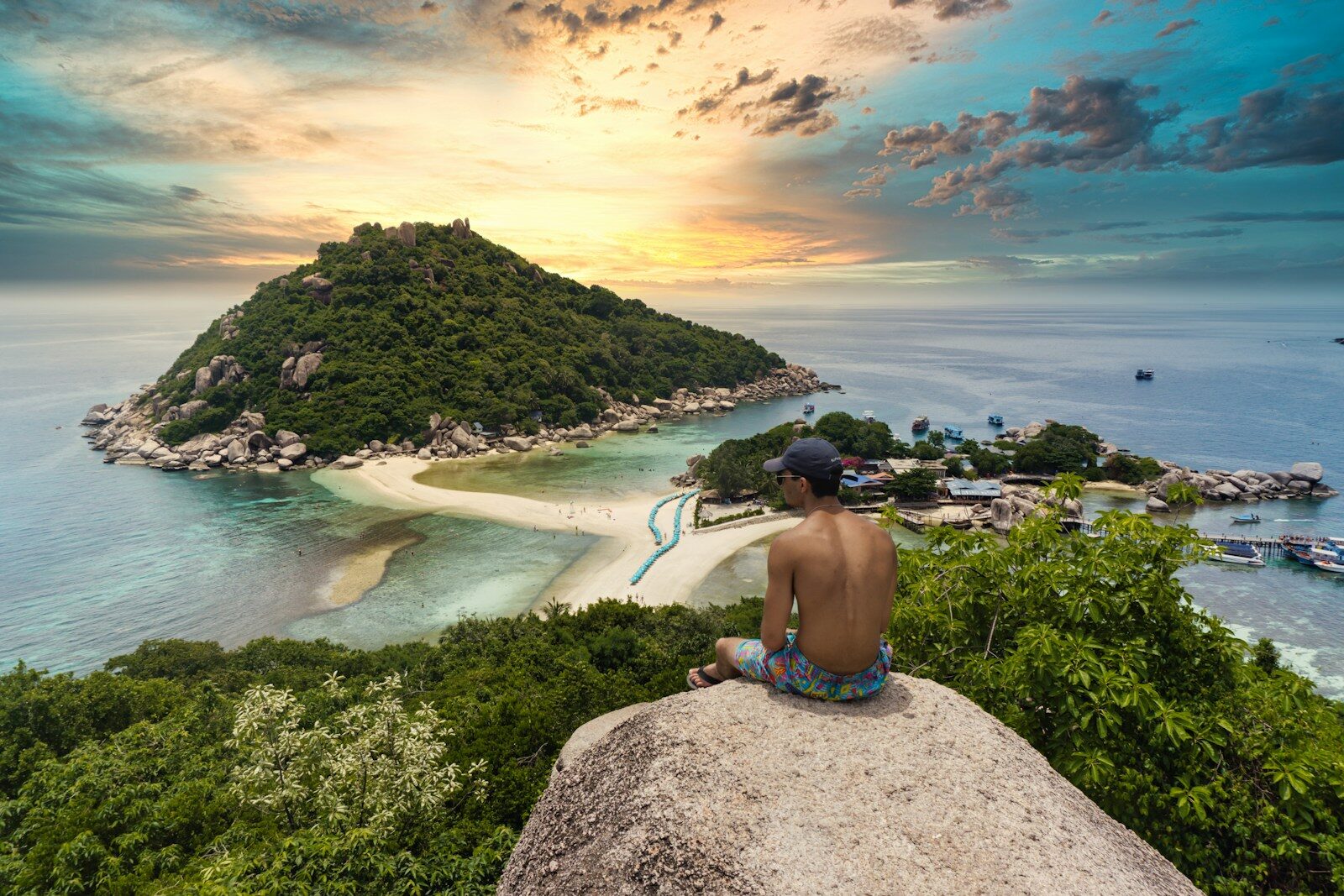
Koh Tao Travel Guide
Thailand's Turtle Island packs granite headlands, coral bays and one of the world's busiest dive schools into a few square miles of jungle.
- Dive capital of Thailand
- Gulf of Thailand island
- Quiet beaches, big reefs
Koh Tao, frame by frame
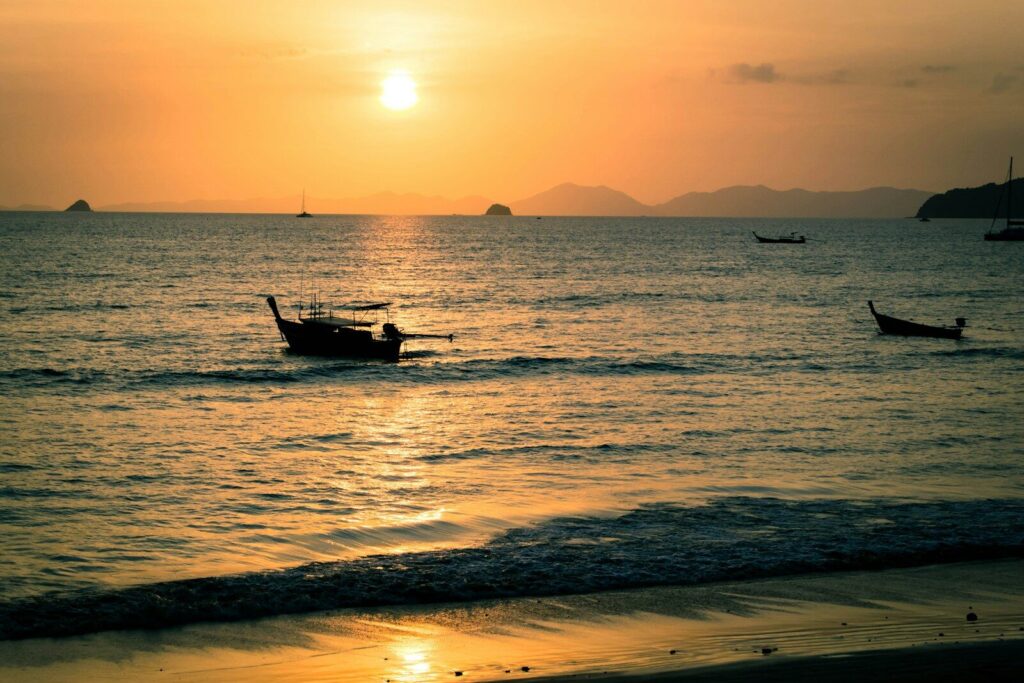
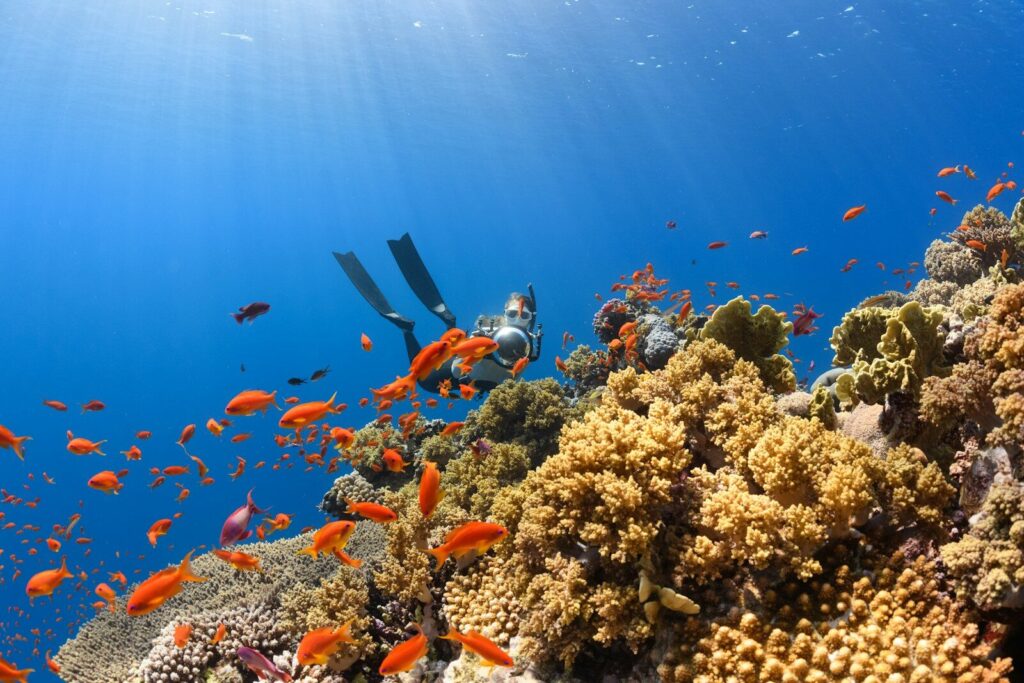
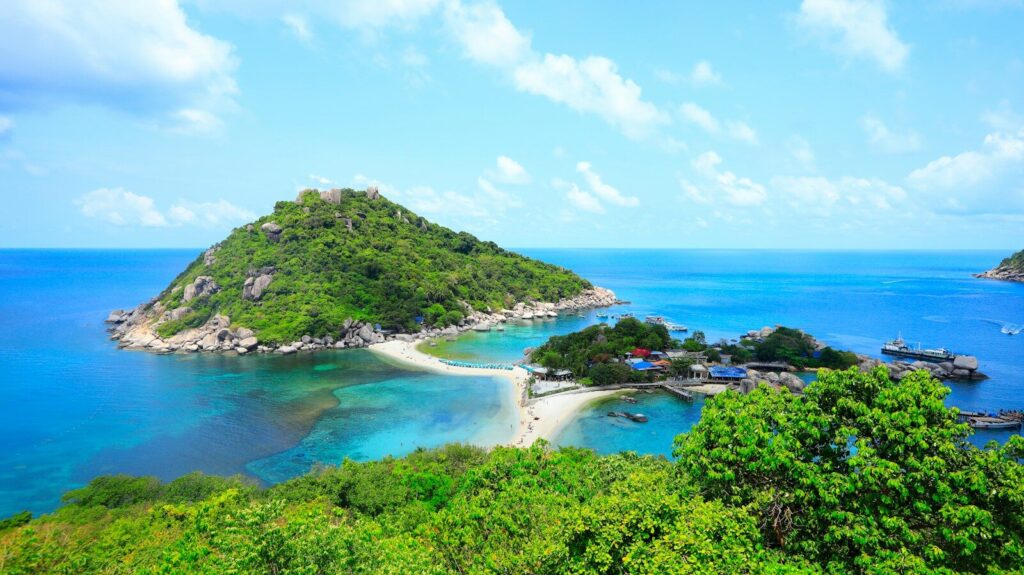
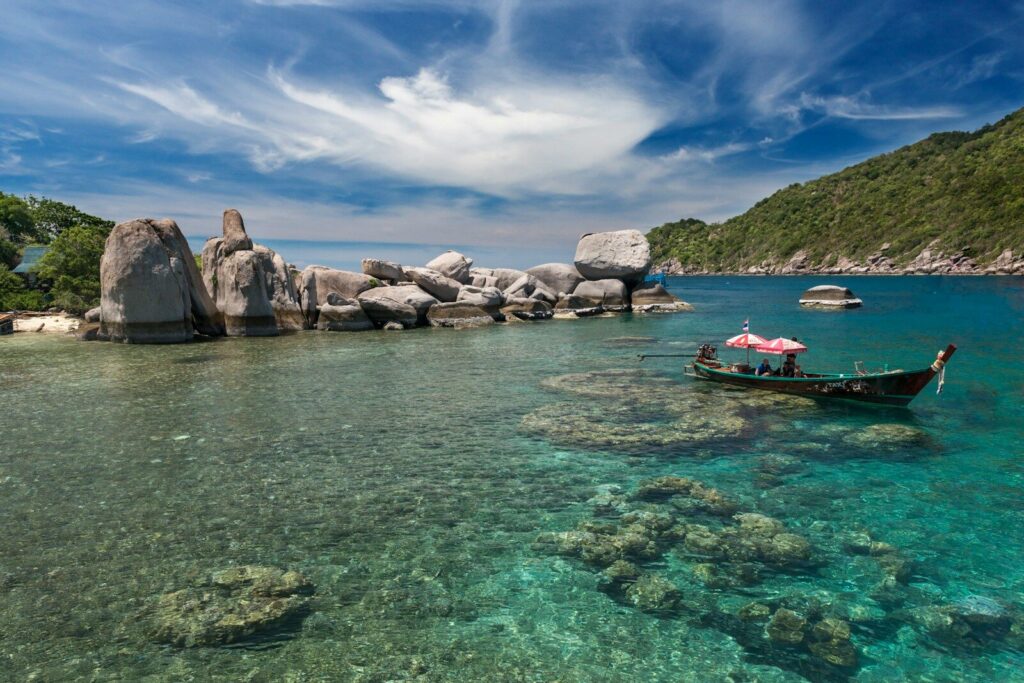
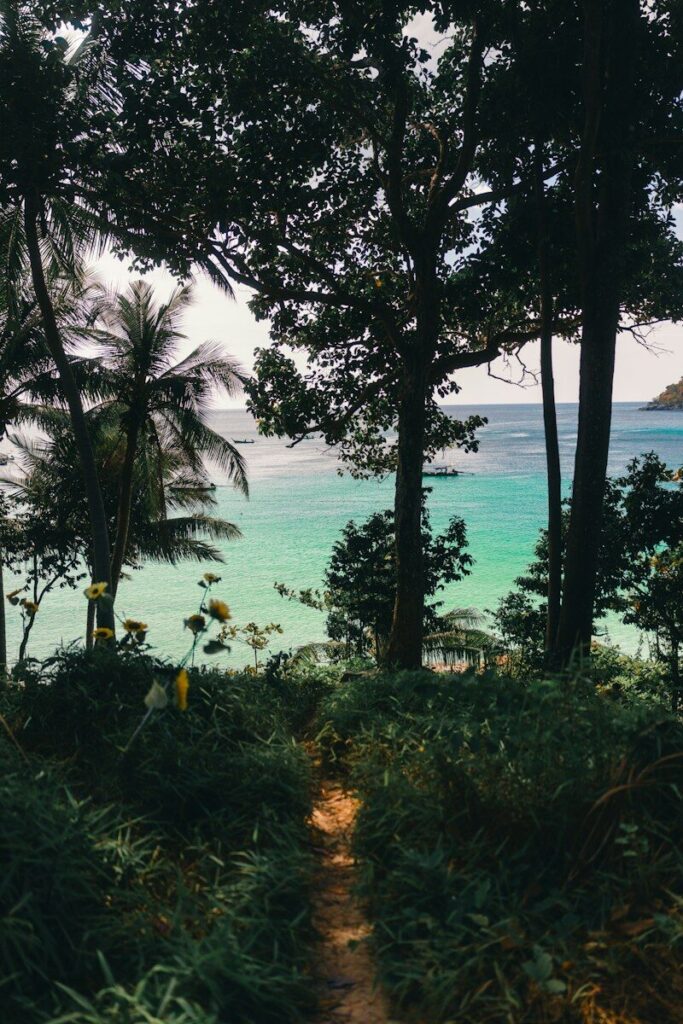
A glimpse of Koh Tao's granite coves, coral gardens and island light.
A small island built around the sea
Koh Tao is barely 21 square kilometres, yet it punches far above its weight as Southeast Asia's most concentrated diving hub, drawing first-timers for an open-water certification and veterans back for whale sharks and hard coral gardens. Away from the dive boats, granite boulders tumble into bays like Freedom Beach and Tanote, jungle trails climb to viewpoints over the sandbar that joins the three islets of Koh Nang Yuan, and the pace rarely rises above flip-flop speed. It is a place where a dive logbook and a hammock can genuinely fill the same afternoon.
- → Dive shops and marine life on nearly every corner of Sairee Beach
- → Granite viewpoints and jungle paths linking hidden coves
- → Low-key beach bars rather than big nightclub scenes
- → Easy day trips to neighbouring Koh Nang Yuan and Koh Phangan
“An island where the day's plans are usually decided by tide charts and visibility reports.”
L'atmosfera dei piccoli gruppi TeekondaQuando andare, stagione per stagione
Koh Tao sits in the Gulf of Thailand, so its seasons run opposite to the Andaman coast: the calmest, driest stretch runs from February to September, with the hottest and flattest seas from February to April and the clearest underwater visibility around July to September, while the heaviest rain and swell arrive between October and December.
Primavera · marzo-maggio
Hot and increasingly humid with the year's warmest air temperatures, though the sea usually stays flat and visibility remains good for diving.
Summer · June to September
The Southwest monsoon brings brief afternoon showers and slightly choppier surface conditions, but underwater visibility and diving remain decent between squalls.
Autunno · ottobre-novembre
The wettest, roughest stretch of the year, with the chance of tropical storms rolling in from the South China Sea and some boat trips cancelled.
Inverno · da dicembre a febbraio Consigliato
Dry, breezy and comfortably warm with the clearest water of the year, making this the prime window for diving, snorkelling and beach days.
Scegliere la tua base
Nearly everything on Koh Tao hugs the west coast, so choosing a base is really about picking your pace, from the lively dive-school strip to quieter southern bays and a handful of secluded coves reachable only by boat or steep footpath.
Sairee Beach
The island's longest beach and social heart, lined with dive shops, beach bars and sunset volleyball, ideal for first-timers who want everything within walking distance.
Mae Haad & Chalok Baan Kao
Mae Haad is the arrival pier and ferry hub with easy transport links, while Chalok Baan Kao to the south offers a calmer bay with reef right off the sand and fewer crowds.
Tanote Bay & the east coast
A string of smaller, boulder-framed coves reached by steep roads, favoured by travellers chasing quieter snorkelling spots and panoramic viewpoint hikes.
Cosa mangiare
Pad Thai
Stir-fried rice noodles with egg, tofu or shrimp, tamarind and crushed peanuts, found at nearly every beachfront stall.
Tom Yum Goong
A hot and sour soup of prawns, lemongrass, galangal and chilli that pairs well with a day spent in the water.
Som Tam
Shredded green papaya pounded with lime, chilli, fish sauce and peanuts, served sharply fresh at roadside carts.
Grilled whole fish
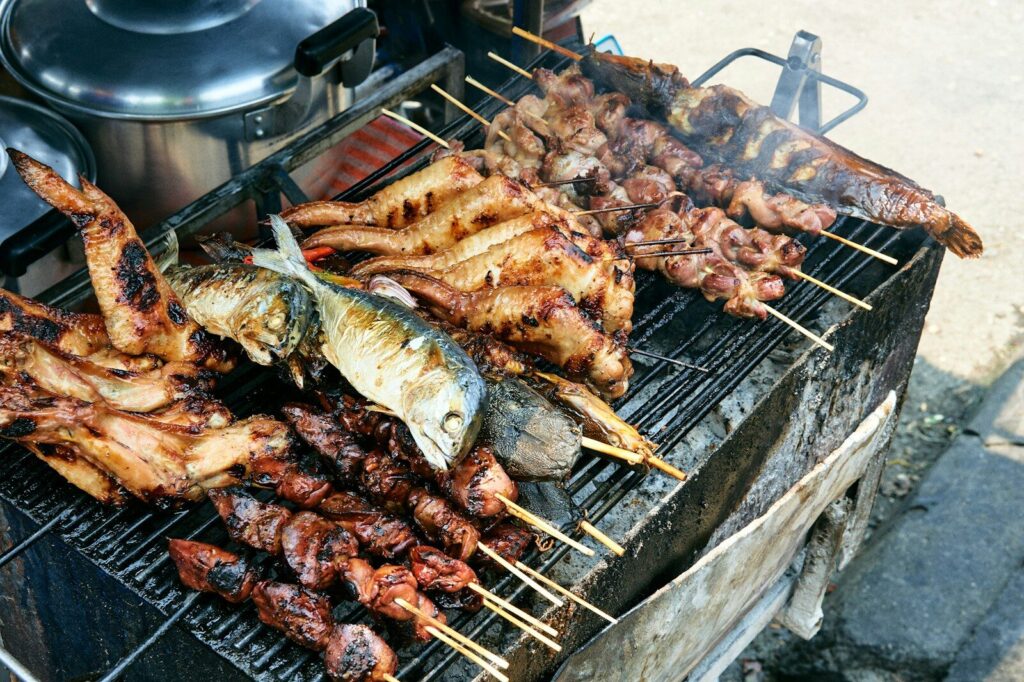
Snapper or barracuda rubbed with herbs and char-grilled over coals, a staple at Sairee's evening seafood grills.
Massaman curry
A mild, slightly sweet curry of beef or chicken with potatoes and peanuts, showing Koh Tao's southern Thai-Malay influences.
Green curry
A fragrant coconut-based curry with Thai basil, aubergine and your choice of chicken or seafood, a dinner menu regular.
Khao Pad
Thai fried rice tossed with egg, vegetables and your protein of choice, an easy post-dive refuel.
Fresh mango sticky rice
Warm coconut sticky rice topped with ripe mango slices, the island's most popular dessert order.
Spiedini satay
Grilled marinated chicken or pork skewers served with a rich peanut dipping sauce, common at night market stalls.
Tod Mun Pla
Thai fish cakes spiced with red curry paste and kaffir lime leaf, served with a sweet cucumber relish.
Banana pancakes
A backpacker-trail classic of thin griddled pancakes folded with banana and drizzled in condensed milk or chocolate.
Fruit shakes
Blended smoothies of pineapple, watermelon or dragon fruit sold from juice carts along Sairee's main strip.
Khao Soi
A northern Thai coconut curry noodle dish, found on several Koh Tao menus as a hearty alternative to beach-side classics.
Fresh oysters and seafood platters
Island seafood shacks serve grilled or raw catches of the day, often shared family-style with chilli dips.
Lo sapevi?
A handful of facts and stories that explain how this small island became one of Thailand's most distinctive destinations.
Named for its turtles
A dive certification hotspot
Chumphon Pinnacle's gentle giants
A twin-island neighbour
No cars, mostly motorbikes
A former penal colony
Freshwater is scarce
A coconut-planting past
John-Suwan viewpoint's split rock
Reef restoration projects
Early fishing settlement
Penal colony era
Post-war coconut economy
First backpacker arrivals
Rise of the dive industry
Ferry links expand
Growth of Sairee Beach
Marine conservation efforts begin
Infrastructure catches up
A continuing balance
Prima di partire
Since 15 September 2026 the visa exemption gives nationals of 60 countries and territories up to 30 days in Thailand for tourism, down from the 60 days in force until 14 September 2026, and three countries now receive 15 days. Check your own passport before booking.
Motorbike rental, pickup-truck taxis and walking cover most of the island, since there are no car rental agencies or public buses.
A Thai SIM card bought at the mainland airport or on Koh Samui gives reliable 4G coverage across most of Koh Tao's developed coastline.
ATMs are available in Mae Haad and Sairee, but rural coves have none, and small tips for dive guides and restaurant staff are appreciated though not obligatory.
Entry requirements and visa rules can change, so always check current regulations with official sources before you travel.
Book any Open Water or Advanced diving course a few weeks ahead during the December to March high season, when dive shops fill quickly and the calmest conditions make for the best underwater visibility of the year.
Domande frequenti
How do you get to Koh Tao?
Is Koh Tao good for non-divers?
How many days should I spend on Koh Tao?
Interested in Koh Tao with Teekonda?
Let us help you pair diving, beach time and island hopping into a trip that fits your pace.
Trova un viaggio


