
Tallinn Travel Guide
Estonia's capital fits an entire medieval city inside two kilometres of intact stone wall, then keeps going into a former Soviet railyard turned design district and a Tsar's seafront park. This is the deep dive into Tallinn itself — Old Town's spires and guild houses, Kalamaja's wooden streets, Telliskivi's converted factories — for anyone who already knows Estonia holds more beyond it.
- Intact medieval Old Town
- Hanseatic port history
- Kalamaja & Telliskivi design quarter
- Baltic ferry gateway
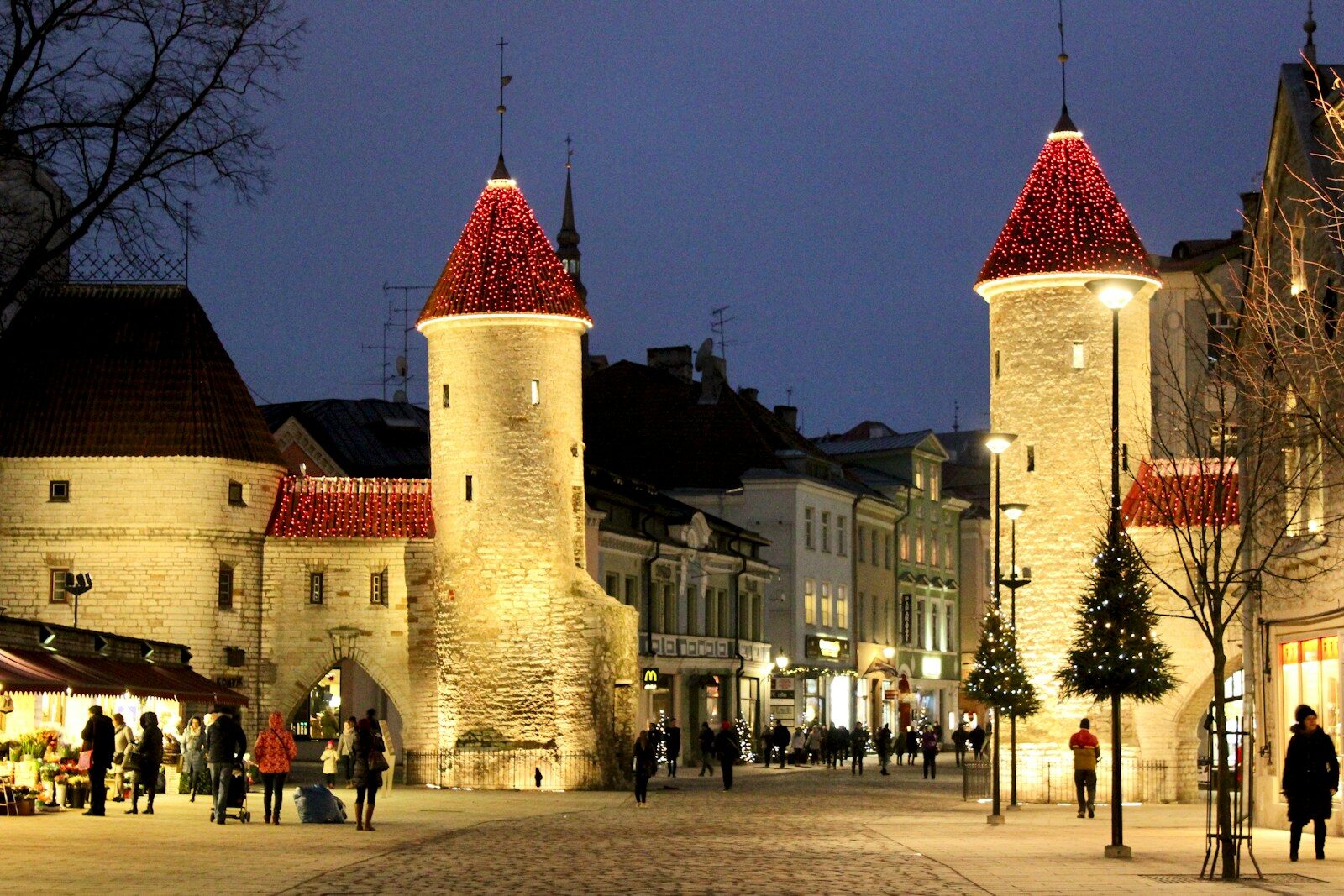
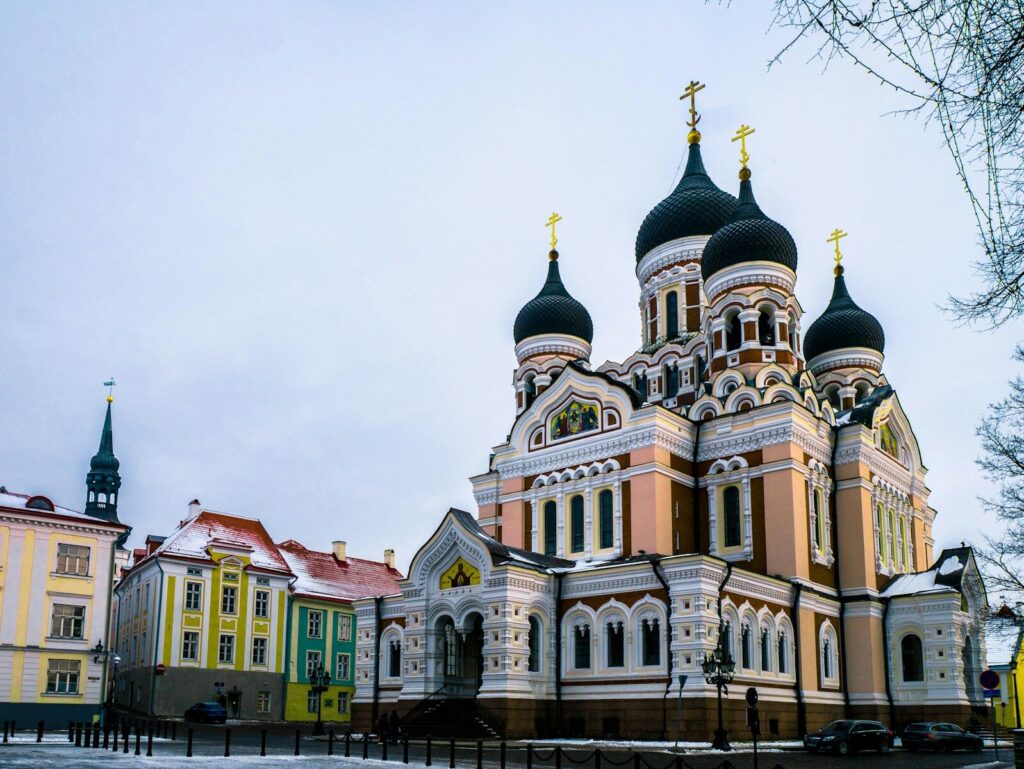
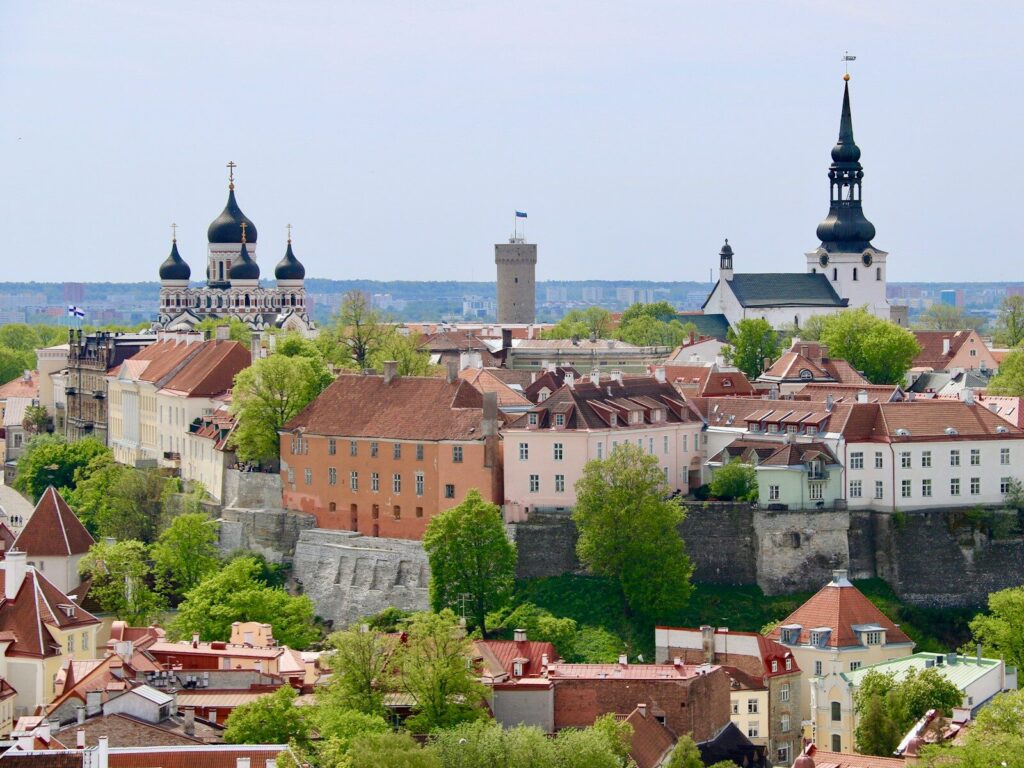
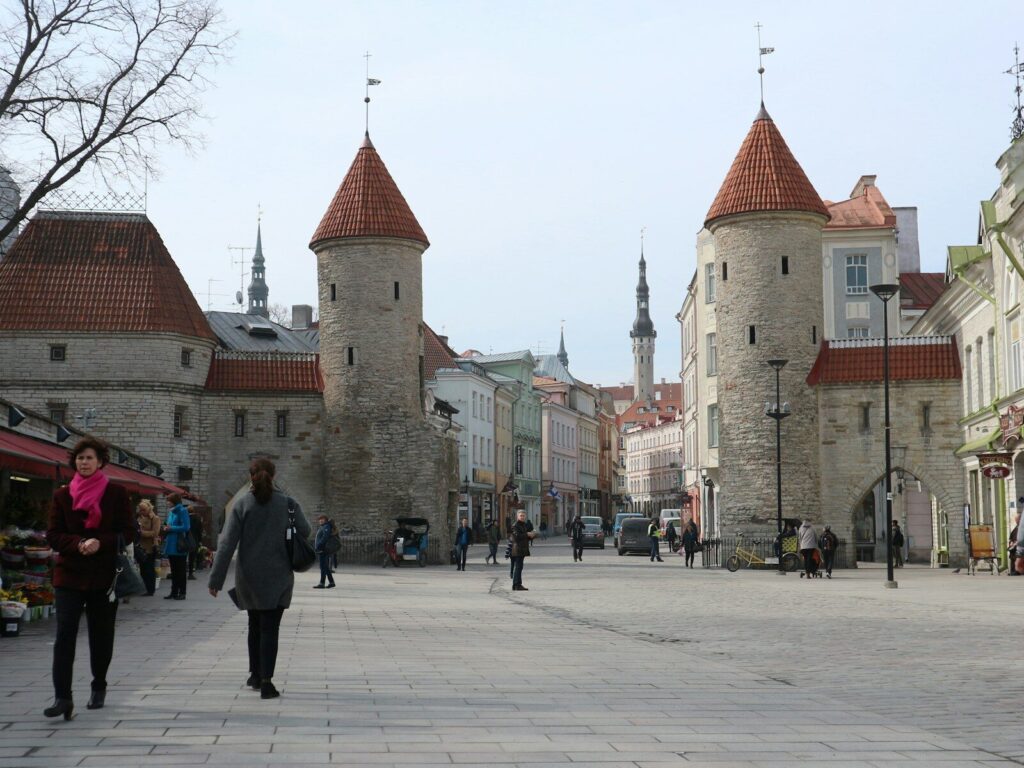
Tallinn, frame by frame
A visual pass through the city, from Old Town spires to Kalamaja's wooden streets.
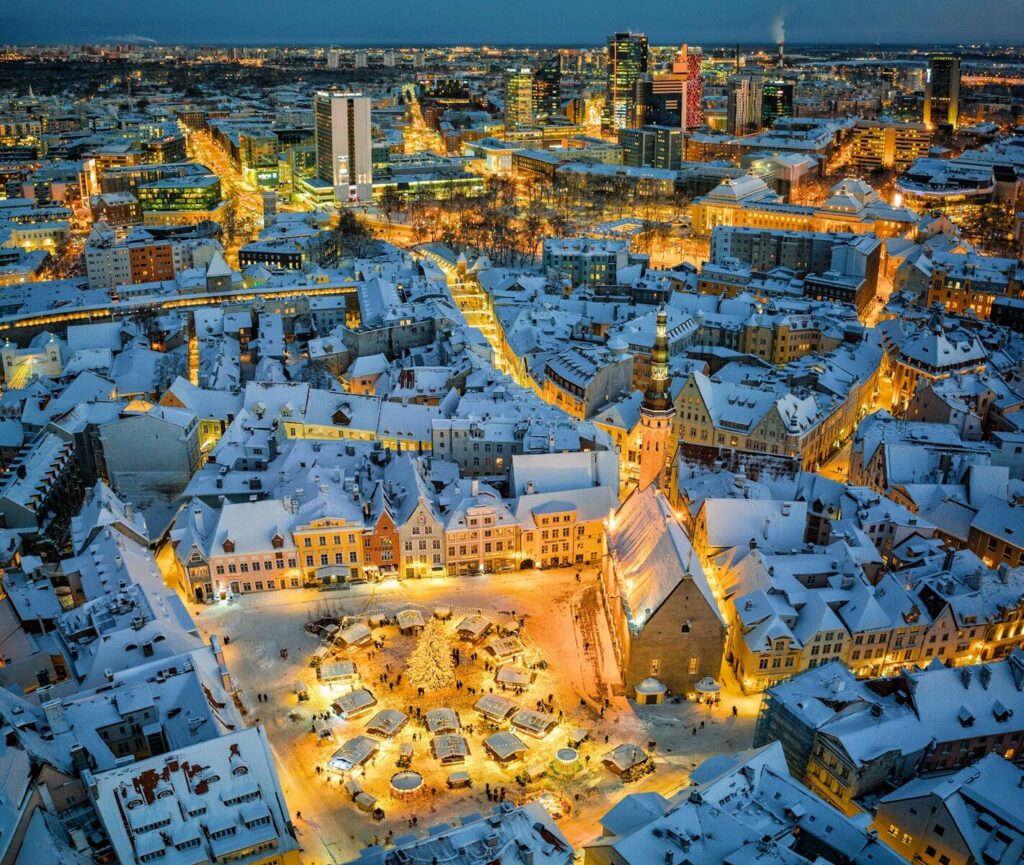
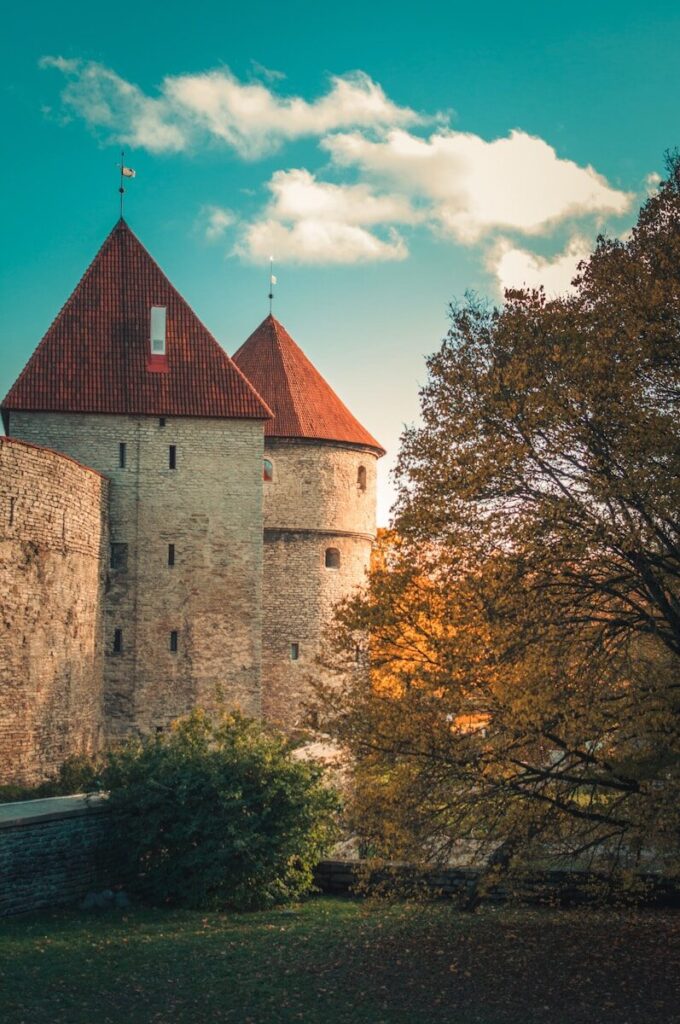
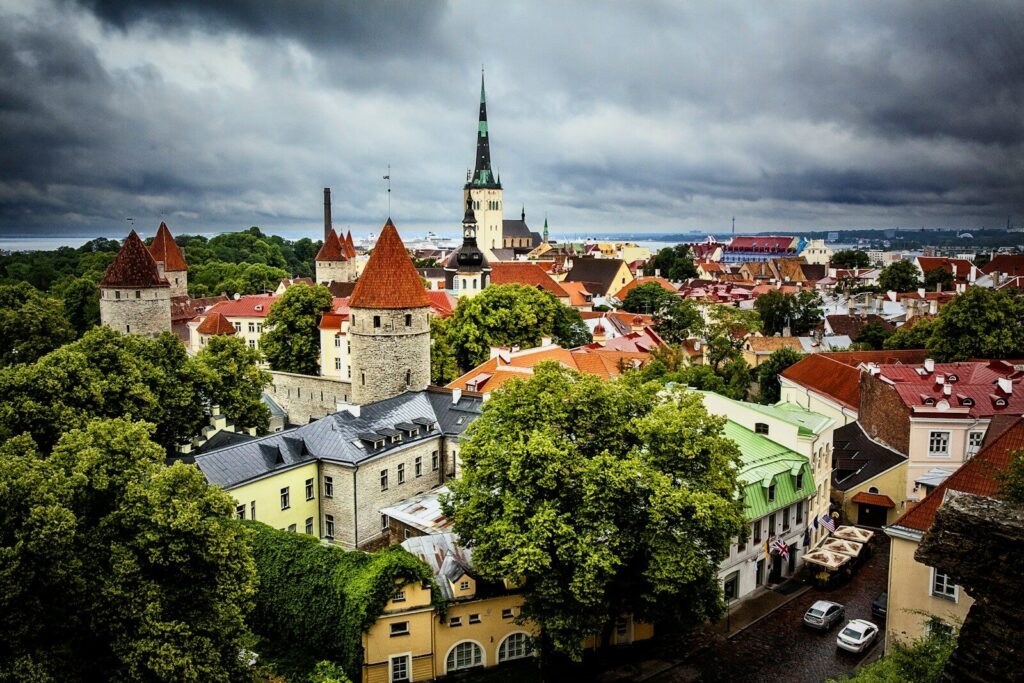
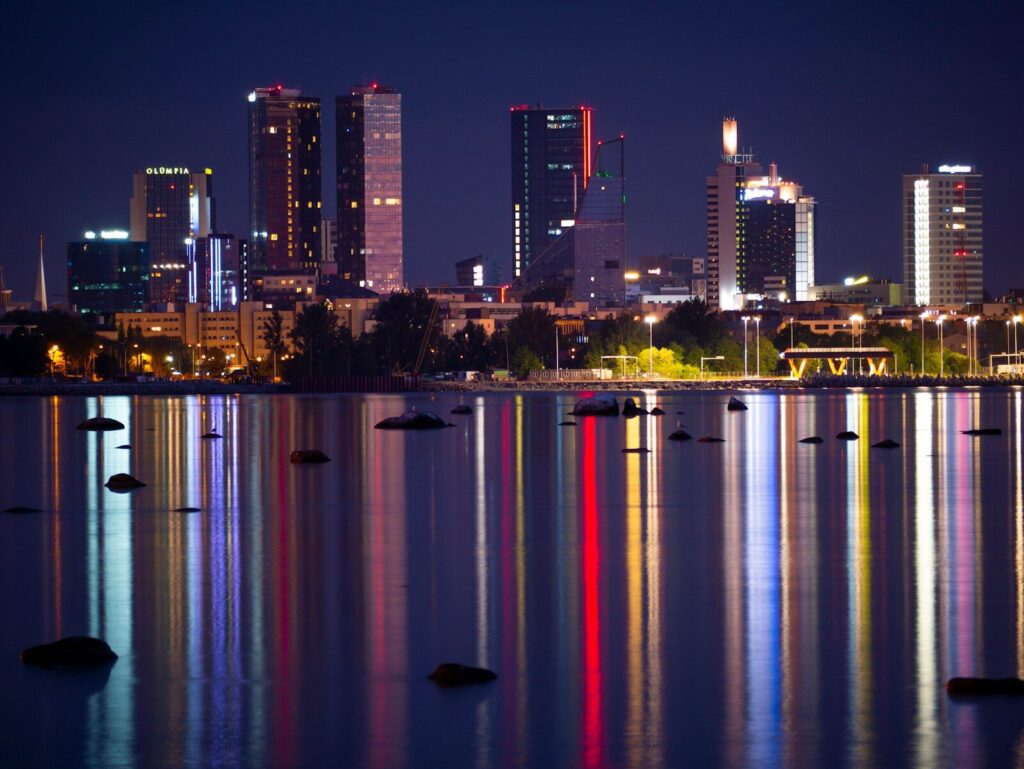
A walled medieval capital with a new creative half
Tallinn splits neatly in two. Above, on the limestone bluff of Toompea, church towers and the palaces of former ruling powers look down over the harbour that made this city rich. Below, the Lower Town's cobbled lanes, merchant houses and guild halls trace almost exactly the street plan the Hanseatic League laid out seven centuries ago — enough survives intact that UNESCO listed the whole Old Town as a single World Heritage Site. Walk twenty minutes north-west, though, and the mood changes completely: Kalamaja's wooden fishermen's cottages give way to Telliskivi Creative City, a Soviet-era rail depot now packed with design studios, breweries and a Fotografiska outpost. Tallinn's trick is holding both versions of itself at once, a ten-minute tram ride apart.
- → A UNESCO Old Town small enough to walk in a morning, dense enough to fill three days properly.
- → Kalamaja and Telliskivi for the city's best food, coffee and design shopping, minus the tour groups.
- → Kadriorg's palace park for a slower, greener afternoon a short tram ride from the centre.
- → An easy add-on to a Baltic or Nordic trip via same-day ferries to Helsinki and Stockholm.
“Climb any of Toompea's viewing platforms and Tallinn gives away its whole plot at once — spires, cranes, and a rail yard turned design district, all inside the same short skyline.”
Teekonda small-group feelWhen to go, season by season
Tallinn sits on the Gulf of Finland, which keeps its climate milder than the latitude suggests but also windier and greyer than visitors expect. Daylight swings dramatically between seasons — close to round-the-clock light in June, barely six hours by December.
Spring · Mar–May
March still carries a raw Baltic chill, but by May the Old Town's courtyards and Kadriorg's park are properly green again, with far fewer visitors than summer.
Summer · Jun–Aug Recommended
The obvious choice: highs around 20-22°C, terraces open across Raekoja plats and Telliskivi, and daylight lasts close to 19 hours around the June solstice. Ferries from Helsinki run at their busiest, so book Old Town hotels ahead.
Autumn · Sep–Nov
September often matches summer for mild, dry weather with a fraction of the crowds — arguably the best value stretch of the year. By November it is properly cold, wet and dark by mid-afternoon.
Winter · Dec–Feb
Genuinely cold and often snowy, with roughly six hours of daylight at the darkest point. Also when Raekoja plats hosts its Christmas market, and Old Town's stone lanes look their most atmospheric under snow.
Choosing your base
Almost everything worth doing sits within three compact areas, each with a distinct character.
Medieval streets and church spires
The obvious base: cobbled lanes, Raekoja plats, Toompea's viewing platforms and the old guild houses, all walkable within the surviving town wall. Expect higher hotel prices and more foot traffic by day.
Wooden houses and the creative quarter
Tallinn's most interesting eating and drinking is here, in a former fishermen's district of wooden 'Tallinn houses' anchored by Telliskivi Creative City's converted rail buildings. A 15-minute walk or five-minute tram from Old Town.
Palace park and quiet residential streets
Peter the Great's baroque palace and its formal gardens, plus the Kumu art museum and leafy Art Nouveau streets — a calmer, greener base a short tram ride from the centre.
What to eat
Verivorst
Barley-and-pork blood sausage that appears on menus across Old Town every December, though a handful of restaurants serve it year-round for the curious.
Mulgikapsad
Slow-cooked sauerkraut with barley and pork, a countryside dish that turns up on hearty Old Town menus aimed at winter appetites.
Kama
A roasted grain-and-pea flour mix stirred into buttermilk or kefir, sold in cafés as a quick, slightly nutty breakfast or dessert base.
Rukkileib
Dense, sour black rye bread that anchors every Estonian table; look for it warm and buttered at Kalamaja's neighbourhood bakeries.
Kiluvõileib
Open rye sandwiches piled with marinated Baltic sprats, egg and dill — the classic quick lunch at Tallinn's market halls.
Rosolje
A beetroot, potato and herring salad bound with sour cream, common on festive menus and a good gateway dish for herring skeptics.
Sült
A savoury meat aspic served cold with mustard, a Christmas market staple and a proper taste of old-school Estonian cooking.
Suitsukala
Smoked fish sold straight from smokehouse stalls at Balti Jaam Market, worth seeking out over any restaurant version.
Kohuke
A chocolate-coated sweet curd bar sold in every corner shop fridge — the Estonian answer to a chocolate bar, worth trying a few flavours of.
Marzipan
Tallinn's Town Hall Pharmacy on Raekoja plats claims to have invented marzipan as medicine before it became a sweet — the story alone is worth the visit.
Vana Tallinn
A spiced rum-based liqueur sold everywhere from souvenir shops to cocktail bars; better mixed into coffee or a cocktail than drunk neat.
Kringel
A cardamom-scented braided sweet bread found in Kalamaja bakeries, traditionally shared rather than eaten alone.
Hapukapsasupp
A tangy sauerkraut soup that shows up on traditional menus in the colder months, simple and warming after a day on cobblestones.
Küüslauguleivad
Deep-fried garlic rye bread sticks served with cheese dip, a beloved bar snack found in nearly every Old Town pub.
Did you know?
A mix of everyday quirks and the deeper history behind them, split into two quick reads.
A flag is said to have fallen from Tallinn's sky
A Soviet luxury hotel had a secret floor
Europe's oldest continuously run pharmacy is on the main square
The world's first public Christmas tree, maybe
Nearly two kilometres of medieval wall still stand
St Olaf's Church was briefly the tallest building on Earth
Three Tallinn coders wrote the software behind Skype
A tower nicknamed 'Fat Margaret' still guards the harbour gate
Viewing platforms are named after the streets leading to them
Two rival merchant guilds built halls almost next door
Old Town's narrowest passage is named for a cat
Danes founded the fortress that gave the city its name
The Hanseatic League built the city seen today
Toompea and the Lower Town were once run separately
Sweden ruled for close to a century
Peter the Great built a palace here after conquering the city
The 19th century brought industry and a national awakening
Independence was declared in Tallinn in 1918
Occupation and war scarred the city twice over
Song brought tens of thousands to one field
Mass singing helped end Soviet rule
Independence returned in 1991, and Europe followed in 2004
Before you go
Estonia is in the Schengen area, so EU citizens can enter with a valid ID card or passport. Many other nationalities can enter visa-free for short stays, though some travellers now need an ETIAS travel authorisation — check current requirements for your passport before booking.
Old Town is entirely walkable and largely pedestrianised. Trams and buses reach Kalamaja, Kadriorg and the airport within 15-20 minutes on the same contactless-card ticketing, and the airport tram makes a rental car unnecessary for a city-only trip. Ferries from the harbour reach Helsinki in around two hours and Stockholm overnight.
Coverage is excellent throughout the city, EU roaming works as normal, and a local eSIM is easy to set up on arrival. Free wifi is common in cafés, on trams and even aboard the Helsinki ferries.
Estonia uses the euro, and contactless cards are accepted almost everywhere, including market stalls and public toilets. Tipping isn't obligatory, but rounding up or adding around 10% for good restaurant service is appreciated.
Entry requirements and local conditions can change — always confirm the latest guidance for your nationality before travelling.
Old Town's cobblestones are rough on wheeled suitcases — pack a bag you can carry for the last stretch to your hotel, and expect some streets to be closed to cars entirely.
Common questions
How many days do I need in Tallinn?
Is Tallinn walkable, or do I need public transport?
Is Tallinn a good day trip from Helsinki?
Interested in Tallinn with Teekonda?
Small-group time in Tallinn's Old Town and creative quarters, built for travellers who want real history and good food without a rushed itinerary.
Find a trip


