
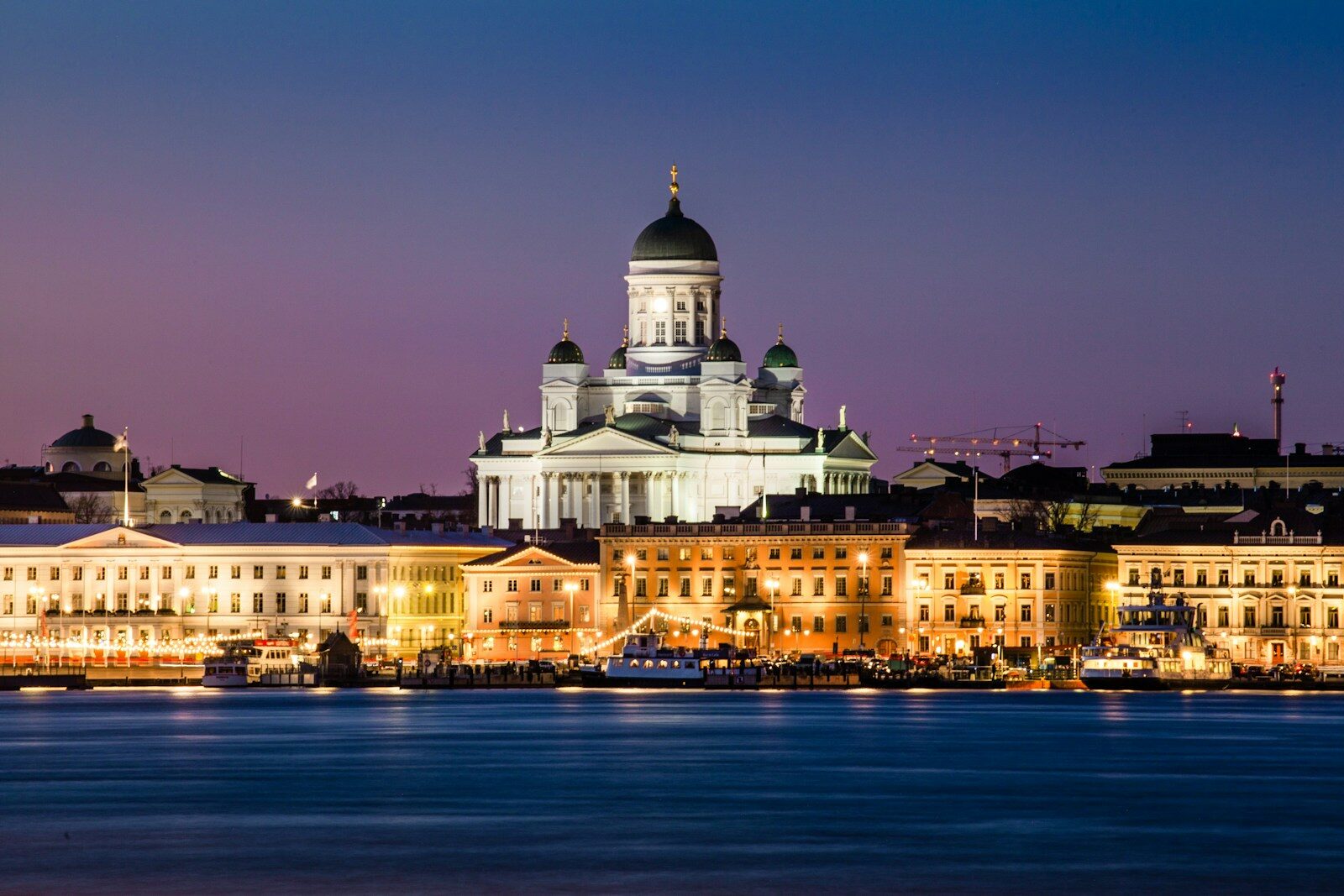
Helsinki Travel Guide
Finland's compact, sea-facing capital — Nordic design, sauna culture and hundreds of Baltic islands, all within an easy walk of the centre.
- Nordic design capital
- UNESCO sea fortress
- Gateway to the Baltic islands
Helsinki, frame by frame
A visual pass through the city, from the sea fortress to the Design District.
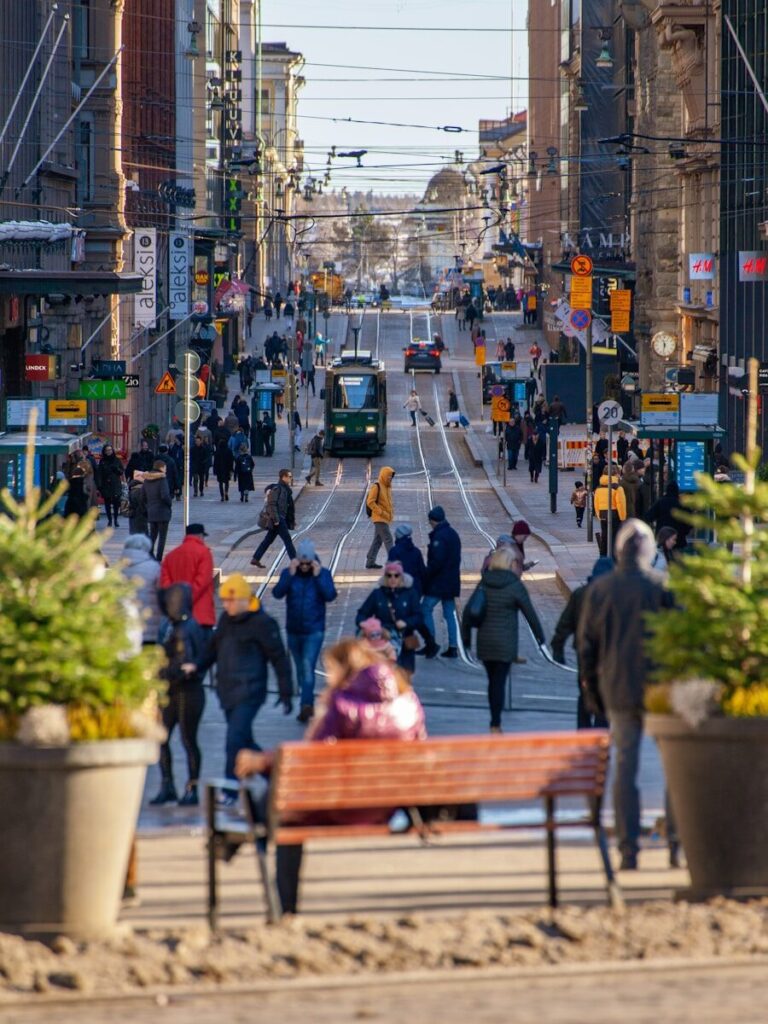
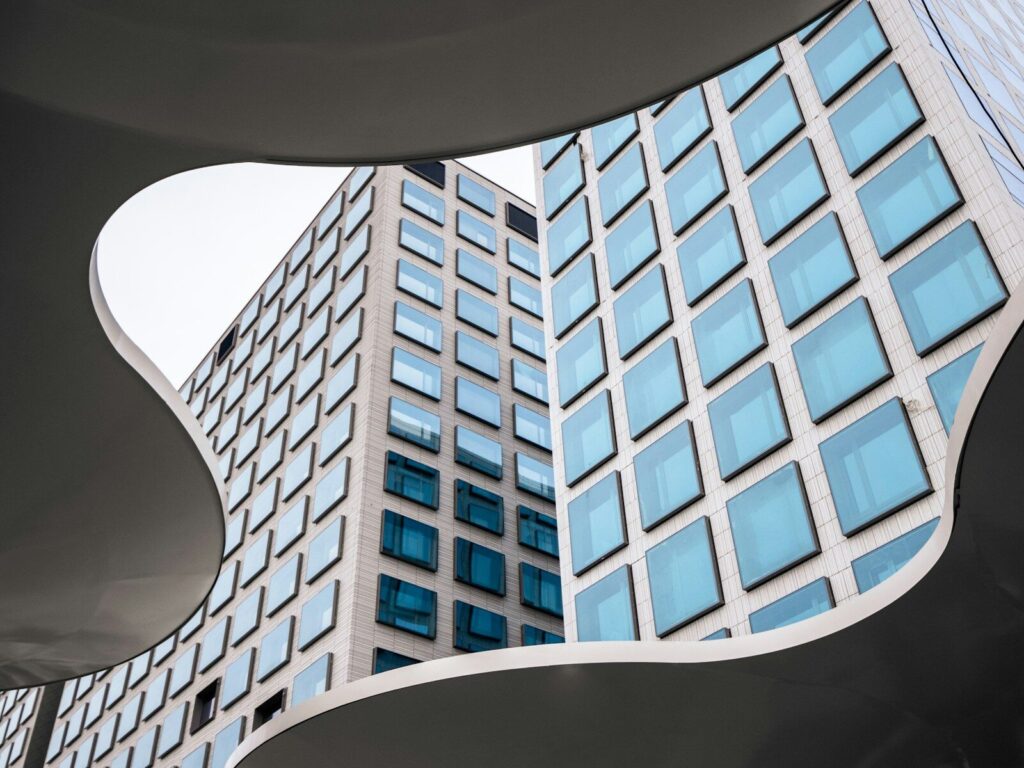
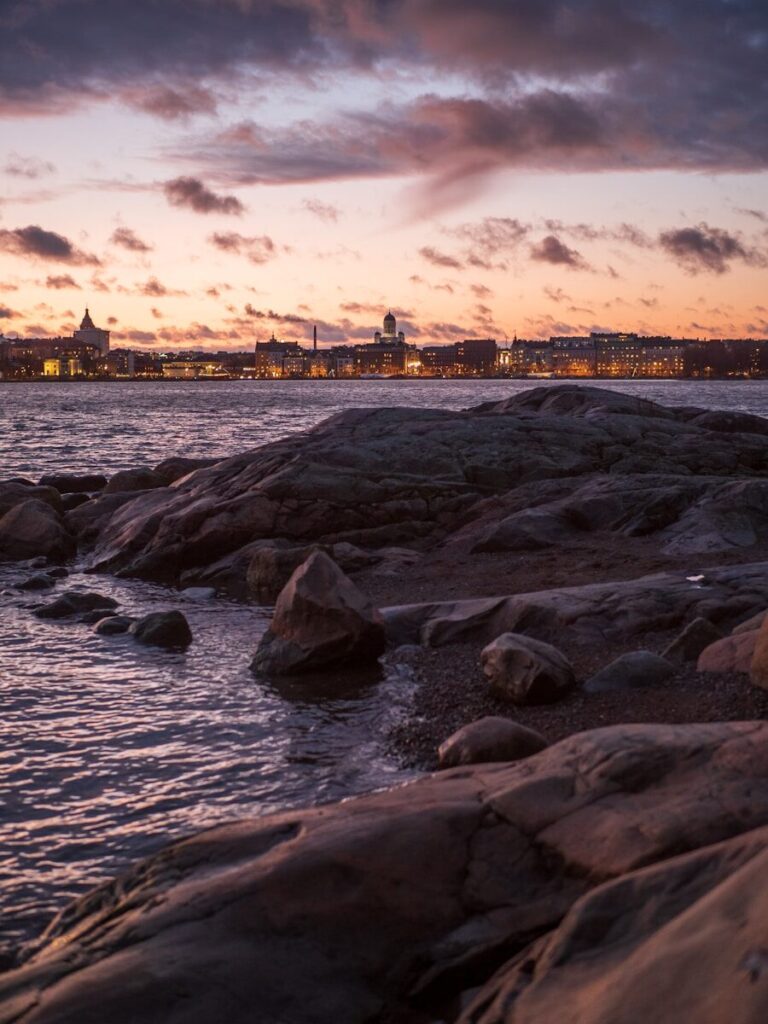
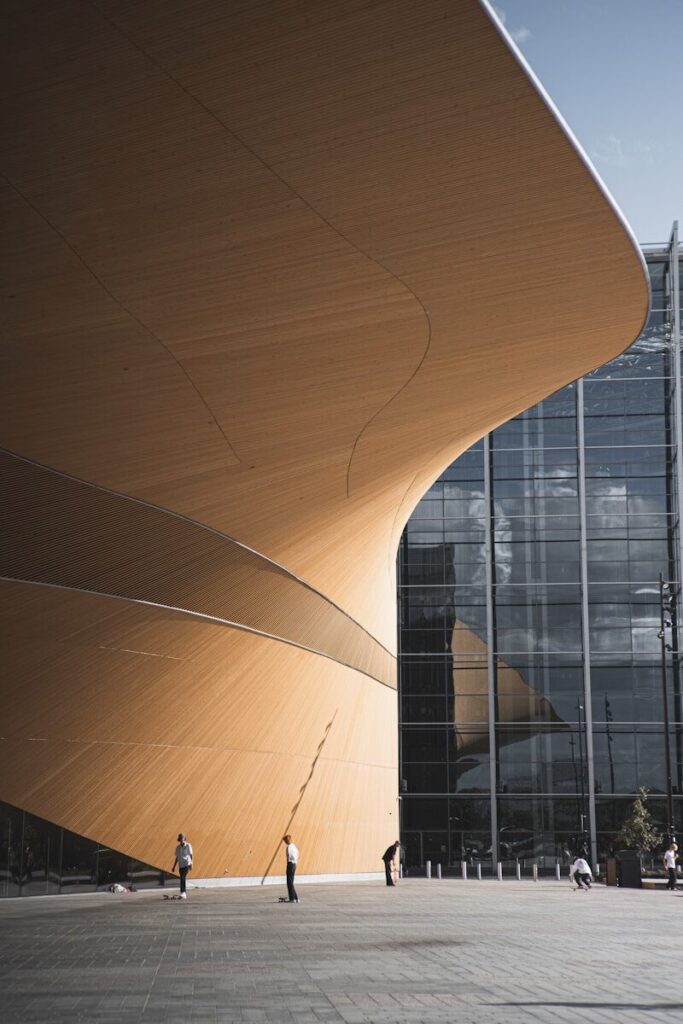
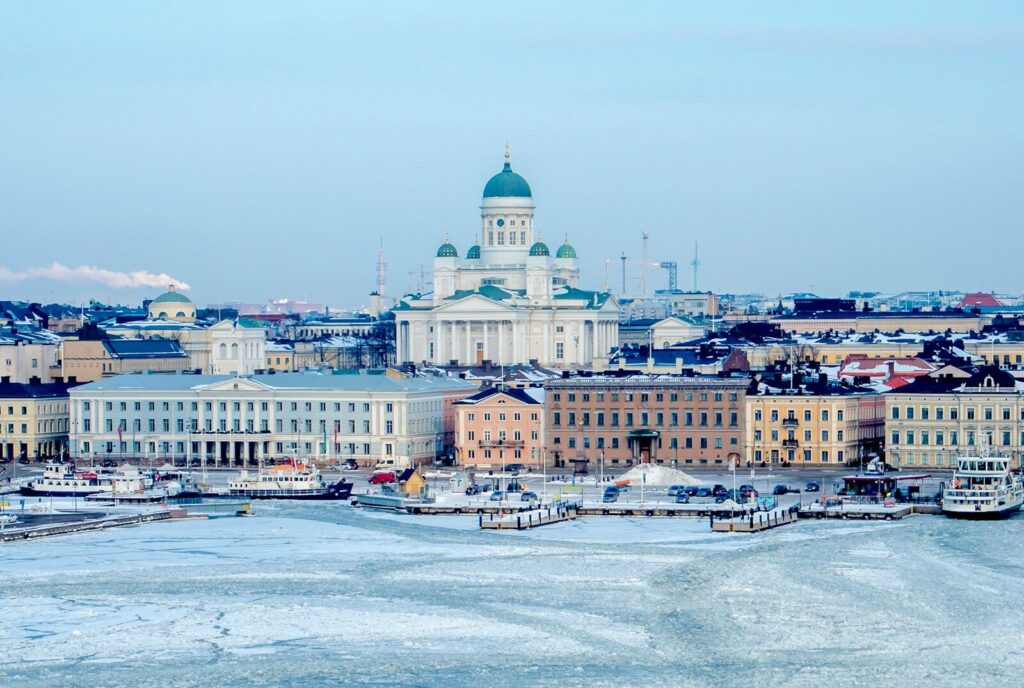
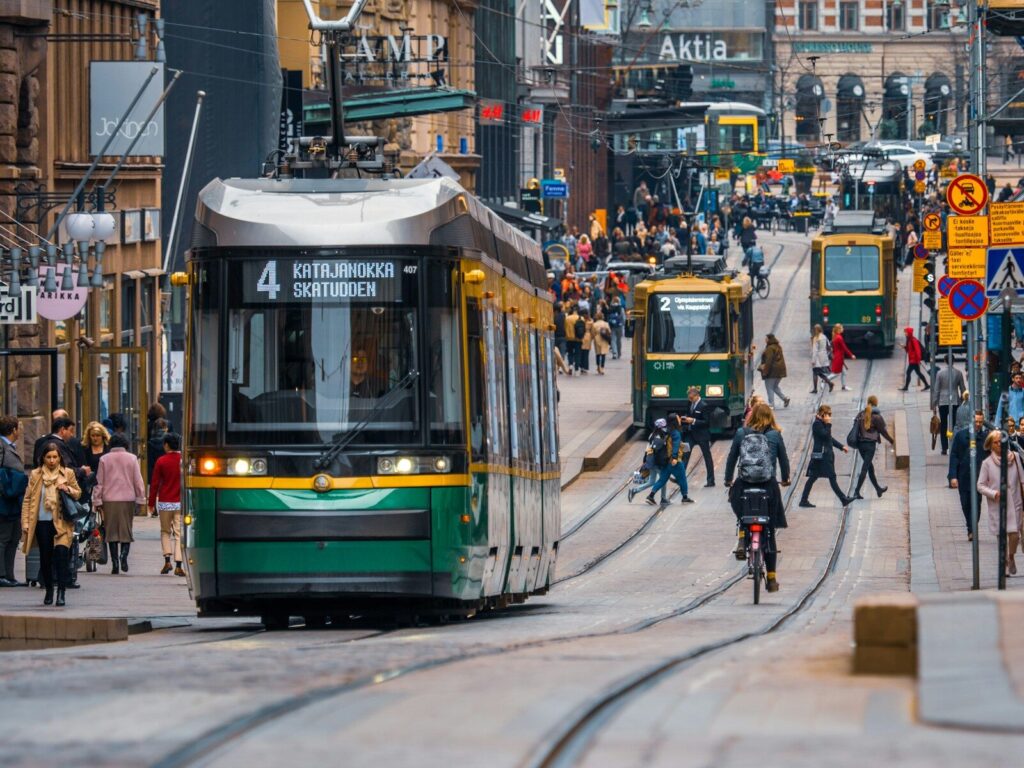
Design, sea air and a calmer city rhythm
Built on a peninsula and fringed by more than 300 islands, Helsinki packs a UNESCO sea fortress, a celebrated Design District and a genuine sauna culture into a city small enough to explore mostly on foot. Neoclassical squares sit beside granite Art Nouveau facades and quietly confident modern architecture, while ferries keep the wider archipelago within easy reach. Use it as a calm, orderly base for slow city days and easy island escapes.
- → Ideal for small groups who enjoy walkable, design-led cities with a slower, more deliberate pace.
- → A natural base for ferry day trips to the UNESCO-listed Suomenlinna fortress and the surrounding archipelago.
- → Suited to travellers curious about sauna culture, Nordic food and a genuine four-season climate.
- → Works well paired with Tallinn, a short ferry away, or the wider Baltic states for a multi-capital itinerary.
“A city that never raises its voice, yet rewards every quiet detour — into a sauna, a ferry queue, or a design studio courtyard.”
Teekonda small-group feelWhen to go, season by season
Helsinki has a humid continental climate with genuine seasons — mild, bright summers with nearly round-the-clock daylight, and cold, snowy winters with only a few hours of light. Late spring and summer are the most comfortable and popular months to visit.
Spring · Mar–May Recommended
Days lengthen fast and parks turn green again; by May temperatures sit around 10-15°C, crowds are lighter and accommodation is noticeably cheaper than summer.
Summer · Jun–Aug Recommended
The city's high season, with highs around 20-22°C, packed waterfront terraces, island ferries running at full tilt and near-endless daylight around the June solstice.
Autumn · Sep–Nov
September stays mild and golden with fewer visitors, but days shorten quickly through October and November as the city turns inward for the coming winter.
Winter · Dec–Feb
Short, dark days, frequent snow and temperatures that can drop well below freezing — but also the season for cosy sauna evenings, Christmas markets and, on clear nights, a chance of aurora.
Choosing your base
Helsinki is compact enough that most central neighbourhoods work well, but each has its own character.
The bohemian local favourite
A short tram ride from the centre, Kallio's second-hand shops, workers' hall and lively bar scene make it a favourite with locals and budget-conscious visitors alike.
Punavuori & the creative core
More than 25 streets of design studios, galleries, vintage shops and natural wine bars, right beside the city centre — a good pick for first-time visitors who want to walk everywhere.
The waterfront island pocket
Cobbled streets, pastel Art Nouveau buildings and the onion domes of Uspenski Cathedral, just over the water from Market Square — quieter, with harbour views from almost every corner.
What to eat
Karjalanpiirakka
Thin rye pastries filled with rice or potato and topped with egg butter, one of Finland's most iconic everyday foods.
Lohikeitto
A creamy salmon soup with potatoes, carrots, leeks and plenty of fresh dill, comfort food in its purest Nordic form.
Poronkäristys
Thin slices of reindeer sautéed in butter, traditionally served with mashed potatoes and lingonberries.
Kalakukko
A dense Savonian fish pie, whole fish and pork baked slowly inside a thick rye crust.
Lihapullat
Finnish meatballs of pork and beef, served with mashed potatoes, cream sauce and lingonberry jam.
Grilled Baltic herring
Small silvery fish, fried or grilled whole, sold from stalls at Market Square much as they have been for centuries.
Ruisleipä
Dense, dark sourdough rye bread that anchors most Finnish meals and is central to the national food identity.
Korvapuusti
Soft, cardamom-spiced cinnamon buns, the standard companion to a Finnish coffee break.
Mustikkapiirakka
A simple, much-loved pie made with fresh wild blueberries foraged from Finland's forests.
Grillimakkara
Grilled sausage sold from kiosks and summer festival stands, Finland's favourite casual street food.
Mustamakkara
Dark, blood-based sausage traditionally paired with lingonberry jam, found in traditional eateries across the country.
Salmiakki
Salty liquorice with a distinctive, sharply savoury flavour that most Finns grow up loving.
Glögi
Spiced mulled wine or juice, served warm with almonds and raisins through the darker winter months.
Coffee and pulla
Not one dish but a daily ritual — Finns are among the world's heaviest coffee drinkers, always paired with a sweet bun.
Did you know?
A mix of everyday quirks and the deeper history that shaped them, split into two quick reads.
Suomenlinna sits on eight islands, reachable only by sea
There are said to be more saunas than cars in Finland
One arena box came with its own working sauna
Helsinki has doubled as Moscow on screen
The city sits among more than 300 islands
Two cathedrals face off across the city centre
June brings nights that never really get dark
A herring market has run here since the 18th century
It's the world's northernmost metro system
Design is treated as civic infrastructure
Finland regularly tops world happiness rankings
Helsinki was founded to rival a Baltic neighbour
The sea fortress predates the modern city centre
Russia took control in 1809
The capital moved here from Turku in 1812
A single architect shaped the historic centre
Independence came amid revolution and war
Helsinki was bombed in the opening days of the Winter War
The 1952 Olympics closed a twelve-year wait
Suomenlinna earned UNESCO status in 1991
Finland joined the European Union in 1995
The design reputation is a recent official one
Before you go
Finland is part of the Schengen area. Many nationalities can enter visa-free for short stays, though ETIAS, the EU travel authorisation for visa-exempt travellers, is planned but not yet in force. Check the official EU travel site for current requirements before booking.
Walking, trams and the metro cover the centre easily; the HSL app sells digital tickets and plans routes across trams, buses, metro and ferries. A dedicated ferry from Market Square reaches Suomenlinna in about fifteen minutes.
EU roaming or a local e-SIM from a Finnish carrier works well across the city; wifi is widely available in cafes, hotels and on public transport.
Contactless cards are accepted almost everywhere, cash is rarely needed. Service is included by law, so tipping isn't expected, though rounding up for great service is appreciated.
Entry requirements and local conditions can change — always confirm the latest guidance for your nationality before travelling.
Three to four days lets you cover central Helsinki, a Suomenlinna day trip and at least one proper sauna session without rushing. Add extra time if you want to combine it with a short ferry hop across to Tallinn or explore further into the archipelago.
Common questions
How many days do I need in Helsinki?
What's the best way to visit Suomenlinna?
Do I need to speak Finnish to get by?
Interested in Helsinki with Teekonda?
Small-group journeys through Nordic Europe, designed for travellers who want design, nature and a slower pace done properly.
Find a trip


