
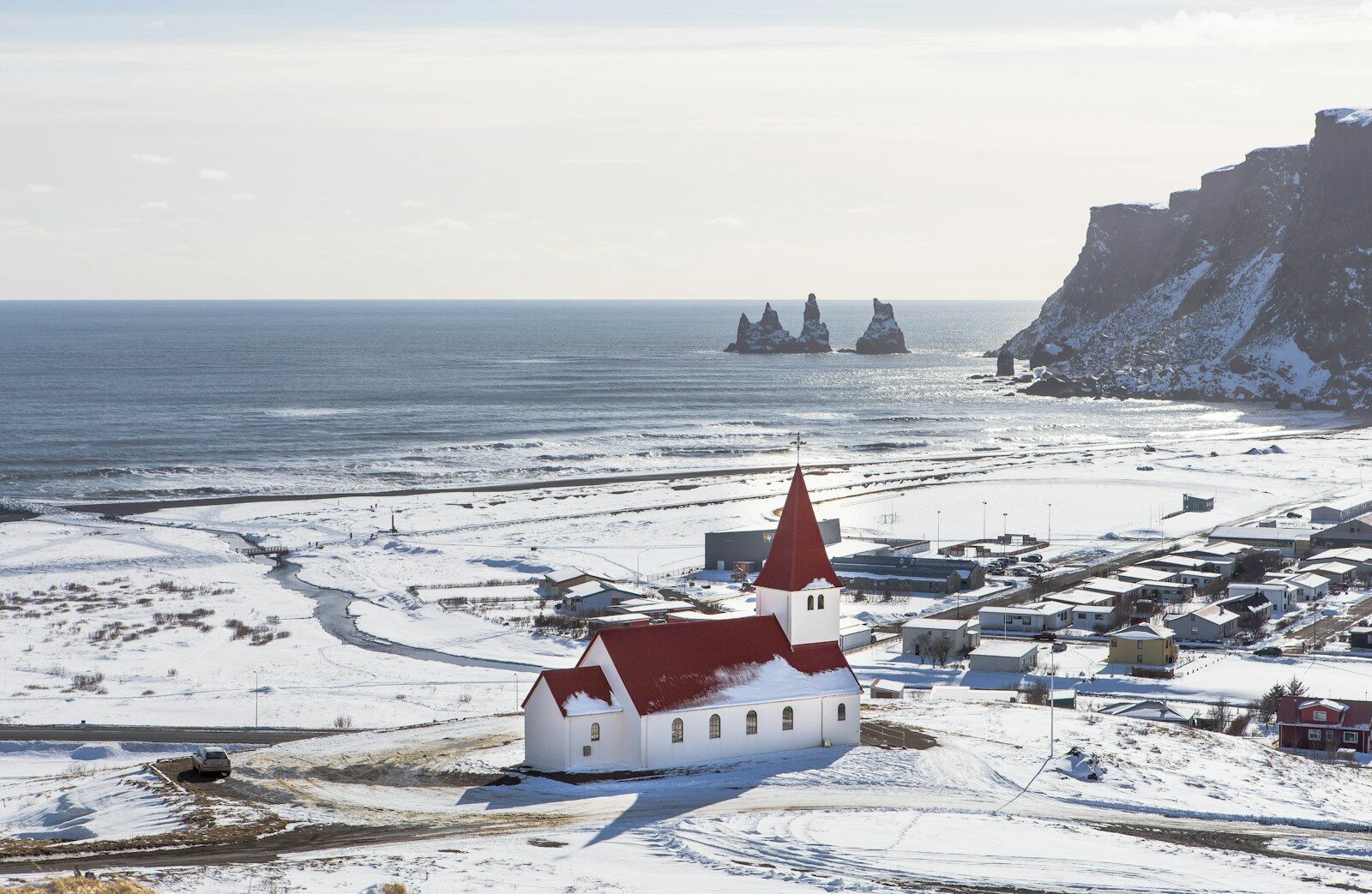
Iceland Travel Guide
A volcanic island at the edge of the Arctic Circle, where glaciers meet lava fields, waterfalls thunder beside geothermal steam, and the sky itself puts on a show.
- Northern Lights
- Glaciers & waterfalls
- Land of fire and ice
Iceland, frame by frame
A visual pass through the island, from glacial ice to geothermal steam.
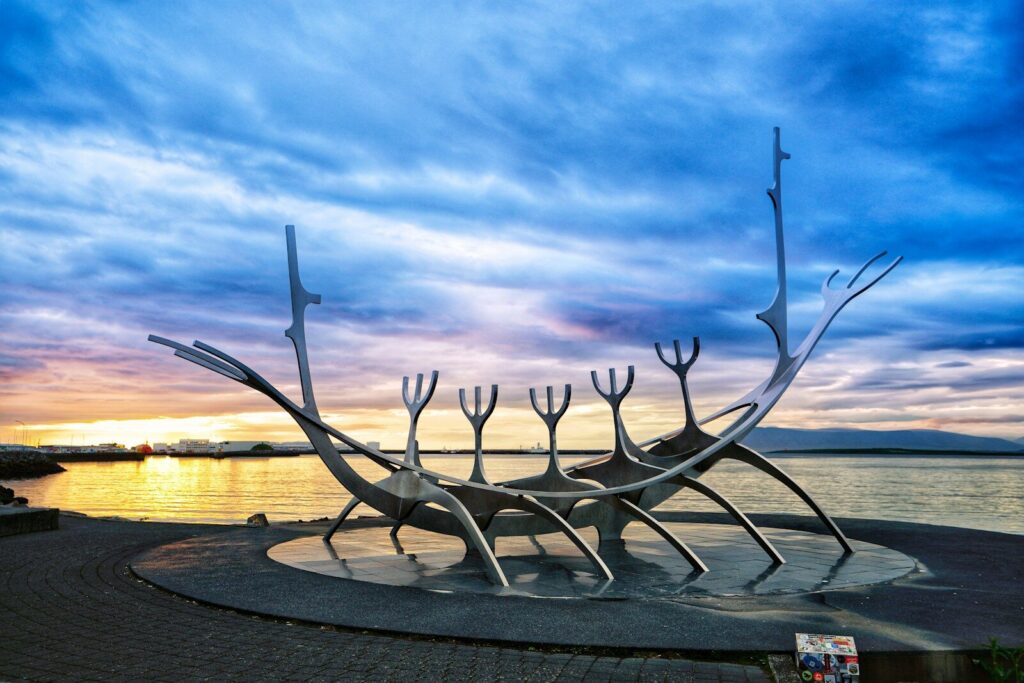
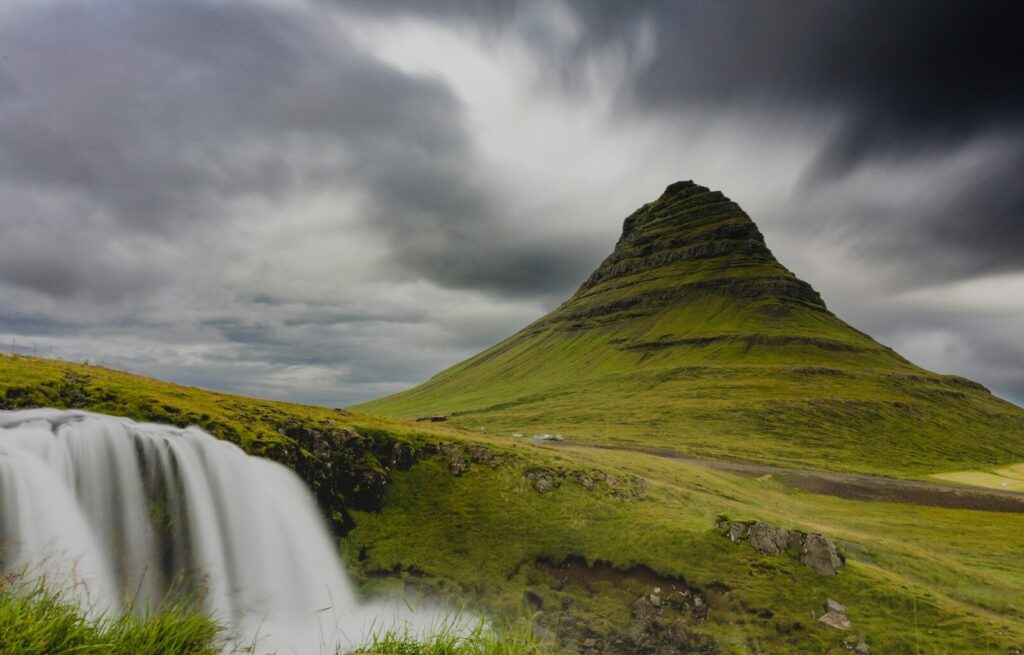
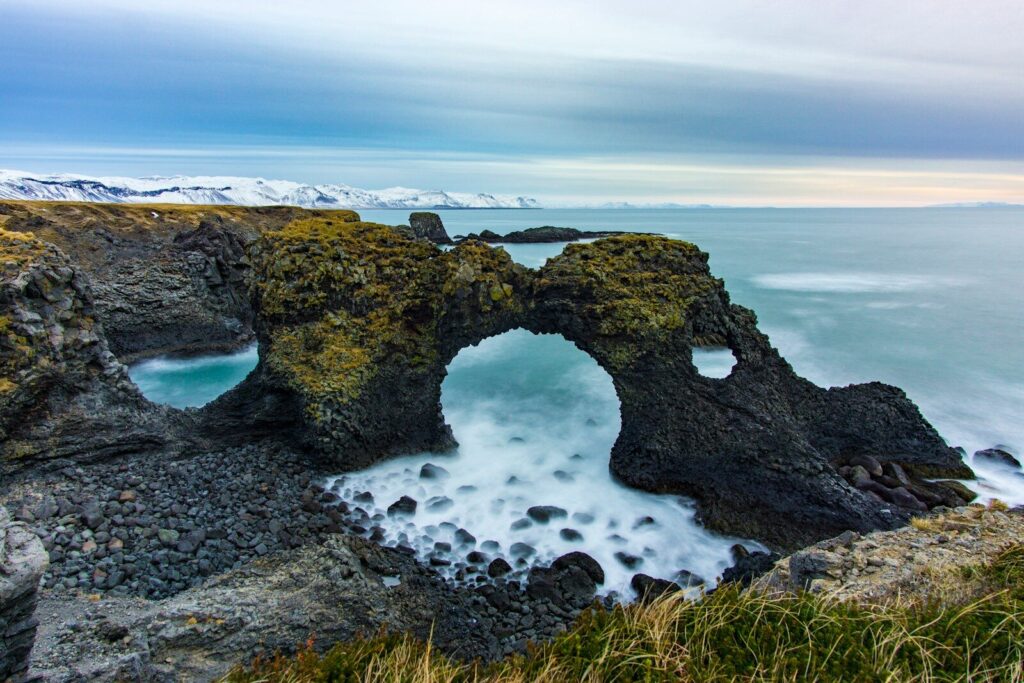
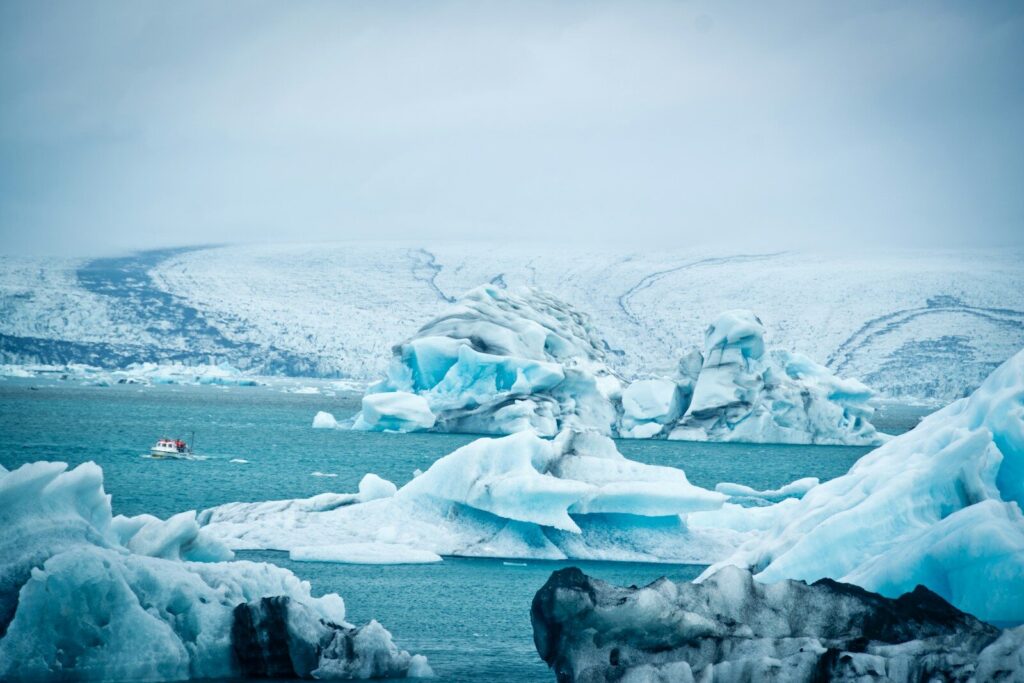
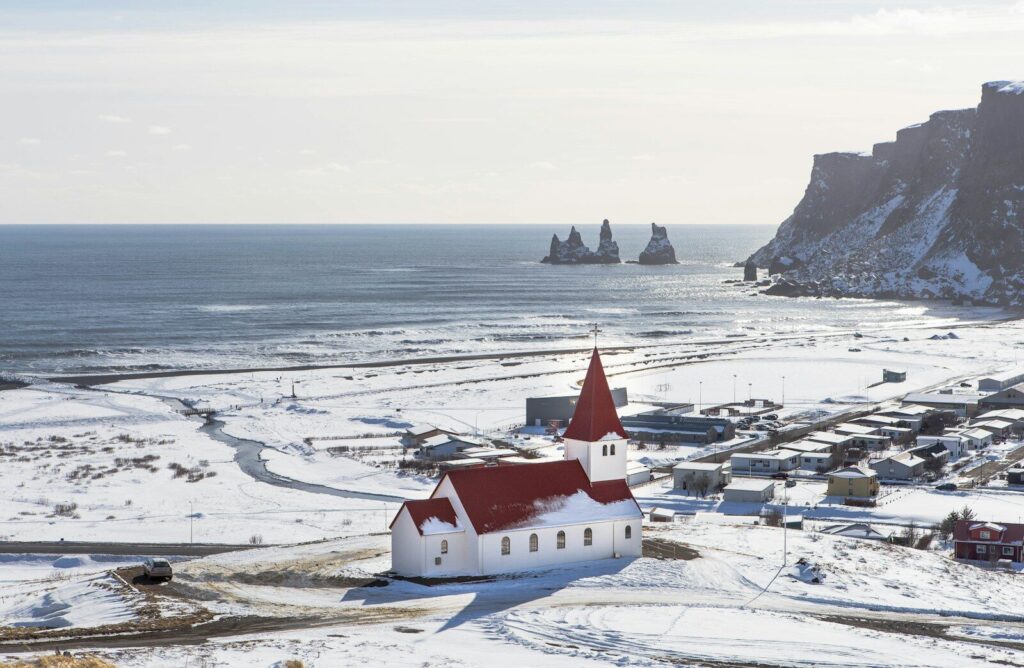
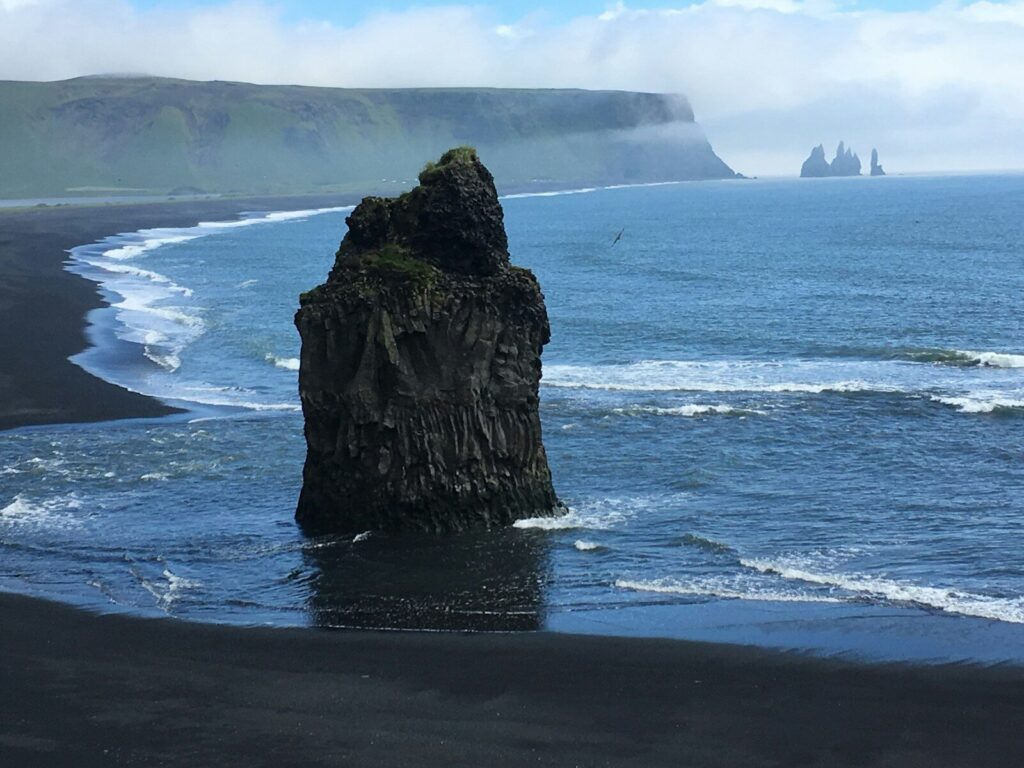
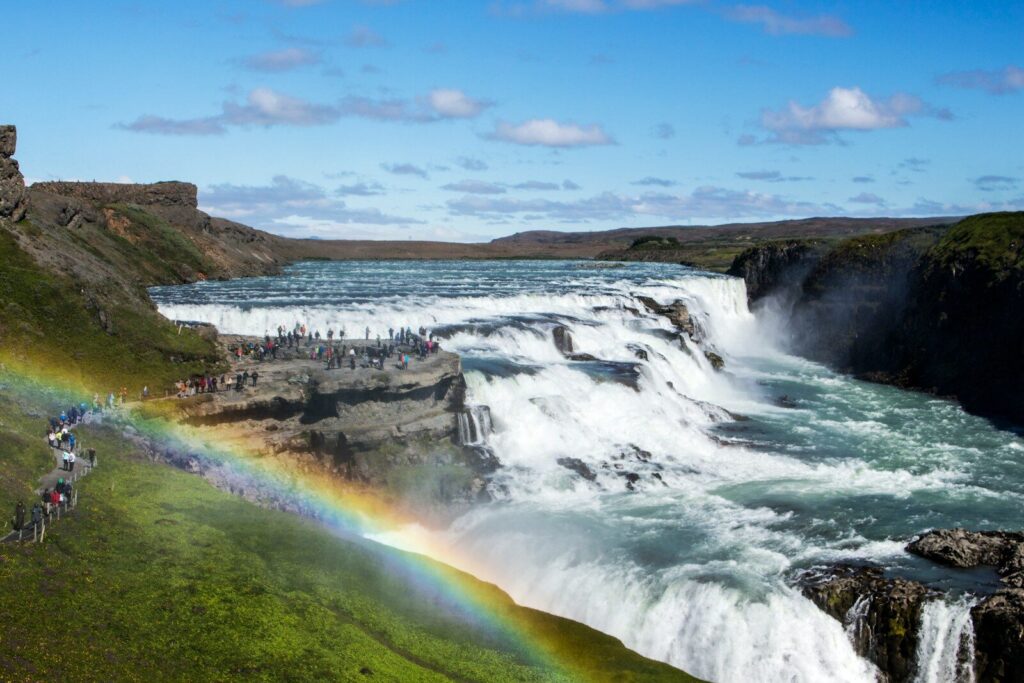
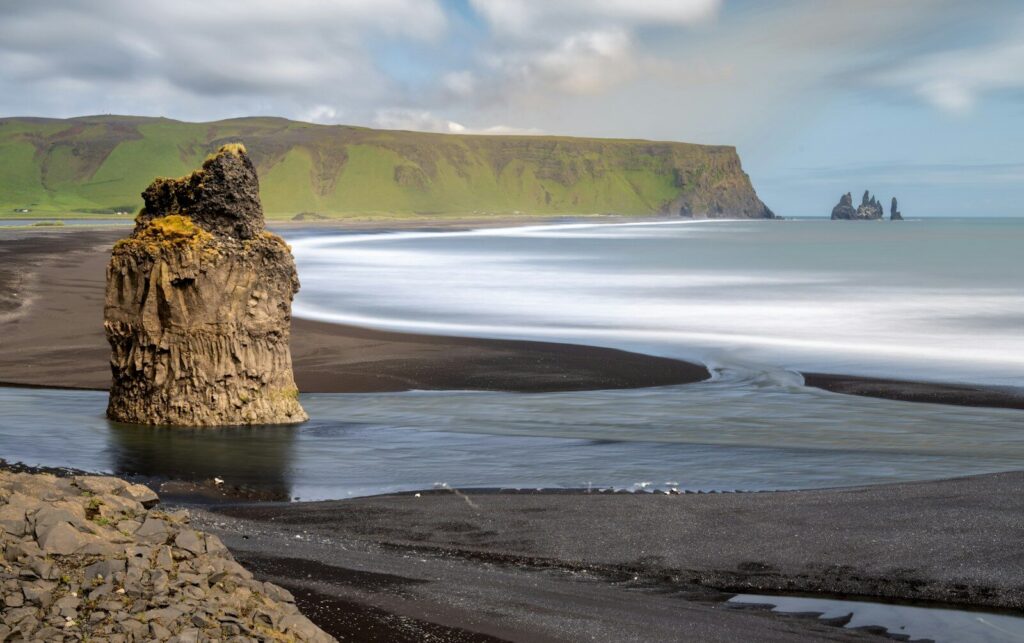
Glaciers, waterfalls and a sky worth staying up for
Iceland packs an outsized range of landscapes into one mid-Atlantic island — black sand beaches, thundering waterfalls, steaming geothermal fields and rivers of frozen ice, often within an hour's drive of each other. It's a place that rewards both the big three-day highlight reel and the slower, week-long loop around the Ring Road, with long winter nights that turn the sky into part of the itinerary.
- → Ideal for small groups chasing the Northern Lights, with dark, clear winter nights giving the best odds over multiple tries.
- → A strong fit for active travellers keen on glacier walks, waterfall hikes and geothermal bathing in the same trip.
- → Best explored with a rental car or organised transport, since the country's highlights are spread along its coastline and interior.
- → Works equally well as a 3-4 day South Coast and Golden Circle trip or a longer loop around the full Ring Road.
“A landscape that feels unfinished — still being shaped by fire, ice and water, right in front of you.”
Teekonda small-group feelWhen to go, season by season
Iceland's weather changes fast and varies by region, but its maritime climate keeps winters milder than the latitude suggests and summers cool. Locals half-joke that you can experience all four seasons in one day, so layering matters more than the calendar.
Spring · Mar–May
Snow starts melting, days lengthen fast, and roads reopen — a quieter shoulder season with a decent late chance at the Northern Lights in March.
Summer · Jun–Aug Recommended
Near-endless daylight under the midnight sun, mild temperatures and full access to the Highlands — the easiest season for road trips and hiking, though also the busiest.
Autumn · Sep–Nov Recommended
Nights turn dark again by September, bringing back the Northern Lights while daytime temperatures stay mild enough for comfortable sightseeing.
Winter · Dec–Feb Recommended
The prime Northern Lights season, with long dark nights, snow-covered landscapes and ice caves — but shorter days and the need to watch road conditions closely.
Choosing your base
Iceland rewards a base chosen for what you're chasing — city comforts, coastal drama, or the classic Golden Circle loop.
The compact capital base
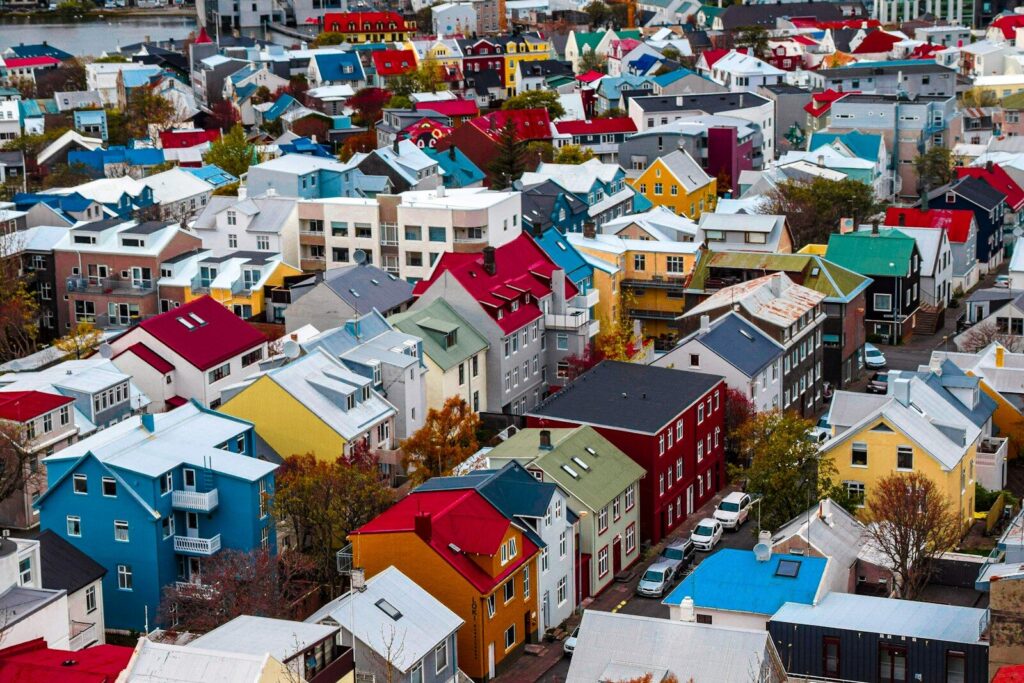
Iceland's colourful, walkable capital, with the country's best restaurants and nightlife, and easy day trips to the Golden Circle and Reykjanes Peninsula.
Waterfalls, black sand and glaciers
A small coastal village that puts Seljalandsfoss, Skógafoss, Reynisfjara's black beach and the glacier lagoons within comfortable reach.
The practical inland base
A central, well-stocked town near Þingvellir, Geysir and Gullfoss, useful for combining the Golden Circle with an onward drive to the south coast.
What to eat
Skyr
A thick, protein-rich cultured dairy staple, traditionally eaten for breakfast, dating back to the earliest Norse settlers.
Hangikjöt
Smoked lamb, often served sliced with boiled potatoes and a simple white sauce, a classic winter and holiday dish.
Kjötsúpa
A hearty lamb and root vegetable soup that's been a staple since the settlement era.
Plokkfiskur
A comforting mashed fish and potato dish, often topped with melted cheese and served with dark rye bread.
Harðfiskur
Wind-dried fish, usually cod or haddock, eaten as a snack often spread with butter.
Rúgbrauð
Dense, slightly sweet dark rye bread, traditionally baked slowly using geothermal heat underground.
Icelandic Lamb
Free-range and grass-fed on wild herbs, considered some of the most flavourful lamb in the world.
Pylsur
Iceland's beloved lamb-and-beef hot dog, traditionally topped with raw and crispy onions, ketchup, sweet mustard and remoulade.
Humarsúpa
A rich, creamy langoustine soup found along the South Coast, especially around Höfn.
Hákarl
Fermented Greenland shark, cured for months and dried, famously pungent and typically eaten in small amounts as a dare or tradition.
Brennivín
Iceland's signature schnapps, a caraway-flavoured spirit often served alongside hákarl to take the edge off.
Flatkökur
Soft, unleavened rye flatbreads, traditionally served with butter and smoked lamb or fish.
Skyrkaka
A creamy skyr-based cheesecake, a modern favourite built on the same base as the traditional dairy staple.
Kleinur
Twisted, deep-fried pastries similar to a doughnut, popular with coffee.
Did you know?
A mix of everyday quirks and the deeper history that shaped them, split into two quick reads.
Iceland has no mosquitoes
More than half the population believes in elves
Around 85% of homes are heated with geothermal energy
The Blue Lagoon started as an industrial accident
Summers bring nearly 24 hours of daylight
Puffins nest along the cliffs each summer
Tap water is some of the purest in the world
Reykjavik's hot dog stand has hosted presidents
The country runs almost entirely on renewable energy
Icelanders are named after their parents, not a family surname
Iceland was one of the last places in Europe settled
Iceland's parliament is one of the world's oldest
Iceland adopted Christianity by a single, peaceful decision
Icelanders once ruled themselves without a king
Iceland eventually came under Norwegian, then Danish, rule
Independence came gradually through the 20th century
Iceland and the UK clashed over fishing rights
A 2010 eruption grounded flights across Europe
An 18th-century eruption caused famine across Europe
Icelandic sagas remain a living literary tradition
Before you go
Iceland is part of the Schengen area. Many nationalities can enter visa-free for short stays — check current requirements for your passport before booking.
A rental car is the most practical way to see the country, with the Ring Road connecting most major sights; some interior F-roads require a 4x4 and are only open in summer.
Coverage is good along the Ring Road and in towns, with a local eSIM or EU roaming working well; signal can drop in remote highland areas.
Cards are accepted almost everywhere, even for small purchases, so carrying cash is rarely necessary. Tipping isn't expected, as service is generally included.
Entry requirements and local conditions can change — always confirm the latest guidance for your nationality before travelling.
A South Coast and Golden Circle trip works well in 4-5 days, but if the Northern Lights are the goal, build in at least 3-4 clear-sky attempts, since cloud cover — not the aurora itself — is usually what determines a successful night. For the full Ring Road, plan for 8-10 days.
Common questions
When is the best time to see the Northern Lights in Iceland?
Do I need to rent a car in Iceland?
How many days do I need in Iceland?
Interested in Iceland with Teekonda?
Small-group journeys through glaciers, waterfalls and dark winter skies, built for travellers who want nature at its most dramatic.
Find a trip


