

Naples Travel Guide
The raw, exhilarating heart of southern Italy — where UNESCO-listed history, volcanic landscapes and a fiercely proud street culture collide.
- Birthplace of pizza
- UNESCO historic centre
- Gateway to Vesuvius & Pompeii
Naples, frame by frame
A visual pass through the city, from the historic centre to the Gulf.
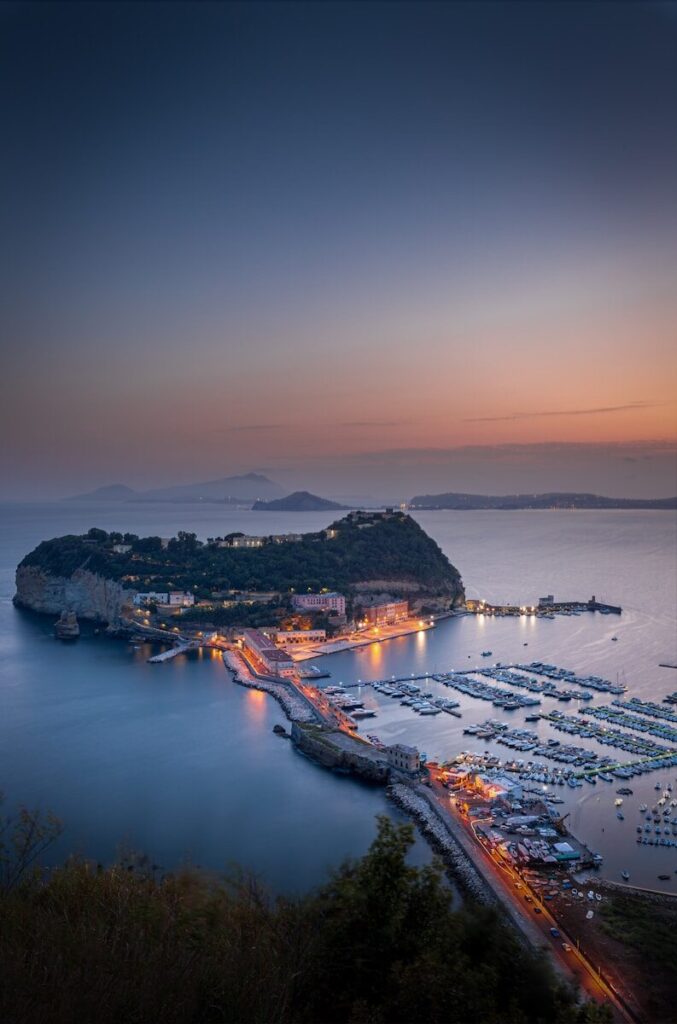
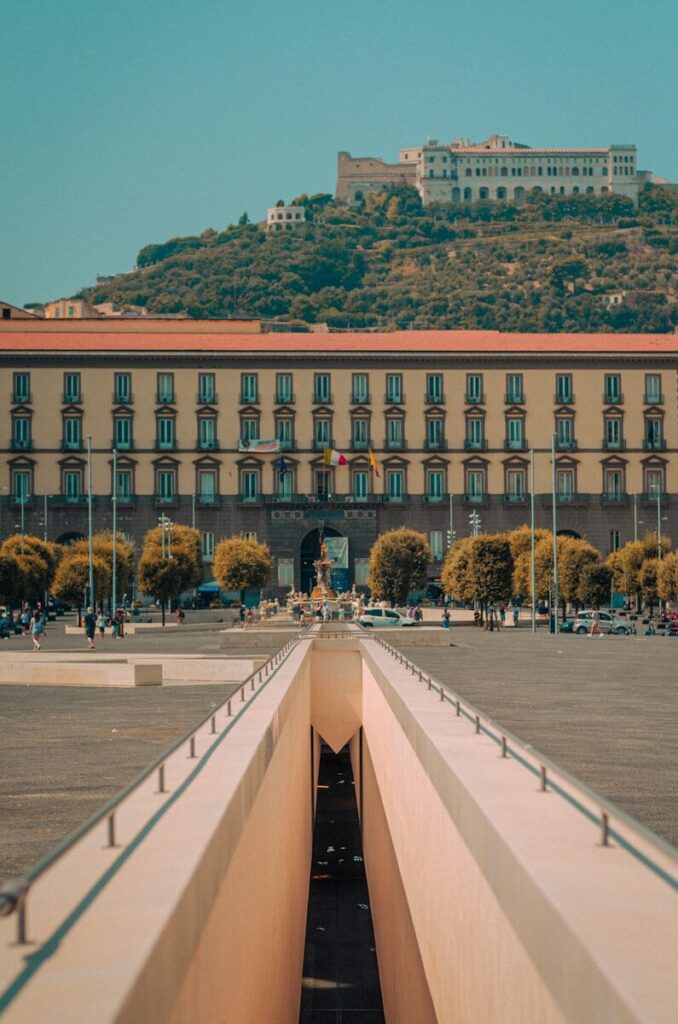
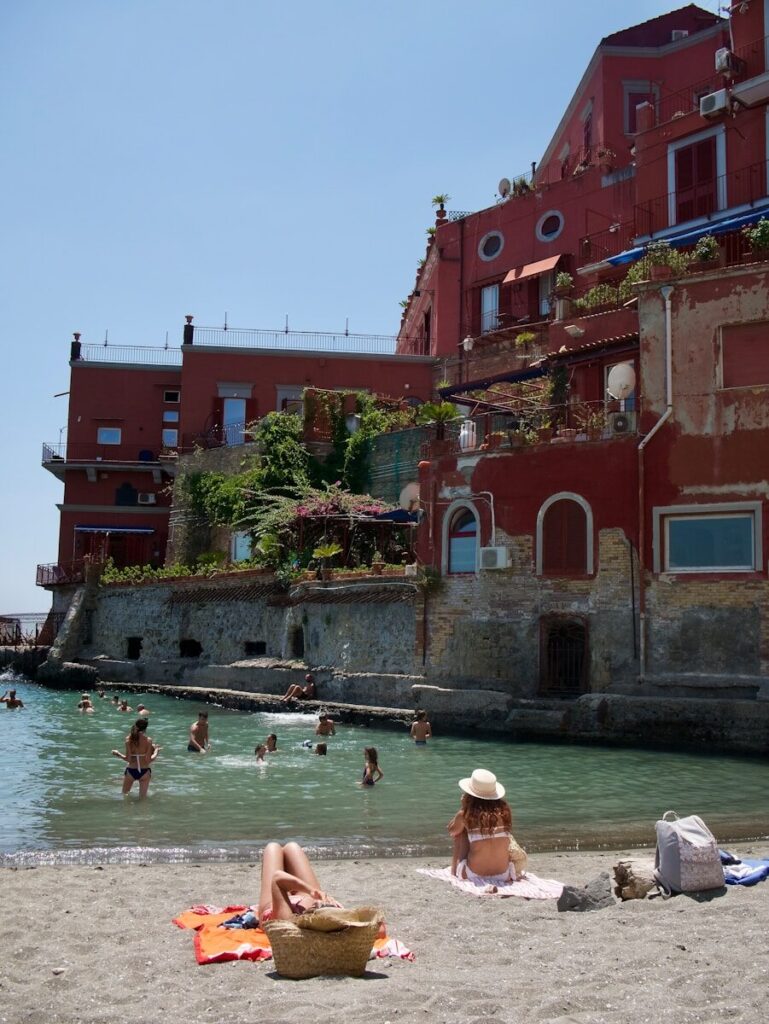

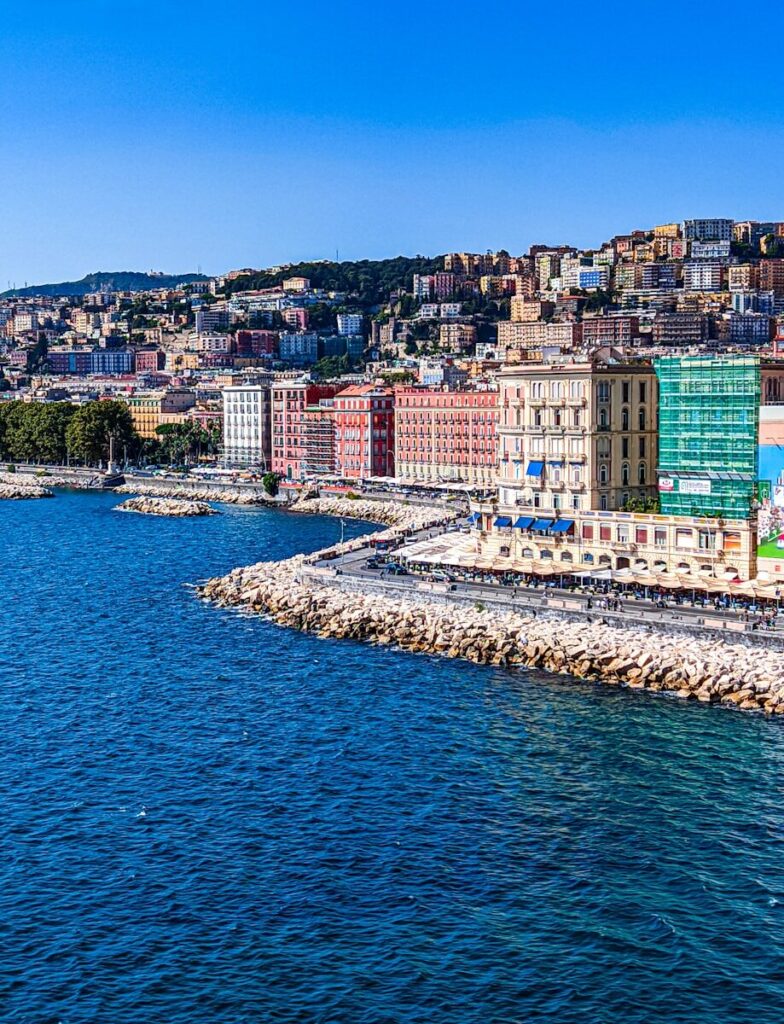
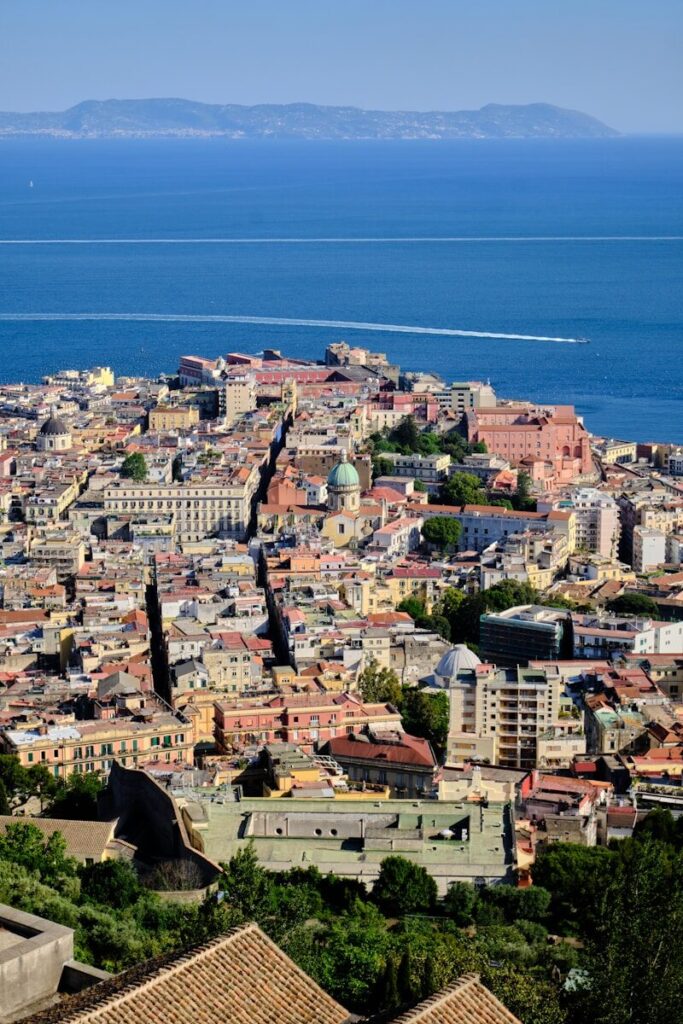
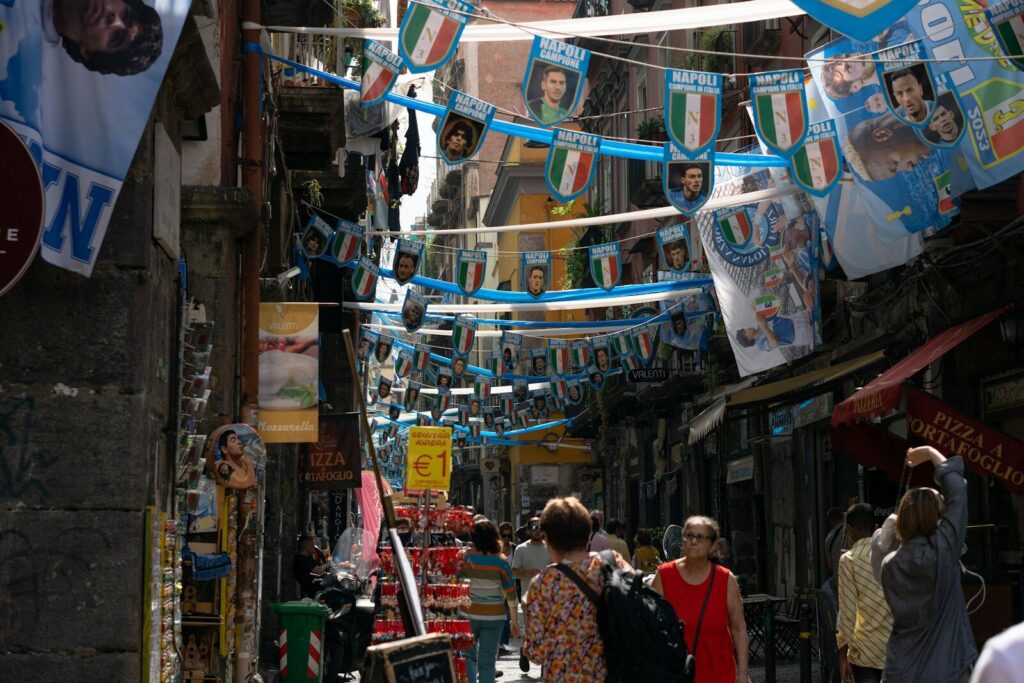
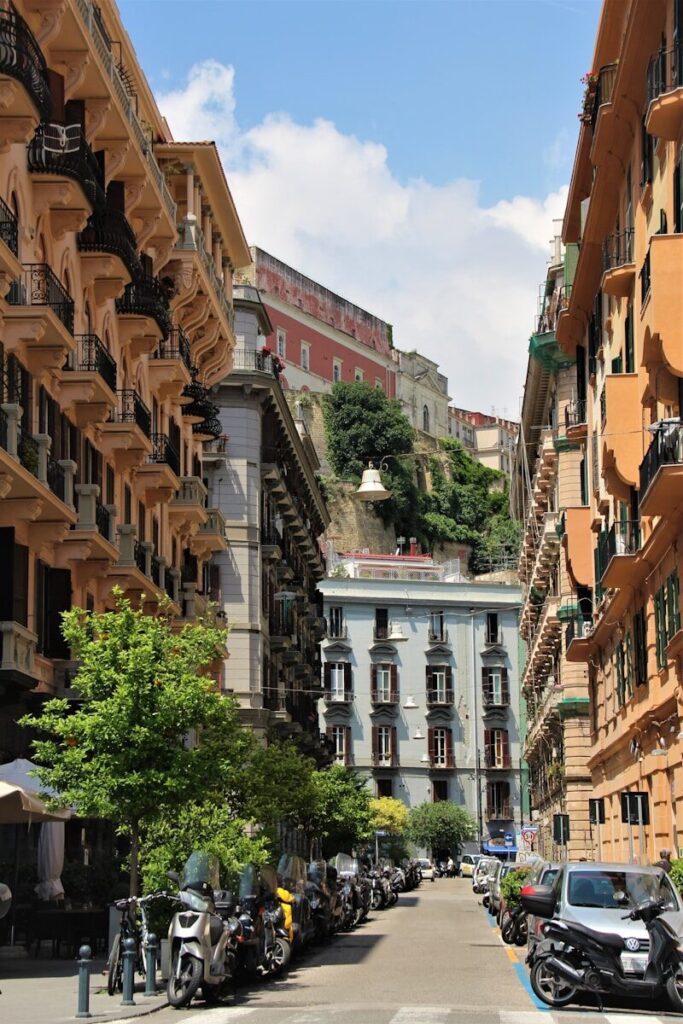
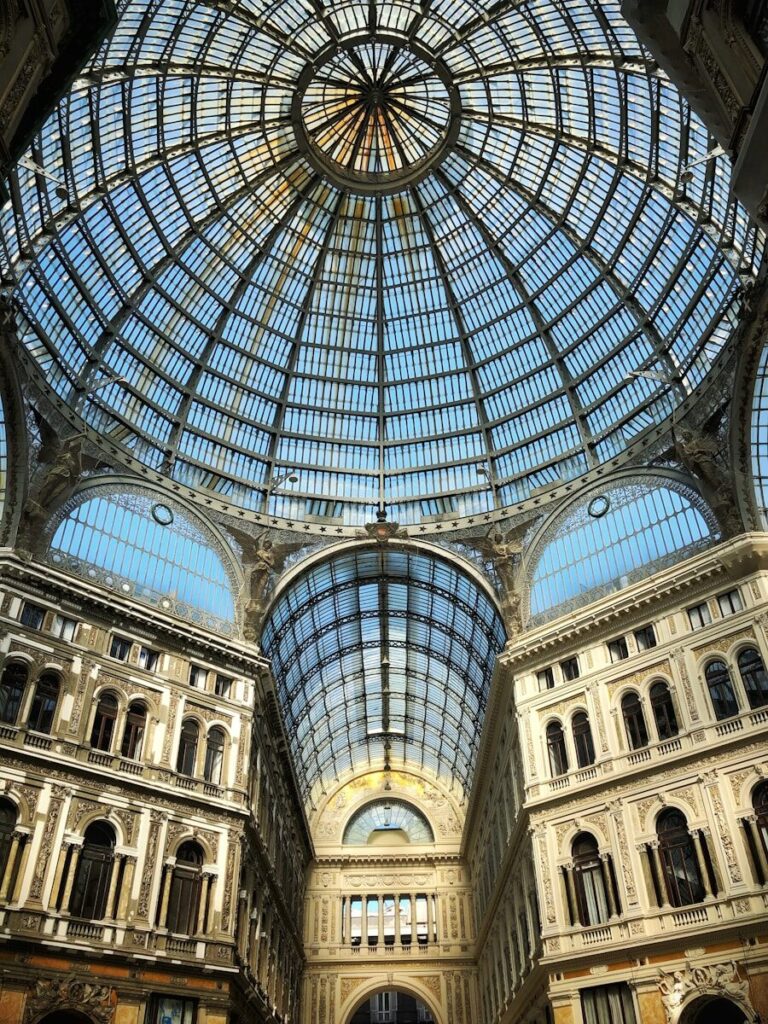

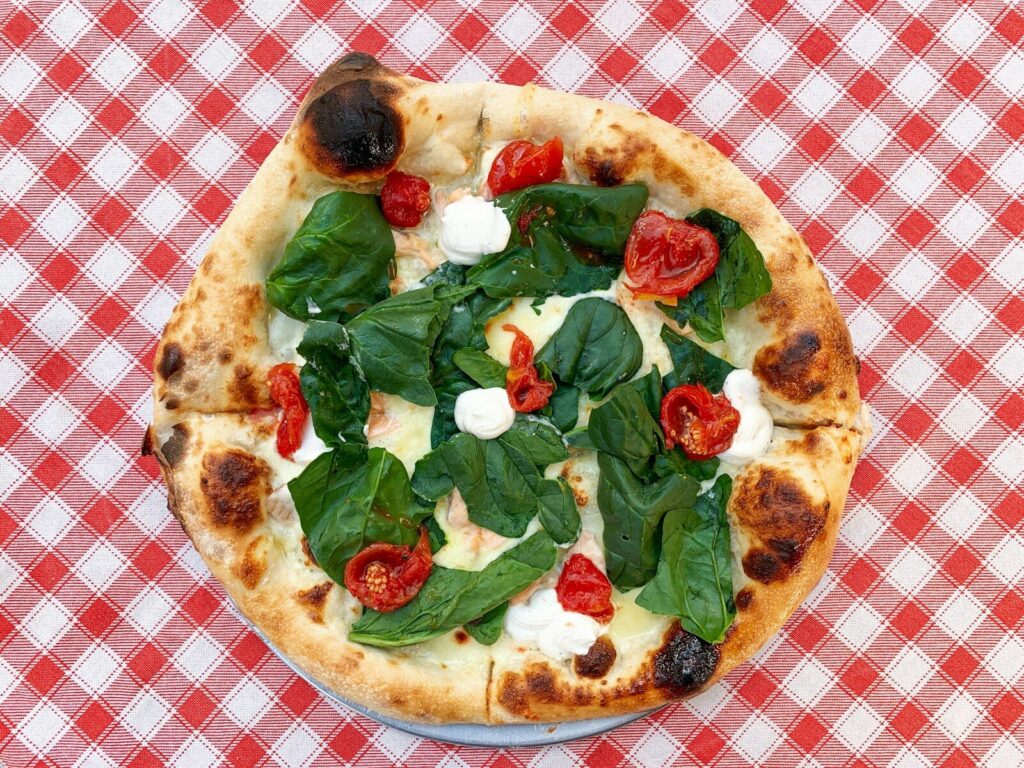
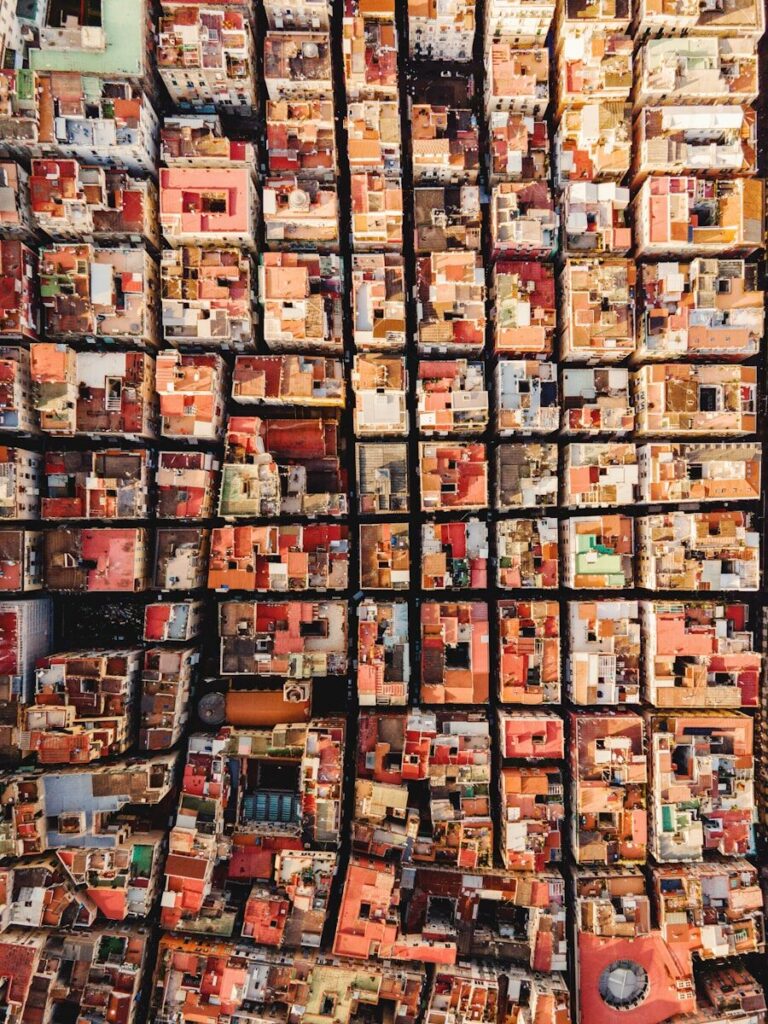
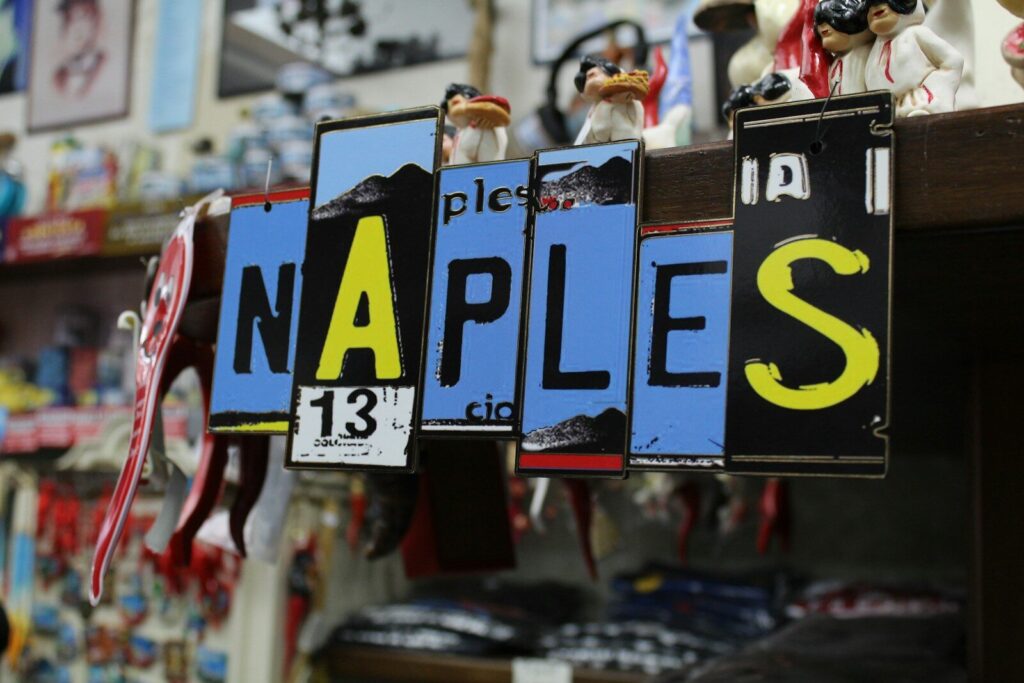

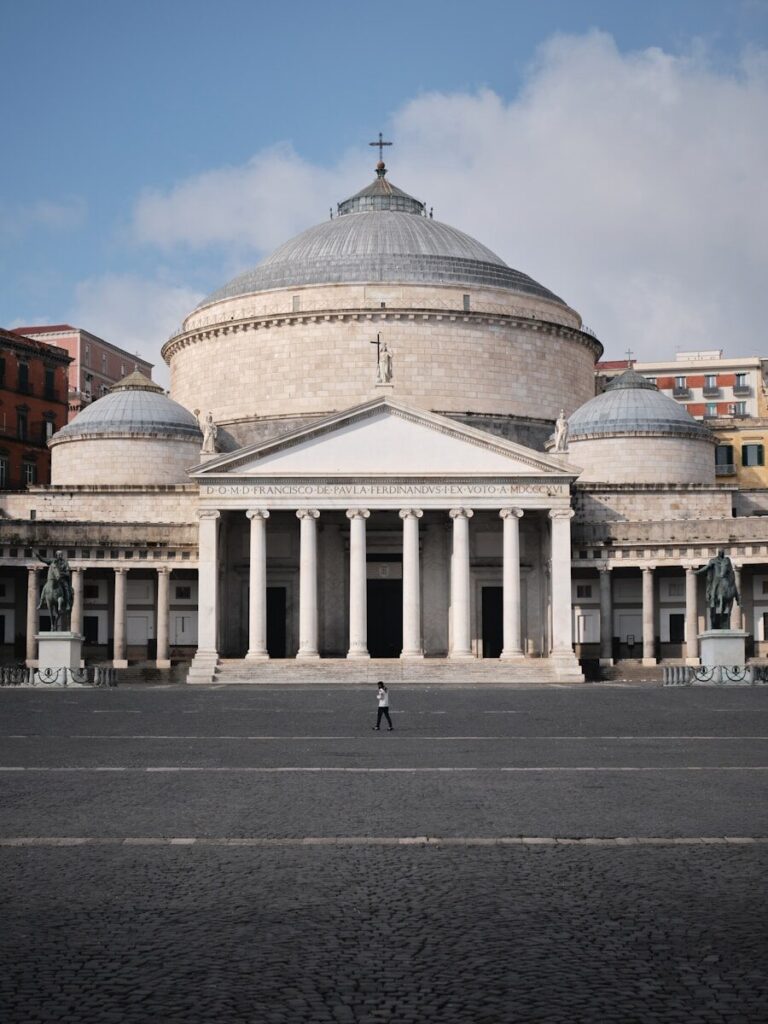

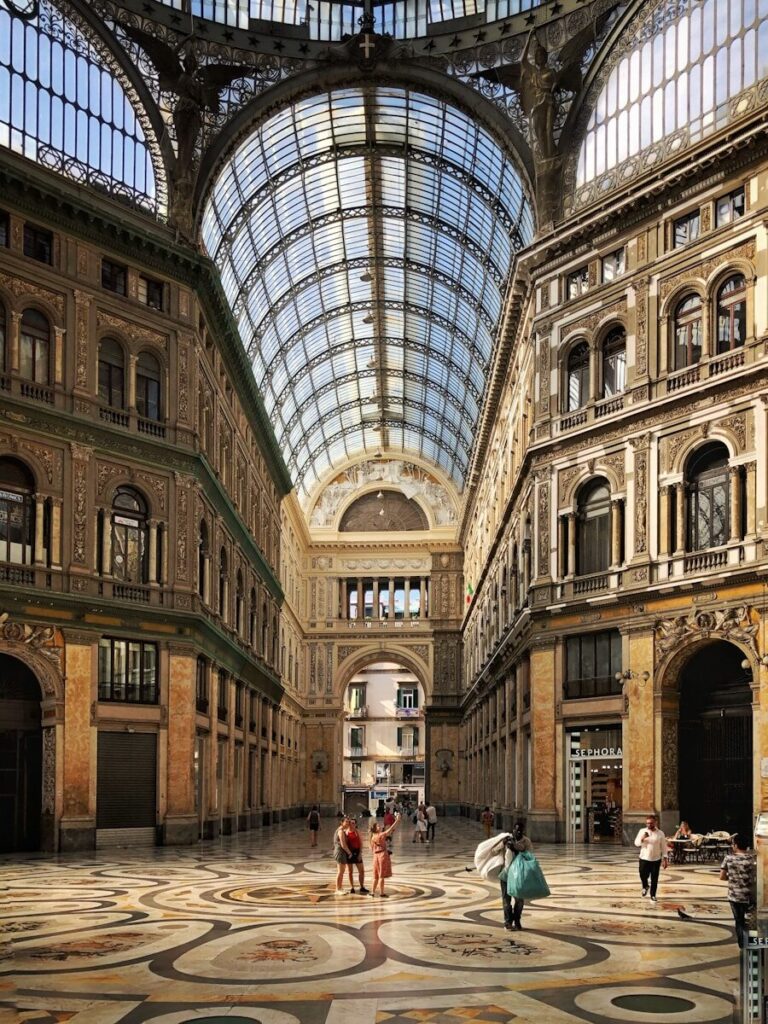
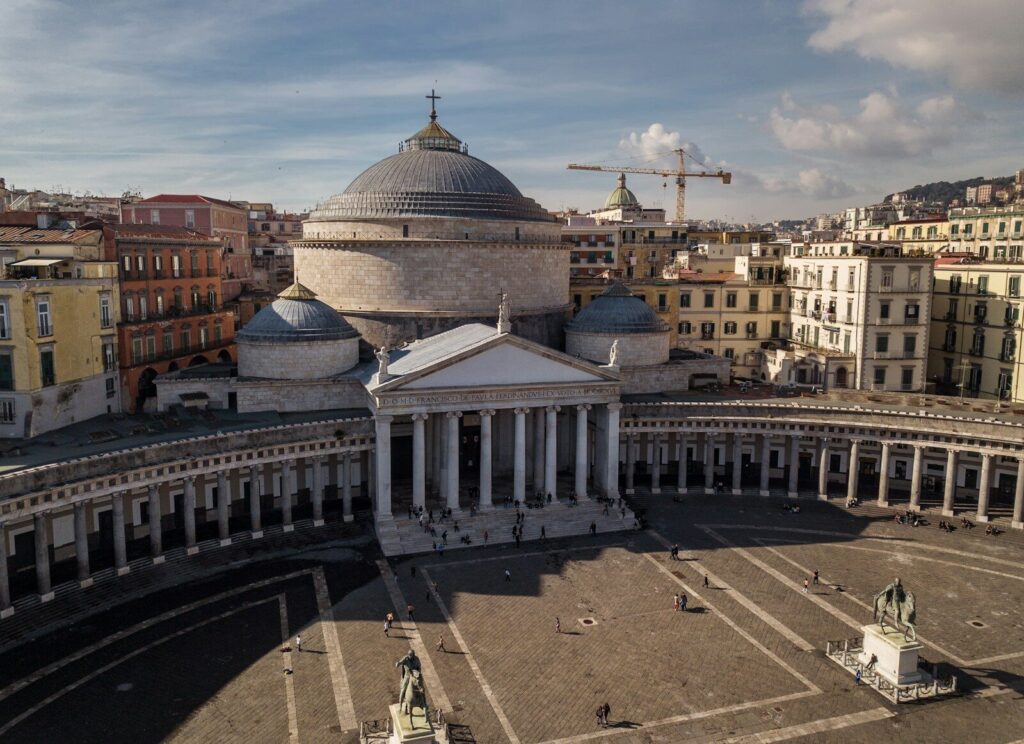

Grand piazzas, buzzing alleys, wood-fired pizza
Grand piazzas and Baroque churches sit beside buzzing market alleys, laundry-draped balconies and the aroma of wood-fired pizza wafting from centuries-old pizzerias. Use Naples as your base to explore Pompeii and Mount Vesuvius, wander its underground tunnels, and taste some of Italy's most iconic food in the city that invented it.
- → Ideal for small groups who like walking tours through atmospheric historic districts and lively markets.
- → A perfect base for shared excursions to Pompeii, Herculaneum and Mount Vesuvius by train or organised transport.
- → Suited to food-focused travellers keen on pizza tastings, street food walks and relaxed meals in traditional trattorias.
- → Works well combined with Rome and the Amalfi Coast, using trains and ferries for easy connections.
“A city that lives loudly at street level, and quietly rewards anyone willing to look up, or go underground.”
Teekonda small-group feelWhen to go, season by season
Naples has a classic Mediterranean climate — warm, dry summers and mild, wetter winters — so it's visitable year-round, each season with its own mood. Spring and autumn offer the best balance of comfortable temperatures and manageable crowds.
Spring · Mar–May Recommended
Late spring is the sweet spot: mild temperatures, blooming parks and fewer visitors than peak summer — ideal for walking tours and day trips without intense heat.
Summer · Jun–Aug
Hot, bright and busy, with long evenings on the seafront and boat trips to Capri and the Amalfi Coast — plan for heat and crowds at major sites.
Autumn · Sep–Nov Recommended
Early autumn stays warm and sunny while the tourist season winds down — good for food-focused visits, museum days and vivid sunsets over the Gulf.
Winter · Dec–Feb
Cooler and quieter, with a strong local feel — ideal for culture-focused trips and festive traditions like Via San Gregorio Armeno.
Choosing your base
Naples rewards a base chosen for the mood you want — dense and historic, elegant and seafront, or quiet and elevated.
Inside the UNESCO core
Walking distance to Spaccanapoli, Via San Gregorio Armeno and the main museums — best for first-timers who want to be right inside the action.
The elegant seafront
Via Partenope and Borgo Marinari offer promenade walks, Castel dell'Ovo views and calmer evenings, with easy access to the centre.
The quiet hilltop
A residential district above the city, reached by funicular, with panoramic views from Castel Sant'Elmo — a good pick for a slower pace.
What to eat
Pizza Margherita
Wood-fired, long-fermented dough with tomato, mozzarella and basil — the city's iconic dish.
Pizza Fritta
Dough stuffed with ricotta, ciccioli and tomato, sealed and deep-fried until crisp outside, soft inside.
Portafoglio Pizza
A regular Neapolitan pizza folded into quarters, eaten on the go while walking through the historic centre.
Neapolitan Ragù
Slow-cooked meat and tomato sauce simmered for hours, served with long pasta such as ziti or candele.
Pasta e Patate con Provola
Comforting dish where pasta and potatoes are cooked together and enriched with smoked provola cheese.
Genovese Sauce Pasta
Long-simmered onion and meat sauce, more typical of Naples than Liguria, served with short pasta shapes.
Spaghetti alle Vongole
Fresh clams, garlic, olive oil and parsley, finished with a touch of white wine.
Impepata di Cozze
Mussels cooked open in a pot with plenty of black pepper, lemon and sometimes toasted bread.
Mixed Fried Street Food
Paper cones of crocchè, rice balls and small pasta fritters — the classic Naples snack.
Pasta Frittata
Leftover pasta, often spaghetti, bound with egg and cheese and pan-fried into a thick, golden slice.
Buffalo Mozzarella
Campania's famous mozzarella served with rustic bread and piennolo tomatoes.
Sausage & Friarielli
Grilled pork sausages paired with sautéed friarielli (local broccoli rabe).
Eggplant Parmigiana
Layers of fried eggplant, tomato sauce, basil and cheese baked until bubbling and golden.
Casatiello
Rich Easter bread ring filled with salami, cheese and whole eggs baked inside the dough.
Tortano
Savoury ring-shaped bread similar to casatiello, with boiled eggs, cured meats and cheeses.
Escarole Stuffed Pizza
Baked pie filled with sautéed escarole, olives, capers, pine nuts and anchovies.
Sfogliatella Riccia
Crisp, shell-shaped pastry with layers of dough and a ricotta-semolina filling.
Sfogliatella Frolla
Softer, round version of sfogliatella made with shortcrust pastry and the same rich filling.
Rum Baba
Tall, yeasted cake soaked in rum or citrus-flavoured syrup, sometimes served with whipped cream.
Pastiera Napoletana
Shortcrust tart with ricotta, cooked wheat and orange blossom, traditionally eaten at Easter.
Struffoli
Small deep-fried dough balls coated in honey and colourful sugar sprinkles, typical of Christmas.
Did you know?
A mix of everyday quirks and the deeper history that shaped them, split into two quick reads.
Neapolitan pizza-making is UNESCO Intangible Heritage
Some of the world's oldest pizzerias are still baking here
There's a whole other city underground
Via San Gregorio Armeno is Naples' 'Christmas Alley'
The metro doubles as an art museum
The Veiled Christ has puzzled visitors for centuries
The Fontanelle Cemetery holds thousands of skulls
The 'suspended coffee' tradition began here
Via Partenope frames one of the city's classic views
The Spanish Quarters are Naples at its most unfiltered
Diego Maradona has his own shrine in the Spanish Quarters
Naples began as a Greek settlement
Naples ruled its own kingdom for centuries
Pizza Margherita has a royal origin story
Castel dell'Ovo carries a legend about a magic egg
Maschio Angioino tells the story of two dynasties
Spaccanapoli 'splits' the old city in two
Naples had Italy's first railway
Teatro di San Carlo predates La Scala by decades
The city is layered like an archaeological cake
San Gennaro's blood liquefaction has been observed for centuries
Sacred and profane traditions sit side by side
Before you go
Italy is part of the Schengen area. Many nationalities can enter visa-free for short stays — check current requirements for your passport before booking.
Walking, metro and regional trains are more practical than driving. The Circumvesuviana connects Naples to Pompeii and Herculaneum in about 30-40 minutes; the Campania Express is a pricier, air-conditioned option with guaranteed seats on the same line.
EU roaming or a local e-SIM works well across the city; wifi is widely available in cafes and hotels.
Contactless cards are widely accepted. Tipping isn't obligatory in Italy, though rounding up is appreciated.
Entry requirements and local conditions can change — always confirm the latest guidance for your nationality before travelling.
Naples itself deserves at least three full days to take in the historic centre properly. But if Pompeii, the Amalfi Coast and the islands of Capri, Ischia or Procida are on your list too, plan for at least 6-7 days overall so each stop gets its own unhurried day rather than a rushed add-on.
Common questions
How many days do I need in Naples?
Is Naples safe for travellers?
What's the best way to see Pompeii and Vesuvius from Naples?
Interested in Naples with Teekonda?
Small-group journeys through southern Italy, designed for travellers who want comfort, culture and a slower pace.
Find a trip


