
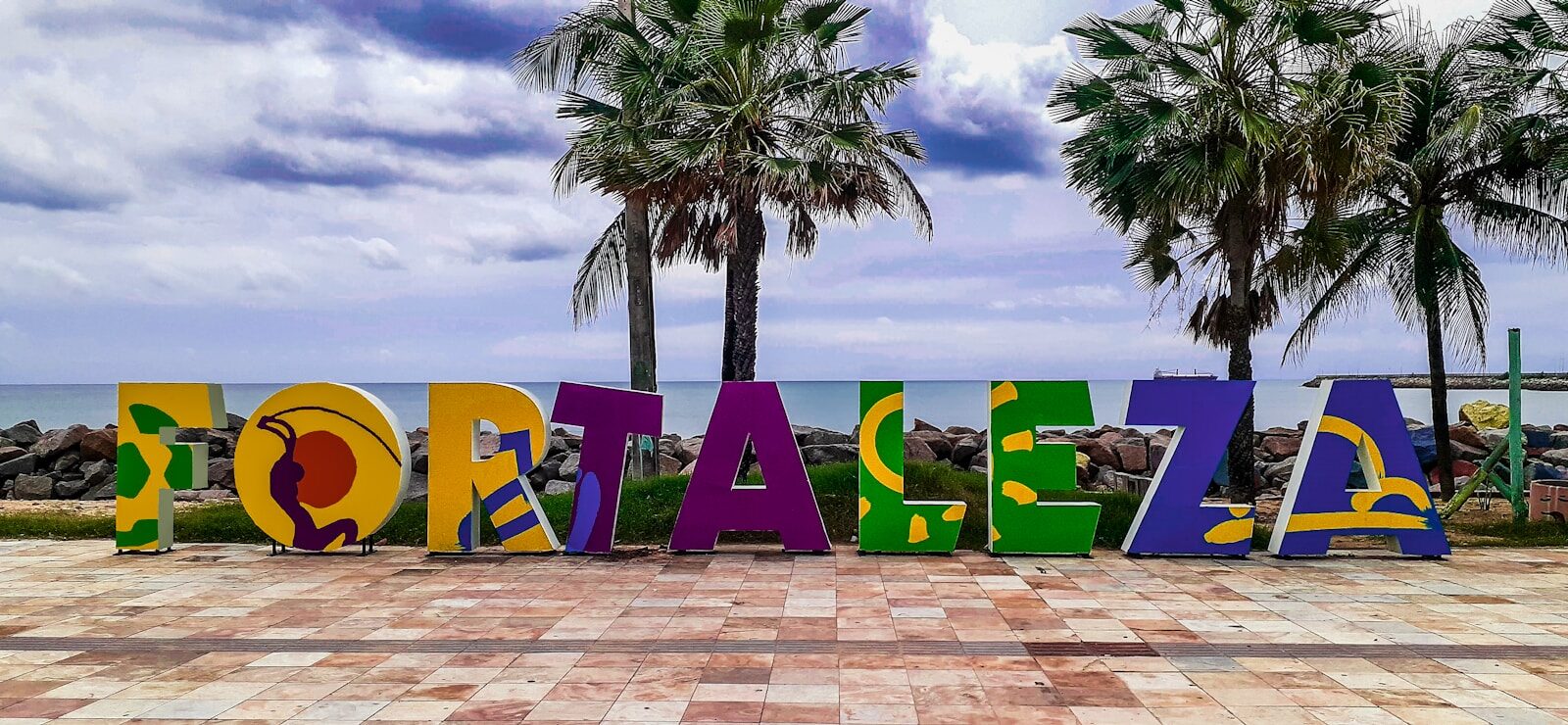
Fortaleza Travel Guide
Where the Northeast Brazilian coast turns gold and the trade winds never stop blowing, Fortaleza is a city built on sand, sun and stubborn joy. Surf-straight boulevards trace miles of urban beach, kite lines flick across the horizon at Cumbuco, and by nine at night the accordion and triangle of forró spill out of every bar in Praia de Iracema.
- Urban beach boulevard
- Kitesurfing capital
- Forró nightlife
- Dune buggy day trips
Fortaleza, frame by frame
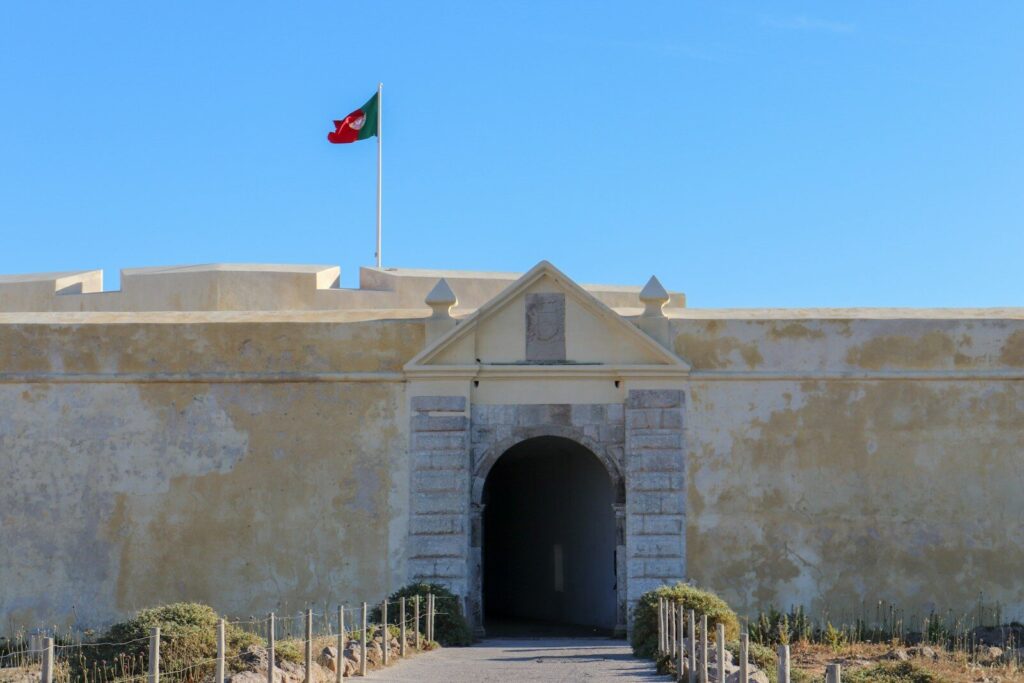
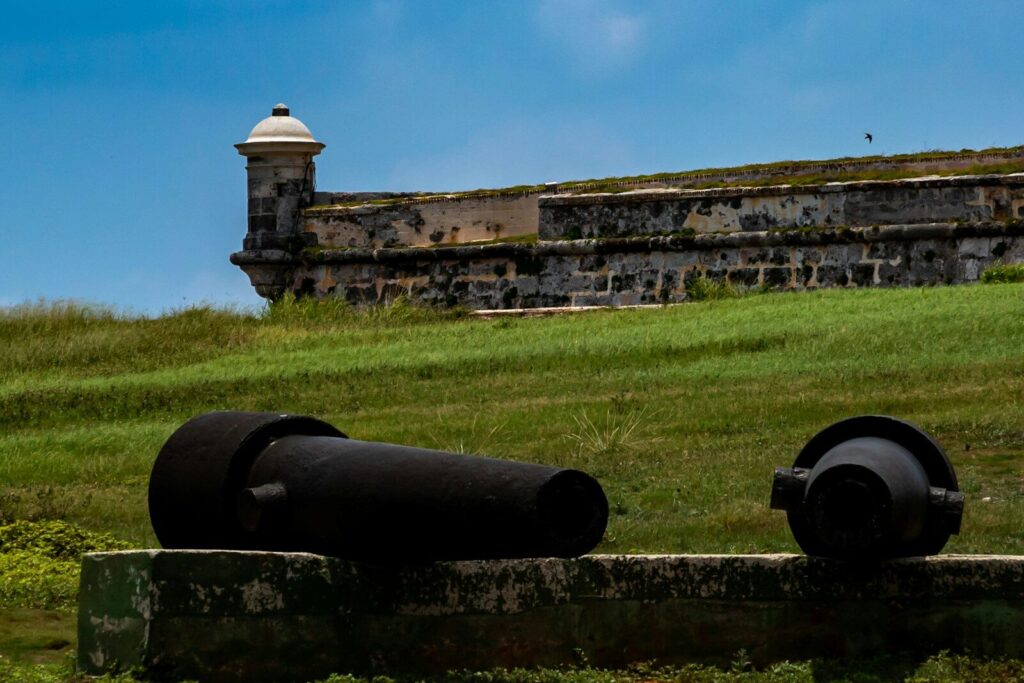
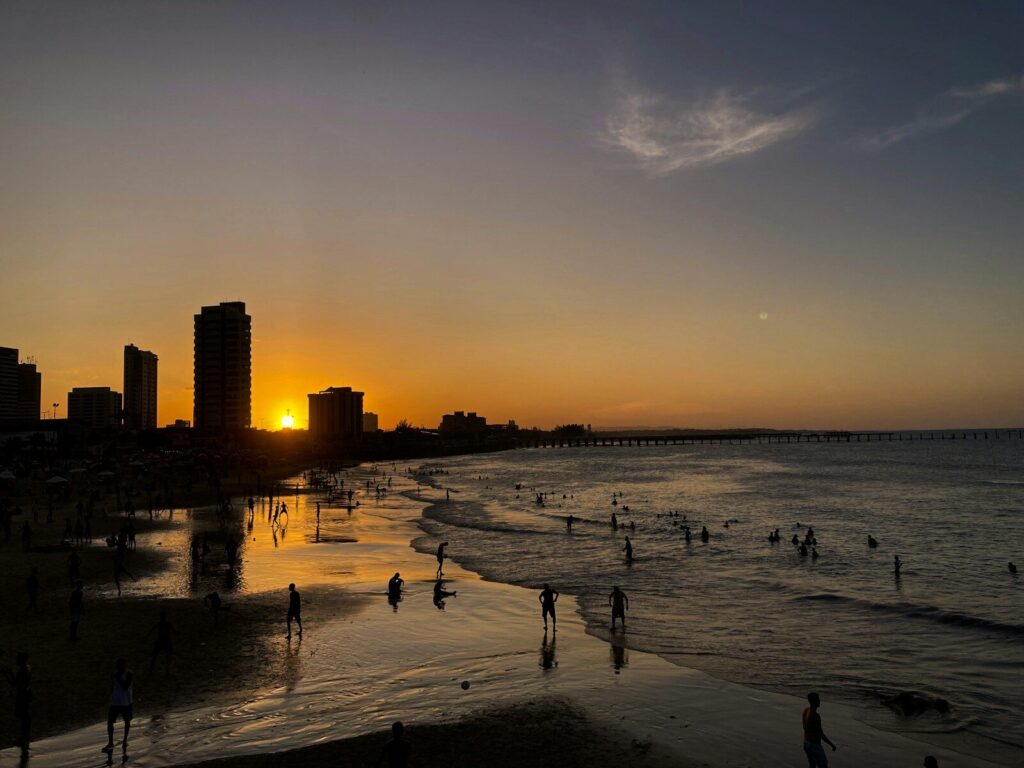
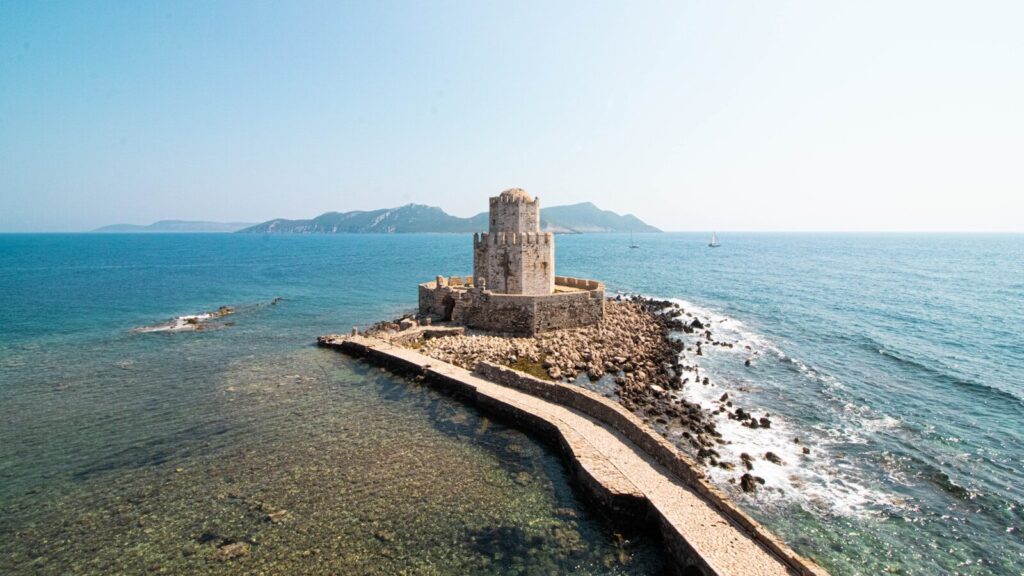
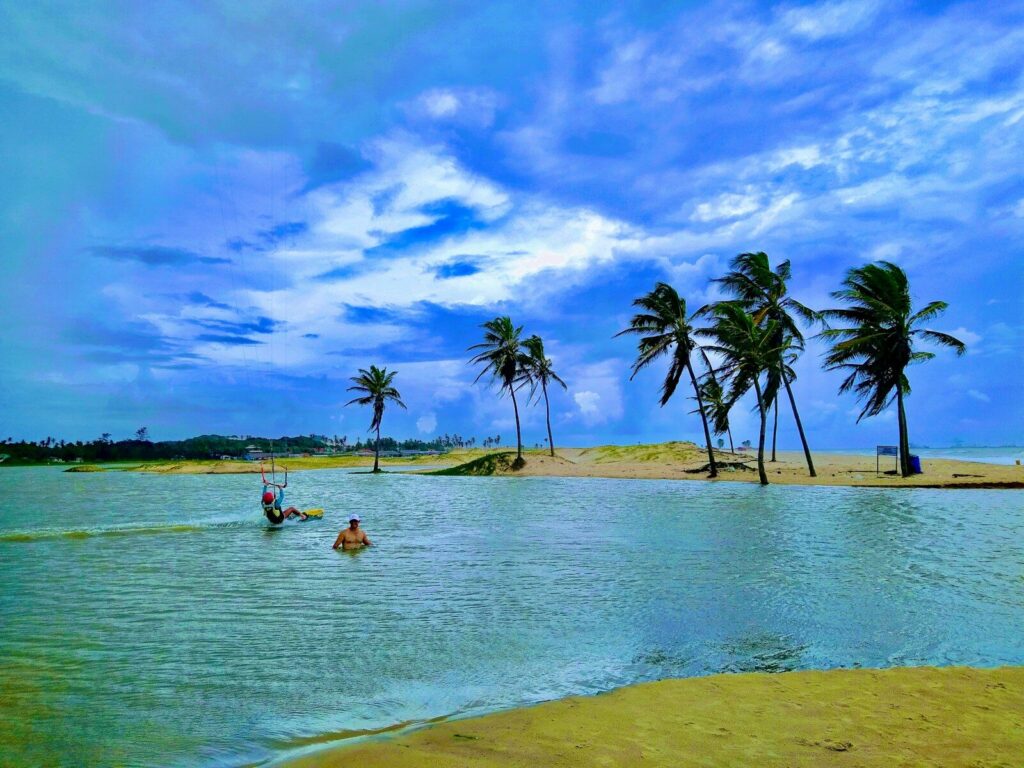
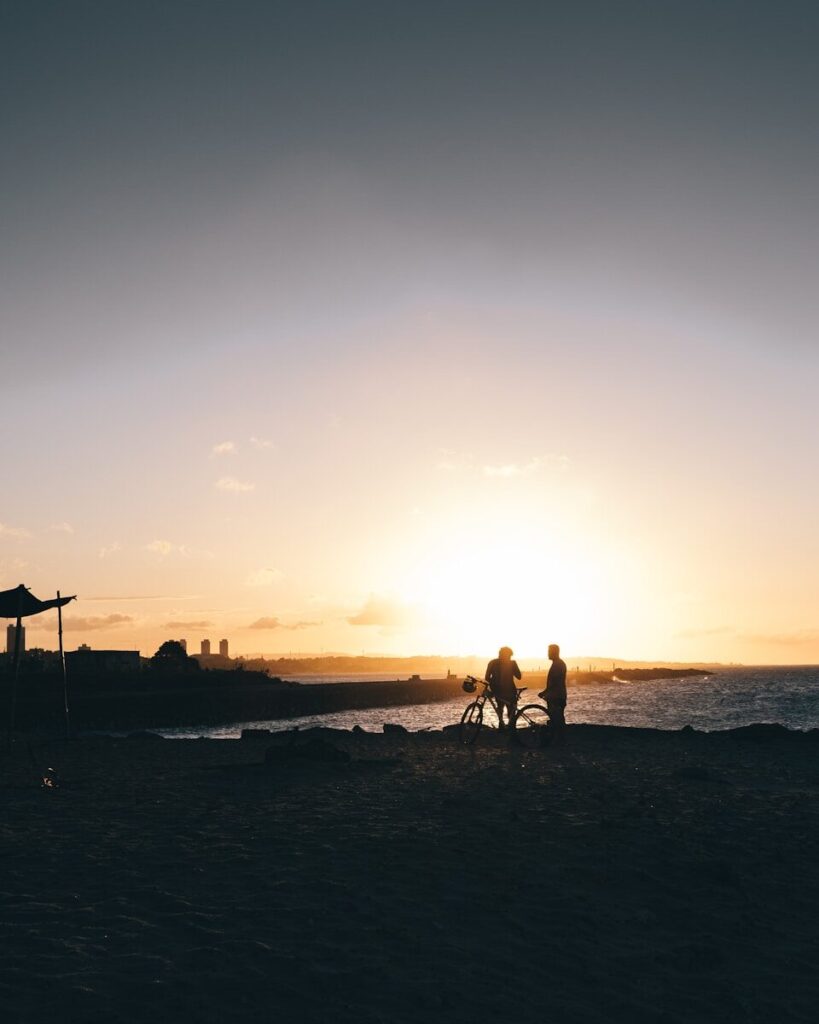
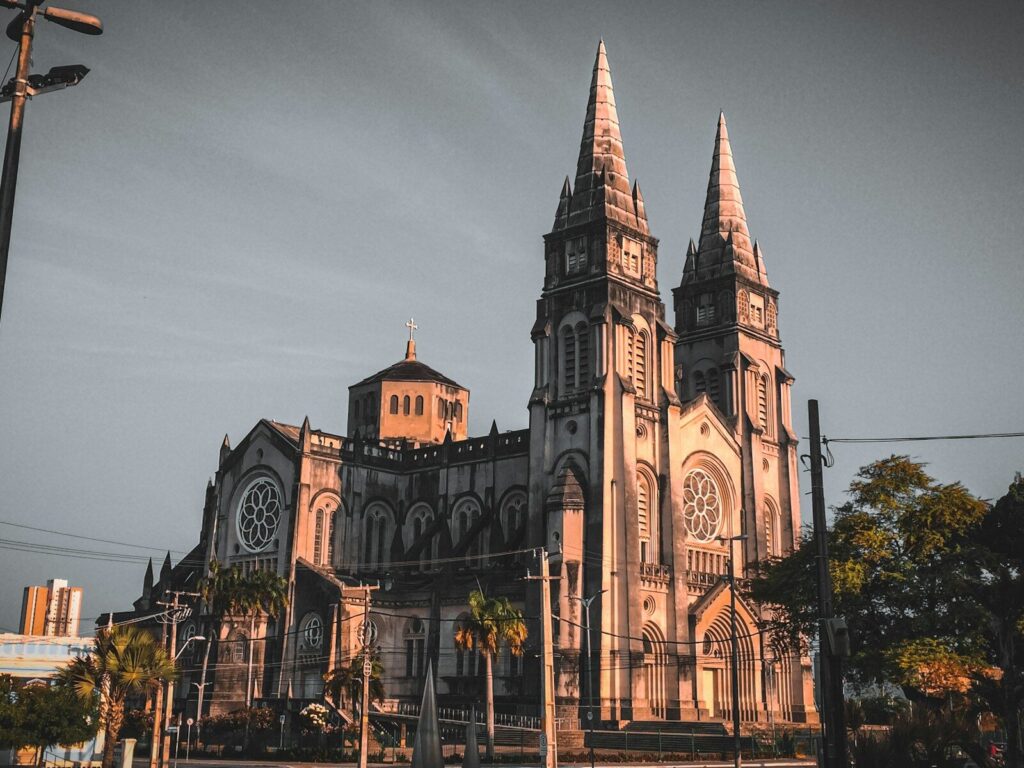
A first look at the city and coast before you go — the boulevard, the dunes and the colours of the northeast.
A capital built on wind and sand
Fortaleza is Brazil's fourth-largest city, but it wears its size lightly. The centre runs along Avenida Beira-Mar, a sweeping beachfront promenade lined with coconut palms, kiosks and joggers, while the real character of the place lives in its contrasts — glass towers and hillside neighbourhoods, upscale resorts and jangada fishing rafts still pulled up on the sand each afternoon by fishermen doing exactly what their grandfathers did.nnWhat makes Fortaleza worth the trip isn't just the city itself, though. It's the gateway it opens to Ceará's coastline: golden dune fields at Cumbuco, the technicolour cliffs of Morro Branco, and the wind-whipped village of Jericoacoara a few hours further west. Base yourself here for a few days of urban beach life and forró, then push out to the dunes.
- → Miles of beachfront boulevard made for slow evening walks and cold coconuts
- → Steady trade winds that turn the coast into one of the world's kitesurfing playgrounds
- → Forró bars that fill up on weeknights, not just weekends
- → Day trips to dune buggies, colored cliffs and fishing villages within easy reach
“Fortaleza does not perform for tourists after dark — it just keeps living the way it always has, accordion and all.”
Teekonda small-group feelWhen to go, season by season
Fortaleza sits just a few degrees south of the equator, so temperatures barely move across the year — expect 26-32°C by day and rarely below 23°C at night, whatever month you land. What actually changes is rainfall and wind. The city really runs on two seasons rather than four: a wetter stretch roughly January to June, and a long dry, breezy run from July to December that also happens to be the best window for kitesurfing on the nearby dunes.
Wet season · Mar–May
The rainiest stretch of the year, with short, heavy afternoon downpours rather than all-day grey — mornings are often still bright. Hotel prices dip and the dunes turn a deeper green, but expect more cloud cover and lighter wind for kite sports.
Transition · Jun–Aug
June still carries showers left over from the wet season, but by July the rain tapers off fast and the trade winds pick up. August is usually the turning point — locals mark it as the unofficial start of Ceará's kitesurf season.
Peak dry season · Sep–Nov Recommended
The sweet spot: steady sun, minimal rain, and the strongest, most consistent trade winds of the year, ideal for both beach days in the city and kite trips to Cumbuco and Jericoacoara. Crowds and prices are lower than the December-January holiday peak.
High season · Dec–Feb
December and January are dry, hot and busy — this is when Brazilians take their own summer holidays, so beaches, hotels and forró houses fill up fast. By February the rains are creeping back in from the wet season.
Choosing your base
Fortaleza's beach neighbourhoods run in a line from downtown, so choosing where to stay is mostly a question of how much nightlife noise you want outside your window.
Praia de Iracema
The oldest of the beach districts and the closest to the historic centre, Iracema is where Fortaleza's nightlife concentrates — live forró houses, bars around the Dragão do Mar cultural centre, and the old iron Ponte dos Ingleses pier for sunset. Stay here if you want to walk to dinner, music and the centre.
Meireles
The most popular strip for visitors, with a wide beachfront boulevard, the nightly Beira-Mar craft and hammock market, and the greatest concentration of mid-range and upscale hotels. It's the easiest all-round base for a first visit.
Porto das Dunas / Aquiraz
About 20km southeast, this stretch is quieter and built around Beach Park, one of Latin America's best-known water parks, plus long, less crowded sand. Good for a resort-style few days rather than city buzz, with easy transfers into central Fortaleza when you want it.
What to eat
Baião de dois
Ceará's signature plate — rice and beans cooked together rather than separately, folded through with butter, coalho cheese and often strips of dried meat. Named after a musical rhythm, it shows up on nearly every home-style menu.
Carne de sol
Lightly salted, sun-dried beef, grilled and served with rice, beans, fried cassava and a side of curd cheese. Born out of necessity in the dry sertão backlands, it is now the backbone of Cearense comfort food.
Tapioca
A gluten-free crepe made from hydrated cassava starch, cooked plain on a hot griddle then folded around whatever filling you like — grated coconut and condensed milk for breakfast, or coalho cheese and carne de sol for something heartier.
Queijo coalho
A firm, salty curd cheese, skewered and grilled straight on the beach by vendors carrying portable charcoal braziers — one of the great sounds of a Fortaleza beach day is the hiss of cheese hitting the grill.
Panelada
A slow-cooked tripe and offal stew, deeply savoury and traditionally eaten with farofa and lime as a hangover cure the morning after a night of forró.
Peixe na telha
Fresh fish baked with tomatoes, onions, cheese and coconut milk directly on a roof tile over the flame — a coastal specialty that turns up at seafood restaurants along the shore.
Caranguejo
Mud crab, usually served whole and simply boiled, eaten with your hands, a wooden mallet and a lot of napkins. Casual crab shacks along Praia do Futuro are a Fortaleza institution, best paired with cold beer and a sea breeze.
Camarão à moda cearense
Shrimp cooked in a rich sauce of coconut milk, tomato and regional spices, usually spooned over rice — the coastal cousin of Bahia's more famous moqueca.
Rapadura
Unrefined cane sugar, pressed into hard blocks and sold everywhere from markets to roadside stalls — grate it over tapioca or just eat it as a sweet on its own.
Cajuína
A clear, non-alcoholic soft drink made from clarified cashew fruit juice, faintly sweet and slightly tannic — as regionally iconic as the cashew trees that produce it, and the unofficial toast of Ceará.
Cocada
Dense coconut and sugar candy, sold in small paper twists by beach vendors alongside cold coconuts and grilled cheese.
Paçoca de carne de sol
Not the peanut sweet found elsewhere in Brazil — in Ceará this is shredded dried beef pounded together with cassava flour into a coarse, savoury mix, often eaten by the spoonful as a starter.
Água de coco
Coconut water served straight from the shell, machete-cracked to order by beach vendors — the default hydration on any Fortaleza beach day.
Beiju
A thinner, crisper cassava flatbread cousin of tapioca, often dusted with coconut and served folded like a wafer alongside coffee.
Did you know?
Fortaleza carries more backstory than its beach-resort reputation suggests — a city named for a fort that changed hands between empires, and a coastline that shaped one of Brazil's most romantic legends.
The city is named after a fort that barely survives today
Iracema is a 19th-century invention, not an ancient legend
Forró's name may come from an English dance announcement
The city's grand theatre arrived from Scotland by ship
A raft fisherman helped end slavery here years early
Fortaleza throws its carnival in July, not February
The lace here arrived from Portugal and never left
The wind that frustrates some visitors is why others fly in
The colored sand at Morro Branco isn't dyed
Fishermen still sail rafts their ancestors would recognise
Fortaleza is quietly becoming a Brazilian tech hub
Indigenous Tabajara and Potiguara peoples lived here first
The Portuguese and French both tried to hold the coast first
The Dutch built the fort that gave the city its name (1649)
The Portuguese retook it five years later
It wasn't officially founded as a town until 1726
Drought refugee waves reshaped the city in the late 1800s
Ceará abolished slavery years before Brazil did
Cotton exports built the Belle Époque city centre
The 20th century brought industrial and port growth
Tourism took off from the 1990s onward
The name itself is a layered piece of colonial history
Before you go
Entry rules depend heavily on nationality and change often — as of 2025, US, Canadian and Australian passport holders need an e-Visa applied for online in advance, while UK and most EU citizens can still enter visa-free for short tourist stays. Apply only through official government channels and double-check requirements close to your travel date.
Central Fortaleza and the beach strip are walkable, with taxis and ride-hailing apps widely available and inexpensive for longer hops. For day trips to Cumbuco, Morro Branco or Jericoacoara, a guided tour or private transfer is simpler than self-driving, especially on dune buggy routes that don't follow marked roads.
Vivo has the strongest coverage across Fortaleza and the wider Northeast coast, including out toward Cumbuco and Jericoacoara. A local prepaid SIM or an eSIM bought before arrival both work well; most cafes, hotels and beach kiosks also offer free wifi.
The Brazilian Real (BRL) is the only currency accepted locally — card payments are widely used in the city, but carry cash for beach kiosks, markets and day-trip vendors. A 10 percent service charge is often already added to restaurant bills; if not, rounding up or leaving around 10 percent is appreciated but not obligatory.
Entry requirements and local conditions can change — always confirm the latest guidance for your nationality before travelling.
Three to four days covers the city well; add two to three more nights if you want to continue on to Jericoacoara, which is too far for a same-day round trip. Pack for sun and wind year-round, but bring a light rain layer if you're visiting between February and May.
Common questions
Do I need a visa to visit Fortaleza?
How many days should I spend in Fortaleza?
Is Fortaleza safe for tourists?
Interested in Fortaleza with Teekonda?
Let us build a small-group trip around Fortaleza's beaches, dunes and forró nights, with day trips to Cumbuco and Morro Branco built right in.
Find a trip


