
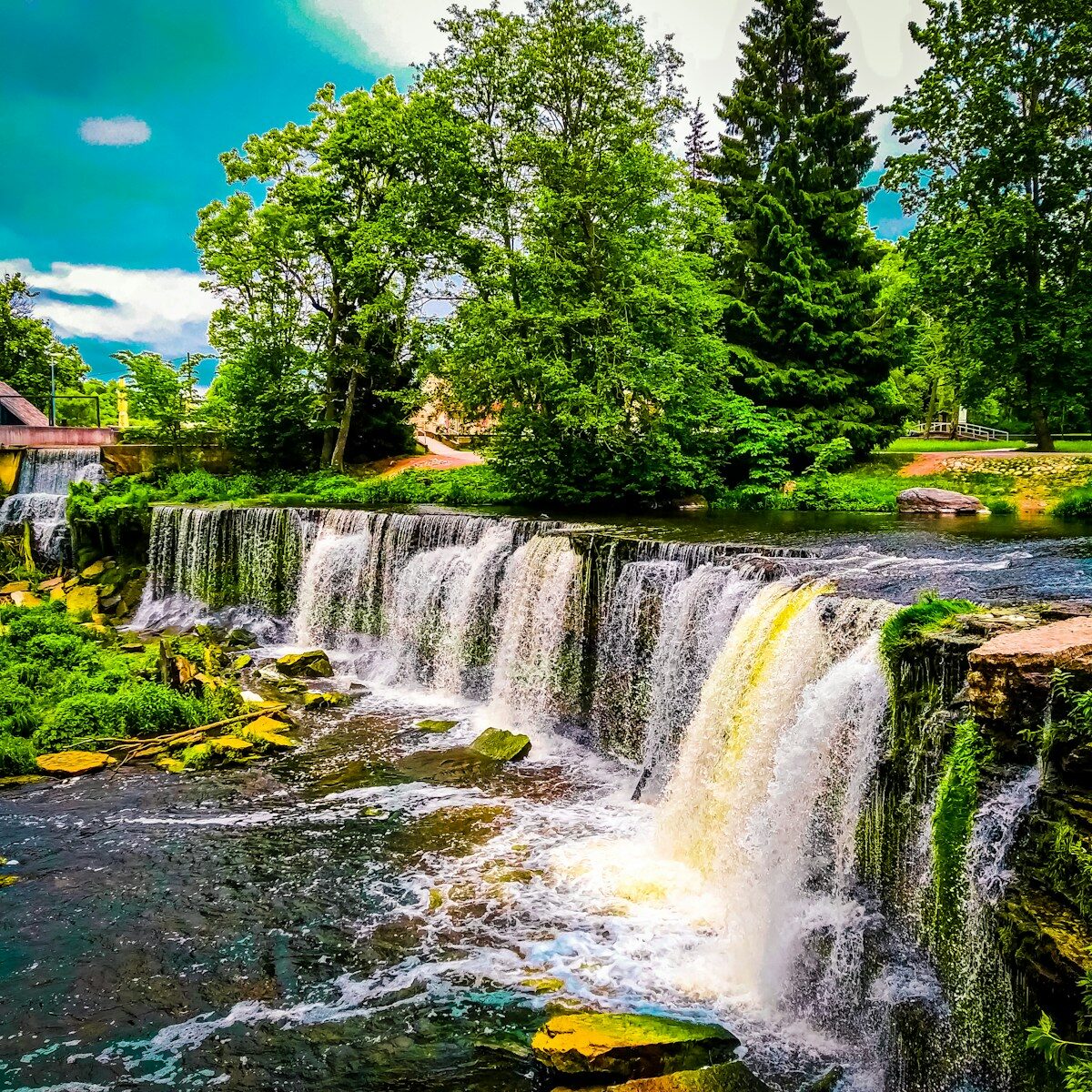
Estonia Travel Guide
A compact Baltic nation of deep forests, bogs and more than 2,000 islands — one of the most digitally advanced societies on earth, wrapped in genuine countryside quiet.
- 2,300+ Baltic islands
- Forest & bog nation
- World's most digital society
Estonia, frame by frame
A visual pass through the country, from forest boardwalks to island coastlines.
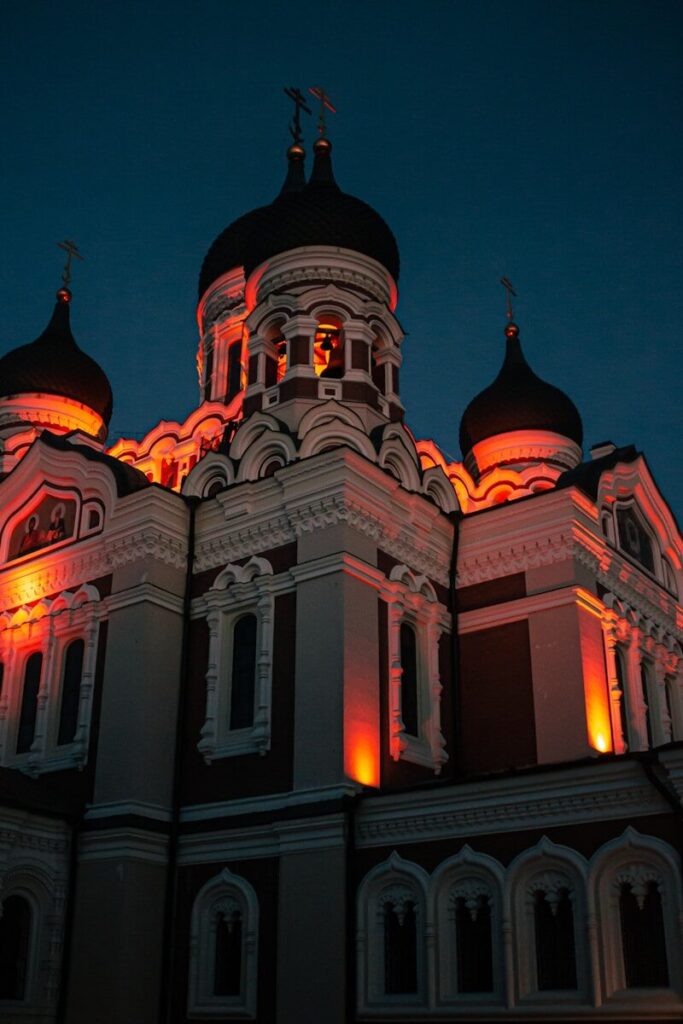
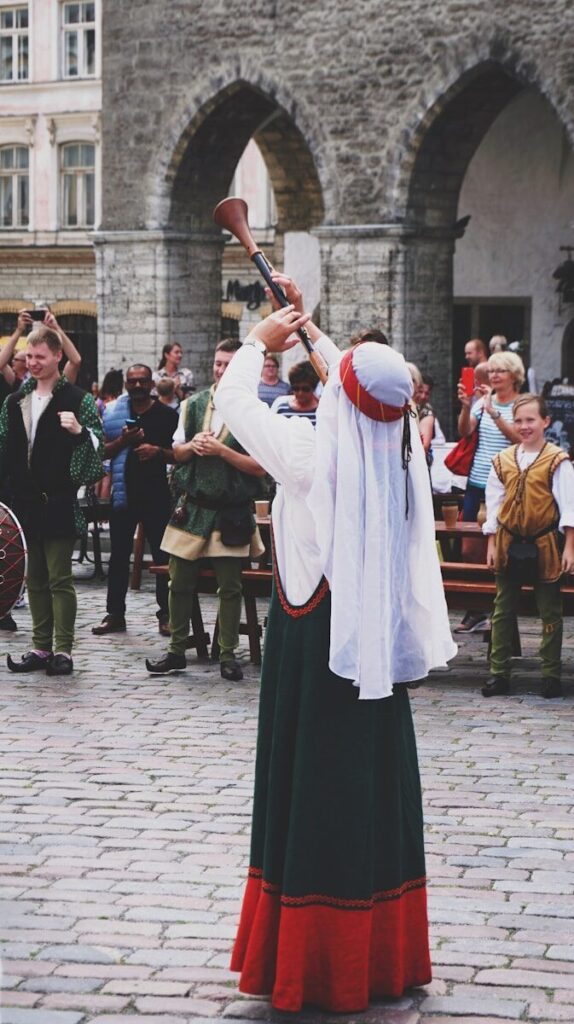
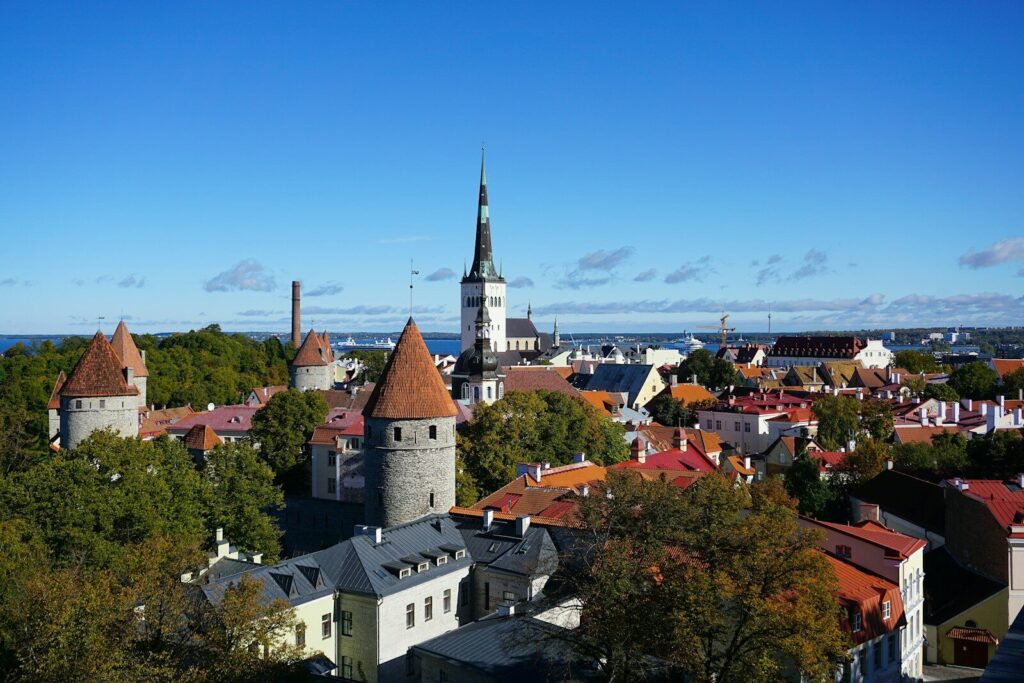
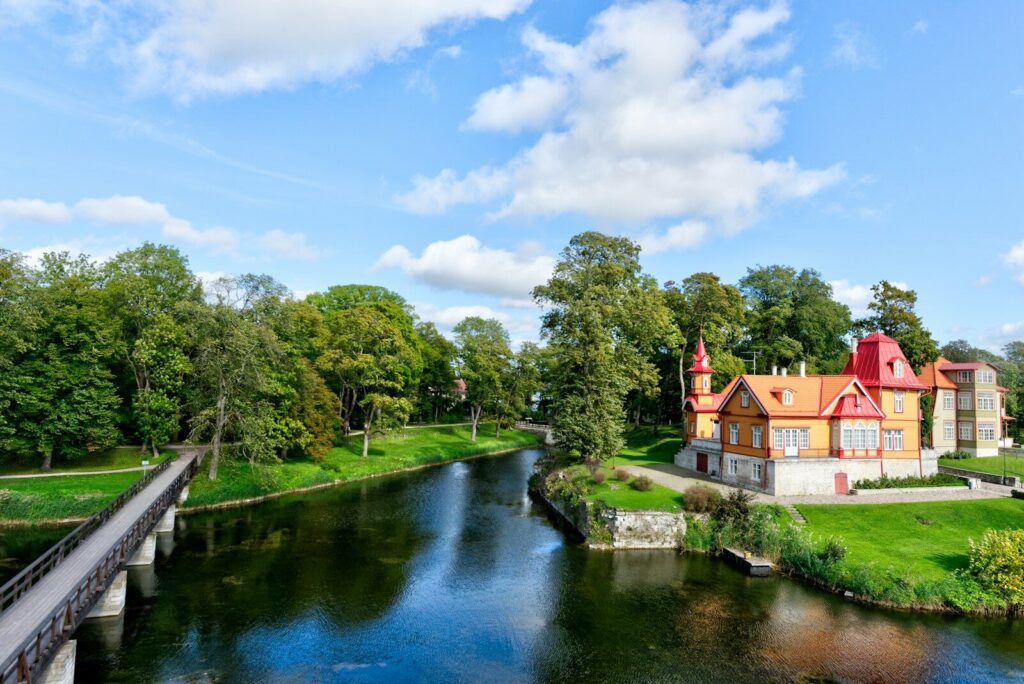
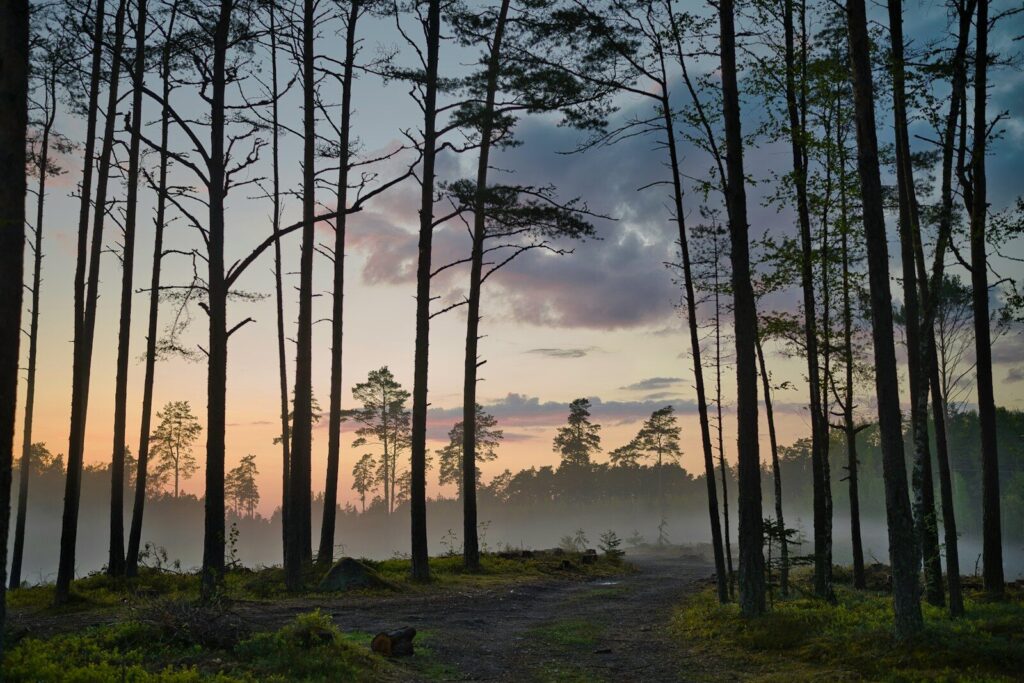
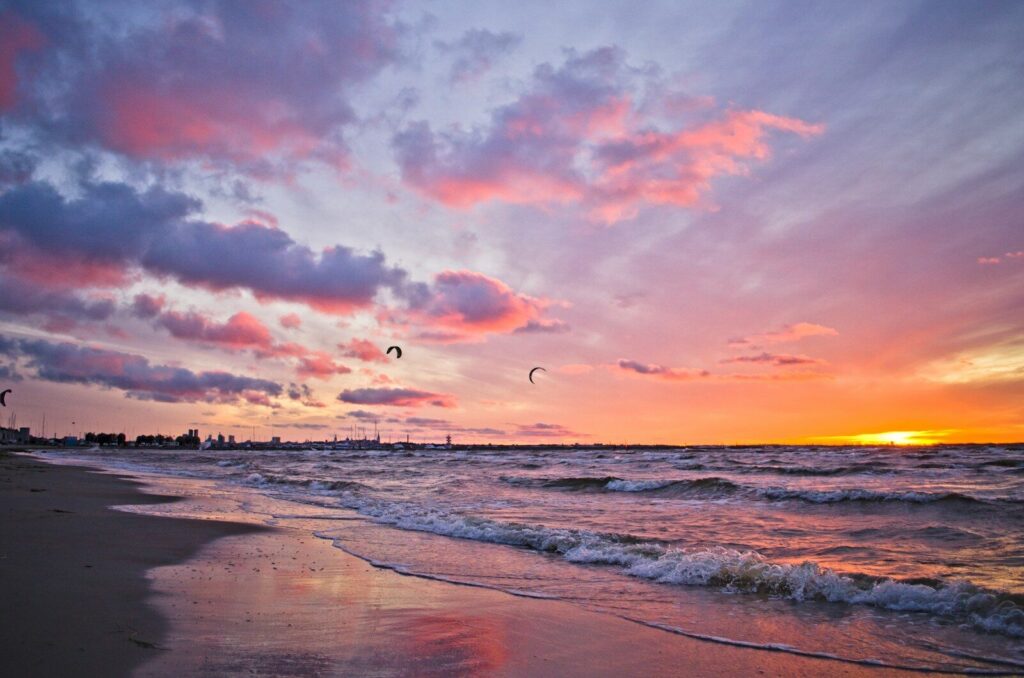
Forests, bogs and one of the world's most digital nations
More than half of Estonia is forest, and no point in the country sits more than about 10 kilometres from a bog — a landscape of boardwalk trails, flooded spring forests and quiet lakes that feels remarkably wild for such a small country. Add over 2,300 islands, manor-dotted countryside and a famously paperless, cashless digital culture, and Estonia rewards travellers who want nature and modernity in the same trip. Tallinn's UNESCO Old Town is the natural starting point and has its own dedicated guide — this one is about everything beyond it.
- → Ideal for small groups who want national parks, bog boardwalks and island escapes alongside city time.
- → A natural base for exploring Saaremaa, Hiiumaa and the northern coast without long transfer times.
- → Suited to travellers curious about e-Estonia, the country's cashless, near-fully digital public life.
- → Works well as a week-long loop out from Tallinn, combining coast, countryside and forest in one trip.
“A country where you can file your taxes from a phone in the morning and lose all signal in a bog forest by afternoon — and both feel entirely Estonian.”
Teekonda small-group feelWhen to go, season by season
Estonia has a cool, northern climate with clearly defined seasons. Summer brings the warmest, brightest weather and the best conditions for islands and coast, while spring and autumn suit nature-watching and quieter travel.
Spring · Mar–May Recommended
Cool and often wet early on, but May brings mild days, migratory birds and Soomaa's flooded 'fifth season', when canoes replace cars across the national park.
Summer · Jun–Aug Recommended
The best season for islands, beaches and long daylight, with highs around 20-22°C and near round-the-clock light close to the June solstice.
Autumn · Sep–Oct
Crisp air, turning forest colour and quieter roads make this a rewarding season for manor houses and national parks, before the weather turns properly cold.
Winter · Nov–Feb
Cold, often snowy and sometimes well below freezing, but atmospheric — frozen bogs, quiet countryside and, in the coldest years, official ice roads out to the islands.
Choosing your base
Estonia rewards spreading out beyond Tallinn — each region gives a genuinely different side of the country.
Estonia's largest island
Windmills, juniper-covered coastline, a medieval bishop's castle in Kuressaare and Vilsandi National Park's cliffs and seal colonies make Saaremaa the classic island base.
The summer coastal resort
Estonia's unofficial 'summer capital', with a sandy beach, spa hotels and a relaxed Art Nouveau centre, popular with locals through the warmer months.
Manor houses and forest coastline
A national park an hour from Tallinn, with restored 18th-century manors at Palmse and Sagadi, bog boardwalks and a rugged, forested Baltic shoreline.
What to eat
Rukkileib
Dense, dark rye bread that anchors nearly every Estonian meal, often served simply with butter.
Verivorst
Traditional blood sausage made with pork and barley, especially common around the winter holidays.
Kama
A rustic mix of finely milled roasted barley, rye, oat and pea flour, stirred into yoghurt or kefir.
Kiluvõileib
Open-faced rye sandwiches topped with marinated Baltic sprats, egg and dill, a classic everyday snack.
Rosolje
A colourful beetroot, potato and herring salad bound with sour cream, a fixture on festive tables.
Mulgipuder
Mashed potato and barley dish from the Mulgimaa region, historically reserved for special occasions.
Mulgikapsad
Slow-cooked sauerkraut with pearl barley and pork, a hearty countryside classic.
Hernepuder
Simple, filling pea porridge reflecting Estonia's farm-life food traditions.
Vürtsikilu
Spiced, preserved Baltic sprats, eaten straight from the tin with bread or boiled potatoes.
Suitsukala
Smoked fish, especially popular on the islands, sold fresh from smokehouses near the coast.
Eesti kartulisalat
Estonia's classic potato salad, a fixture at birthdays and celebrations across the country.
Kohuke
A small chocolate-coated sweet curd snack found in every corner shop fridge.
Kringle
A braided, ring-shaped sweet bread flavoured with cardamom or cinnamon, shared on special occasions.
Mannavaht
A light, mousse-like dessert of whipped semolina, milk and sugar, often served with berries.
Did you know?
A mix of everyday quirks and the deeper history that shaped them, split into two quick reads.
Estonia has 2,317 islands
More than half the country is forest
No point in Estonia is far from a bog
Estonia runs almost entirely on digital ID
It was the first country to allow nationwide online voting
Skype has Estonian roots
Anyone can become a digital resident without visiting
Soomaa's 'fifth season' turns roads into rivers
Song Festivals gather tens of thousands of singers
Smoke saunas are a living UNESCO tradition
Free wifi has been common here for two decades
Centuries of foreign rule shaped the country
Independence first came in 1918
The Molotov-Ribbentrop Pact ended that independence
The Second World War brought repeated occupations
Mass deportations scarred a generation
Song became a form of quiet resistance
The Singing Revolution unfolded from 1988
Nearly two million people joined hands across three countries
Independence was restored in August 1991
EU and NATO membership followed in 2004
The euro arrived in 2011
Before you go
Estonia is part of the Schengen area. Many nationalities can enter visa-free for short stays, though some travellers now need an ETIAS travel authorisation — check current requirements for your passport before booking.
A car is genuinely useful for reaching islands, national parks and manor houses at your own pace, though buses connect main towns. Ferries link Saaremaa and Hiiumaa to the mainland, and international ferries connect Tallinn to Helsinki and Stockholm.
Estonia is one of the most connected countries in Europe — EU roaming or a local e-SIM works everywhere, and free wifi is common even in smaller towns.
Contactless cards are accepted almost everywhere, including small shops and market stalls, making cash rarely necessary. Tipping isn't expected, but 10% for good restaurant service is a welcome gesture.
Entry requirements and local conditions can change — always confirm the latest guidance for your nationality before travelling.
Beyond a few days in Tallinn, budget at least four to five more days to do the rest of the country justice — enough for an island stay on Saaremaa, a national park day in Lahemaa or Soomaa, and a slower coastal stop in Pärnu or Haapsalu.
Common questions
How many days do I need in Estonia beyond Tallinn?
Do I need to rent a car to see Estonia properly?
What makes Estonia's digital society worth experiencing as a visitor?
Interested in Estonia with Teekonda?
Small-group journeys through the Baltic countryside, designed for travellers who want forests, islands and culture without a rushed itinerary.
Find a trip


