
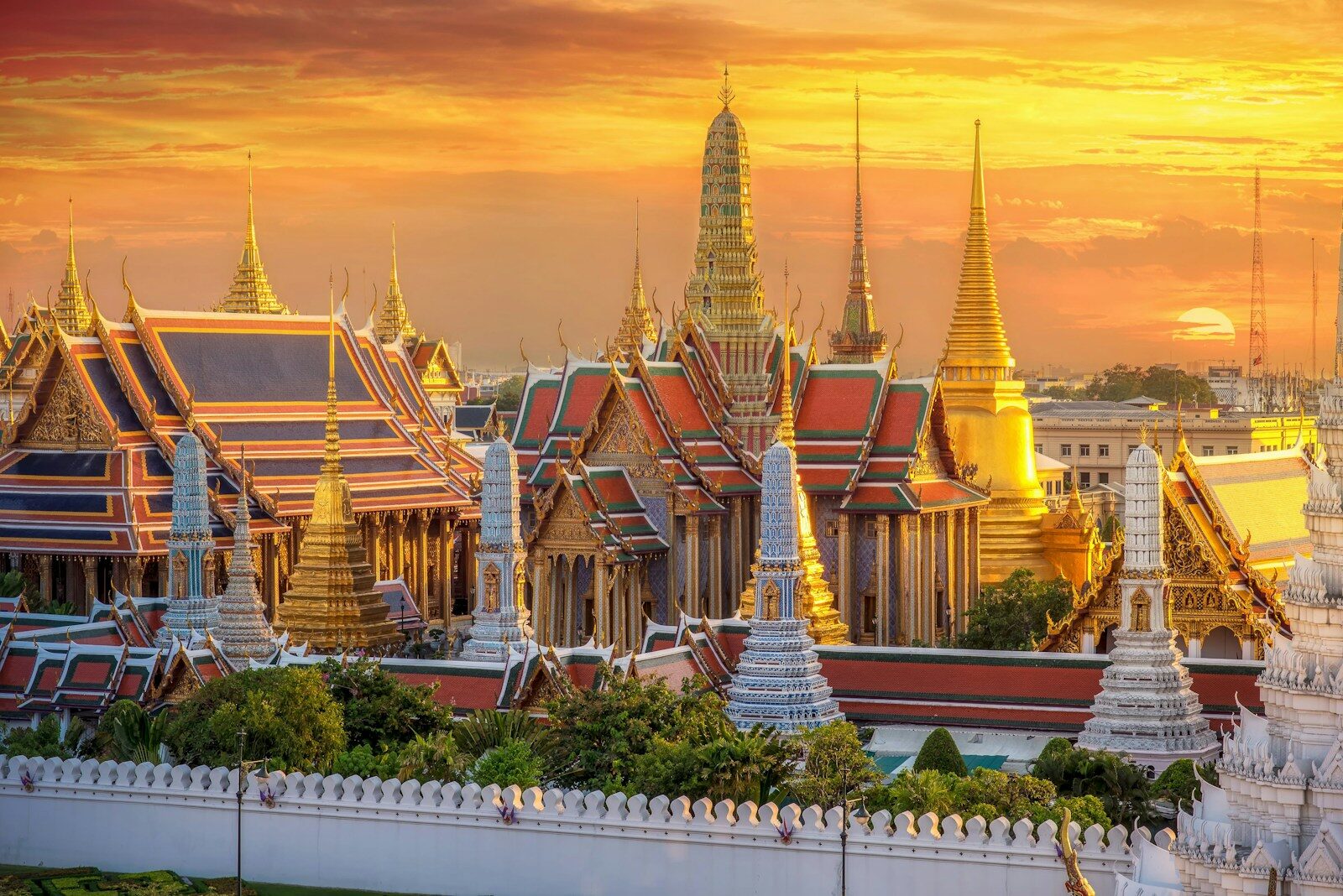
Thailand Travel Guide
From misty northern mountains and ancient temple kingdoms to the glittering capital and turquoise southern islands — a country built on Buddhist devotion, warm hospitality and food worth crossing the world for.
- Ancient kingdoms
- Buddhist heritage
- Street food nation
- Islands & jungle
Thailand, frame by frame
A visual pass through the country, from ancient ruins to island coastlines.
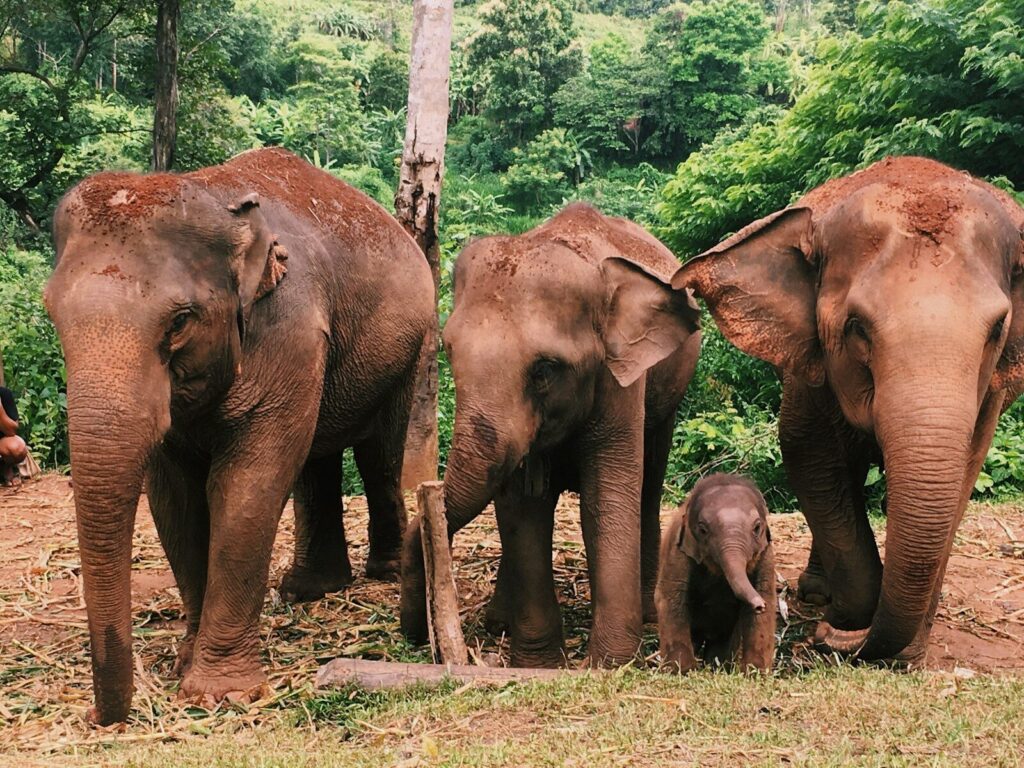
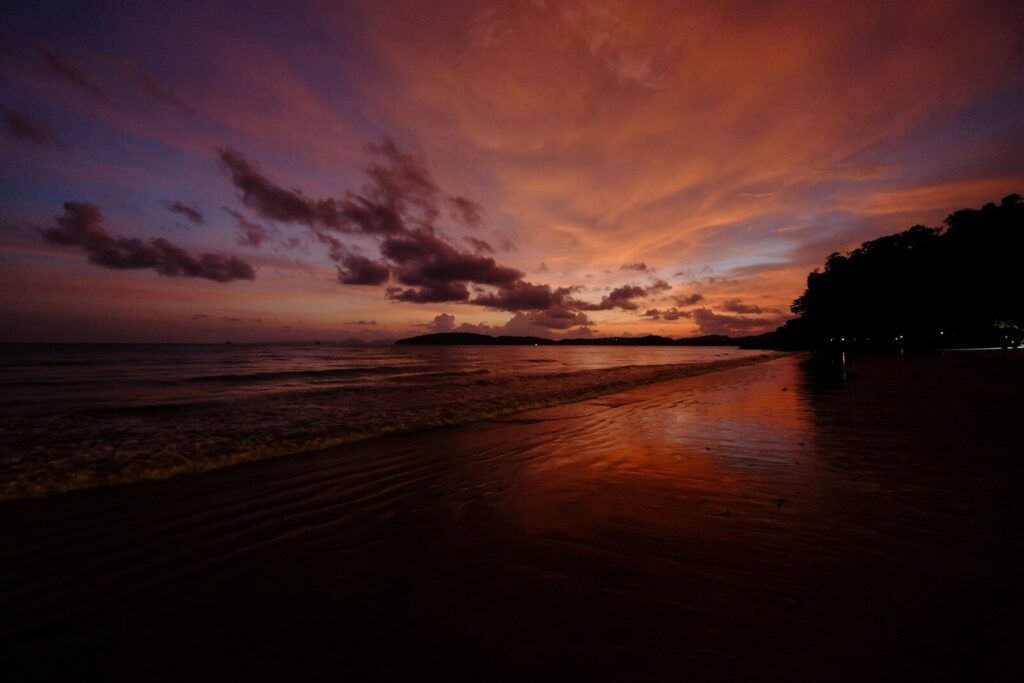
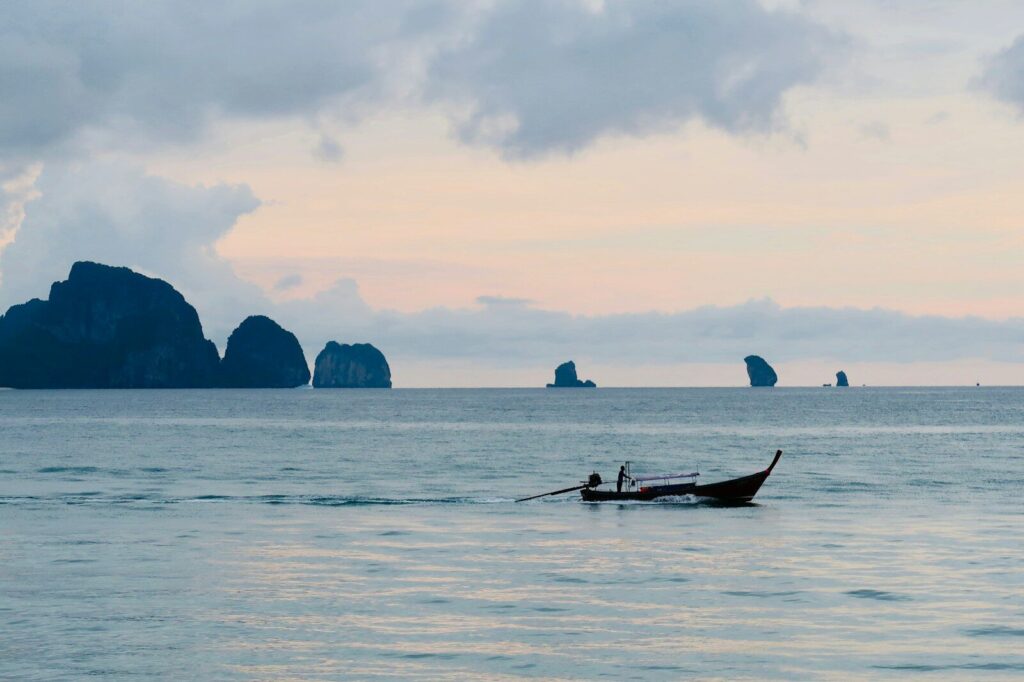
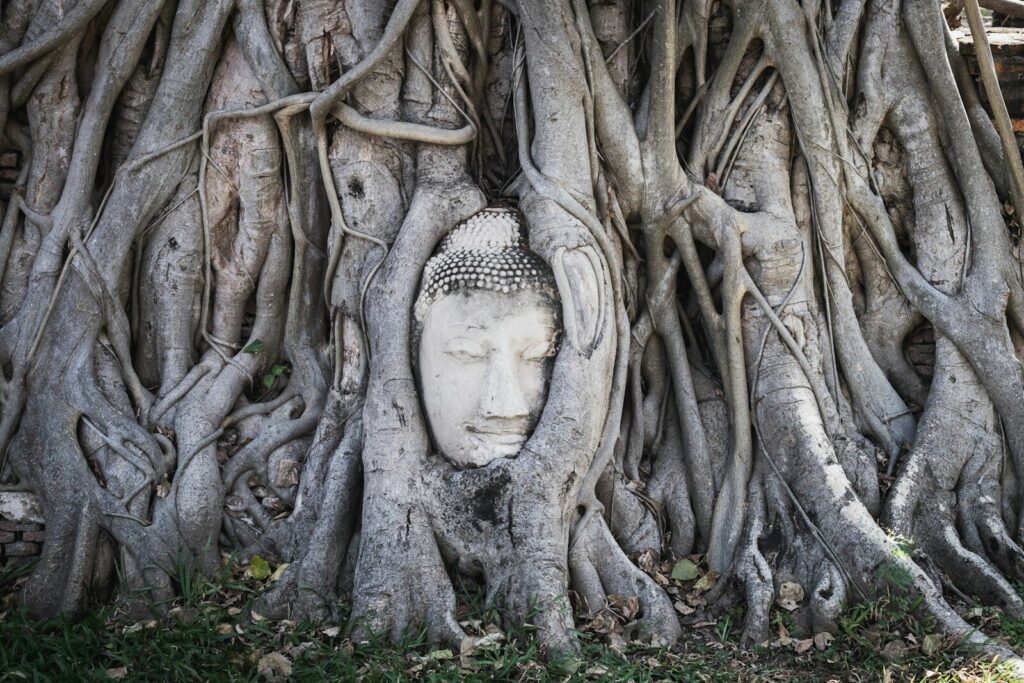
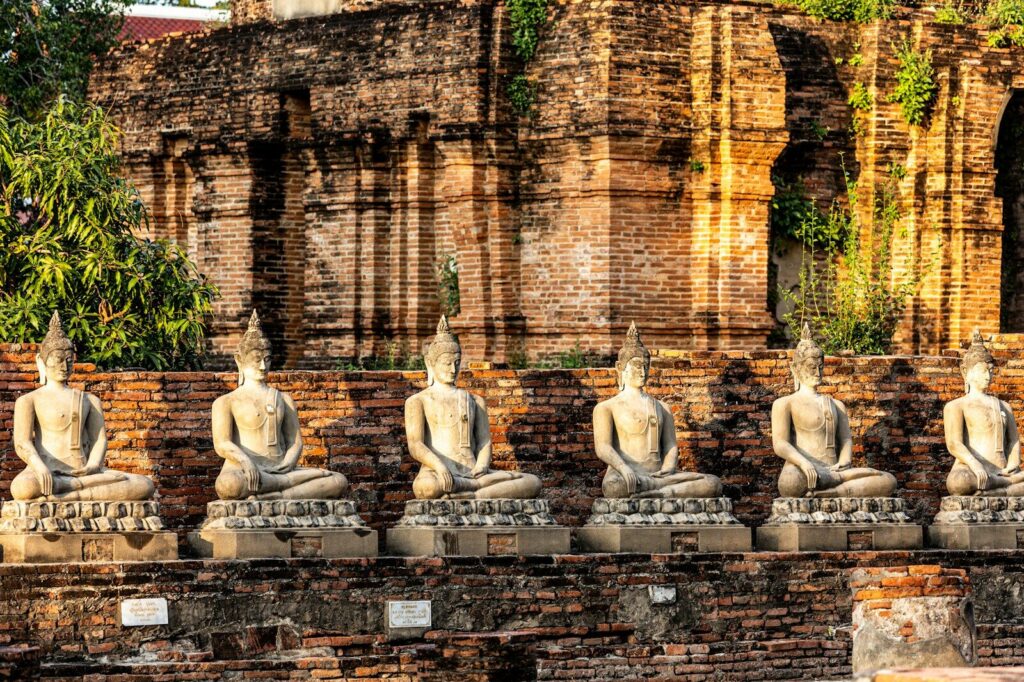
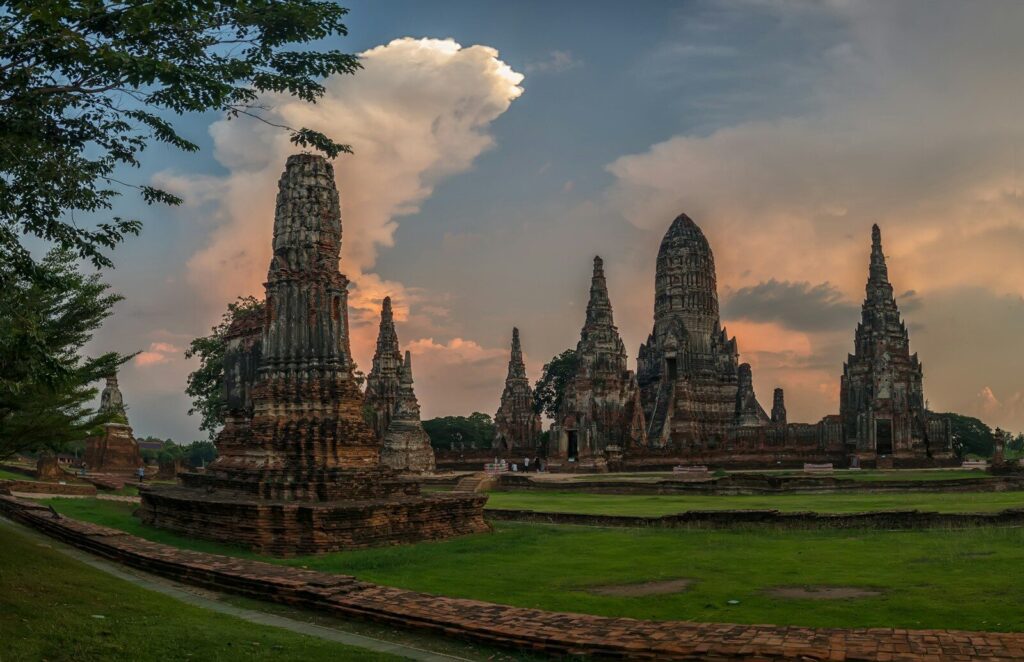
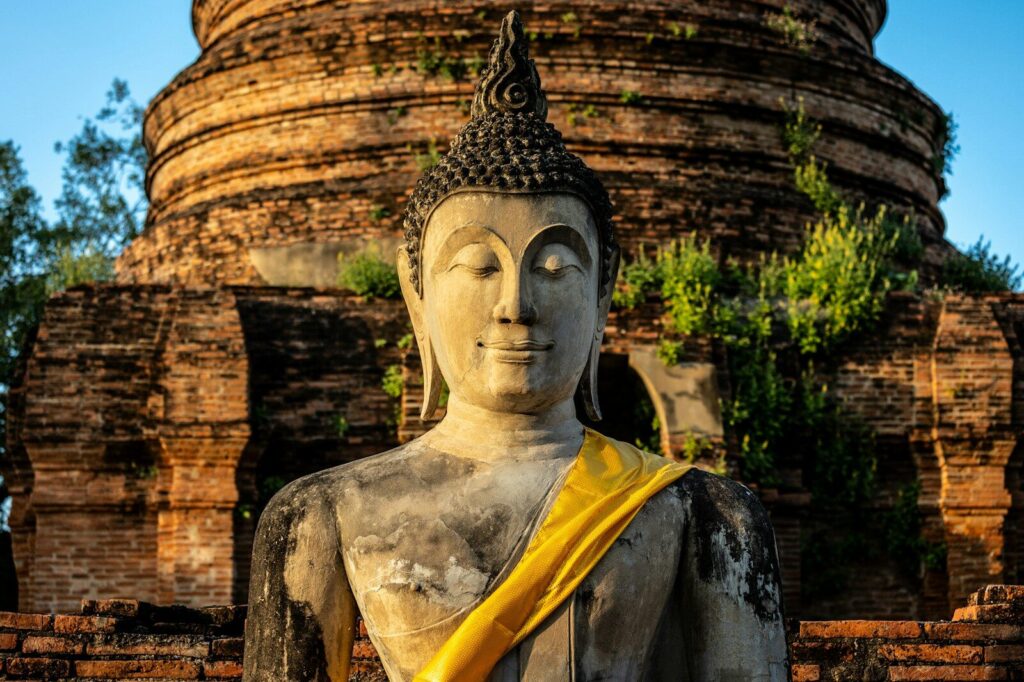
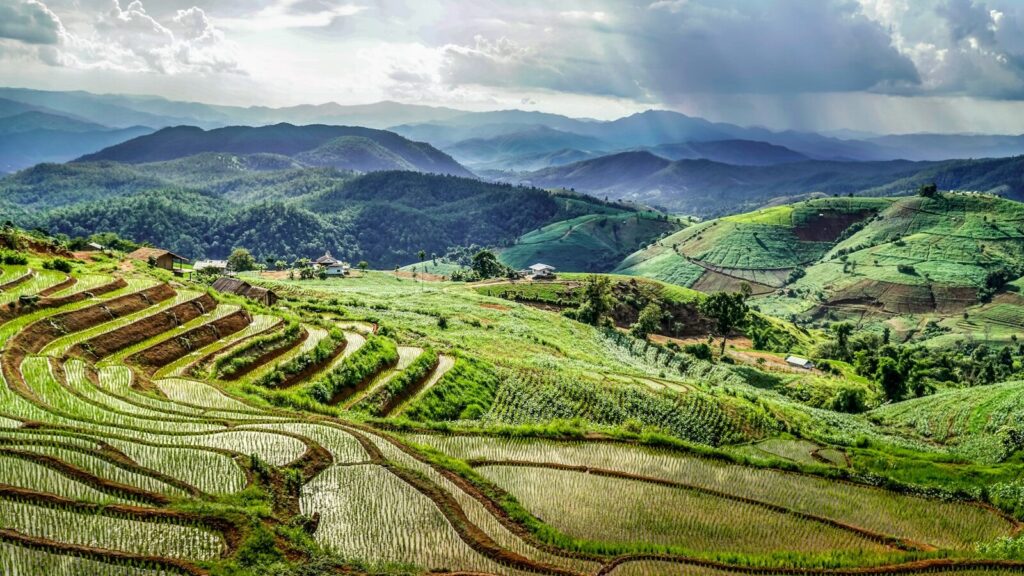
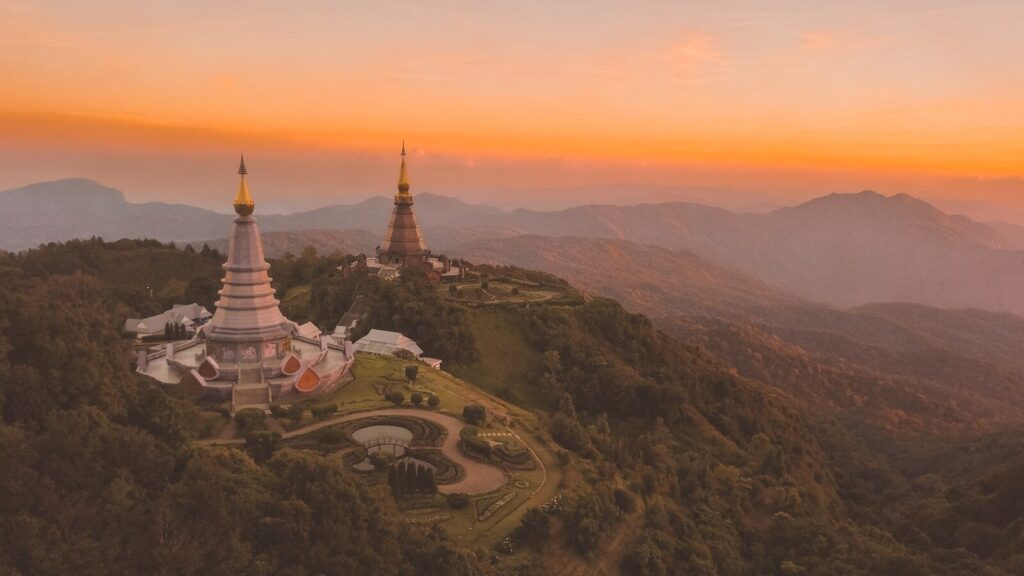
Ancient kingdoms, a glittering capital, southern islands
Thailand stretches from cool, forested mountains near the Golden Triangle down through the ancient royal capitals of Sukhothai and Ayutthaya, into Bangkok's temple spires and skyscrapers, and on to the limestone islands and beaches of the Andaman and Gulf coasts. It rewards choosing a region rather than rushing all of it: the temperate, hill-tribe culture of the north feels almost like a different country from the beach towns of the south, and Bangkok — the capital, covered in its own dedicated guide — sits at the hinge between them.
- → Ideal for small groups who want to combine ancient temple ruins, hill country and beach time in a single trip.
- → A great fit for travellers who like structured day trips balanced with genuine free time to wander markets and villages.
- → Suited to food-focused itineraries — regional cuisine changes dramatically between the north, northeast and south.
- → Works well split across two or three regions rather than attempting the whole country in one go — Bangkok and Ao Nang, covered in their own guides, are natural anchors for the centre and south.
“A country where devotion and hospitality run so deep that even a rushed itinerary feels, somehow, unhurried.”
Teekonda small-group feelWhen to go, season by season
Thailand's tropical climate covers three real seasons — cool, hot and rainy — though timing shifts a little between the mountainous north, the central plains and the two coastlines. The Gulf coast (Koh Samui and around) runs on a slightly different monsoon calendar to the Andaman side (Krabi, Phuket), so there's almost always a region with decent weather somewhere in the country.
Hot Season · Mar–May
Peak heat across most of the country, often exceeding 35°C; the northern hills stay marginally cooler and are the best escape from the lowland swelter. Songkran, Thai New Year, floods the streets nationwide in mid-April.
Southwest Monsoon · Jun–Aug
Rain arrives in short, heavy afternoon bursts across most of the country, with the Andaman coast (Krabi, Phuket) taking the brunt while the Gulf coast stays comparatively drier.
Peak Rains, Then Cooling · Sep–Nov
September and October bring the heaviest rain to central and northern Thailand; by November skies clear nationwide and the cool season begins — arguably the best month to be almost anywhere in the country.
Cool Season · Dec–Feb Recommended
The most popular season everywhere: dry, sunny days, cooler evenings (genuinely chilly in northern hill country), and calm seas on both coastlines. Book well ahead for December and January.
Choosing your base
Thailand rewards picking a base per region rather than one city for the whole trip.
Misty mountains and hill-tribe culture
Thailand's cultural capital of the north pairs old temples and a walkable moated old town with cooking classes, elephant sanctuaries and treks into hill country — noticeably cooler and slower-paced than the south.
The ancient royal capitals
Two UNESCO-listed former capitals a few hours apart, scattered with crumbling stone temples, tree-wrapped Buddha heads and moated ruins — best explored slowly, ideally by bicycle.
Andaman and Gulf beach country
Limestone cliffs, island-hopping boat trips and beach towns line both coasts — Ao Nang and Krabi on the Andaman side, Koh Samui and the Gulf islands on the other, each covered in more depth in their own guides.
What to eat
Pad Thai
Stir-fried rice noodles with egg, tofu or shrimp, bean sprouts and peanuts in a sweet-sour tamarind sauce — found everywhere from street carts to fine dining.
Tom Yum Goong
Hot and sour soup with shrimp, lemongrass, galangal and kaffir lime leaf, one of the dishes that defines Thai cuisine internationally.
Green Curry (Gaeng Keow Wan)
Coconut-based curry built on green chilli paste, Thai basil and vegetables with chicken or fish, a central-Thai signature.
Massaman Curry
A mild curry with Persian and Muslim roots with potatoes, peanuts and slow-cooked beef or chicken, spiced with cardamom, cinnamon and tamarind.
Khao Soi
Northern curry noodle soup topped with crispy fried noodles, coconut milk and chicken or beef — Chiang Mai's signature dish.
Sai Oua
Northern Thai herbed sausage packed with lemongrass, kaffir lime and turmeric, grilled over charcoal and sold in every northern market.
Larb
Spicy minced meat salad with lime, fish sauce, toasted rice powder and fresh herbs, a staple of Isan (northeastern) cuisine.
Som Tam
Green papaya salad pounded with chilli, lime, fish sauce and peanuts, originally from the northeast and now eaten nationwide.
Gai Yang
Isan-style grilled marinated chicken, usually ordered alongside larb and sticky rice as a classic northeastern combination.
Sticky Rice (Khao Niao)
The staple starch of the north and northeast, eaten by hand and used to scoop up curries, grilled meats and dips.
Gaeng Tai Pla
A pungent, fiery southern curry built on fermented fish stomach, bamboo shoots and vegetables — an acquired taste that defines southern Thai cooking.
Satay
Grilled skewers of marinated chicken or pork served with peanut sauce and cucumber relish, found across the country.
Moo Ping
Grilled pork skewers marinated in coconut milk, soy and palm sugar, a nationwide breakfast and street snack favourite.
Khao Niao Mamuang
Sweet sticky rice with ripe mango and coconut cream, Thailand's best-known dessert.
Thai Iced Tea
Strong brewed tea sweetened and poured over condensed milk and ice, the classic pairing for a street food meal anywhere in the country.
Did you know?
A mix of everyday quirks and the deeper history behind them, split into two quick reads.
The country runs on 'sanuk'
The national anthem plays over loudspeakers twice a day
Muay Thai is woven into everyday culture
White elephants were once untouchable royal property
Thai is a tonal language with five tones
Full moon parties began almost by accident
Thailand is one of the world's largest rice exporters
Spirit houses stand outside almost every building
Each day of the week has its own colour
The national flag's colours were formalised in 1917
Former working elephants now live in sanctuaries
Sukhothai is considered the cradle of Thai civilisation
Ayutthaya was once one of the world's wealthiest cities
Bangkok was founded in 1782 as Ayutthaya's successor
Thailand's old name, Siam, lasted until 1939
Thailand is the only Southeast Asian nation never colonised by a European power
Buddhism arrived over two thousand years ago
The Golden Triangle was once the world's opium heartland
Thailand shifted to a constitutional monarchy in 1932
Chiang Mai was once the seat of its own kingdom
Muay Thai has roots in battlefield training
The current monarch is the tenth of the Chakri Dynasty
Before you go
Many nationalities can enter Thailand visa-exempt for short tourist stays, but exact allowances change from time to time — check current requirements for your passport, and complete Thailand's digital arrival registration before you fly.
The country is bigger than it looks on a map: domestic flights are the fastest way between regions, while overnight trains and buses are a scenic, budget-friendly alternative. Each hub — Bangkok, Chiang Mai, Krabi or Phuket — has its own efficient local transport once you arrive.
A local e-SIM gives solid 4G/5G coverage nationwide, including most islands, though signal can thin out in remote hill country or on smaller islands.
Cash remains useful for markets, rural areas and small islands, while cards and mobile payments cover cities and mid-range to upscale venues. Tipping isn't obligatory anywhere in the country, but rounding up or leaving a little extra for good service is always appreciated.
Entry requirements and local conditions can change — always confirm the latest guidance for your nationality before travelling.
Thailand is too big to 'do' in one trip. Pick one or two regions — the ancient north plus Bangkok, or Bangkok plus a southern coast — and go deeper rather than wider; a well-paced two-region trip usually beats a rushed loop of the whole country.
Common questions
How many days do I need in Thailand?
Is Thailand safe for travellers?
Should I start in Bangkok, Chiang Mai or the southern coast?
Interested in Thailand with Teekonda?
Small-group journeys across Thailand's temples, mountains and coastlines, designed for travellers who want depth over a rushed checklist.
Find a trip


