
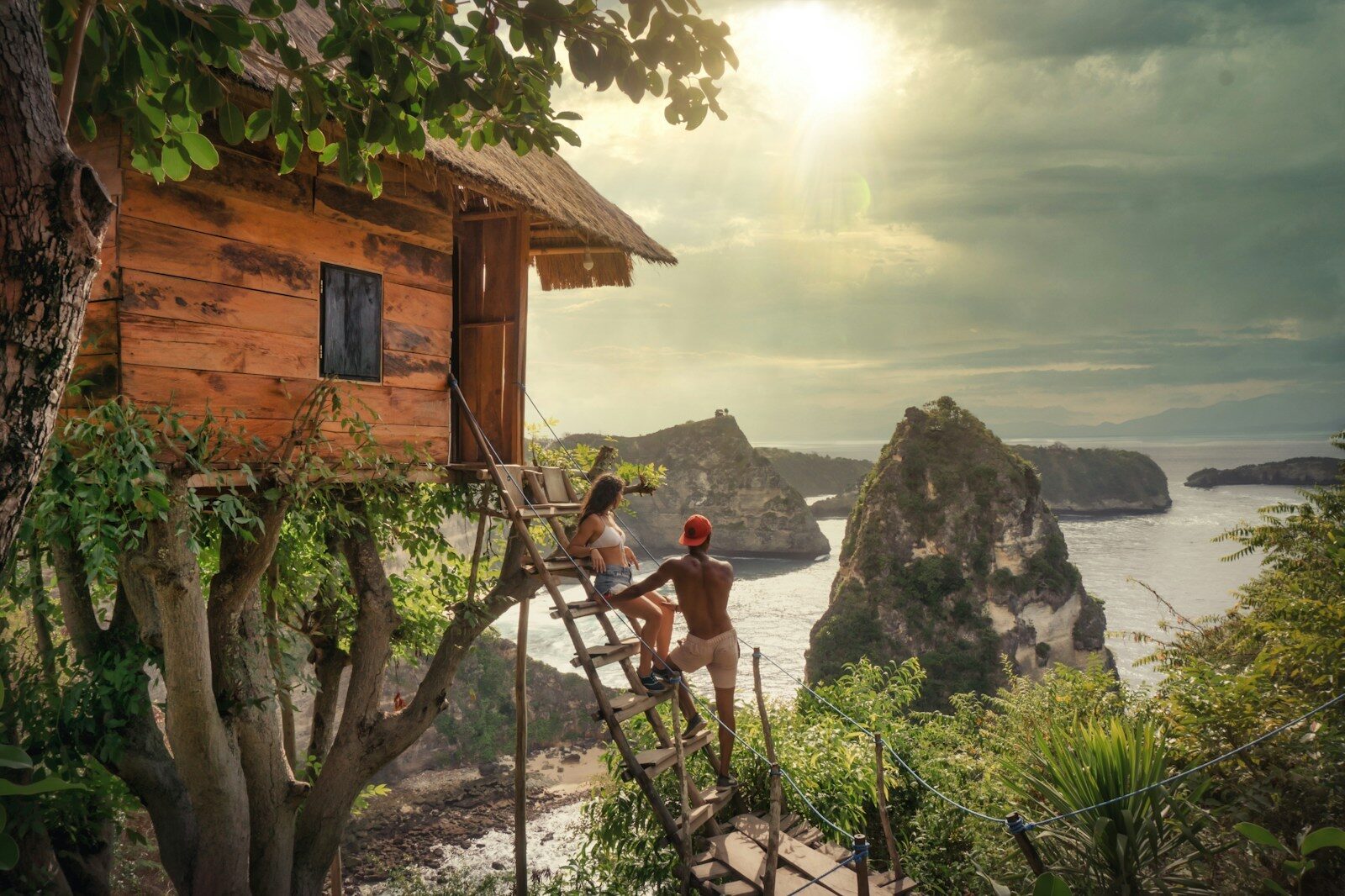
Bali Travel Guide
Indonesia's 'Island of the Gods' — sacred temples, emerald rice terraces and volcanic peaks that drop straight into a ring of surf beaches and sunset cliffs.
- Island of the Gods
- Temples & rice terraces
- Beaches to jungle in a day
Bali, frame by frame
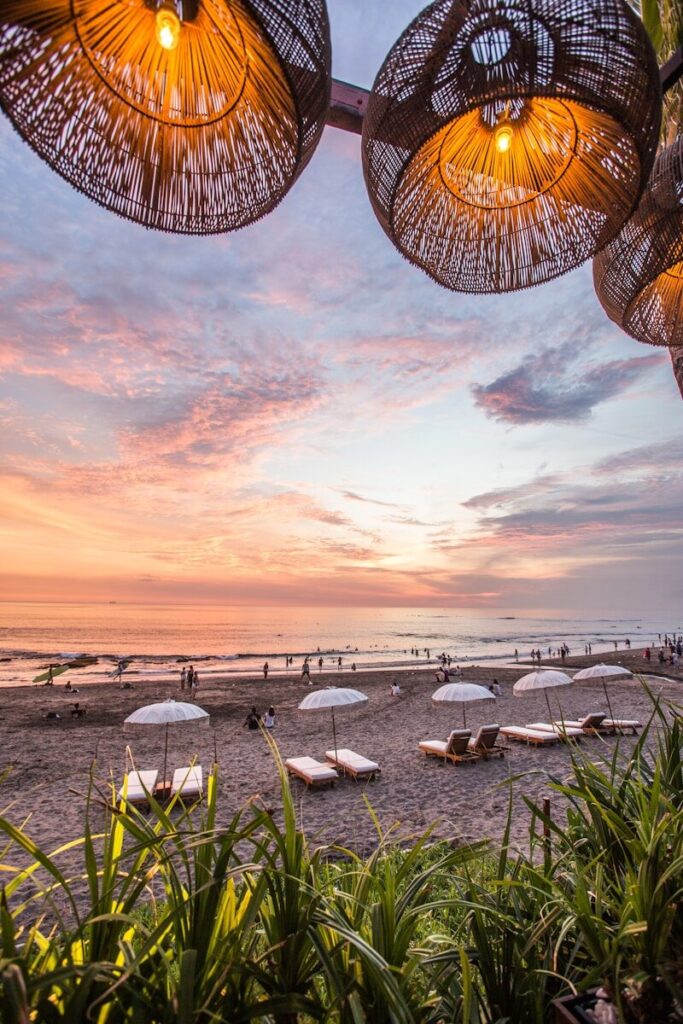
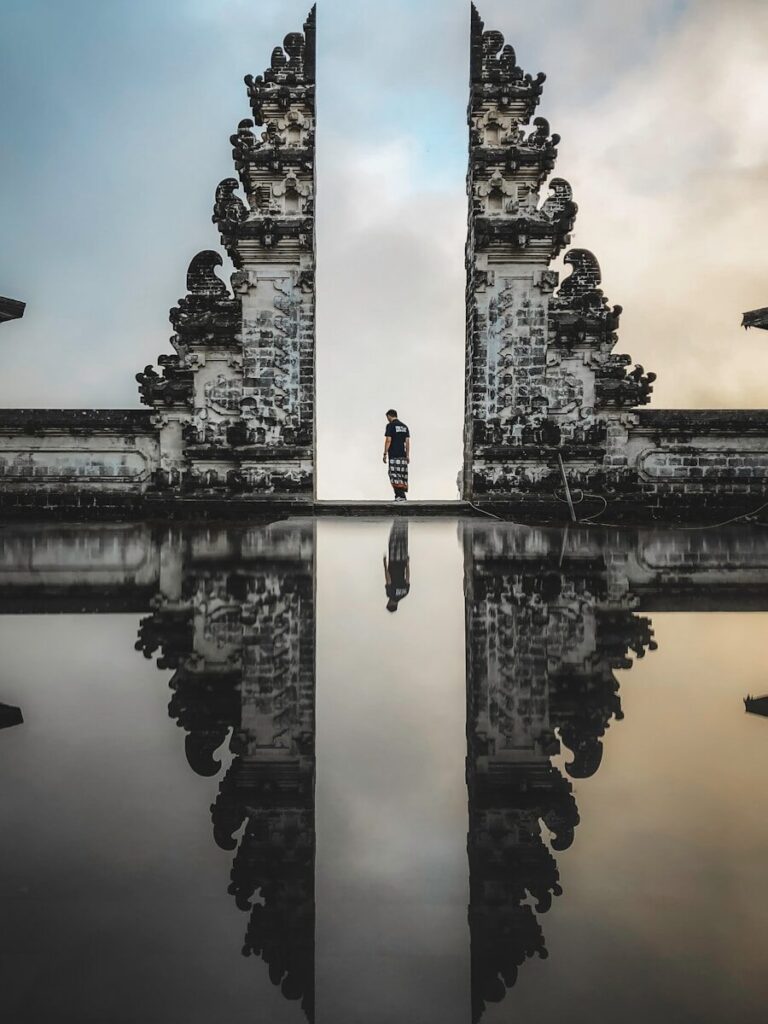
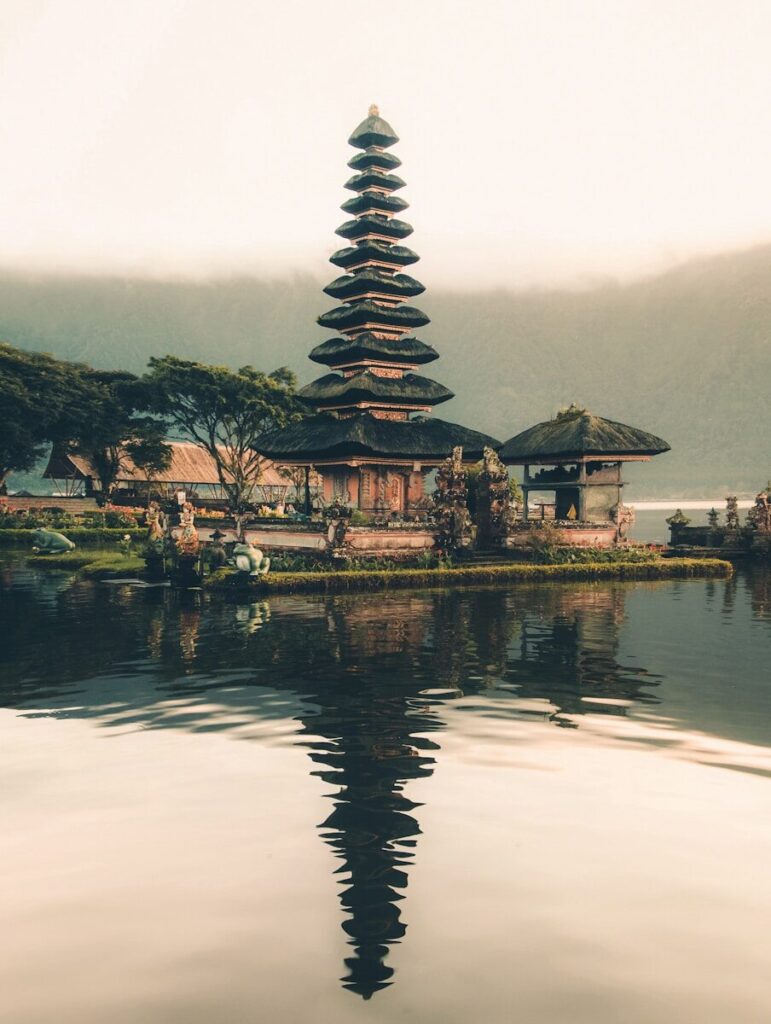
A visual pass through the island, from terraced hillsides to clifftop temples.
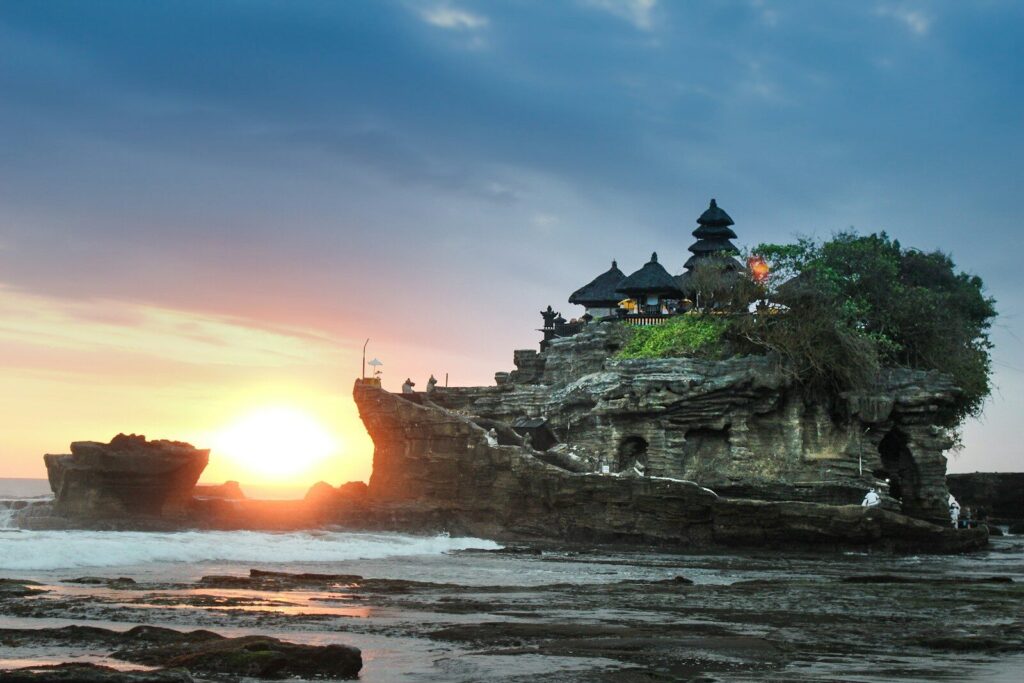
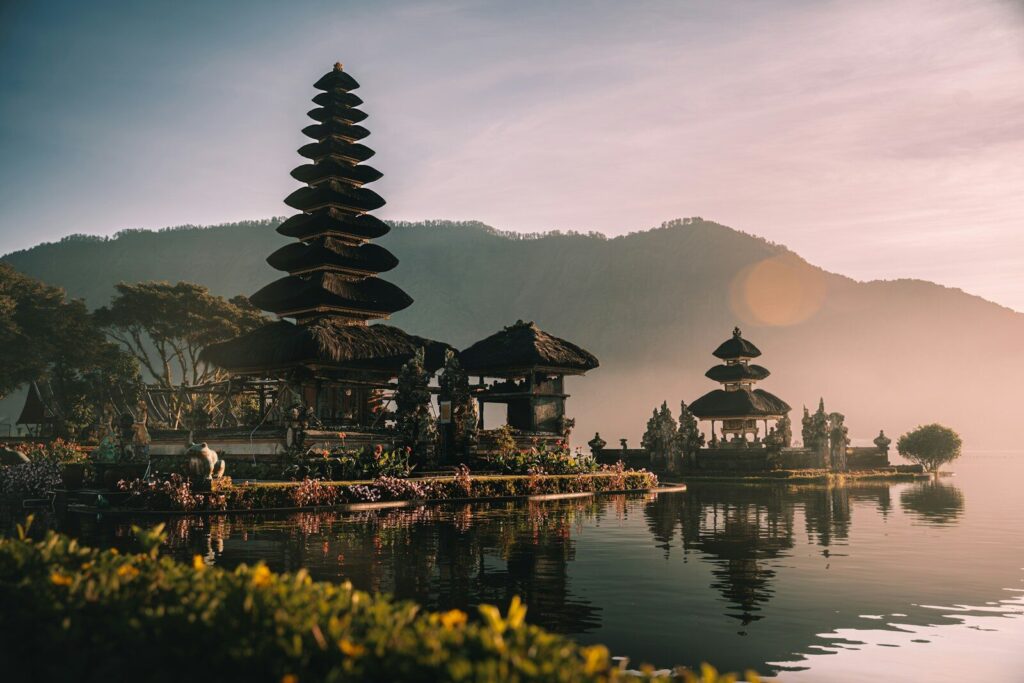

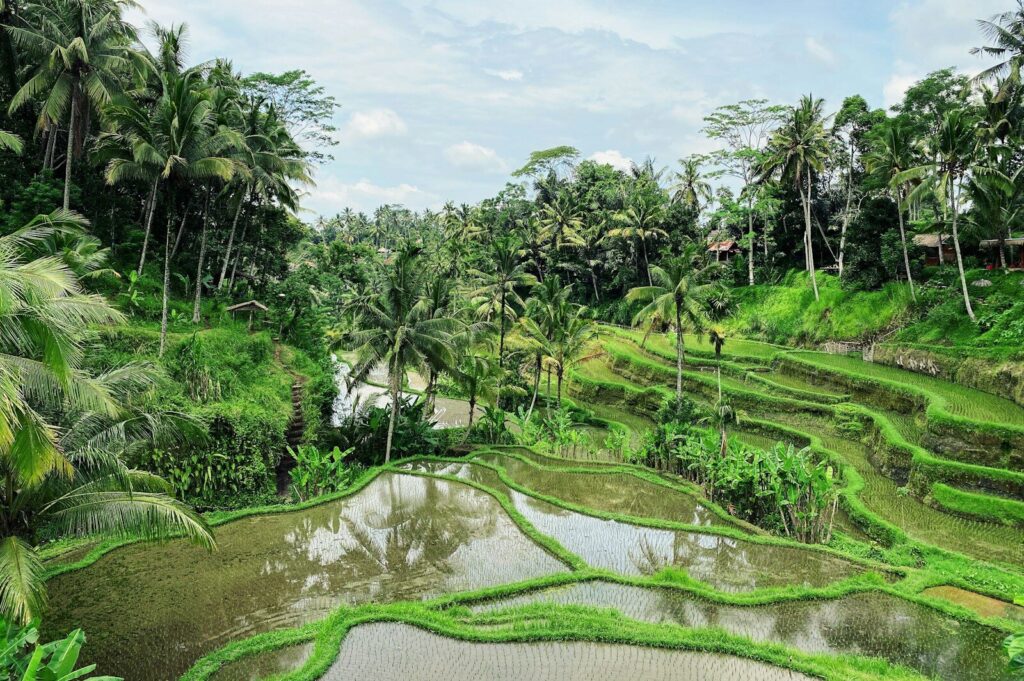
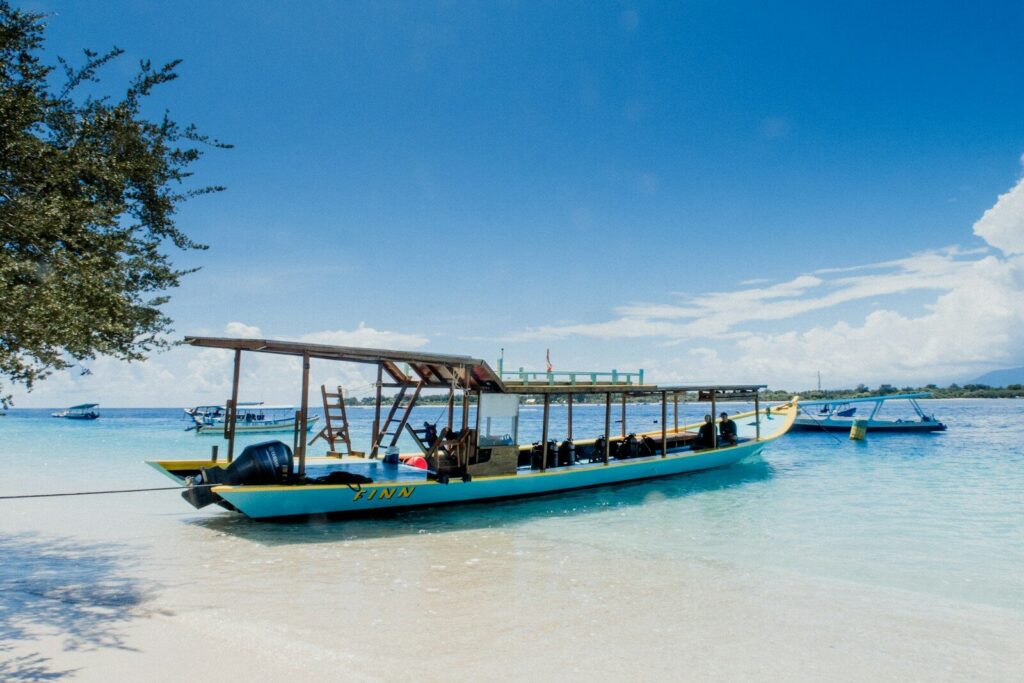
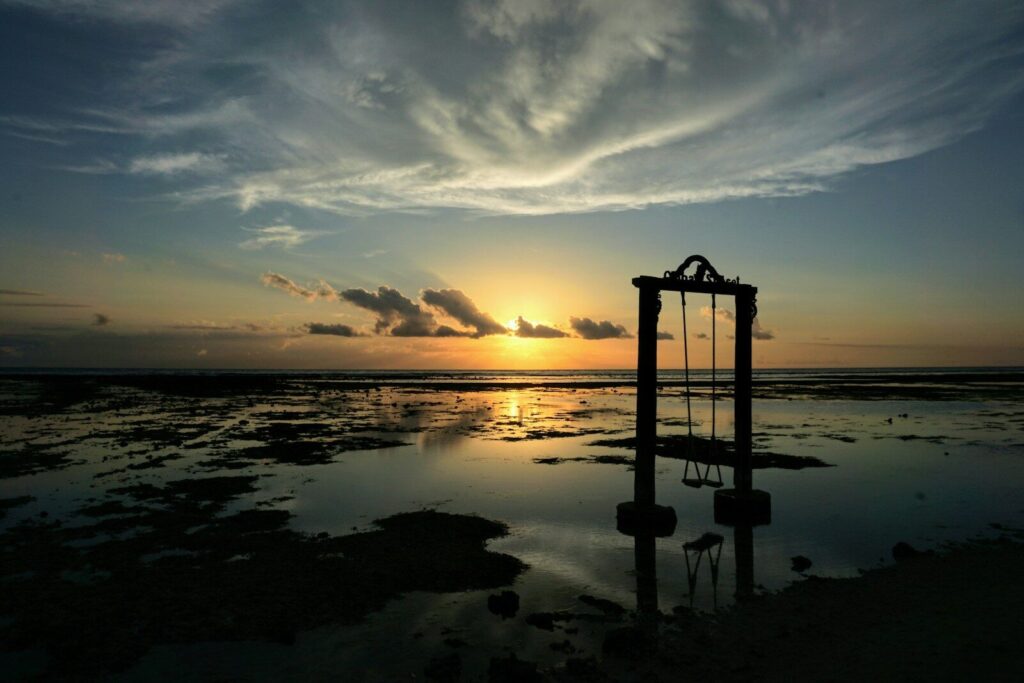

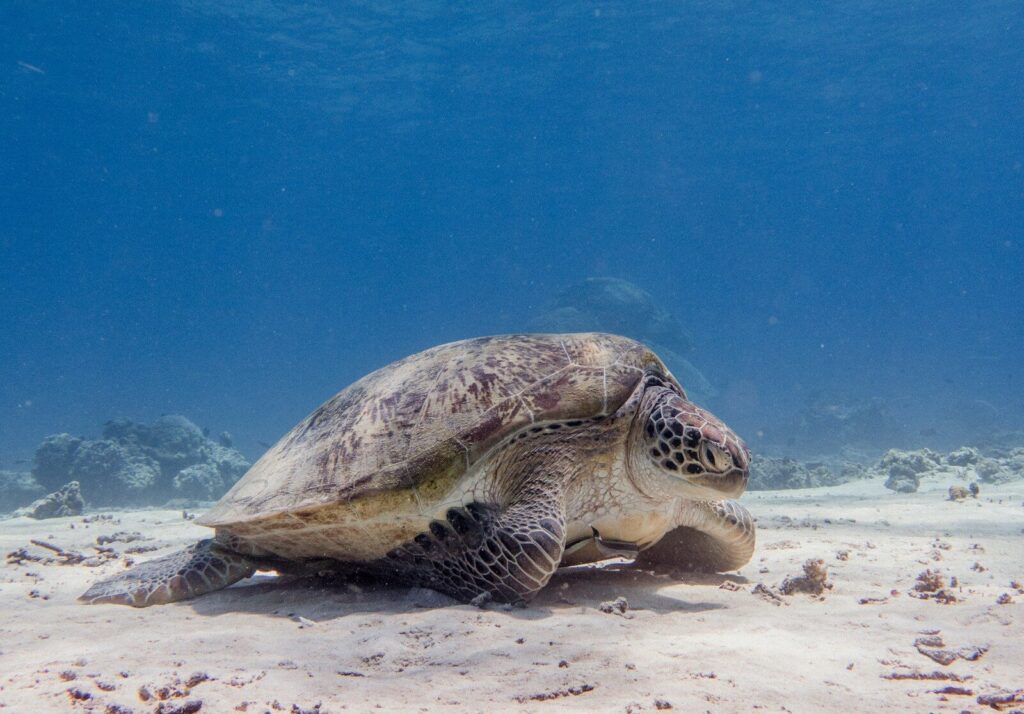
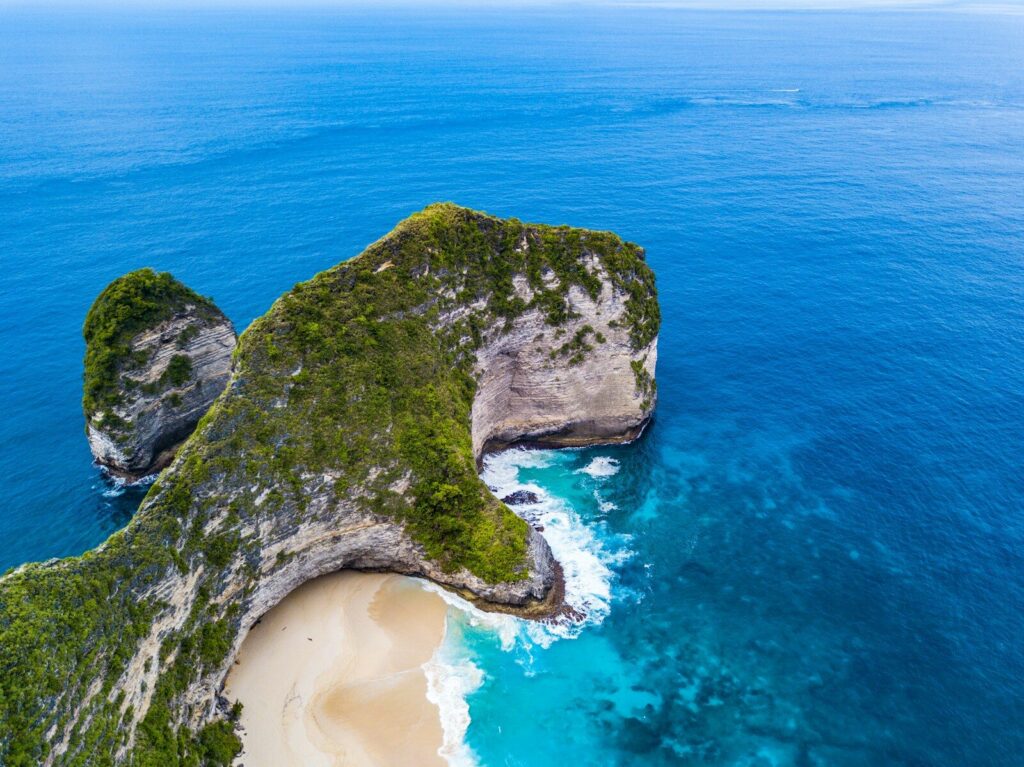
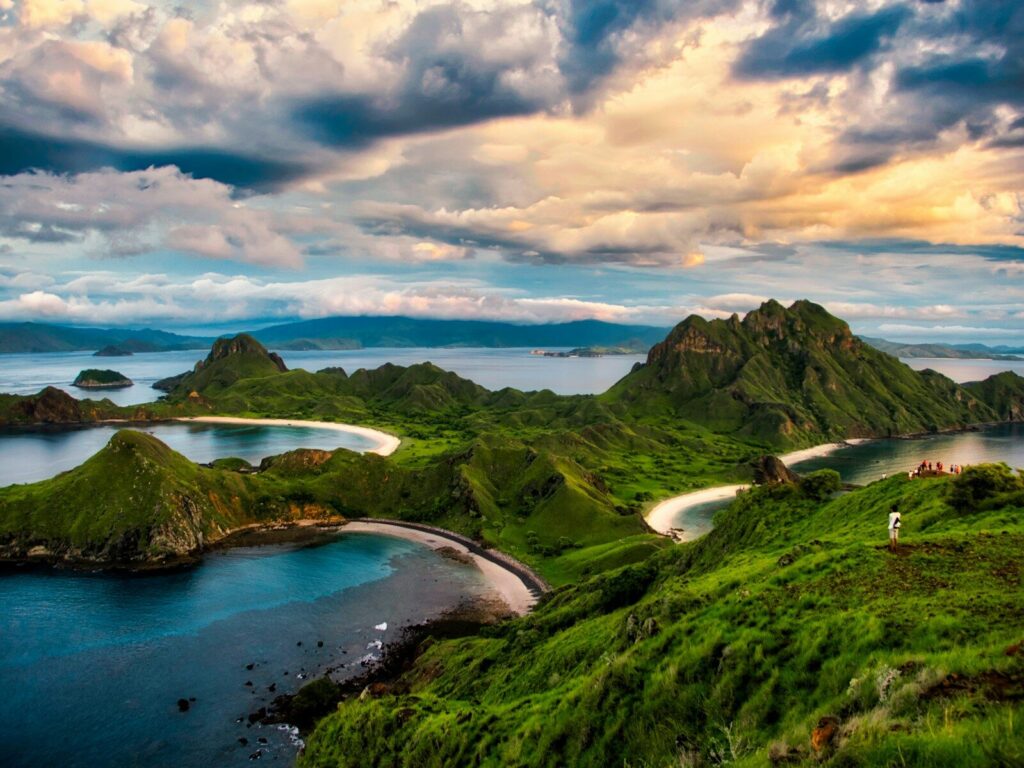
Temples, terraces and coastline in a single compact island
Bali packs an extraordinary range into a small footprint: sea temples perched on cliffs, terraced rice paddies carved into volcanic hillsides, jungle rivers, and a coastline that shifts from black-sand surf breaks to polished beach clubs within an hour's drive. Balinese Hinduism shapes daily life everywhere you look, from the tiny woven offerings placed on doorsteps each morning to the ceremonies that can close a whole street without warning. Use the island as a single base with a private driver, or split your stay across two or three areas to match the pace you want.
- → Ideal for small groups who want to mix active days — temple visits, rice terrace walks, waterfalls — with slower stretches by the pool or on the beach.
- → Best explored with a private driver, since distances are short but roads and traffic can be slow between regions.
- → Suited to travellers who want culture and nature alongside genuine beach and surf time, not just one or the other.
- → Works well split across two bases, such as a cultural inland stay plus a few coastal nights, to see contrasting sides of the island without constant repacking.
“An island where a sunrise volcano trek, a rice terrace walk and a sunset beach club can all happen in the same day, without anything feeling rushed.”
Teekonda small-group feelWhen to go, season by season
Bali sits close to the equator, so temperatures stay warm year-round; what changes is rainfall. A dry season runs roughly April to October, a wetter season November to March, and the shoulder months either side of the dry season tend to offer the best balance of good weather and thinner crowds.
Spring · Mar–May Recommended
The wet season tapers off through April and May, bringing warm days, lush green landscapes and noticeably fewer visitors than the peak dry months — a strong window for rice terrace walks and temple visits.
Summer · Jun–Aug
The heart of the dry season: reliable sunshine, low humidity and the busiest, most expensive months on the island, especially July and August — book stays and drivers well ahead.
Autumn · Sep–Nov Recommended
September keeps the dry season's stable weather while crowds and prices ease off before the rains return in November — many consider this the island's true sweet spot.
Winter · Dec–Feb
The wet season proper, with short, heavy afternoon downpours rather than all-day rain, greener scenery, lower prices and a livelier local, festival-driven atmosphere.
Choosing your base
Bali rewards choosing a base — or two — that matches the trip you want: coastal energy, clifftop calm, or a cultural counterpoint inland.
Beach clubs, surf and dining
The island's social engine room, with polished beach clubs, boutique shopping, a strong café scene and some of Bali's best surf breaks right off the sand.
Clifftop drama and sunset temples
Limestone cliffs, world-class surf breaks and dramatic sunset views from the Uluwatu temple make this the pick for a slower, more scenic finish to a trip.
A cultural counterpoint inland
Rice terraces, art markets and a jungle setting make Ubud a natural add-on for a few days of culture between beach stints — see our dedicated Ubud guide for the full deep dive.
What to eat
Nasi Campur
Bali's everyday plate: steamed rice served with a little of everything — a protein, lawar, vegetables and sambal — different at every warung.
Babi Guling
Whole suckling pig stuffed with spice paste and roasted until the skin turns crackling-crisp, traditionally a ceremonial dish now found island-wide.
Bebek Betutu
Duck (or chicken) wrapped in banana leaves, coated in spice paste and slow-cooked for hours until the meat falls off the bone.
Sate Lilit
Minced fish, chicken or pork blended with grated coconut and spices, pressed around lemongrass stalks and grilled over charcoal.
Lawar
A finely chopped mix of vegetables, grated coconut, minced meat and rich spices, often prepared for ceremonies and eaten with rice.
Ayam Betutu
Chicken rubbed with a fiery base spice paste (bumbu genep) and slow-roasted or steamed inside banana leaves.
Nasi Goreng
Indonesia's classic fried rice, wok-tossed with sweet soy sauce, garlic and sambal, usually topped with a fried egg.
Mie Goreng
The noodle counterpart to nasi goreng, stir-fried with vegetables, egg and a similar sweet-spicy seasoning.
Sambal Matah
A raw, fragrant relish of sliced shallot, lemongrass, chilli and lime, served on the side of almost everything.
Pepes Ikan
Fish marinated in spice paste, wrapped in banana leaf and grilled or steamed, keeping the flesh moist and fragrant.
Tipat Cantok
Compressed rice cakes and blanched vegetables tossed in a thick peanut sauce, a popular light lunch.
Jaje Bali
A catch-all term for Bali's colourful traditional sweets — sticky rice cakes, coconut and palm sugar in endless small variations.
Klepon
Bite-sized rice cakes filled with liquid palm sugar and rolled in grated coconut, meant to be eaten in one go.
Es Kelapa Muda
Young coconut water and flesh served over ice, often with a touch of palm sugar syrup — the island's go-to way to cool down.
Did you know?
A mix of everyday quirks and the deeper history that shaped them, split into two quick reads.
Most Balinese share only a handful of first names
No building may stand taller than a coconut tree
Tiny offerings appear on the ground everywhere, every day
Once a year, the entire island goes silent
Bali runs on two calendars at once
The Kecak 'monkey chant' is younger than it looks
The rice terraces are run by a 1,000-year-old cooperative system
Uluwatu's resident monkeys have sticky fingers
One village buries its dead in the open air
Canggu was a rice-farming backwater not long ago
Bali is a Hindu island in the world's largest Muslim-majority country
Hindu influence reached Bali by sea trade over a thousand years ago
The Majapahit conquest reshaped Balinese society
Bali became a refuge when Javanese Hindu rule collapsed
Some communities never adopted the Majapahit changes
Balinese kingdoms fought Dutch colonial forces to the death
Bali's global fame is partly a 1930s invention
Japanese occupation interrupted colonial rule during WWII
Independence brought Bali into a new republic
A 1963 eruption struck during a once-a-century ceremony
Bali's tourism recovered from tragedy through community resilience
The rice terraces themselves are centuries-old engineering
Before you go
Most nationalities can enter Indonesia visa-free or via an e-Visa on Arrival for short stays; check current rules for your passport, keep at least six months' validity, and complete the Indonesia arrival card before landing.
A private driver is the easiest way to cover Bali's distances, since traffic can be slow between regions; scooters are popular for shorter hops but require real caution and the right licence.
Local e-SIMs are cheap and easy to activate on arrival; wifi is widely available in cafes, villas and coworking spaces, especially around Canggu and Seminyak.
The Indonesian Rupiah is the only currency accepted; carry cash for warungs and markets, use cards in hotels and larger restaurants, and leave a small 5-10% tip for good service, though it's never obligatory.
Entry requirements, tourist levies and local conditions can change — always confirm the latest guidance for your nationality before travelling.
Five to seven days lets you properly combine a cultural inland stint with genuine beach time. If you want to add Ubud in depth, the Gili Islands, or slower days on both coasts, plan for 9-10 days so nothing feels like a rushed day trip.
Common questions
How many days do I need in Bali?
Is Bali good for first-time visitors to Indonesia?
Do I need a visa to visit Bali?
Interested in Bali with Teekonda?
Small-group journeys through Indonesia's most iconic island, designed for travellers who want culture, nature and genuine beach time in one trip.
Find a trip


