
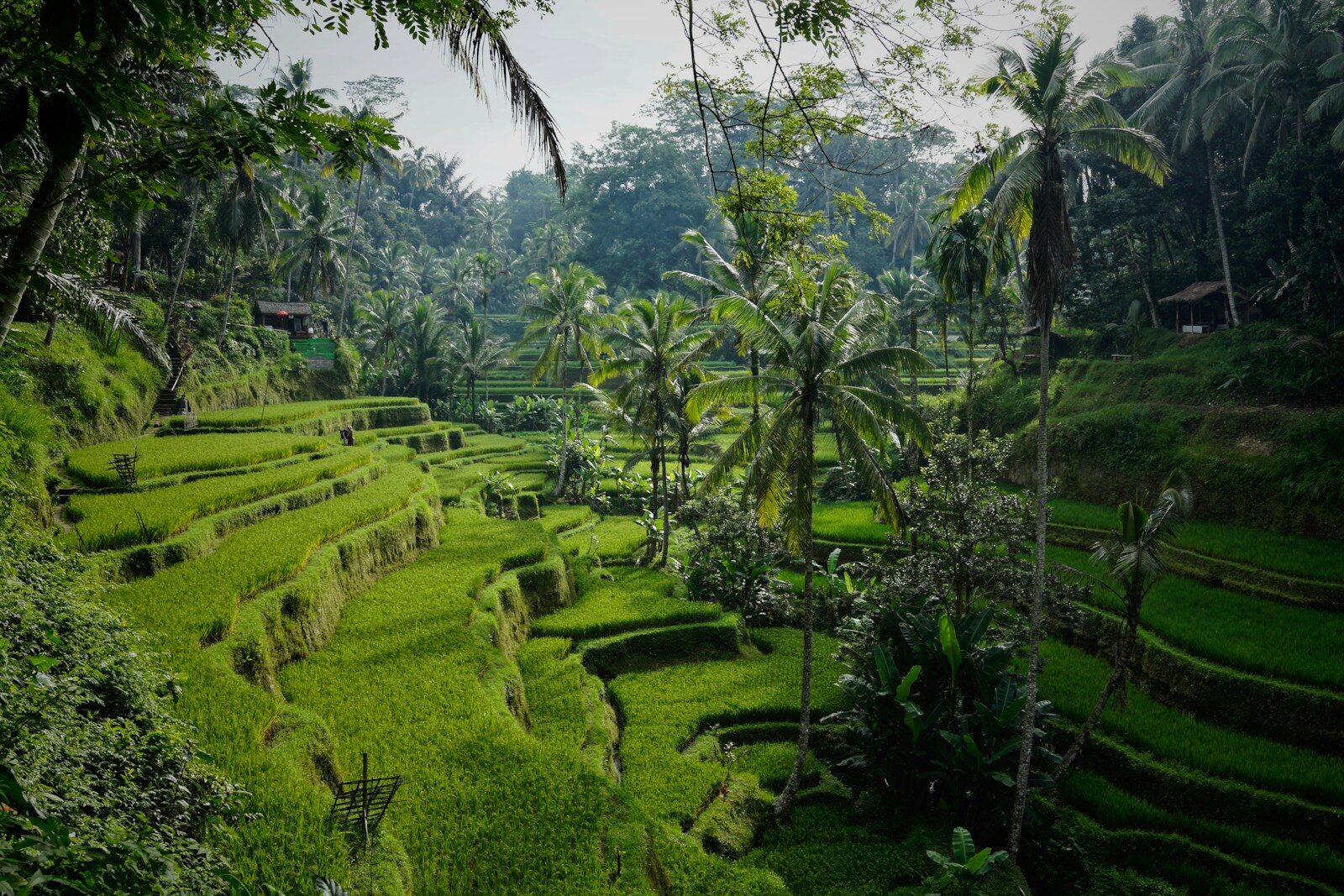
Ubud Travel Guide
Bali's cultural and spiritual heart — tiered rice terraces, incense-scented temples and jungle ravines set the pace for a slower, more sensory side of the island.
- Bali's cultural heart
- Rice terraces & temples
- Yoga, art & wellness
Ubud, frame by frame
A visual pass through Bali's cultural heart, from terraced hillsides to temple courtyards.
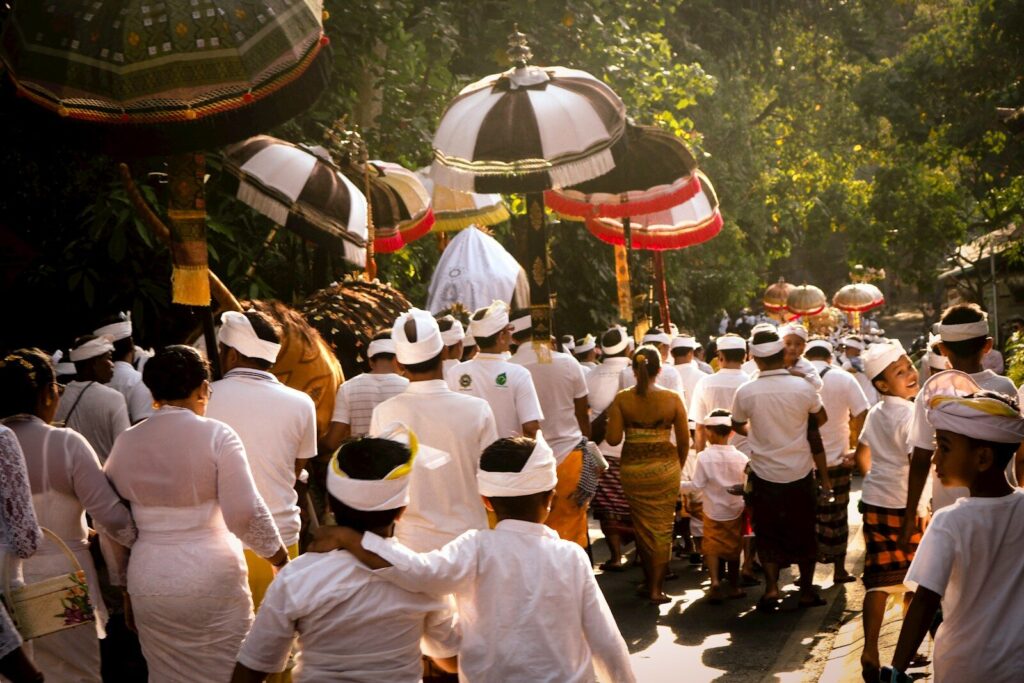
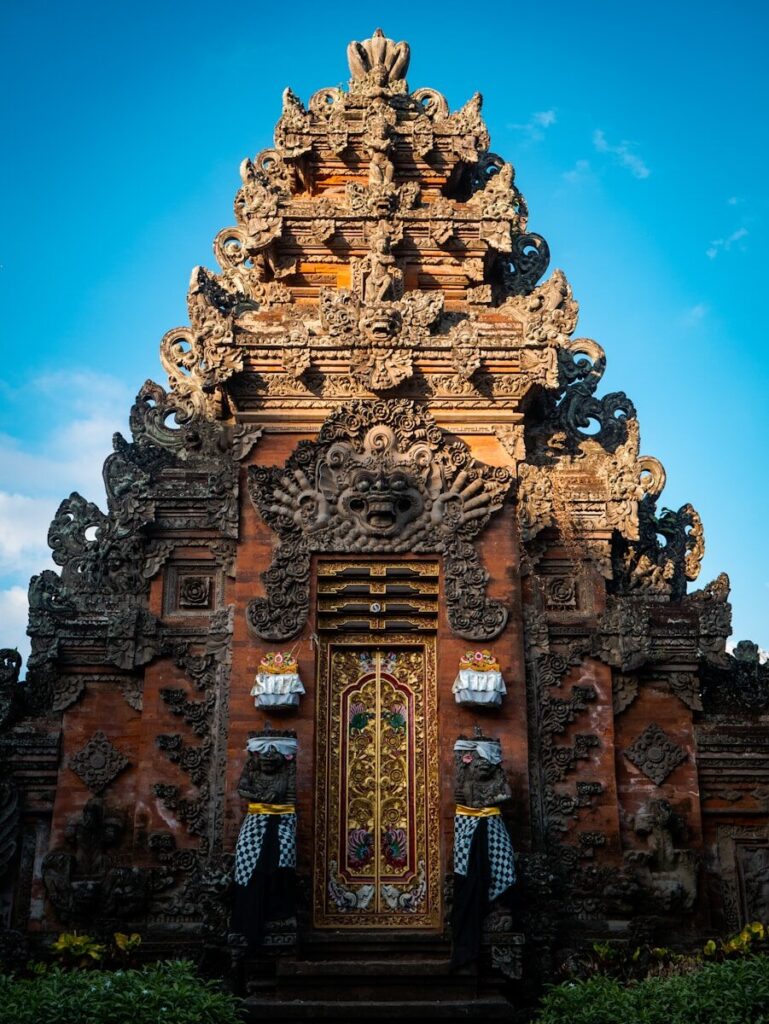

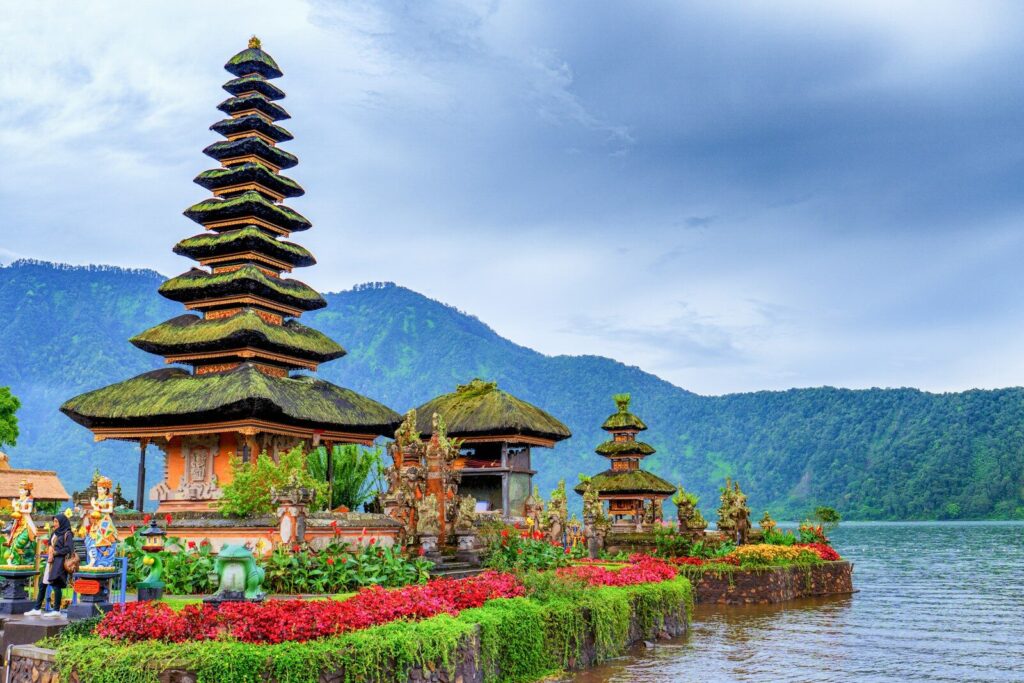
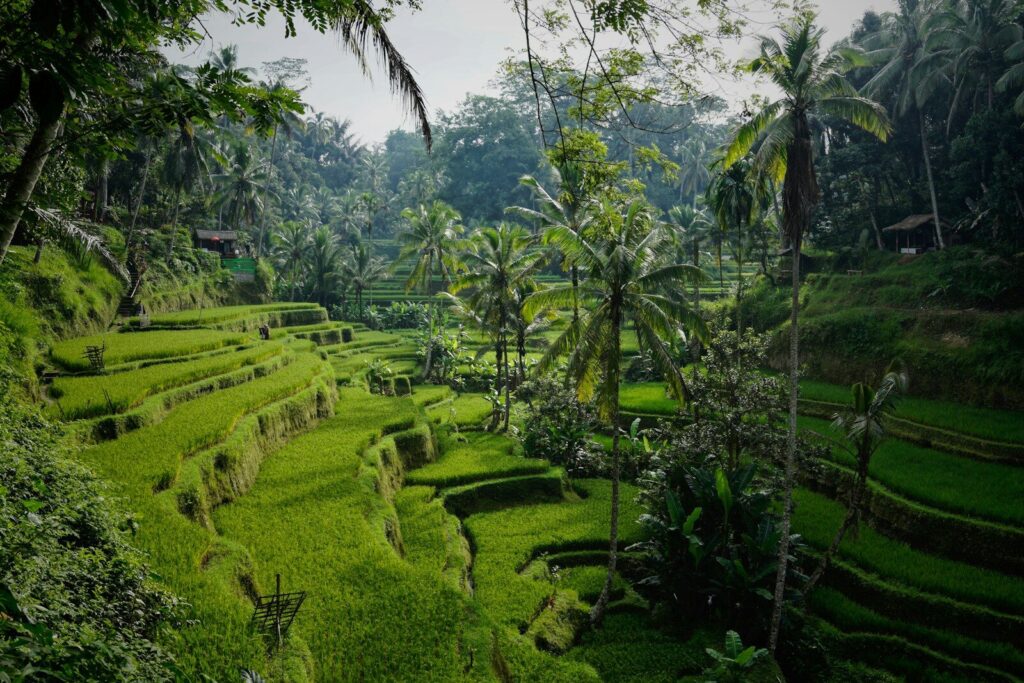
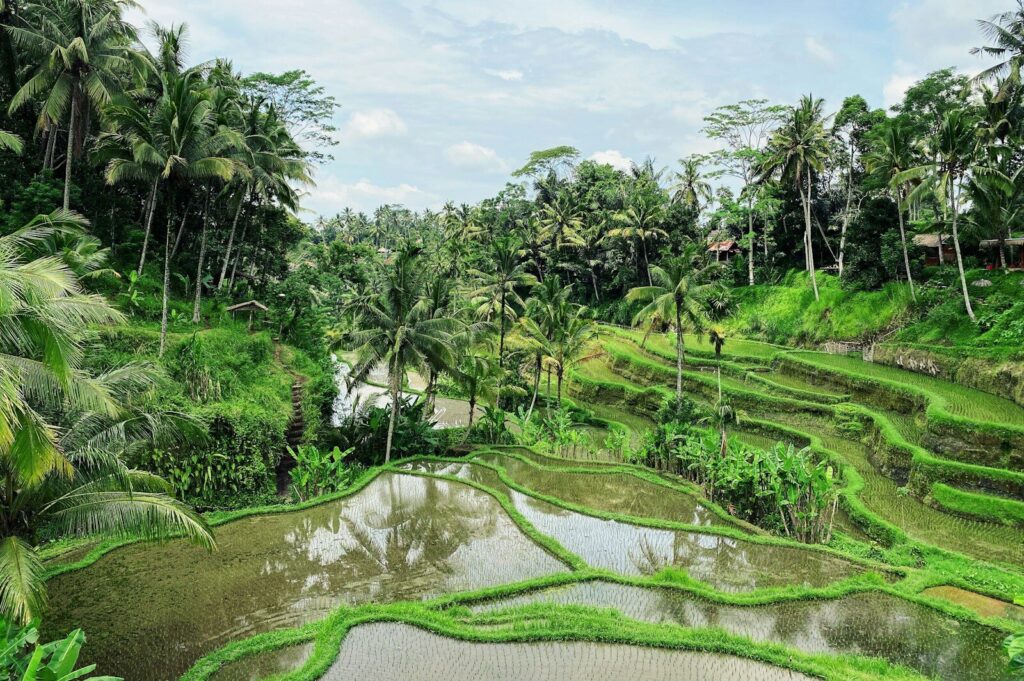
Rice terraces, temple bells and a slower rhythm inland
Set among jungle-clad hills in Bali's interior, Ubud trades beach time for something quieter: rice paddies stepping down hillsides, temple bells drifting through morning mist, and family compounds that double as painters' or woodcarvers' workshops. It's Bali's long-standing artistic and spiritual capital, shaped by a royal palace that once welcomed the artists who put the town on the world map, and by a wellness scene that now spans sunrise yoga, jungle spas and long, unhurried lunches over rice paddies. Days here move at their own pace — early starts for ridge walks and temples, quiet cafe hours through the midday heat, and evenings for gamelan and traditional dance.
- → Ideal for small groups drawn to nature, culture and wellness together — sunrise walks, temple rituals and slow meals shared rather than rushed.
- → A natural base for private-guide day trips to rice terraces, waterfalls and temples like Goa Gajah and Tirta Empul.
- → Suited to groups who want to fold in a cooking class, a yoga session or a batik workshop alongside sightseeing.
- → Works well as an inland counterpoint to a coastal stay elsewhere on Bali, or as a slower final stop before flying home.
“A town built around the idea that a rice terrace at sunrise and a temple ritual at midday belong in the same itinerary as a good long lunch.”
Teekonda small-group feelWhen to go, season by season
Ubud sits higher and further inland than Bali's coast, so it runs slightly cooler and more humid, with a similar dry-and-wet rhythm but greener surroundings year-round thanks to the rice paddies and jungle.
Spring · Mar–May Recommended
The tail of the wet season gives way to bright days and lush post-rain greenery, with warm temperatures and thinner crowds — a strong window for the Campuhan Ridge Walk and temple visits.
Summer · Jun–Aug Recommended
Peak dry season: sunny, dry and busy, especially July and August, with Tegallalang and the Sacred Monkey Forest at their most crowded — start sightseeing early to beat the tour groups.
Autumn · Sep–Nov Recommended
September and early October keep the dry season's clear skies while crowds and prices ease, making this a favourite window for terrace photography and purification rituals at Tirta Empul.
Winter · Dec–Feb
The wet season proper brings short, heavy afternoon downpours and intensely green valleys — good for spa days, cooking classes and unhurried cafe time between showers.
Choosing your base
Ubud rewards choosing a base by pace: right in the centre for convenience, just outside for quiet, or further into the rice fields for full immersion.
Palace, market and walkable convenience
Steps from Ubud Palace, the Art Market and Jalan Monkey Forest's cafes and shops — the easiest base for groups who want everything within walking distance.
Ridge walks and creative energy
Home to the Campuhan Ridge Walk and a cluster of yoga studios and artist workshops, ten to twenty minutes on foot from the centre with a noticeably calmer feel.
Quiet villages among the paddies
Traditional villages a short drive or walk from town, close to the Sacred Monkey Forest, with rice-terrace views and a slower, more local pace.
What to eat
Babi Guling
Ubud is famous for this spit-roasted suckling pig, seasoned with a rich spice paste of turmeric, coriander and other aromatics, served with rice, crackling and sambal at long-running local warungs.
Bebek Betutu
Duck rubbed with rich spice paste, wrapped in banana leaves and slow-roasted for hours — a dish often served at ceremonies and widely available around town.
Sate Lilit
Minced fish or chicken blended with coconut and spices, pressed around lemongrass stalks and grilled over charcoal.
Tum Ayam
Spiced minced chicken and vegetables steamed in a banana-leaf parcel, a gentler, homestyle relative of the ceremonial lawar.
Lawar
A finely chopped mix of vegetables, coconut and spice, traditionally prepared for temple ceremonies and eaten with rice.
Sayur Urab
Blanched vegetables tossed with grated coconut, chilli and lime leaf, a lighter side dish found on most rice-field cafe menus.
Jukut Ares
A comforting banana-stem soup, spiced and slow-simmered, distinctive to Balinese home cooking rather than tourist menus.
Jamu
Turmeric, ginger and tamarind herbal tonic, sold fresh at markets and cafes across Ubud as part of the town's wellness culture.
Kopi Luwak
Bali's celebrated civet coffee, best sampled at a plantation that shows the process transparently rather than as a roadside novelty stop.
Nasi Campur Ubud-style
Rice with a changing spread of vegetables, tempeh, egg and a protein, Ubud's cafe scene often leaning towards lighter, plant-forward versions.
Pisang Rai
Steamed banana coated in grated coconut, a simple traditional sweet snack sold at local markets.
Dadar Gulung
Pandan-green crepes rolled around sweetened coconut, a classic Balinese teatime treat.
Bubuh Injin
Black rice pudding cooked with coconut milk and palm sugar, served warm as a dessert or breakfast.
Did you know?
A mix of everyday quirks and the deeper history that shaped them, split into two quick reads.
Ubud's name comes from the Balinese word for medicine
Family compounds double as artists' studios
The ridge walk follows a name that means 'meeting of waters'
The Monkey Forest is a temple complex, not just a nature reserve
One of the world's most expensive coffees is made by a civet
A bestselling memoir reshaped the town's economy
Herbal tonics are an everyday habit, not just a spa treatment
Full-moon and temple-anniversary dates shift every year
The art market has traded on the same site for generations
Purification rituals at Tirta Empul are open to visitors
A healer's legend gave Ubud its name and its purpose
Ubud grew around a royal family that still lives at its centre
The palace opened its doors to outsiders in the 1920s
One invitation changed Ubud's global reputation
A formal art collective set standards that still echo today
Ubud avoided the bloodiest chapters of Bali's colonial conquest
Postwar decades built the arts colony reputation further
Tourism arrived gradually, then all at once
The rice terraces around Ubud share a centuries-old irrigation system
Today's palace still hosts the dance traditions it once nurtured
Before you go
Most nationalities can enter Indonesia visa-free or via an e-Visa on Arrival for short stays; check current rules for your passport, keep at least six months' validity, and complete the Indonesia arrival card before landing.
A private driver is by far the easiest way to reach rice terraces, temples and waterfalls outside the centre; central Ubud itself is walkable but narrow, busy streets make scooters best left to confident riders.
Local e-SIMs are cheap and quick to set up; wifi is reliable in most cafes, villas and coworking spaces around town.
The Indonesian Rupiah is the only currency accepted; carry cash for warungs, markets and small workshops, use cards at larger restaurants and spas, and leave a small 5-10% tip for good service, though it's never obligatory.
Entry requirements, tourist levies and local conditions can change — always confirm the latest guidance for your nationality before travelling.
Three to four days lets you take in the rice terraces, main temples and the Monkey Forest at an unhurried pace. Add a day or two more for a wellness retreat morning, a cooking class, or a day trip up to Mount Batur.
Common questions
How many days do I need in Ubud?
Is Ubud better than staying on Bali's coast?
Is Ubud good for yoga and wellness beginners?
Interested in Ubud with Teekonda?
Small-group journeys through Bali's cultural heart, designed for travellers who want rice terraces, temples and a slower, more sensory pace.
Find a trip


