
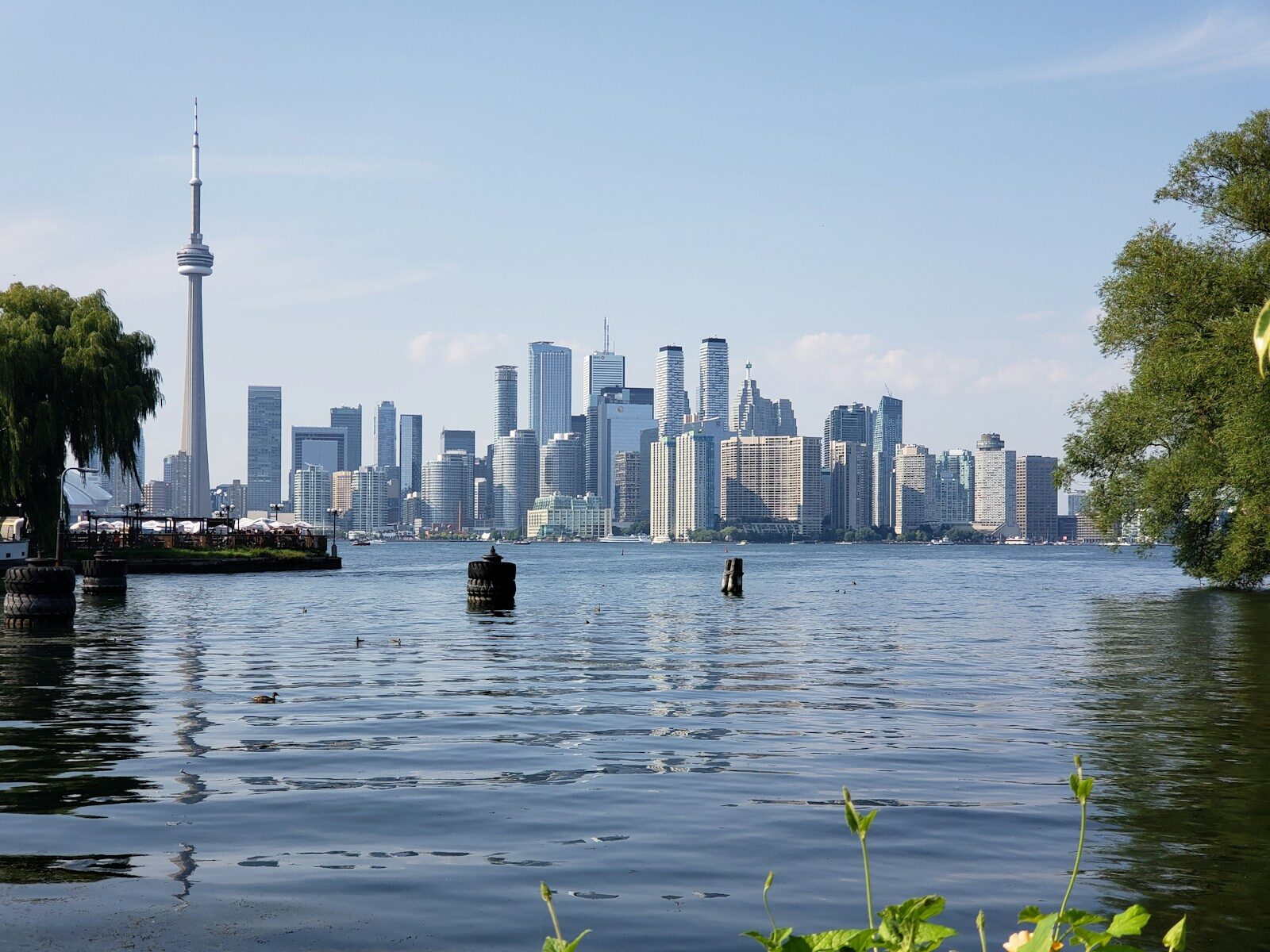
Canada Travel Guide
From glacier-fed lakes and coastal fjords to multicultural cities and Arctic tundra, Canada invites you to roam wide open spaces with a warm local welcome.
- World’s second-largest country
- Nearly 50 national parks and reserves
- English and French official languages
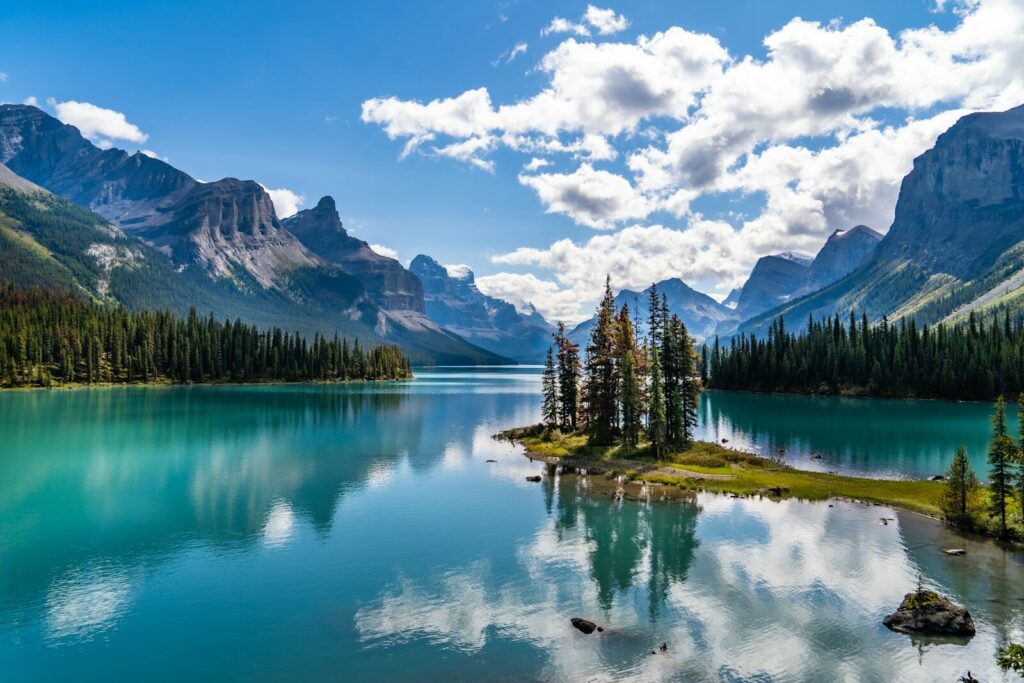
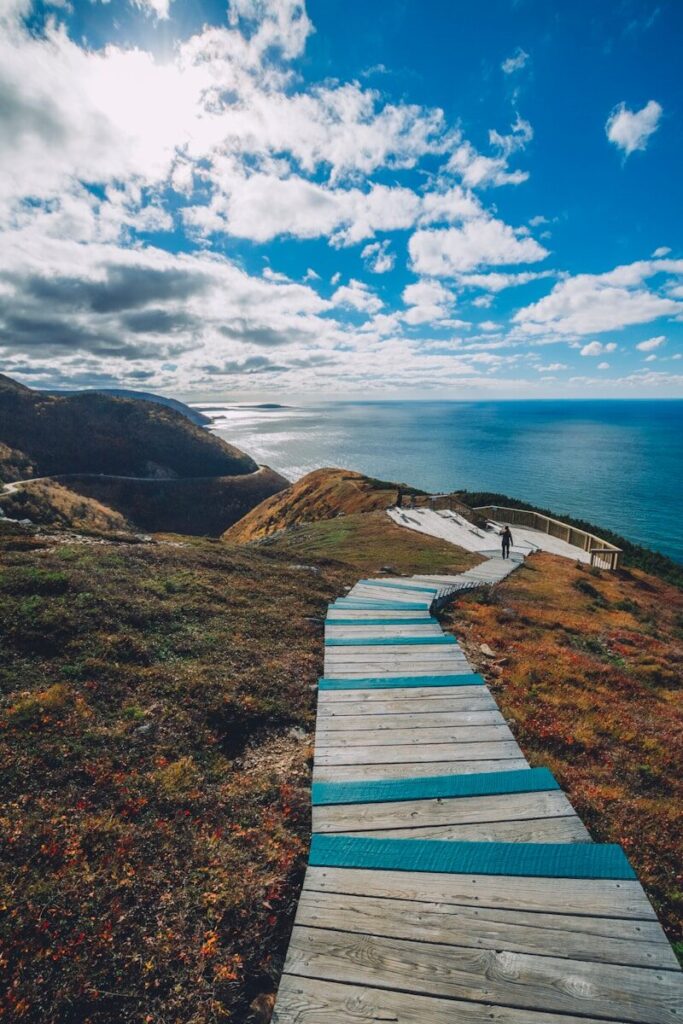
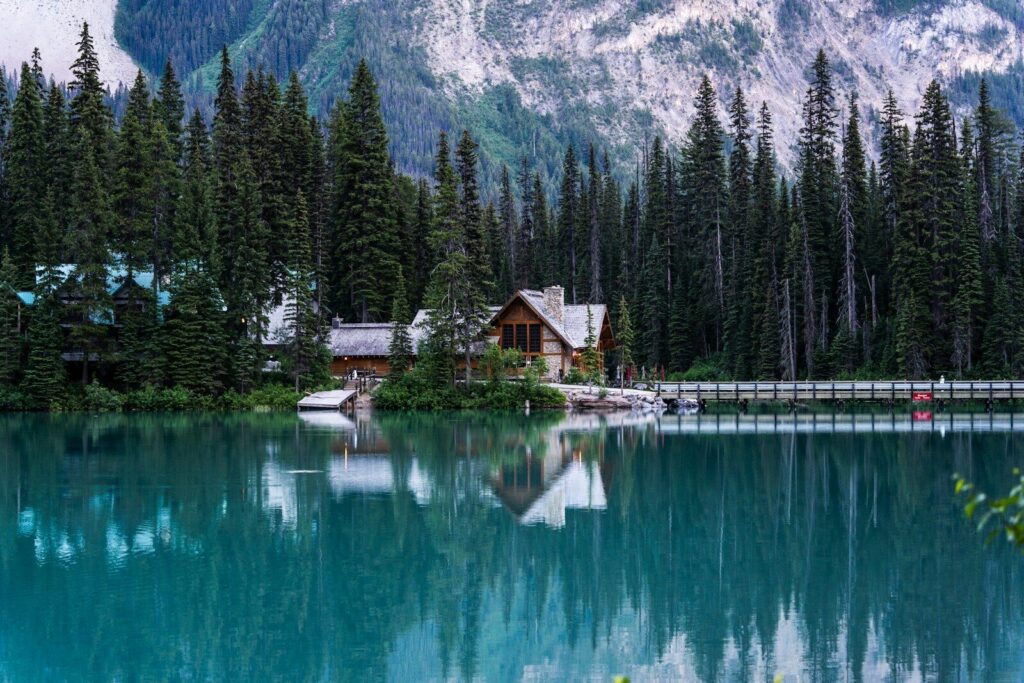
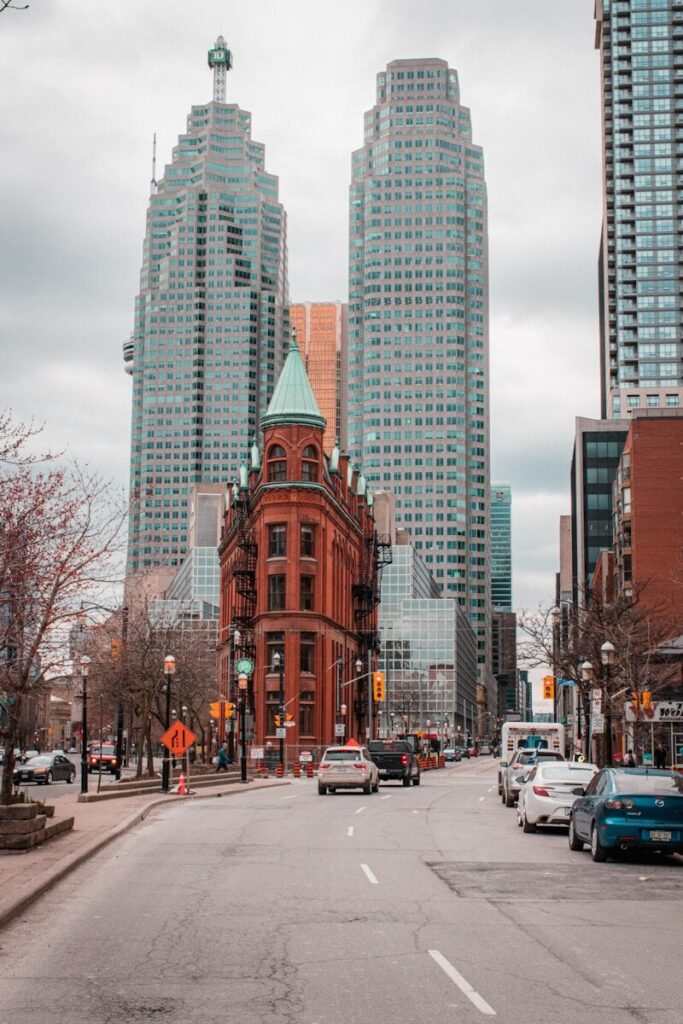
Canada, frame by frame
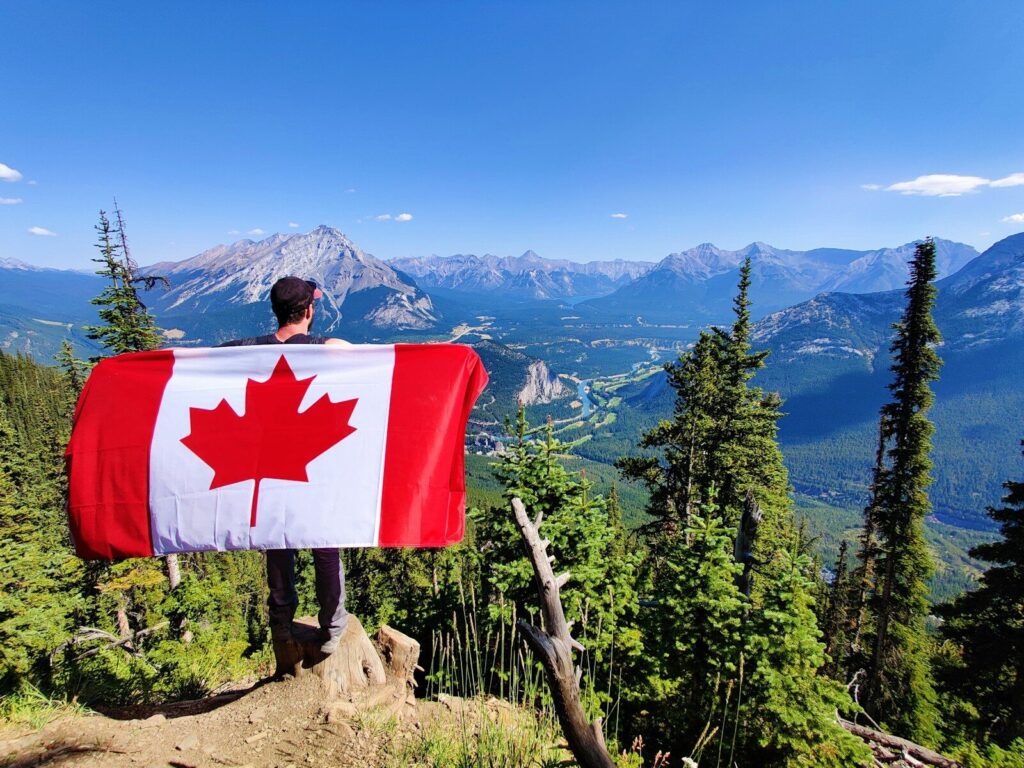
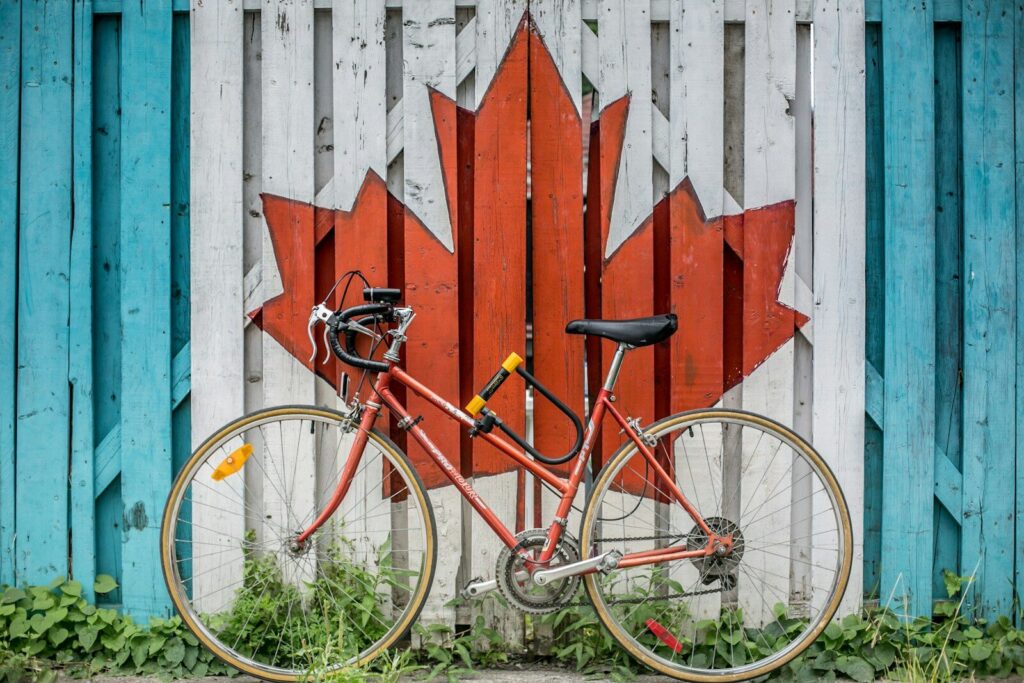
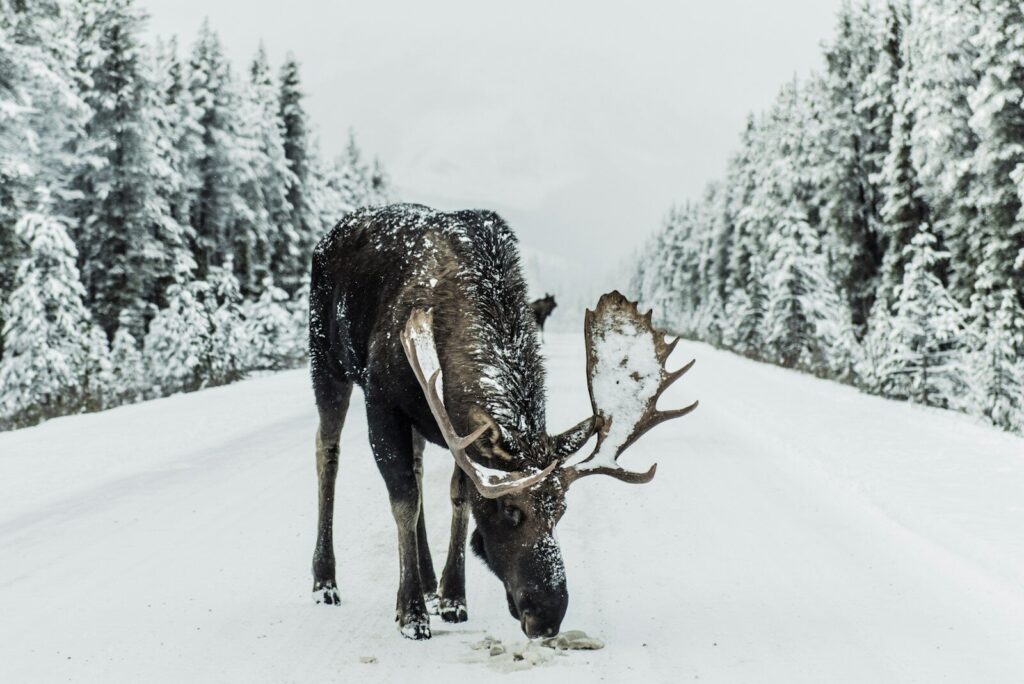
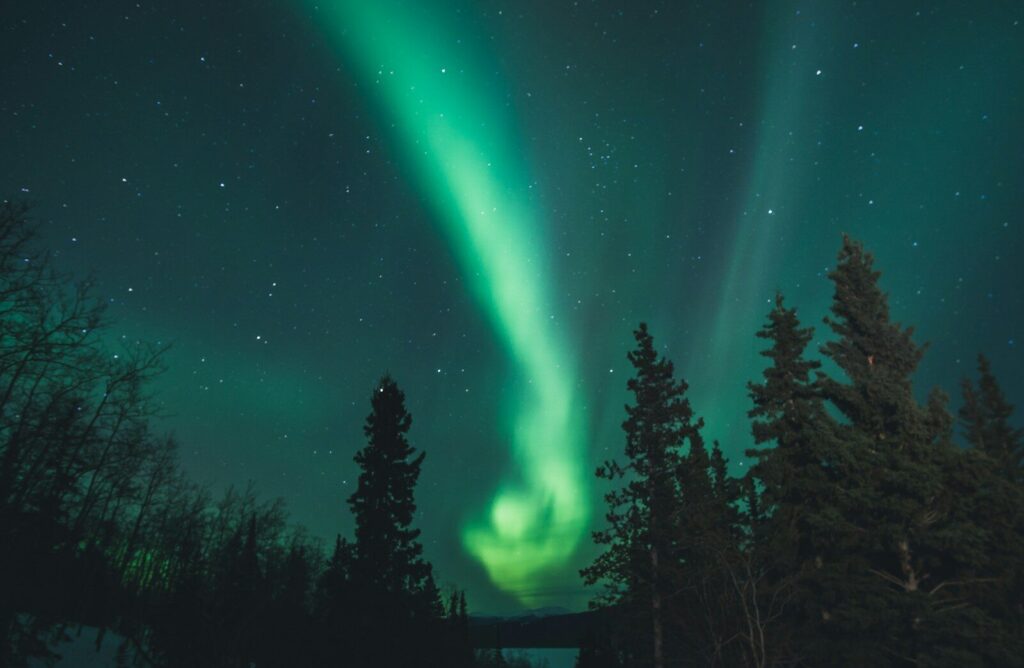
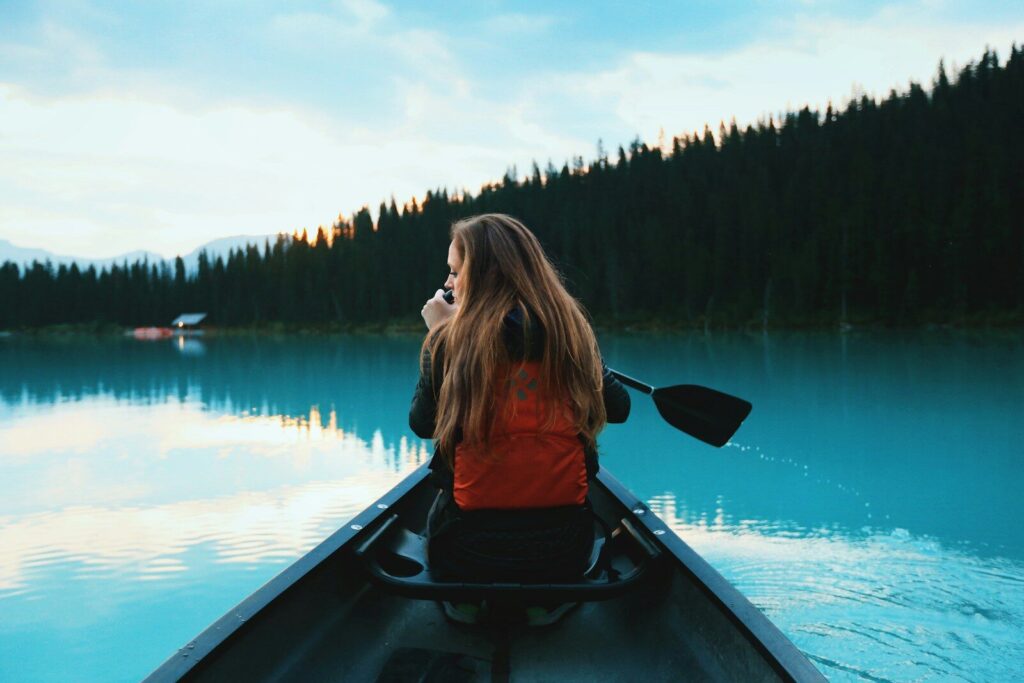
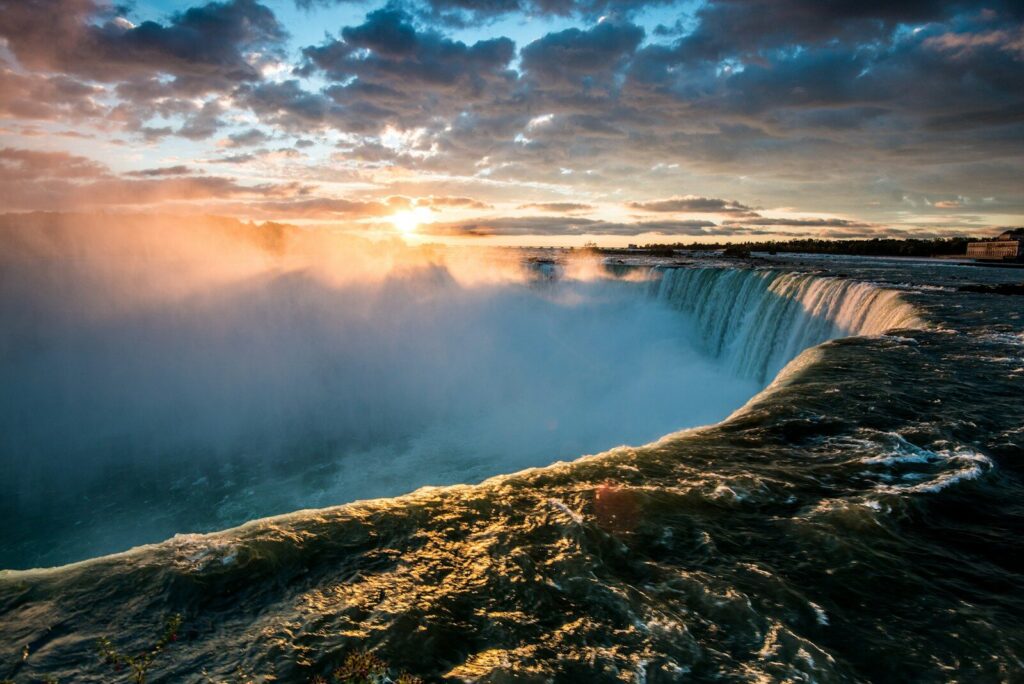
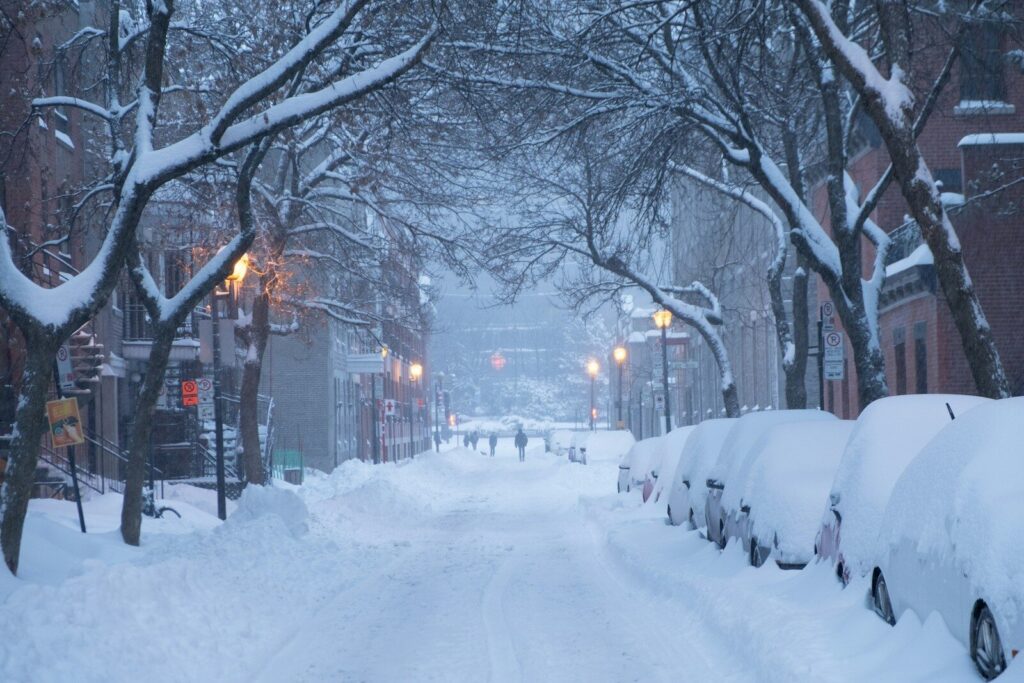
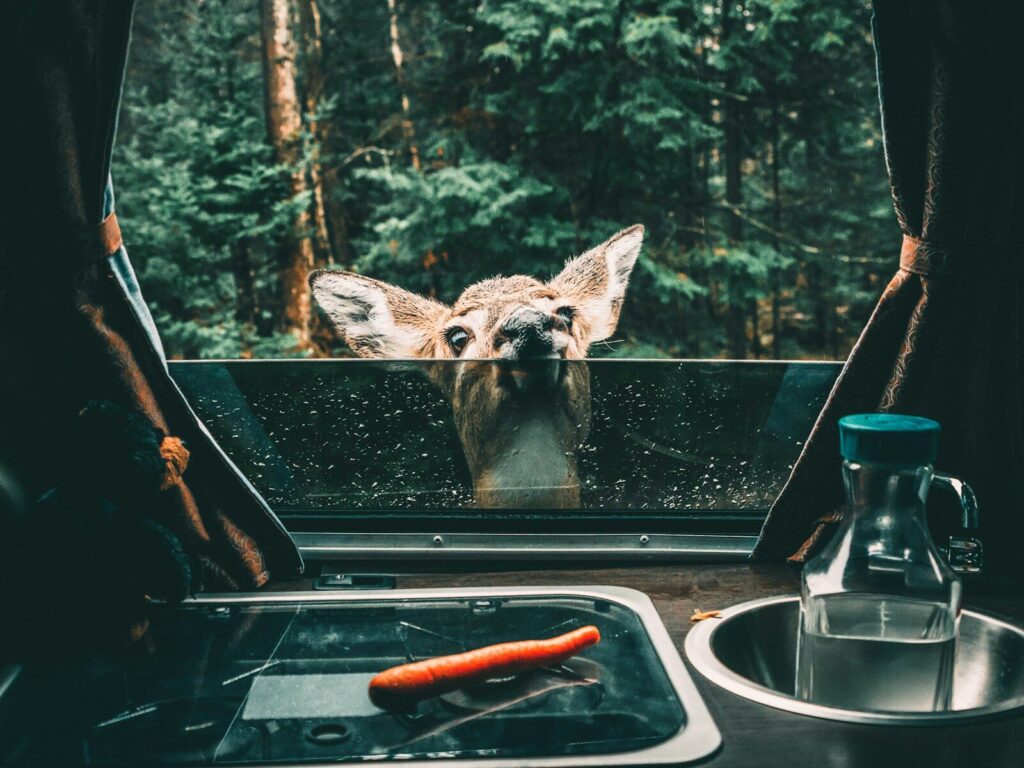
Canada’s landscapes and cities are profoundly photogenic, from glacier-blue lakes and towering cedars to street murals and harbor lights.



Why Canada belongs on your travel wish list
Canada is a country of scale and subtlety, where snow-etched peaks rise above turquoise lakes, boreal forests stretch for hundreds of kilometers, and cosmopolitan cities celebrate cultures from every corner of the globe. From the seafood-rich coasts of the Atlantic and Pacific to the polar bear territory of Hudson Bay and the vineyards of the Okanagan, each region offers distinct landscapes and traditions. Traveling here with Teekonda means slowing down in small groups, listening to Indigenous stories, savoring local food and wine, and embracing the rhythm of long, light-filled days or star-splashed winter nights.
- → Driving quiet highways framed by endless forests, granite shield lakes and big prairie skies
- → Lingering in neighborhood cafes and craft breweries in Montreal, Vancouver or Halifax
- → Listening to Indigenous Elders share deep connections to land, water and seasonal cycles
- → Waking to the call of loons over misty lakes or the crunch of fresh snow under your boots
“In Canada, the journey is often as unforgettable as the destination.”
Teekonda small-group feelWhen to go, season by season
Canada’s weather varies dramatically by region, but the rhythm of the year is defined by snowy winters, brief shoulder seasons and warm, activity-filled summers. Coastal areas like Vancouver Island are milder and more temperate, central provinces experience hot summers and cold, dry winters, and the North brings true Arctic conditions with spectacular Northern Lights. Packing and trip planning should be tailored to your route, altitude and season, with layered clothing and weatherproof outerwear essential almost year-round.
Spring · March to May
Spring brings a slow thaw, with maple syrup season in March, blooming orchards in British Columbia’s Okanagan, and gradually warming days in cities from Toronto to Calgary. Snow can linger in the Rockies and northern regions, but by May many hiking trails begin to open, wildlife sightings increase and crowds remain light. It’s an excellent time for road trips, city breaks and coastal exploration with cooler temperatures and fresh, crisp light.
Summer · June to August Recommended
Summer is peak season, with long daylight hours, warm temperatures and lively festivals such as Calgary Stampede and Montreal Jazz. National parks are fully accessible for hiking, paddling and camping, and the Atlantic coast is ideal for whale watching and beach days. Expect higher prices and more visitors in iconic spots like Banff and Jasper, so early starts and advanced reservations are key.
Autumn · September to November
Autumn is a striking shoulder season, when forests in Ontario, Quebec and the Maritimes blaze with red and gold, harvest festivals fill farmers’ markets, and temperatures remain comfortable for active days. By late October many northern and mountain regions see the first snows, and some seasonal attractions close, but crisp air, fewer crowds and colorful landscapes make this a rewarding time to visit.
Winter · December to February (often extending into March in many regions) Recommended
Winter transforms much of Canada into a snowy playground, with world-class skiing in the Rockies and Coastal Mountains, ice skating on Ottawa’s Rideau Canal, and snowshoeing or dog sledding in forests and tundra. Temperatures can plunge well below freezing, particularly in the Prairies and North, so proper cold-weather gear is essential. For Northern Lights and Arctic wildlife, deep winter is the prime season, while cities offer cozy cafes, indoor culture and festive holiday lights.
Choosing your base
Canada’s vastness means choosing where to base yourself is as important as what you plan to do. Whether you prefer mountain towns with trailheads on the doorstep, coastal cities with seafood markets and harbor walks, or historic centers where French heritage and modern design blend, there is a hub to match your style. Teekonda itineraries typically combine at least two contrasting bases so you can experience both the country’s wilderness and its urban culture without rushing.
Canadian Rockies hub: Banff and Jasper
Nestled in Alberta’s Banff and Jasper National Parks, these two towns are classic bases for glacier-fed lakes, alpine trails, gondola rides and scenic drives like the Icefields Parkway. Banff offers a lively main street with restaurants and hot springs, while Jasper feels more laid-back and wild, closer to dark-sky preserves and wildlife corridors. Staying here suits travelers keen on day hikes, photography and iconic mountain scenery.
Pacific gateway: Vancouver and Vancouver Island
Vancouver balances glassy downtown towers with beaches, Stanley Park forests and a strong food scene influenced by Asian and West Coast flavors. A short ferry ride away, Vancouver Island’s capital Victoria mixes heritage architecture with harbor walks, while smaller communities like Tofino offer surf culture, storm watching and access to temperate rainforest and Indigenous coastal territories. This region is ideal for travelers who enjoy mild weather, ocean views and easy access to both city and nature.
Eastern charm: Montreal, Quebec City and the St. Lawrence
Montreal brings a blend of French and global cultures, street art, festivals and neighborhood cafes, while Quebec City’s old town feels like a historic European walled city overlooking the St. Lawrence River. Beyond the urban cores, Charlevoix and the Saguenay–Lac-Saint-Jean region offer fjord landscapes, rural villages and farm-to-table cuisine. Staying in this area suits travelers seeking a mix of language immersion, history, gastronomy and scenic drives along the river.
What to eat
Poutine
Classic Quebec dish of fries topped with squeaky cheese curds and hot gravy, now found with creative variations across the country.
Butter tart
Classic Ontario pastry filled with gooey butter, sugar and eggs, sometimes with raisins or pecans, served in bakeries and cafes.
Nanaimo bar
No-bake dessert bar from British Columbia made with a crumbly base, custard-flavored middle and chocolate topping.
Maple syrup pancakes
Fluffy pancakes drizzled with pure Canadian maple syrup, especially celebrated during spring sugar shack season in Quebec and Ontario.
Atlantic lobster roll
Fresh lobster lightly dressed and served in a toasted bun along the coasts of Nova Scotia, New Brunswick and Prince Edward Island.
Tourtière
Spiced meat pie from Quebec, often made with minced pork or mixed meats and served during winter holidays and special occasions.
Bannock
Versatile bread widely made in Indigenous communities across Canada, with roots debated between pre-contact foods and Scottish traders, sometimes fried or baked, enjoyed plain or with toppings and increasingly featured in community-focused cafes.
Salmon cedar-plank grill
West Coast preparation of wild salmon grilled on cedar planks for a smoky flavor, often paired with seasonal vegetables.
Prairie perogies
Dumplings filled with potato, cheese or sauerkraut, reflecting Eastern European heritage on the Prairies and served with onions and sour cream.
Montreal-style bagel
Slightly sweet, wood-fired bagel boiled in honey water, thinner and denser than New York versions, best eaten fresh from the oven.
Peameal bacon sandwich
Toronto staple featuring cured pork loin rolled in cornmeal, grilled and served on a soft bun, often with mustard.
Wild blueberry pie
Dessert showcasing small, intensely flavored wild blueberries from Atlantic Canada or northern regions, baked in flaky pastry.
Okanagan farm-to-table plate
Seasonal tasting plate from British Columbia’s Okanagan Valley featuring local cheeses, charcuterie, fruit and wine pairings.
Caribou stew
Hearty northern dish made with caribou meat, root vegetables and rich broth, linked to Indigenous and Arctic food traditions.
BeaverTail pastry
Flat, fried dough pastry stretched into an oval and topped with sugar, chocolate or other sweets, popular at fairs and winter festivals.
Did you know?
Canada’s quirks and stories often hide in its small towns, wildlife encounters and layered cultures, rewarding travelers who are curious beyond the postcard views.
The world’s longest coastline
Northern Lights country
French-language road signs
Loons on the dollar coin
Ice hockey passion
Cabins on crown land
Unexpected deserts and vineyards
Urban wildlife neighbors
Polar bear capital
Time zones across a continent
Ancient Indigenous presence
French and British colonial roots
Fur trade and canoe routes
Confederation in 1867
Railway uniting the country
Immigration waves and diversity
Quiet evolution of independence
Official bilingualism
Resource booms and busts
Truth and reconciliation efforts
Before you go
Most international visitors need a valid passport to enter Canada, and most also need a visa or an electronic travel authorization (eTA) depending on nationality. Your passport must be valid for your whole stay, so check the official Canada.ca tool before booking, and carry copies of key documents digitally and on paper. If you plan to drive, a valid driver’s license is required and an International Driving Permit can be useful when renting vehicles or presenting identification.
Canada’s distances are vast, so most itineraries combine domestic flights with regional driving or rail. Major cities are linked by frequent flights and key routes such as Toronto–Montreal–Quebec City have train services. In national parks and rural areas, renting a car or traveling with a small group tour offers flexibility, while urban centers usually provide reliable public transit and walkable cores. Snow and wildlife on roads require mindful driving, especially at dawn and dusk.
Mobile coverage is strong in cities and larger towns but can be limited in remote and mountainous regions, so downloading offline maps and key information is wise. Local SIM cards or eSIMs are available, though data plans can be relatively expensive, and many accommodations and cafes offer free Wi-Fi. In wilderness areas, satellite communication devices or letting someone know your route and timing increases safety.
The Canadian dollar is used nationwide, with cards widely accepted and contactless payments common in urban areas. In restaurants, tipping around 15–20% before tax is customary if service is good, and small tips are also appreciated by taxi drivers, guides and hotel staff. ATMs are widely available in cities, but in remote areas and small communities carrying some cash is helpful, particularly for markets and independent businesses.
Entry requirements and regulations can change, so always verify official guidance before you travel.
For a smooth Teekonda-style journey in Canada, build in at least one slower day every three or four, ideally in a base where you can walk to cafes, trails and local markets without a car. This approach keeps long driving days or domestic flights from feeling rushed, leaves room for changing weather and serendipitous encounters, and lets you connect more deeply with one community before moving on to the next.
Common questions
How many days do I need for a first trip to Canada?
Is Canada suitable for winter travel if I do not ski?
Do I need to worry about wildlife when hiking or driving in Canada?
Interested in Canada with Teekonda?
Explore small-group itineraries that weave together Canada’s wild landscapes, vibrant cities and local stories at an unhurried pace.
Find a trip


