
Salar de Uyuni Travel Guide
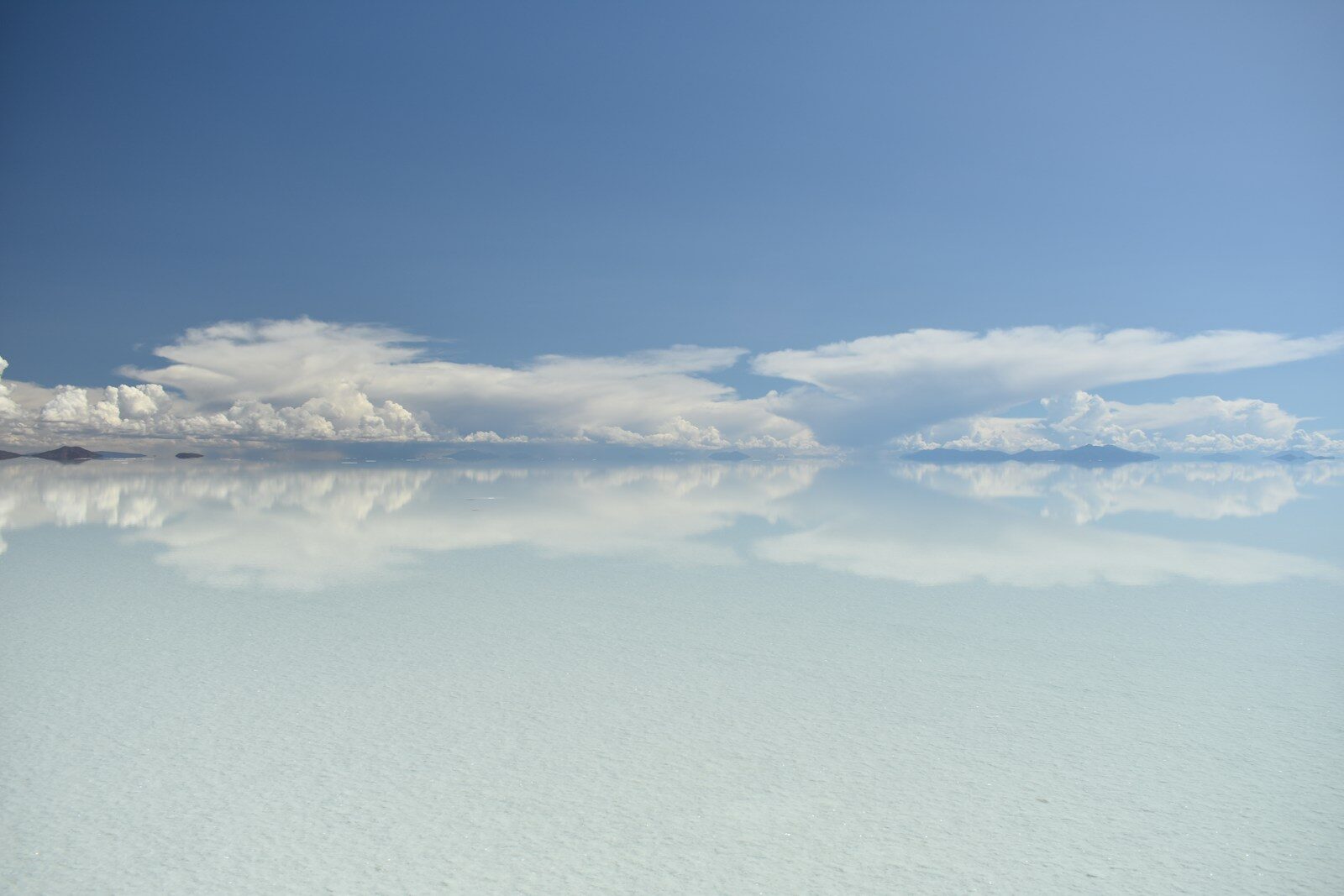
At over 10,000 square kilometres of blinding white salt, Uyuni is less a landscape than an optical illusion, one that turns into a perfect mirror of the sky after rain.
- 3,656m altitude
- 10,582 km²
- Dry season May-Nov
Uyuni, frame by frame
A glimpse of the textures and colours that make Uyuni unlike anywhere else on earth.
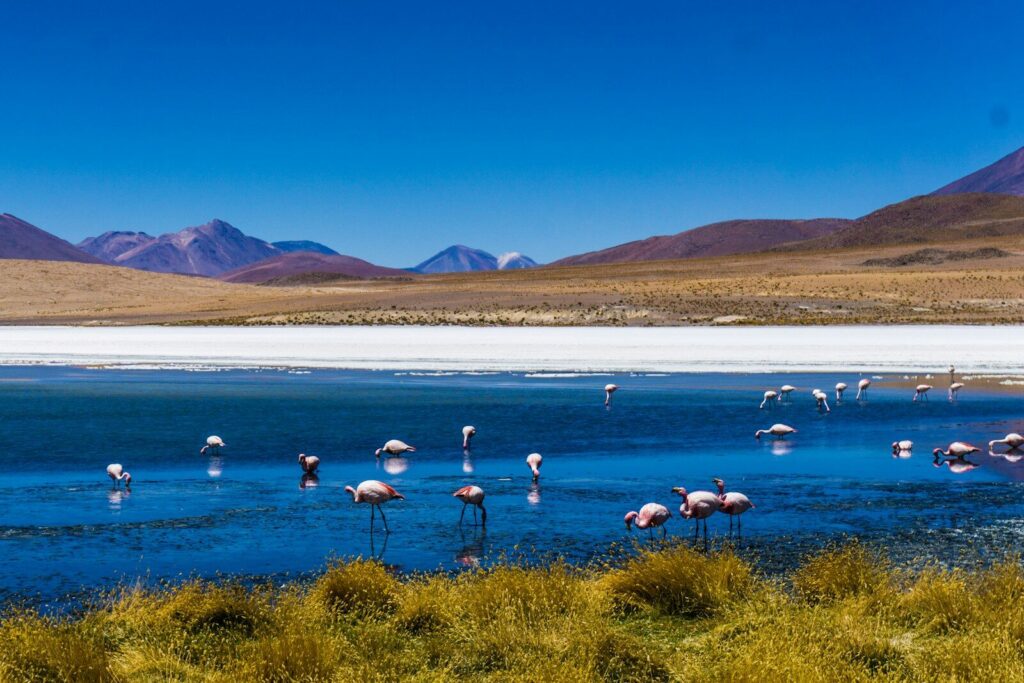
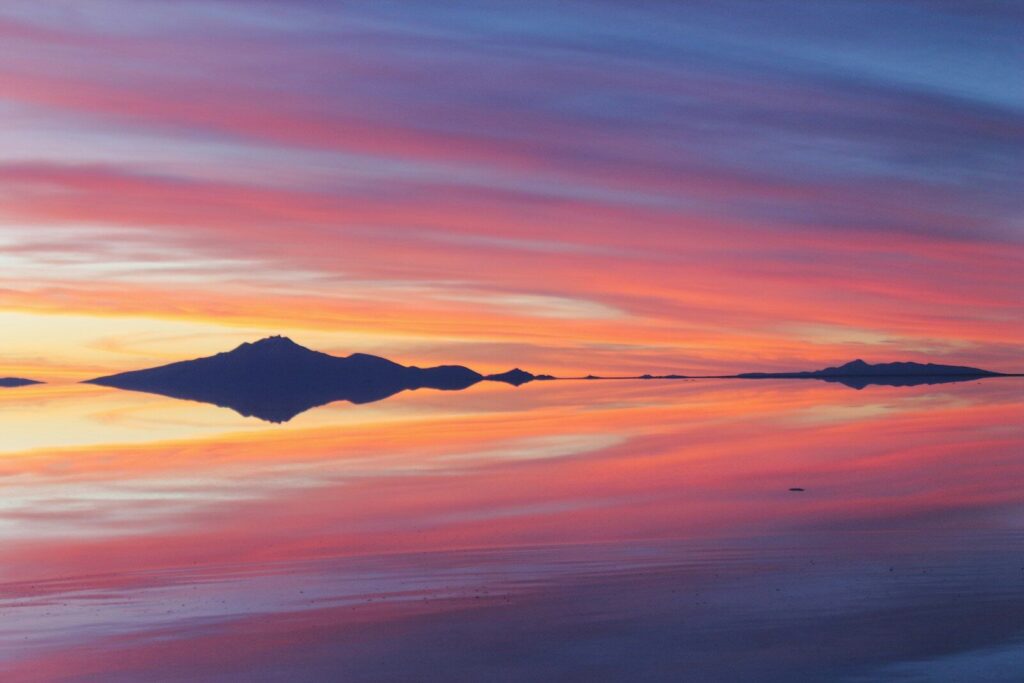
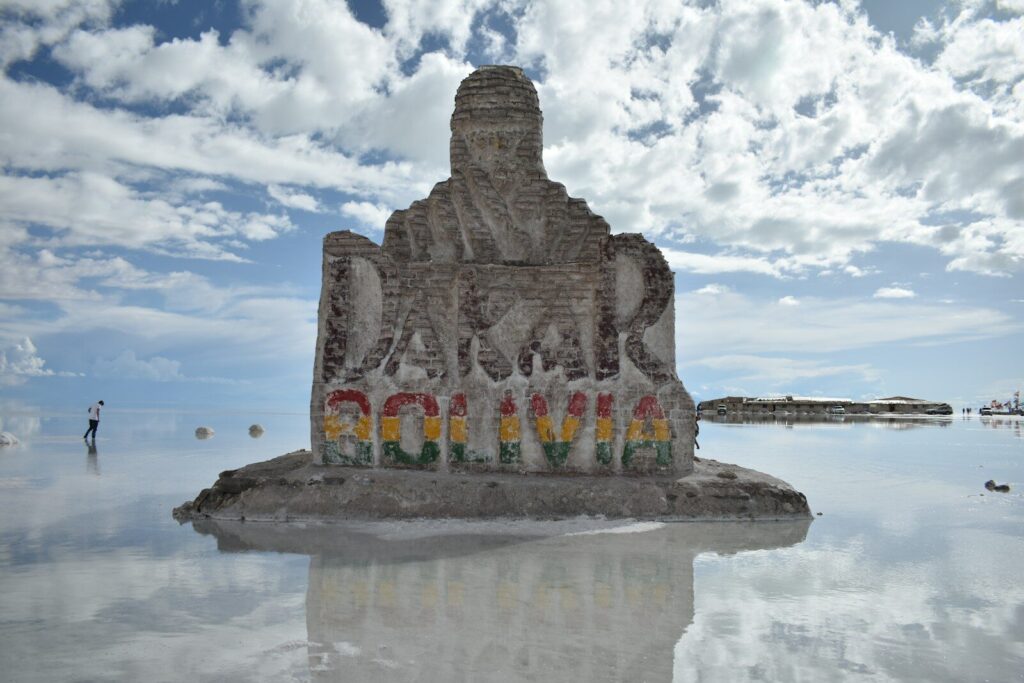
A landscape that defies scale
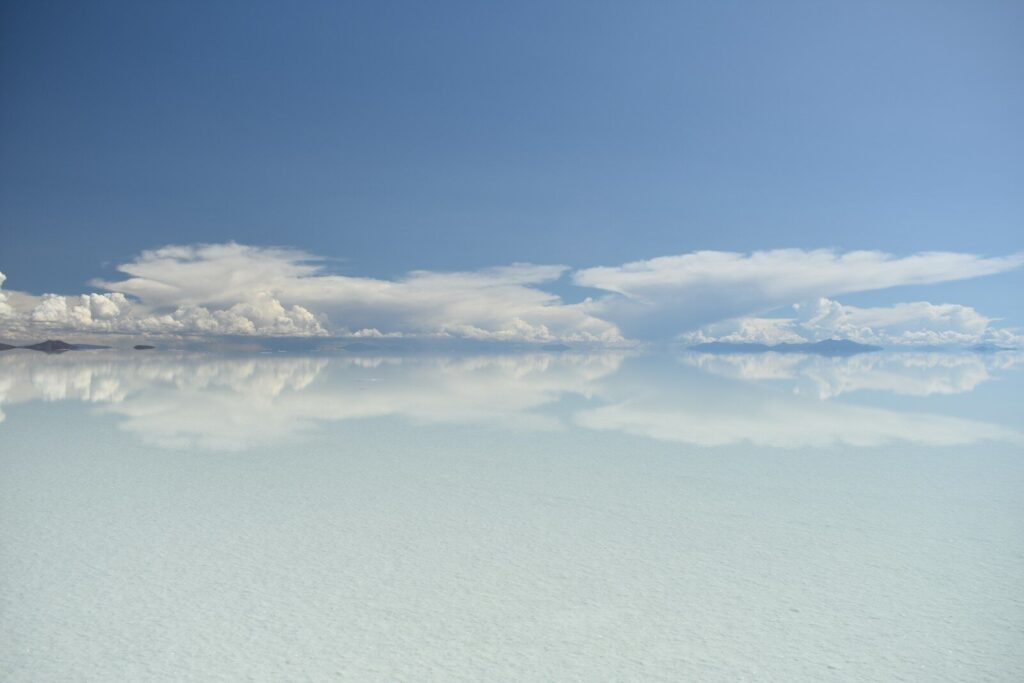
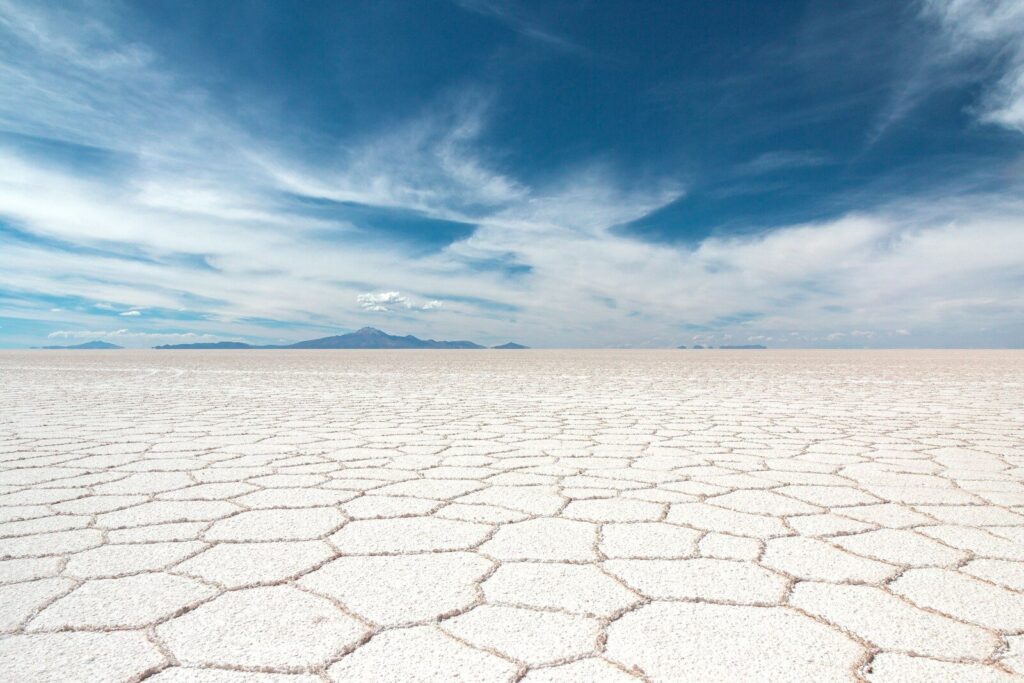
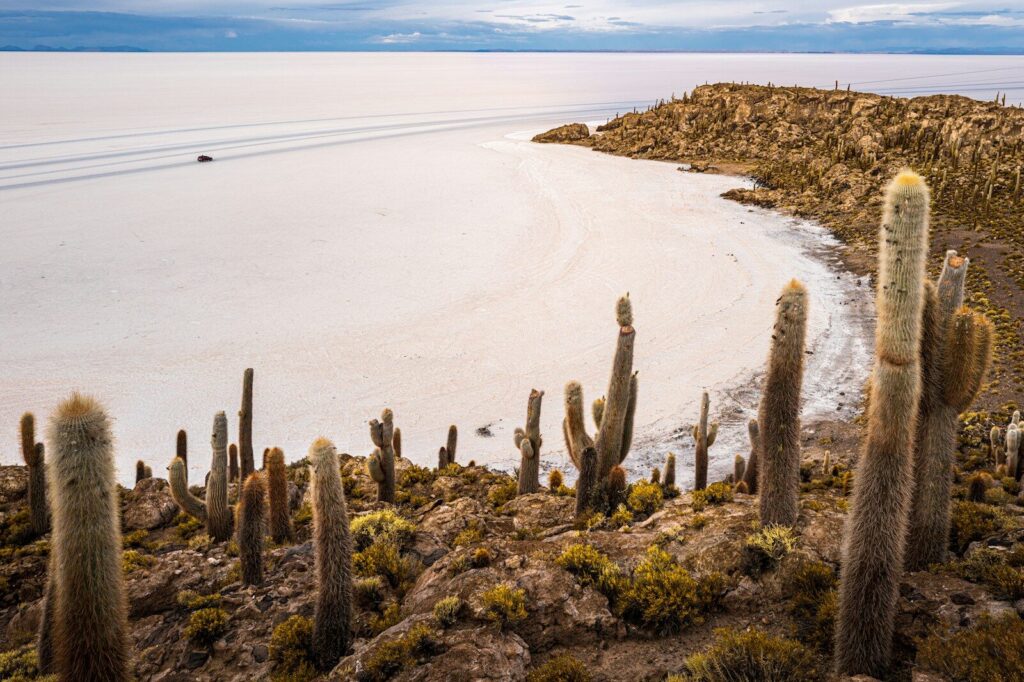
Salar de Uyuni sits on Bolivia's high Andean plateau, a prehistoric lakebed left behind as ancient waters evaporated, leaving a crust of salt thick enough to drive across. In the dry months it becomes a cracked white desert stretching further than the eye can trust, dotted with cactus-covered islands and ringed by volcanoes. After the rains, a thin layer of water turns the entire surface into a mirror, erasing the horizon and leaving visitors seemingly suspended between two skies. Few places on earth so thoroughly scramble a traveller's sense of distance and depth.
- → Endless white horizons that trick depth perception
- → Perfect sky reflections during the wet season
- → High-altitude silence broken only by wind
- → Otherworldly rock formations and flamingo-filled lagoons nearby
“Where the sky falls to earth and the earth becomes sky.”
Teekonda KleingruppenfeelingWann du reisen solltest, Saison für Saison
Uyuni's climate is shaped by extreme altitude: days can be bright and surprisingly warm, while nights drop well below freezing year-round. The year splits sharply into a dry season, ideal for classic salt-flat photography, and a wet season, when shallow rainwater creates the famous mirror effect.
Frühling · September bis November Empfohlen
Transitional weather with clear skies, mild days and the first rains arriving late in the season, offering a bit of both dry crust and early mirror pools.
Sommer · Dezember bis Februar Empfohlen
The rainy season; shallow water transforms the salar into a flawless mirror, though some access roads can be muddy or temporarily closed.
Herbst · März bis Mai
Rains taper off and the salt begins to dry, leaving patchy reflective pools alongside emerging dry sections, a quieter transitional window.
Winter · Juni bis August
The classic dry season with cracked hexagonal salt patterns and the clearest, most reliable conditions, but nighttime temperatures can plunge to -15C.
Die Wahl deiner Basis
Accommodation options are modest but memorable, ranging from the salt-block hotels for which the region is famous to simple guesthouses in the gateway town of Uyuni itself.
Uyuni Town
The practical base with the train station, tour operators and basic hotels, best for early starts into the salar and connections to La Paz or Chile.
Salt Hotels on the Flat's Edge
A handful of hotels built almost entirely from salt blocks sit just off the salar, offering dramatic sunrise and sunset access with minimal driving.
Colchani Village
A small salt-mining settlement at the salar's northern edge, useful as a quick stop for salt workshops and simple craft markets before heading onto the flat.
Was man essen sollte
Llama steak
Lean, slightly gamey grilled llama meat is a Bolivian altiplano staple, often served with quinoa and vegetables.
Quinoa soup
A warming broth thickened with locally grown quinoa, common on cold Uyuni evenings.
Salteñas
Baked empanada-style pastries filled with juicy meat or vegetable stew, a popular Bolivian breakfast or snack.
Pique macho
A hearty plate of chopped beef, sausage, fries, onions and peppers, popular across Bolivia's highlands.
Chairo
A thick Andean soup combining chuño (freeze-dried potato), lamb or beef, and vegetables.
Trucha frita
Fried trout, often sourced from Lake Titicaca region waters, served with rice and salad.
Charque
Dried, salted llama or beef jerky, traditionally preserved for the harsh altiplano climate.
Api morado
A warm, spiced purple corn drink often paired with a fried pastry for breakfast.
Papa rellena
A stuffed potato ball filled with meat, egg or cheese, then fried until golden.
Quinoa pesque
A creamy quinoa dish cooked with milk and cheese, similar in texture to a risotto.
Sopa de mani
A rich peanut-based soup with vegetables and sometimes beef, common in Bolivian highland kitchens.
Tunta
A white freeze-dried potato product, a highland staple used in soups and stews.
Mate de coca
Coca leaf tea, widely drunk at altitude to help ease symptoms of soroche, or altitude sickness.
Anticuchos
Skewered and grilled beef heart, a smoky street-food classic found in markets across Bolivia.
Wusstest du?
A landscape this strange comes with no shortage of surprising facts and layered history.
World's largest mirror
A giant lithium reserve
Hotels built from salt
A satellite calibration site
Cactus island in the middle
Thickness varies across the flat
Forced perspective photography
Home to pink flamingos
A former prehistoric lake
Extreme temperature swings
Ancient lake origins
Pre-Columbian salt trade
Incan presence on Incahuasi
Colonial silver mining era
Railway expansion in the 1800s
Bolivia's mineral wealth legacy
Salt harvesting traditions endure
20th century town growth
Lithium exploration beginnings
Rise of the tourist trail
Vor der Reise
Many nationalities can enter Bolivia visa-free or obtain a visa on arrival, though some travellers must apply in advance; check requirements well before departure.
Most visitors join guided 4x4 tours departing from Uyuni town, as independent driving across the salar is not recommended without local expertise.
Mobile signal is patchy to nonexistent once out on the salar and in surrounding lagoons, so download maps and messages offline beforehand.
Cash is essential outside Uyuni town; small tips for guides and drivers on multi-day tours are customary and appreciated.
Einreisebestimmungen und Visaregeln können sich ändern, prüfe daher vor der Reise immer die aktuellen Bedingungen bei offiziellen Stellen.
Book multi-day salar tours a few days ahead in high season and bring layered clothing, since mornings start near freezing but midday sun at altitude can be surprisingly intense.
Häufige Fragen
When is the mirror effect best seen at Salar de Uyuni?
Is altitude sickness a concern at Uyuni?
How many days should I spend visiting the salar?
Interested in Salar de Uyuni with Teekonda?
Let us help you plan a small-group journey across Bolivia's surreal salt flats and altiplano landscapes.
Reise finden


