
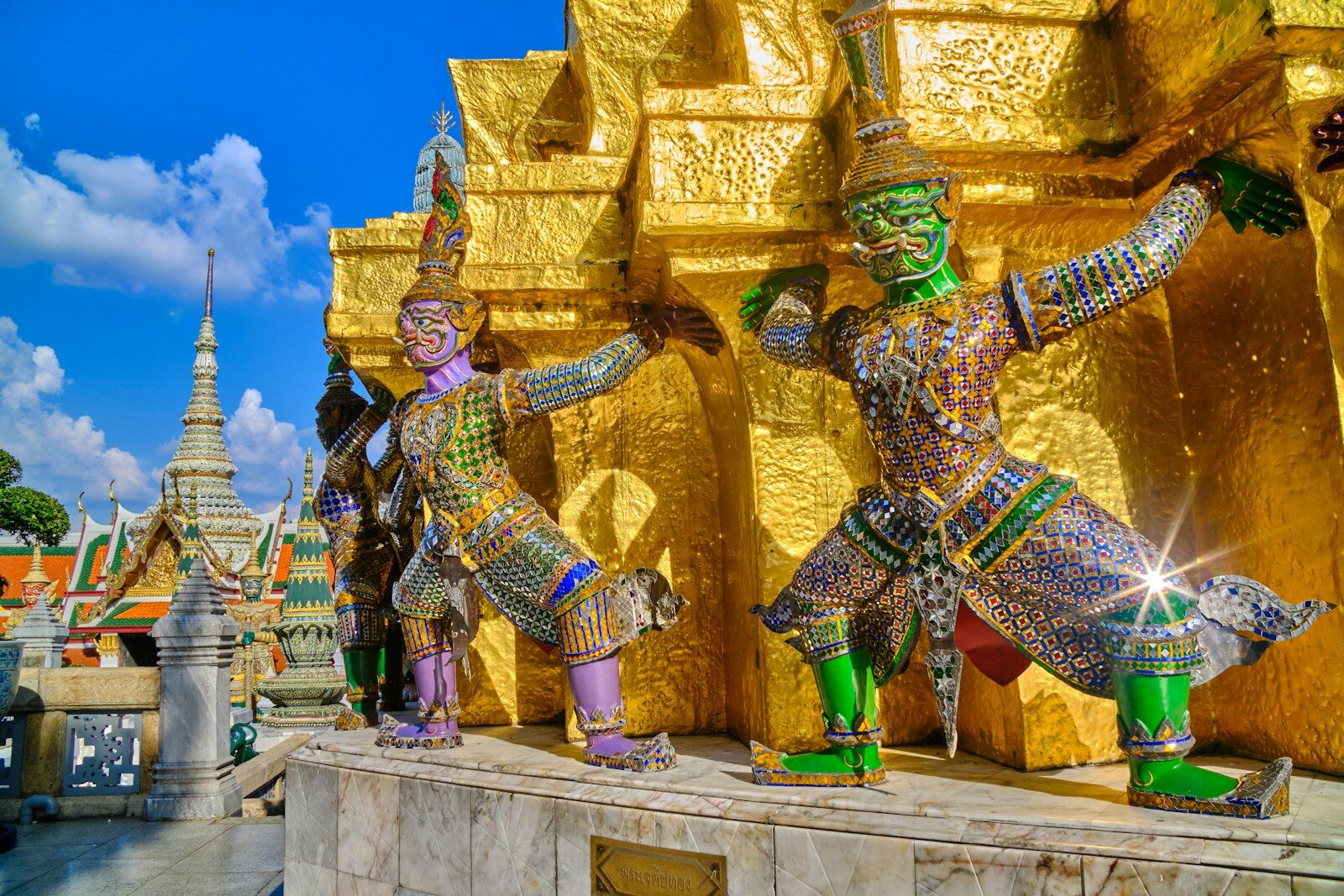
Bangkok Travel Guide
Thailand's electric capital — golden temple spires and river ferries, glass towers and floating markets, some of the best street food on the planet served from a plastic stool.
- Temple city
- Street food capital
- River culture
- Gateway to Thailand
Bangkok, frame by frame
A visual pass through the city, from the river temples to the market streets.
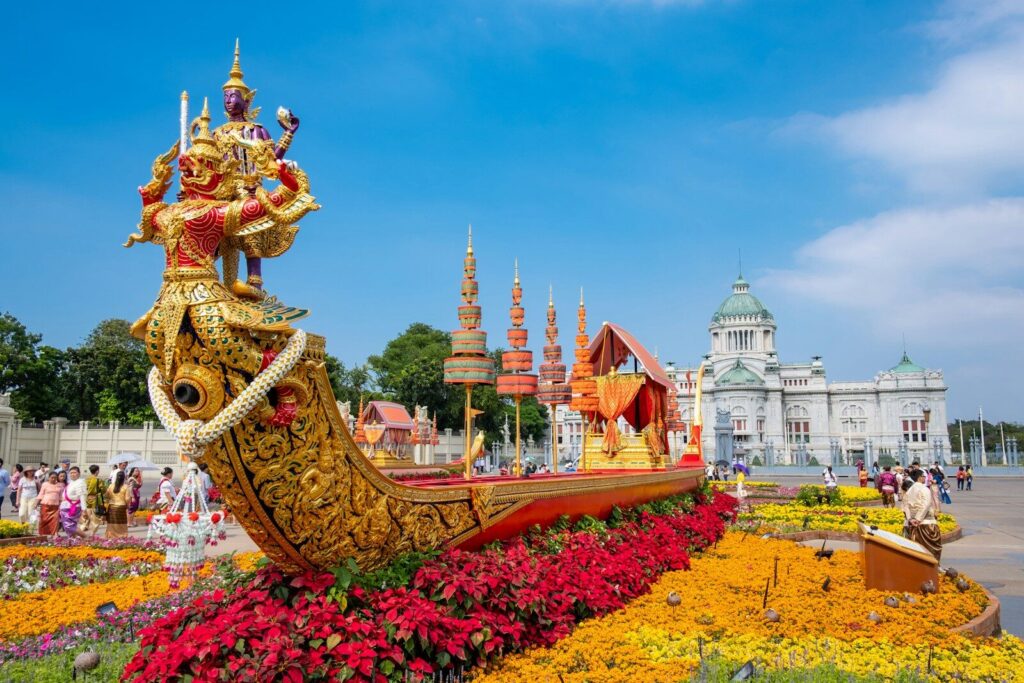
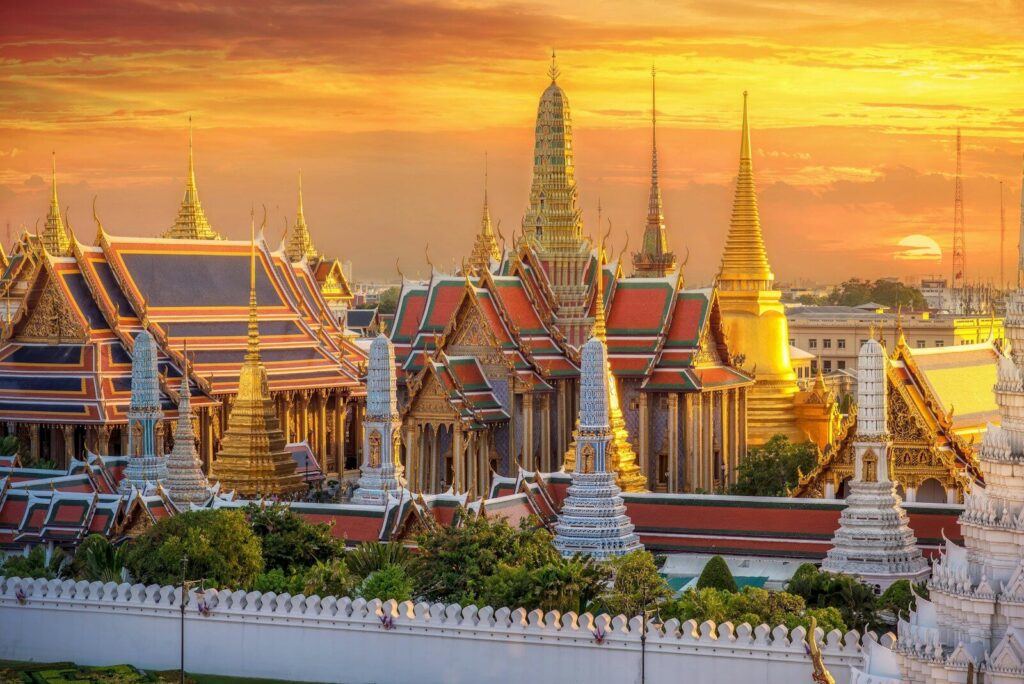
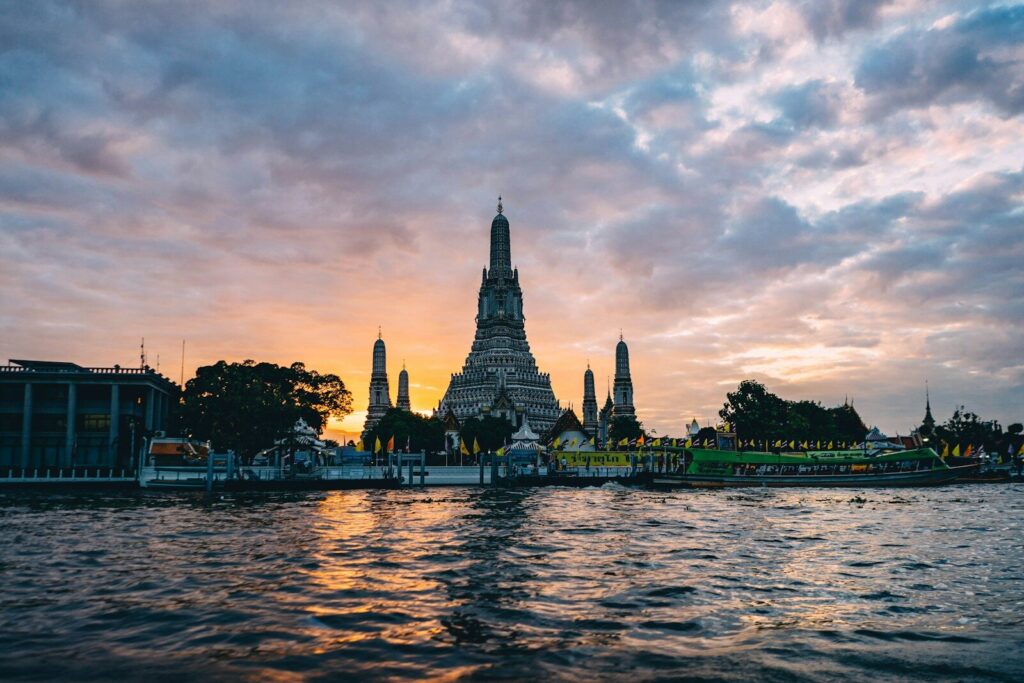
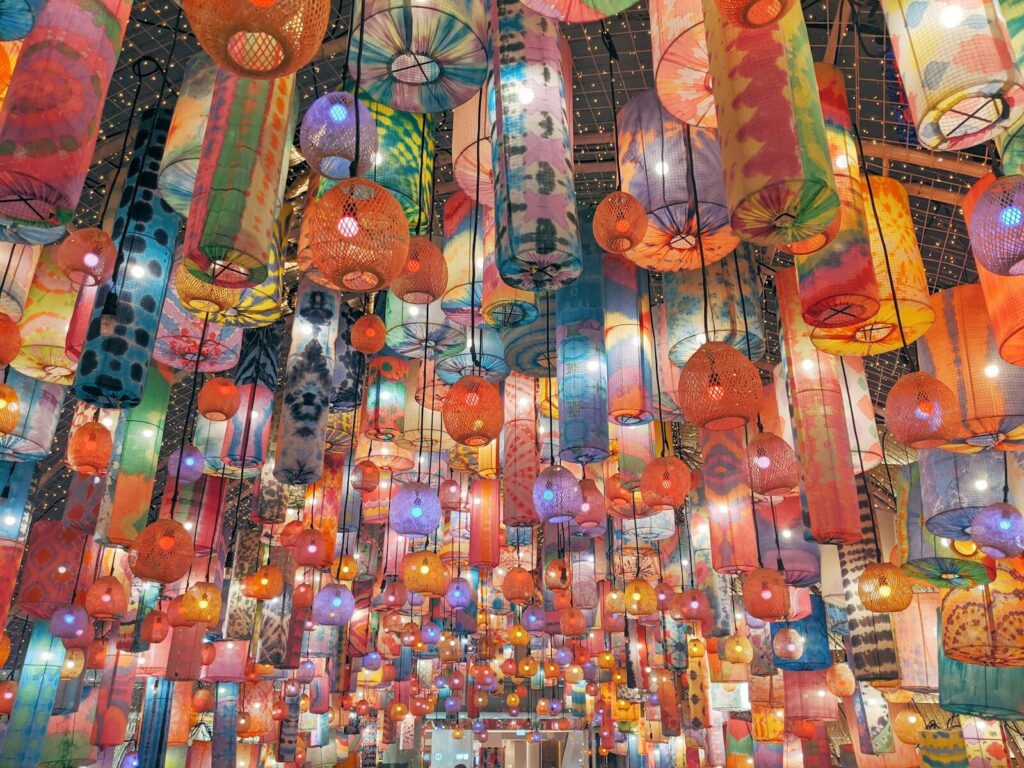
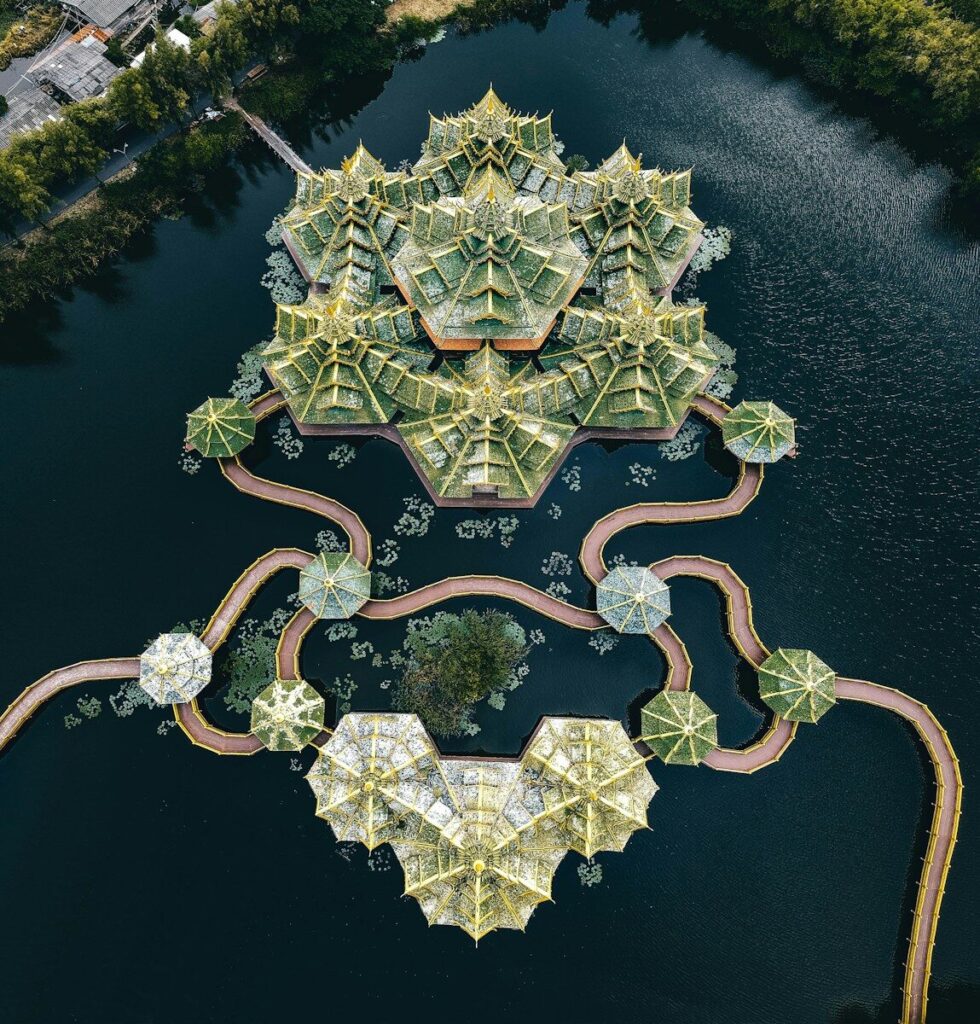
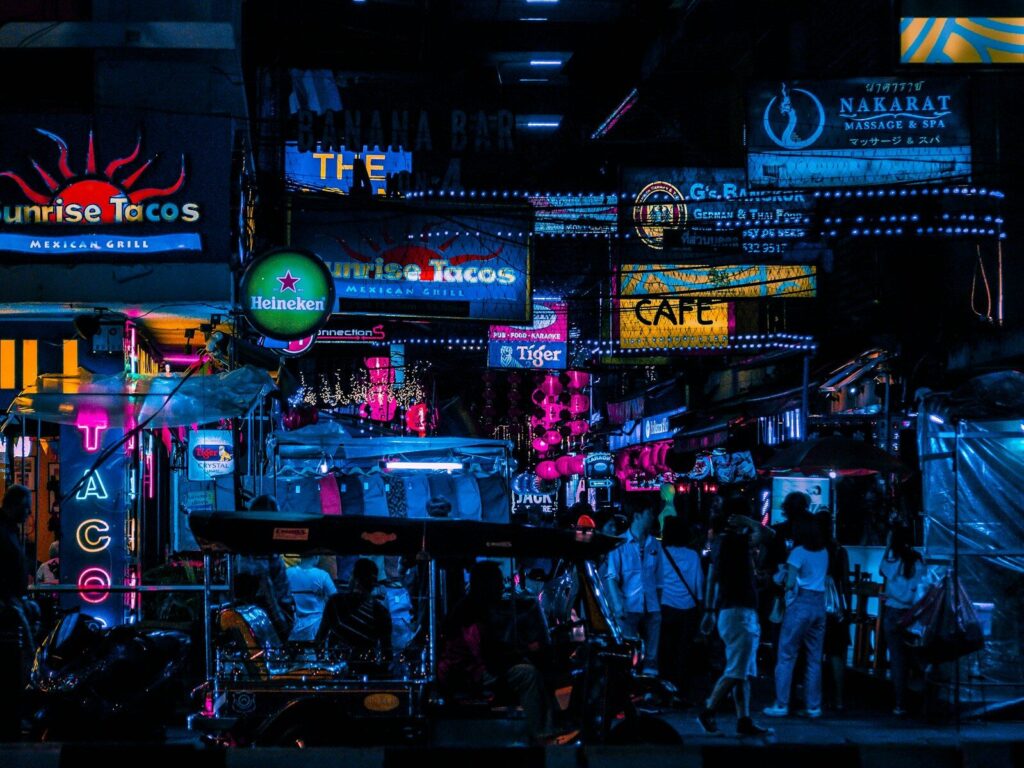
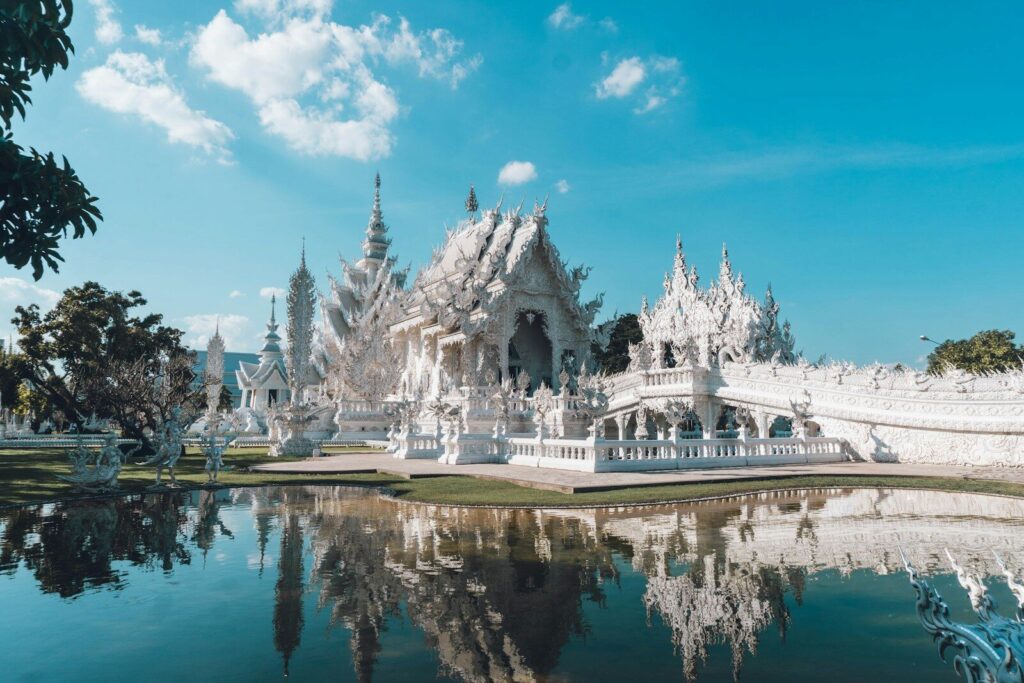
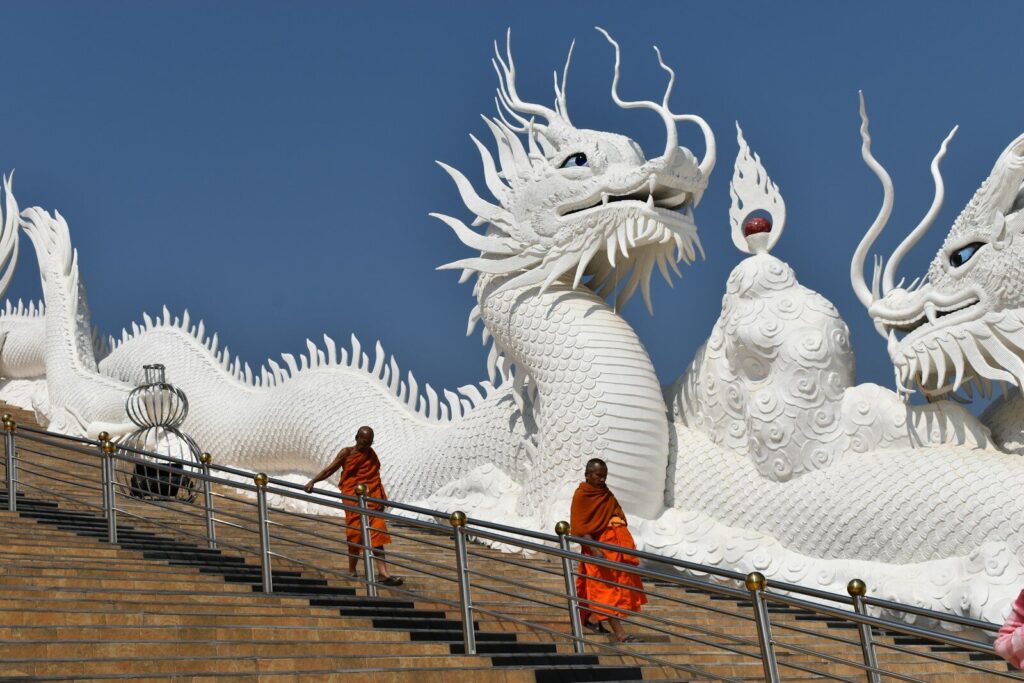
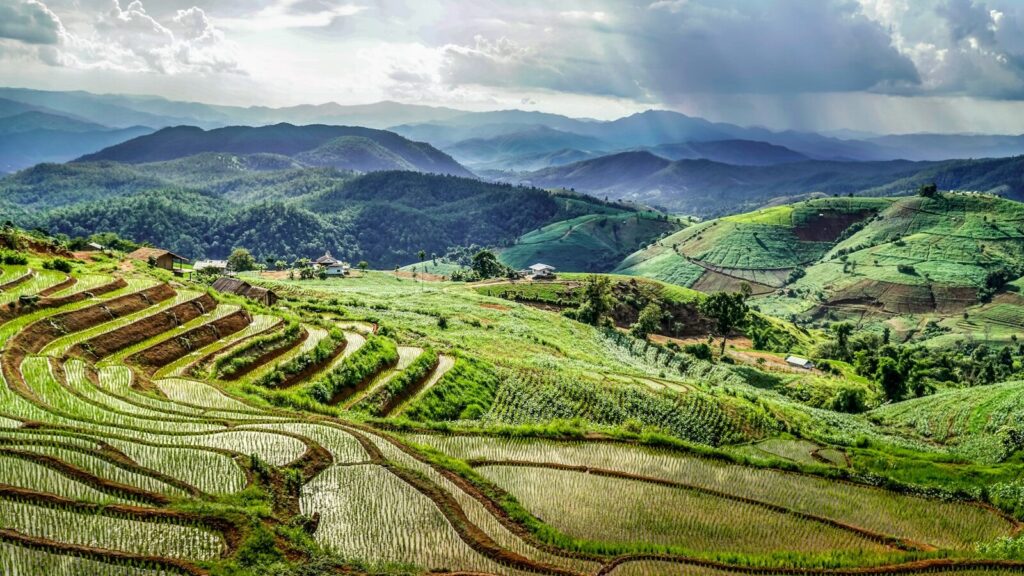
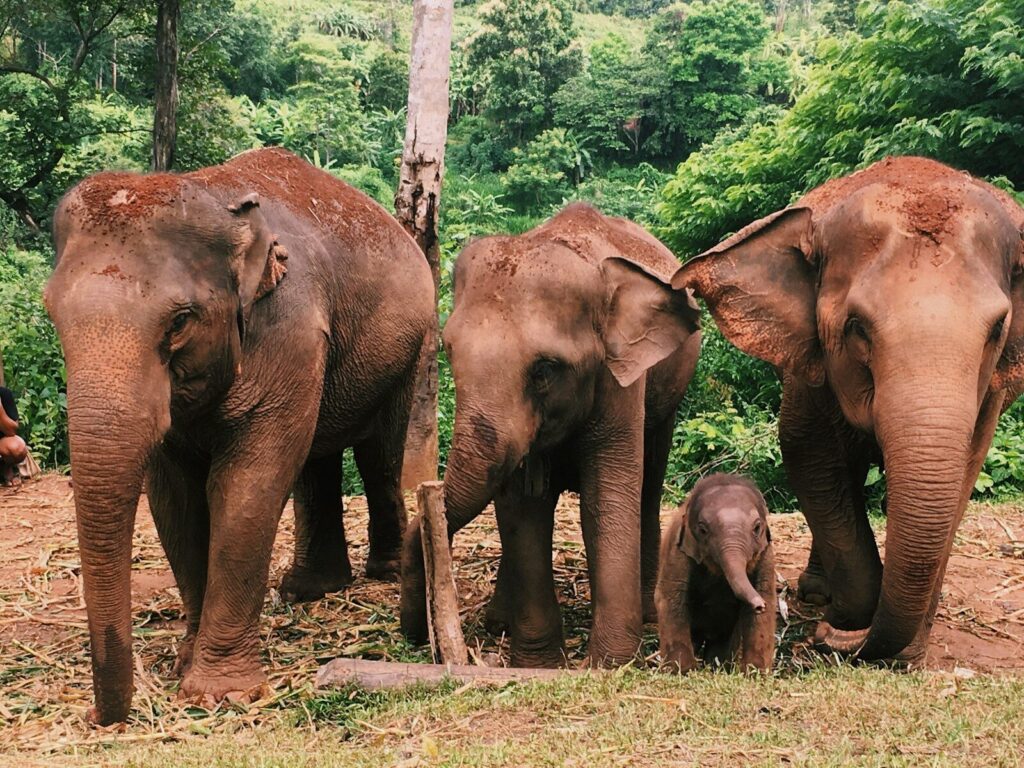
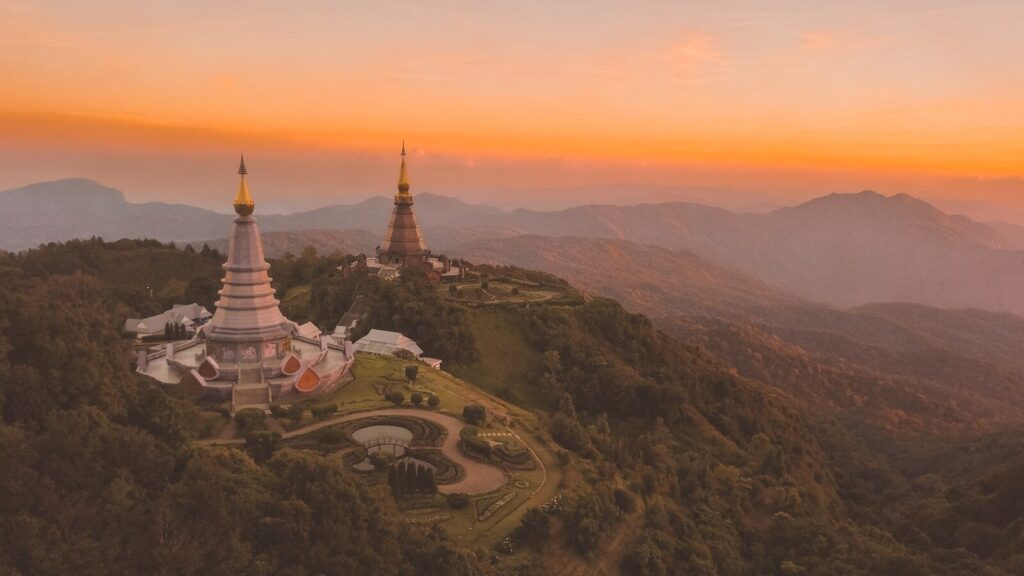
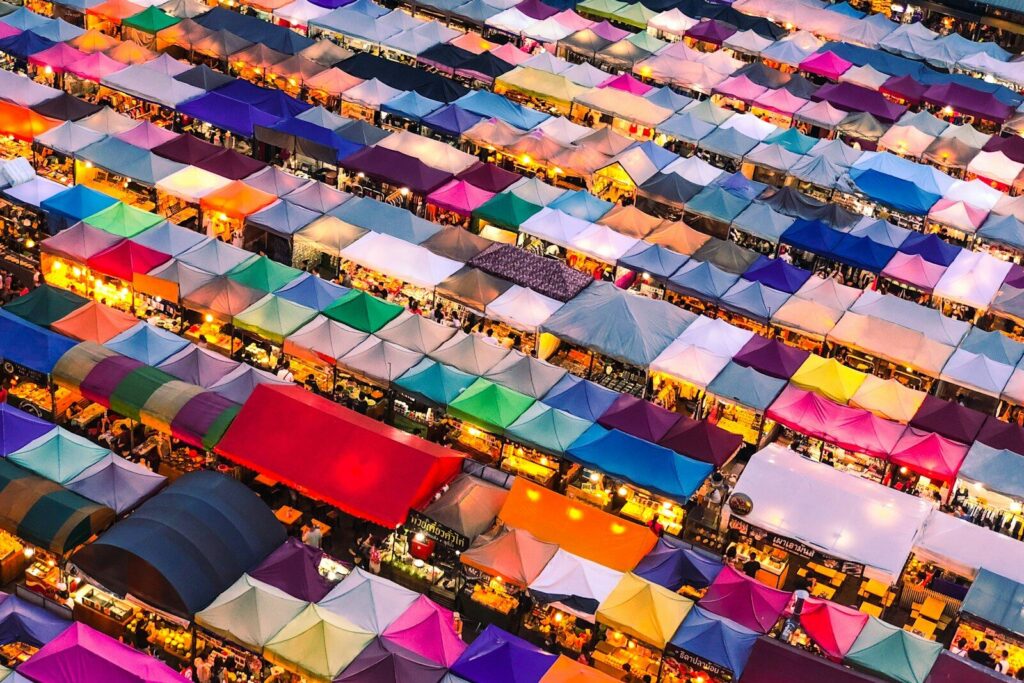
Golden temples, river ferries, unstoppable street food
Skyscrapers rise beside gilded temple spires along the Chao Phraya, where wooden long-tail boats and river ferries share the water with commuter boats and the odd floating market barge. Use Bangkok as a base to explore the Grand Palace and Wat Arun, ride the elevated BTS Skytrain above the traffic, and eat astonishingly well from plastic stools parked on street corners — this is one of the world's great food cities, hiding in plain sight between the ordinary and the sacred.
- → Ideal for small groups who like temple-hopping by river boat and wandering old canal neighbourhoods on foot.
- → A great base for street food walks, night markets and hands-on cooking classes.
- → Suited to travellers who enjoy contrast: gilded stupas beside glass towers, quiet cloisters beside chaotic markets.
- → Works well as a gateway to the rest of Thailand, with trains, flights and buses fanning out to the north and the southern coast.
“A city where the sacred and the everyday sit on the same street corner, and neither one apologises for the other.”
Teekonda small-group feelWhen to go, season by season
Bangkok sits close to the equator, so it's warm all year — the real variable is humidity and rainfall rather than temperature. Locals talk about three seasons rather than four, but here's how the classic calendar quarters play out.
Hot Season · Mar–May
The hottest, most humid stretch of the year, with temperatures regularly topping 35°C. Thailand's Songkran water festival floods the streets, literally, in mid-April, turning the heat into one big citywide water fight.
Early Rainy Season · Jun–Aug
The southwest monsoon arrives with short, heavy afternoon downpours rather than all-day rain. Parks turn lush and green, hotel rates dip, and the crowds thin out noticeably.
Late Rains into Cool Season · Sep–Nov Recommended
September and October are the wettest months, but by November the rain tapers off and the cool season begins — a shoulder period that rewards travellers happy to trade a shower or two for lower prices and fewer crowds.
Cool Season · Dec–Feb Recommended
The most popular and comfortable stretch, with lower humidity, clear skies and temperatures in the high 20s°C — ideal for temple visits, river trips and long days on foot. Book ahead: this is also peak season.
Choosing your base
Bangkok is enormous, so choosing a base near the BTS or MRT rail lines matters more than almost anything else.
Bangkok's modern spine
Skytrain-connected high-rises, rooftop bars, shopping malls and some of the city's best international dining — the easiest first base, especially around Asok, Thong Lo or Phrom Phong.
Inside the old royal city
Walking distance to the Grand Palace, Wat Pho and Wat Arun, with river ferries replacing traffic — best for travellers who want to wake up inside the historic core.
Bangkok after dark
Neon signs, gold shops and some of the city's best street food, especially after sunset — an atmospheric, slightly grittier base within walking distance of the river.
What to eat
Pad Thai
Stir-fried rice noodles with egg, tofu or shrimp, bean sprouts and peanuts in a sweet-sour tamarind sauce — Bangkok's most famous export.
Pad Kra Pao
Minced pork or chicken stir-fried with garlic, chilli and holy basil, served over rice with a fried egg on top — the everyday lunch order for half the city.
Tom Yum Goong
Hot and sour soup with shrimp, lemongrass, galangal and kaffir lime leaf, finished with a punch of chilli — intensely aromatic.
Som Tam
Green papaya salad pounded with chilli, lime, fish sauce and peanuts, originally from Thailand's northeast but ubiquitous on Bangkok street corners.
Khao Man Gai
Hainanese-style poached chicken over rice cooked in chicken fat and garlic, served with a sharp ginger-chilli sauce — simple, addictive comfort food.
Boat Noodles (Kuay Teow Reua)
Small, intensely flavoured bowls of dark broth noodles once sold from boats along the canals, still served in tiny portions so you can order several kinds.
Moo Ping
Grilled pork skewers marinated in coconut milk, soy and palm sugar — a classic breakfast or late-night street snack.
Pla Pao
Whole fish stuffed with lemongrass and pandan leaf, coated in salt and grilled over charcoal, served with a fiery herb-lime dipping sauce.
Look Chin
Bouncy grilled meatballs or fishballs on skewers, sold from carts across the city and dipped in sweet chilli sauce.
Guay Jub
Peppery rolled rice-noodle soup with crispy pork belly, a Chinatown speciality best eaten late at night on a plastic stool.
Khao Niao Mamuang
Sweet sticky rice with ripe mango and coconut cream, Bangkok's best-loved dessert and worth planning a meal around when mangoes are in season.
Khanom Buang
Thin, crisp Thai-style crepes folded around sweet meringue or savoury shrimp fillings, cooked to order on street griddles.
Kai Jeow
A puffed-up, deep-fried Thai omelette eaten over rice with sriracha — deceptively simple and endlessly comforting.
Yaowarat Roast Duck
Chinese-Thai roast duck and char siu hanging in Chinatown shopfront windows, carved to order over rice or noodles.
Thai Iced Tea (Cha Yen)
Strong brewed tea sweetened and poured over condensed milk and ice — the ritual drink to pair with any street food crawl.
Did you know?
A mix of everyday quirks and the deeper history behind them, split into two quick reads.
Bangkok's full name is the longest city name in the world
The city earned the nickname 'Venice of the East'
The BTS Skytrain was built above the traffic on purpose
Wat Pho teaches traditional Thai massage
The 'Thai Silk King' vanished without a trace
Chatuchak is one of the world's largest weekend markets
Not all 'floating markets' actually float
Songkran is the world's biggest water fight
Loy Krathong lights up the rivers, usually in November
Tuk-tuks are a Bangkok icon with a mixed identity
Wat Arun's spires are covered in broken porcelain
Bangkok was founded in 1782 by King Rama I
The city was built on an artificial island
The Grand Palace was built from Ayutthaya's own ruins
The Emerald Buddha has a well-travelled history
Wat Arun predates Bangkok as the capital
Yaowarat began as a relocation, not a plan
The Chakri Dynasty has ruled unbroken since 1782
Thailand avoided European colonisation through reform, not luck
Bangkok's canals gave way to roads through the 20th century
Wat Pho has trained healers for nearly two centuries
Democracy Monument marks a 1932 turning point
Before you go
Many nationalities can enter Thailand visa-exempt for short tourist stays, but exact allowances change from time to time — check current requirements for your passport, and complete Thailand's digital arrival registration before you fly.
The elevated BTS Skytrain and underground MRT cover the central city fastest; river ferries and cross-river boats are a scenic, practical way to reach riverside temples; metered taxis and ride-hailing apps work well outside rail coverage.
A local e-SIM or an airport SIM card gives easy 4G/5G coverage across the city; wifi is widely available in cafes, malls and hotels.
Cash is still useful for street stalls and markets, though cards and mobile payments are widely accepted elsewhere. Tipping isn't obligatory — a service charge is often added at restaurants — but rounding up or leaving 10% for good service is appreciated.
Entry requirements and local conditions can change — always confirm the latest guidance for your nationality before travelling.
Bangkok rewards at least three to four days: one for the Grand Palace and river temples, one for street food and markets, and at least one more to simply wander a neighbourhood without a plan. It also works well as a base before heading north to Chiang Mai or south to the islands.
Common questions
How many days do I need in Bangkok?
Is Bangkok safe for travellers?
Do I need to dress a certain way for temples?
Interested in Bangkok with Teekonda?
Small-group journeys through Thailand's capital, designed for travellers who want culture, street food and a slower pace amid the chaos.
Find a trip


