
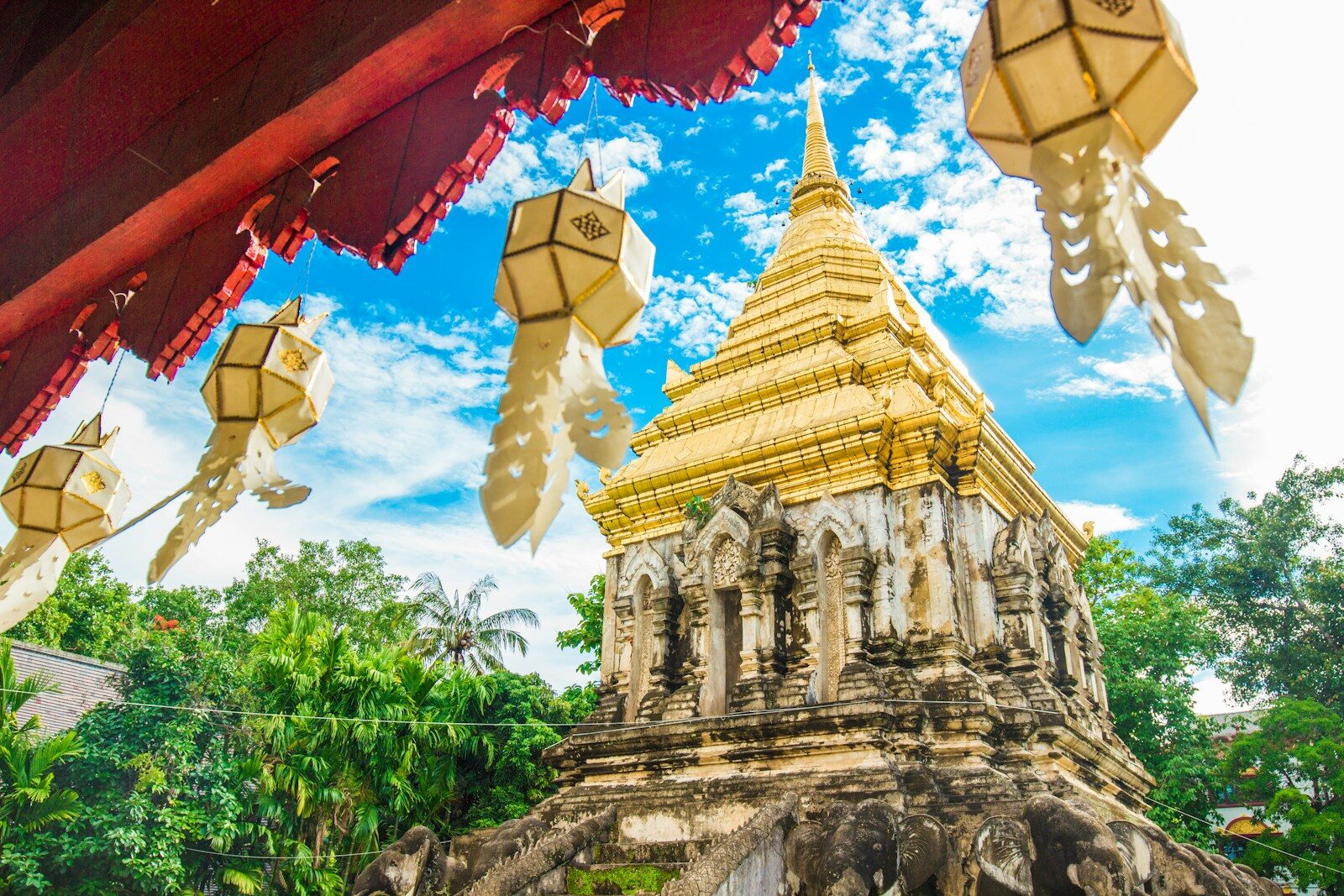
Chiang Mai Travel Guide
Chiang Mai blends Lanna heritage, a compact old city, and an easygoing pace that makes it one of Thailand's most rewarding bases. Come for the temples and night markets, then stay for the food, craft culture, and mountain day trips.
- Northern Thailand
- Temples and markets
- Best in cool season
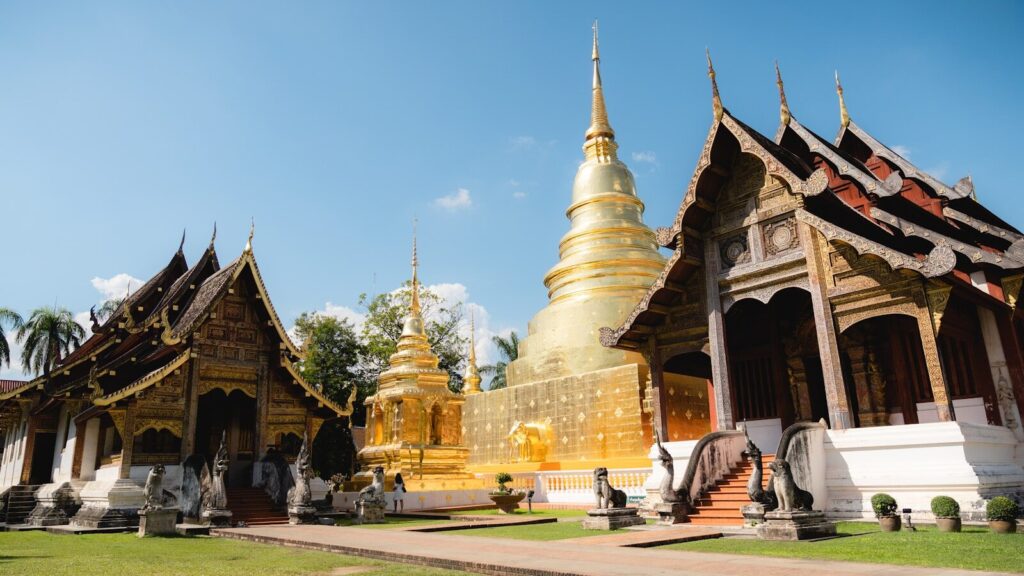
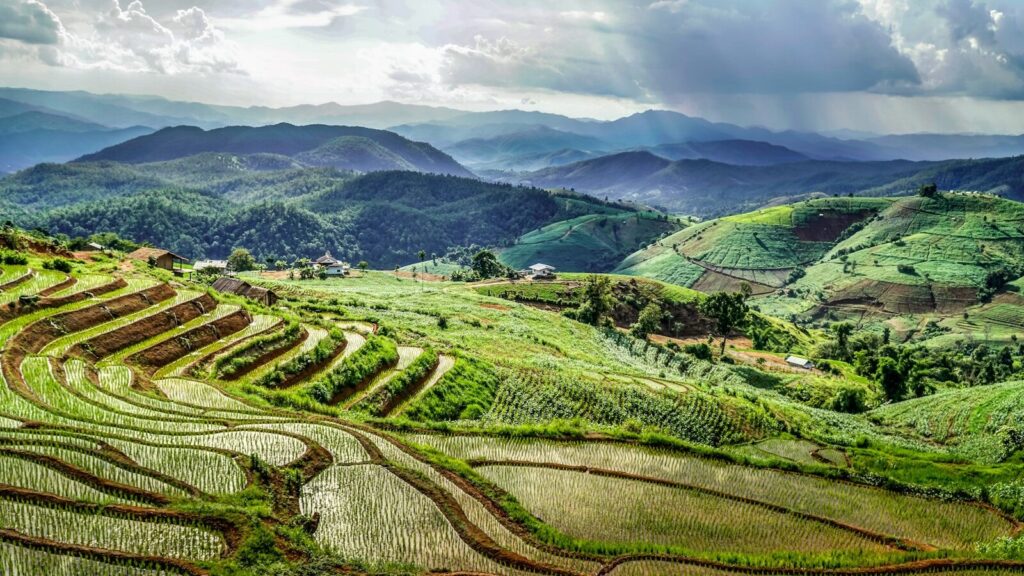
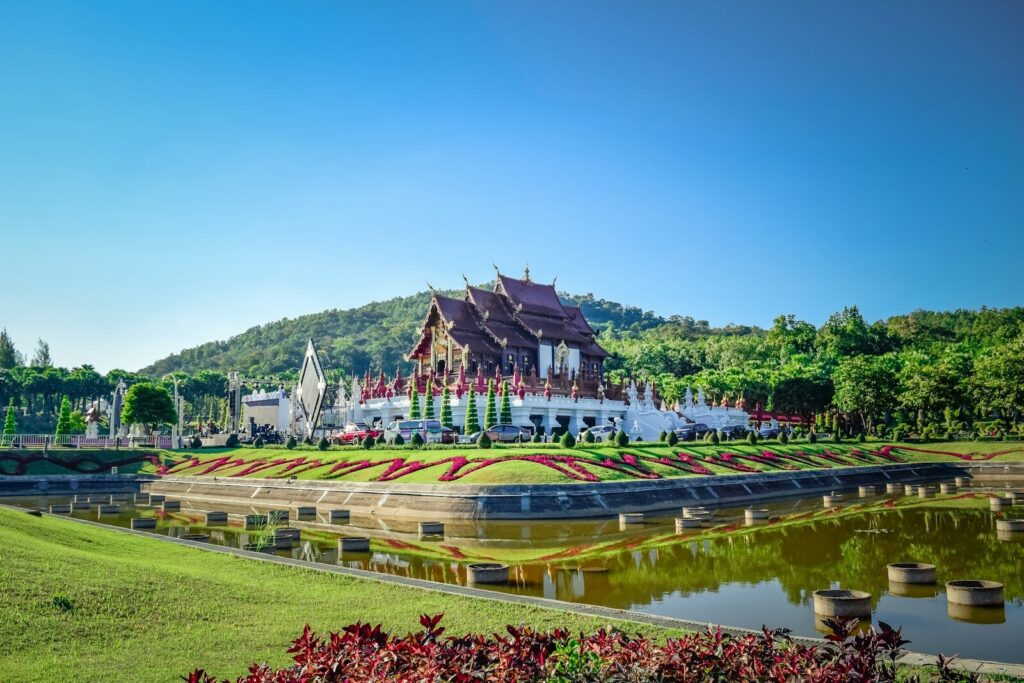
Chiang Mai, frame by frame
A visual guide to Chiang Mai's temples, markets, street life, and mountain setting.

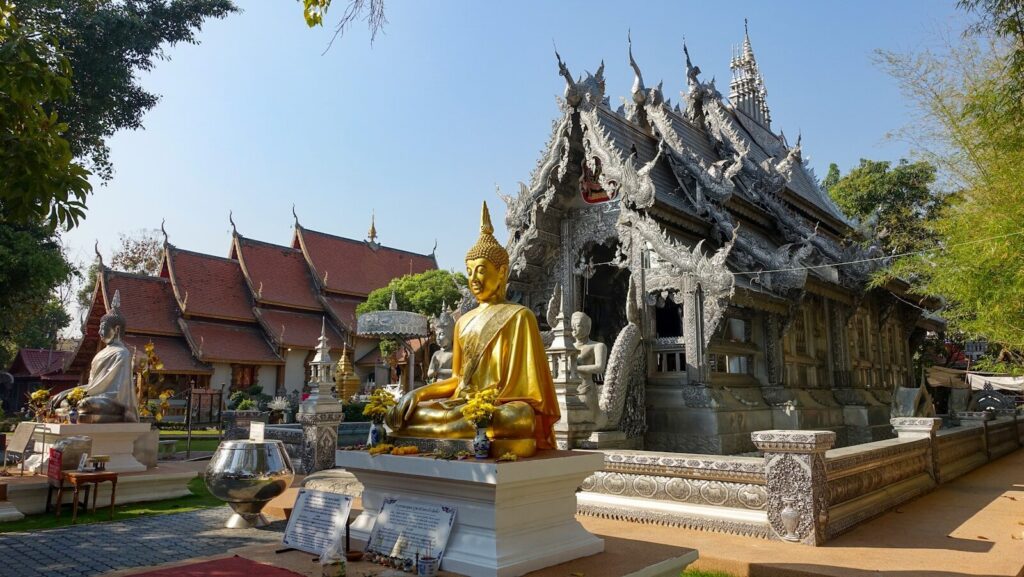
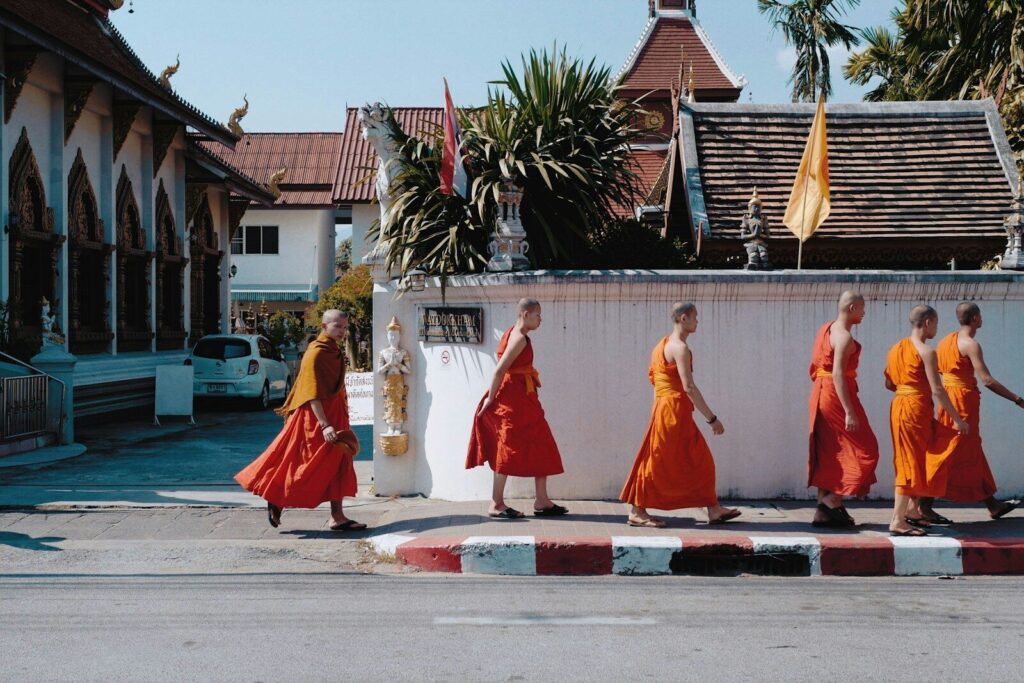

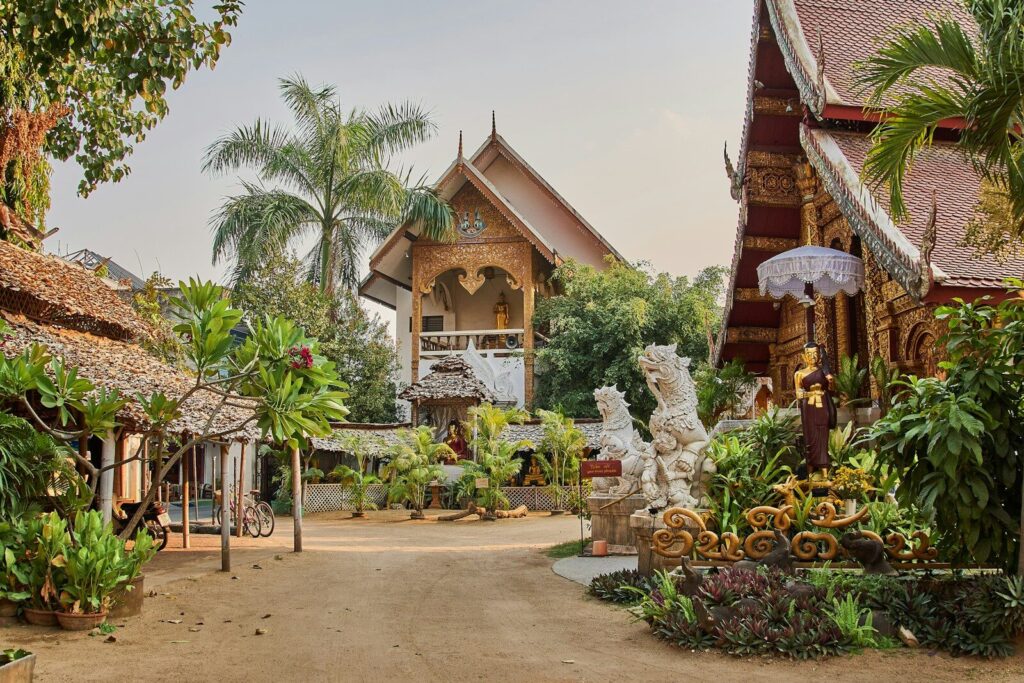
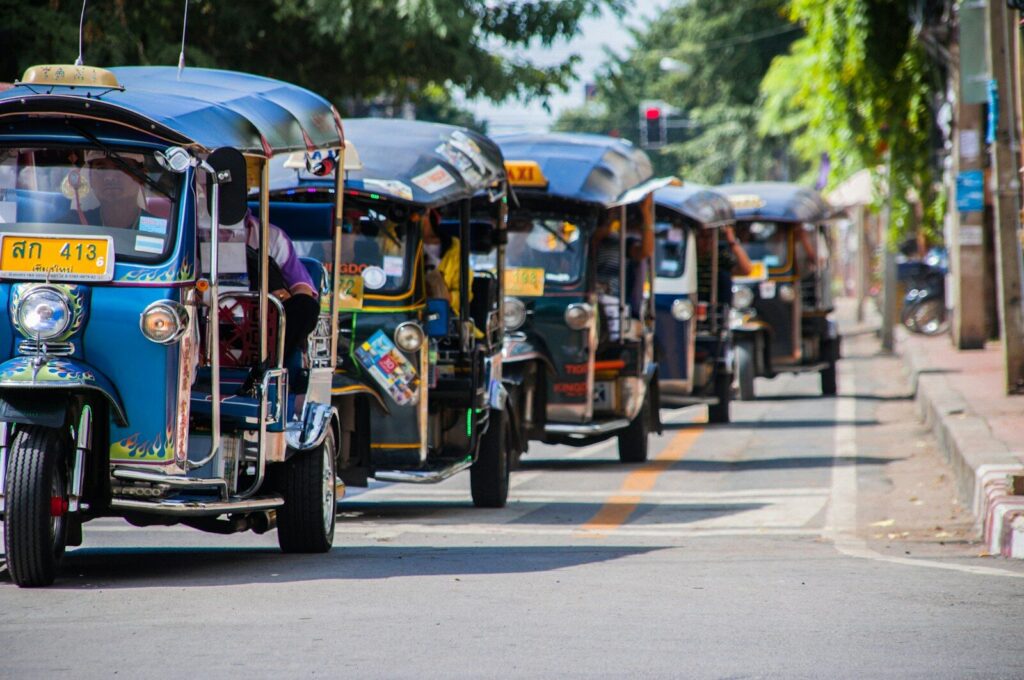
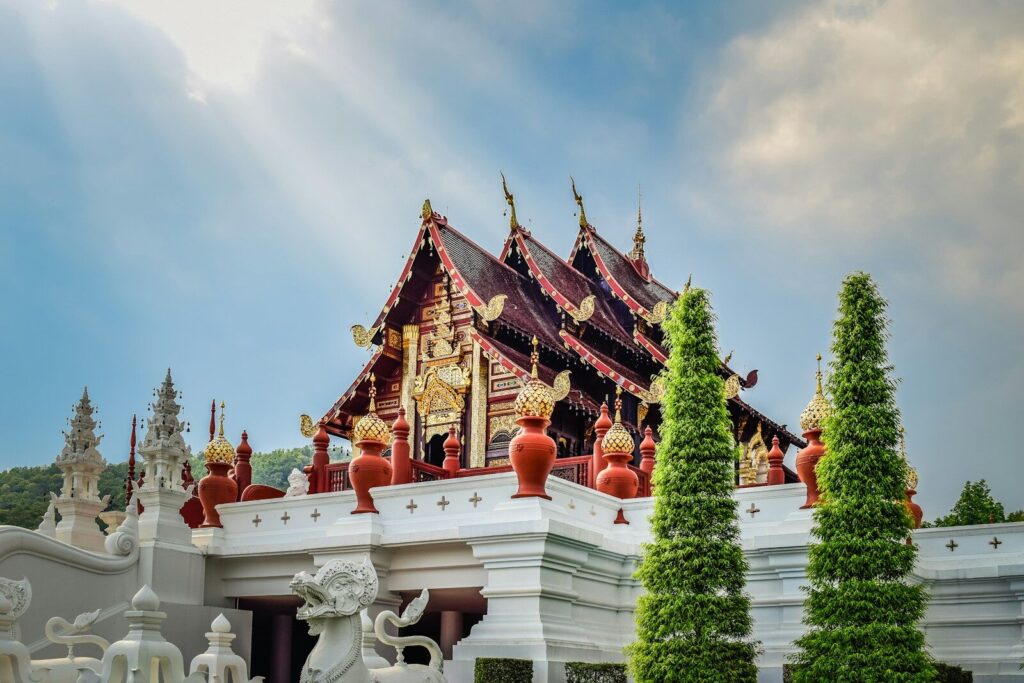
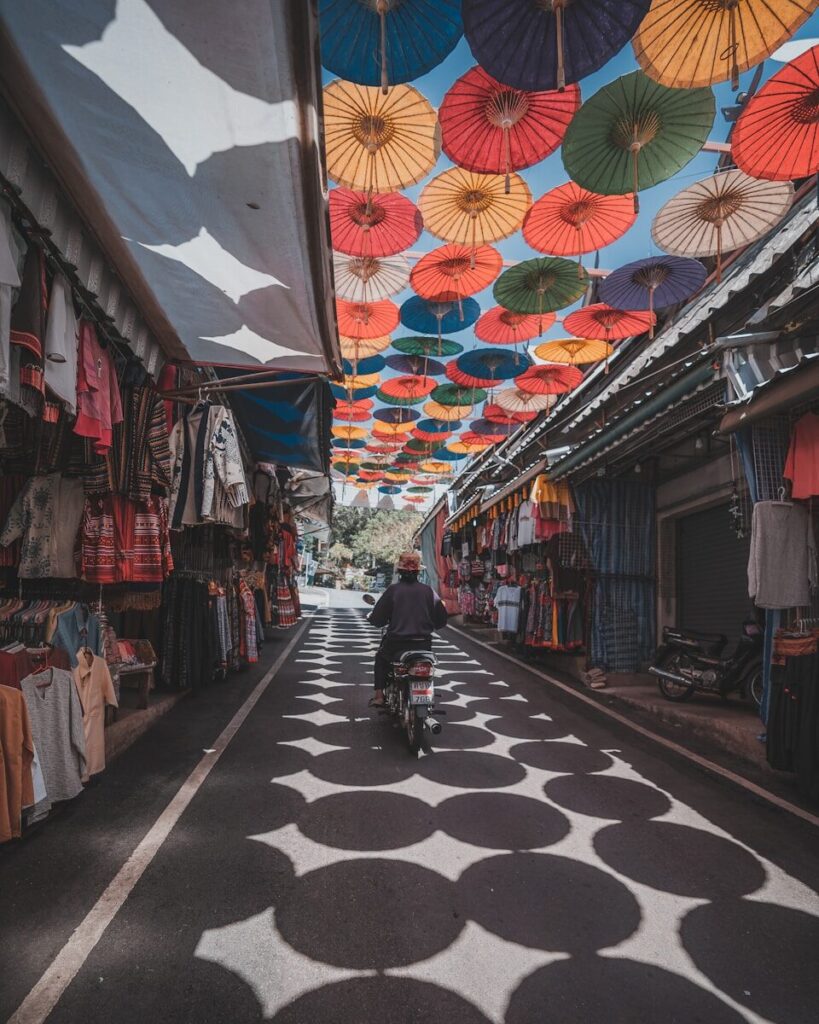

A relaxed northern base with deep cultural roots
Chiang Mai is Thailand's former Lanna capital and the largest city in the north, known for its moat-ringed old city, well over a hundred temples, creative cafés, and easy access to mountains and rural day trips. It suits travelers who want a slower pace than Bangkok without losing variety, especially if they enjoy markets, cooking, heritage architecture, and short excursions into nature.
- → Compact and walkable old city
- → Strong food and café culture
- → Temple-rich and historically layered
- → Good base for hills and day trips
“Old temples, warm nights, and mountain air”
Teekonda small-group feelWhen to go, season by season
Chiang Mai has a clear seasonal rhythm, with the most comfortable travel window in the cool, dry months from November to February. March and April can be very hot and smoky during burning season, while the rainy months bring greener scenery and fewer crowds.
Spring · March to May
Early spring can still be pleasant, but heat rises quickly and air quality may worsen during burning season. Late May usually marks the start of more regular rain.
Summer · June to August
Rainy season: warm, wet, and lush, summer brings afternoon showers and quieter streets. It is a good time for travelers who do not mind rain and want a greener landscape.
Autumn · September to October
The rainy season tapers off gradually and the city begins to dry out. Conditions improve for sightseeing, though occasional downpours can still affect day trips.
Winter · November to February Recommended
This is the most popular season, with cooler mornings, dry days, and clearer skies. It is the best time for walking the old city and taking mountain excursions.
Choosing your base
For a first visit, base yourself near the old city if you want temples, markets, and easy walking access. Choose Nimmanhaemin for cafés and a more modern feel, or stay along the river for a quieter atmosphere with convenient access to dining and evening strolls.
Best for first-time visitors
Stay here for temple hopping, walkable streets, and close access to major sights, cafés, and night markets.
Best for cafés and nightlife
This contemporary neighborhood has specialty coffee, restaurants, boutique stays, and a younger urban feel.
Best for a calmer base
The river area offers a more relaxed pace, scenic walks, and easy access to dining without the busiest streets.
What to eat
Khao Soi
Chiang Mai's signature noodle curry combines rich coconut broth, egg noodles, pickled greens, and crisp fried noodles on top. It is the dish most travelers remember long after leaving northern Thailand.
Sai Oua
This fragrant northern Thai sausage is seasoned with herbs, chilies, and spices, then grilled until smoky. It is a staple at markets and a strong introduction to the region's bold flavors.
Nam Prik Ong
A tomato-based chili dip served with fresh vegetables and pork, often eaten as part of a shared meal. It is milder than many Thai dips and shows off the region's savory side.
Nam Prik Noom
Made from roasted green chilies and herbs, this dip has a smoky heat and is commonly paired with sticky rice. It is one of the clearest expressions of northern Thai home cooking.
Khao Niew
Sticky rice is the everyday carbohydrate of northern Thailand and is eaten by hand in small pinches. It appears beside grilled meats, dips, and curries throughout Chiang Mai.
Gaeng Hang Lay
This tamarind-forward pork curry is known for its gentle sweetness, ginger, and warming spices. It differs from central Thai curries and reflects northern regional tastes.
Laab Kua
A cooked minced meat salad, usually seasoned with herbs and toasted spices, offering more depth than the raw versions found elsewhere. It is especially satisfying with sticky rice.
Jin Som
A lightly fermented pork dish with a tangy flavor, often grilled or fried before serving. It is a classic local bite that pairs well with vegetables and rice.
Moo Ping
Skewered pork grilled over charcoal is one of the easiest and most popular breakfast or snack options. In Chiang Mai, it is often sold with sticky rice for an on-the-go meal.
Sai Krok Isan
Though associated with northeastern Thailand, this fermented sausage is widely sold in Chiang Mai's markets. Its sour, savory profile makes it a favorite with locals and visitors alike.
Kanom Jeen Nam Ngiao
Rice noodles are served with a tomato and pork broth that is especially beloved in the north. The dish is often topped with vegetables and crunchy accompaniments.
Tam Khanun
This young jackfruit salad delivers a soft, savory texture with herbs and spices. It is a less common but distinctly local dish worth seeking out in traditional eateries.
Roti Sai Mai
A sweet treat of thin roti wrapped around colorful spun sugar, popular as a snack and souvenir. It is light, playful, and a good counterpoint to the city's savory dishes. A popular market treat in Chiang Mai, although it originally comes from Ayutthaya.
Khanom Krok
These small coconut pancakes are cooked in a hot pan until crisp at the edges and soft in the center. They are a common morning or market snack across Chiang Mai.
Did you know?
Chiang Mai rewards travelers who notice the details, from temple customs to everyday street rhythms and craft traditions.
The old city follows a historic moat-and-wall layout
It is a major center for Lanna culture
There are well over a hundred temples
The city is a major coffee hub
Night markets are part of the daily rhythm
Lantern festivals draw huge crowds
It is a gateway to ethical elephant experiences
Local crafts remain highly visible
The surrounding hills matter as much as the city
Motorbike traffic is part of the experience
Founded in 1296
A capital of northern power
Temple building defined its prestige
The old city walls once protected it
Burmese influence left architectural traces
Thai integration transformed the city
Trade linked it to the region
Tourism expanded its modern economy
Creative industries grew alongside heritage
Festivals keep the past visible
Before you go
Check your passport validity and confirm current visa or entry rules before departure, as requirements can change.
Use walking, songthaews, taxis, ride-hailing apps, or scooter rentals depending on your comfort level and itinerary.
Local SIM cards and mobile data are widely available, and most city neighborhoods have reliable coverage.
Carry Thai baht in small notes for markets, tuk-tuks, and casual eateries; tipping is appreciated but not always expected.
Entry requirements, visa conditions, and health guidance can change, so verify official information before travel.
For a smooth first trip, plan your Chiang Mai days around one neighborhood each morning and one food or market area each evening, which keeps transport time low and makes the city feel more relaxed. Teekonda-style group planning works especially well here because temples, cafés, and night markets can be combined efficiently without overloading the schedule.
Common questions
How many days do you need in Chiang Mai?
What is the best area to stay in Chiang Mai?
Is Chiang Mai good for food lovers?
Interested in Chiang Mai with Teekonda?
Explore small-group trips that pair Chiang Mai's culture, food, and nature in one seamless itinerary.
Find a trip


