
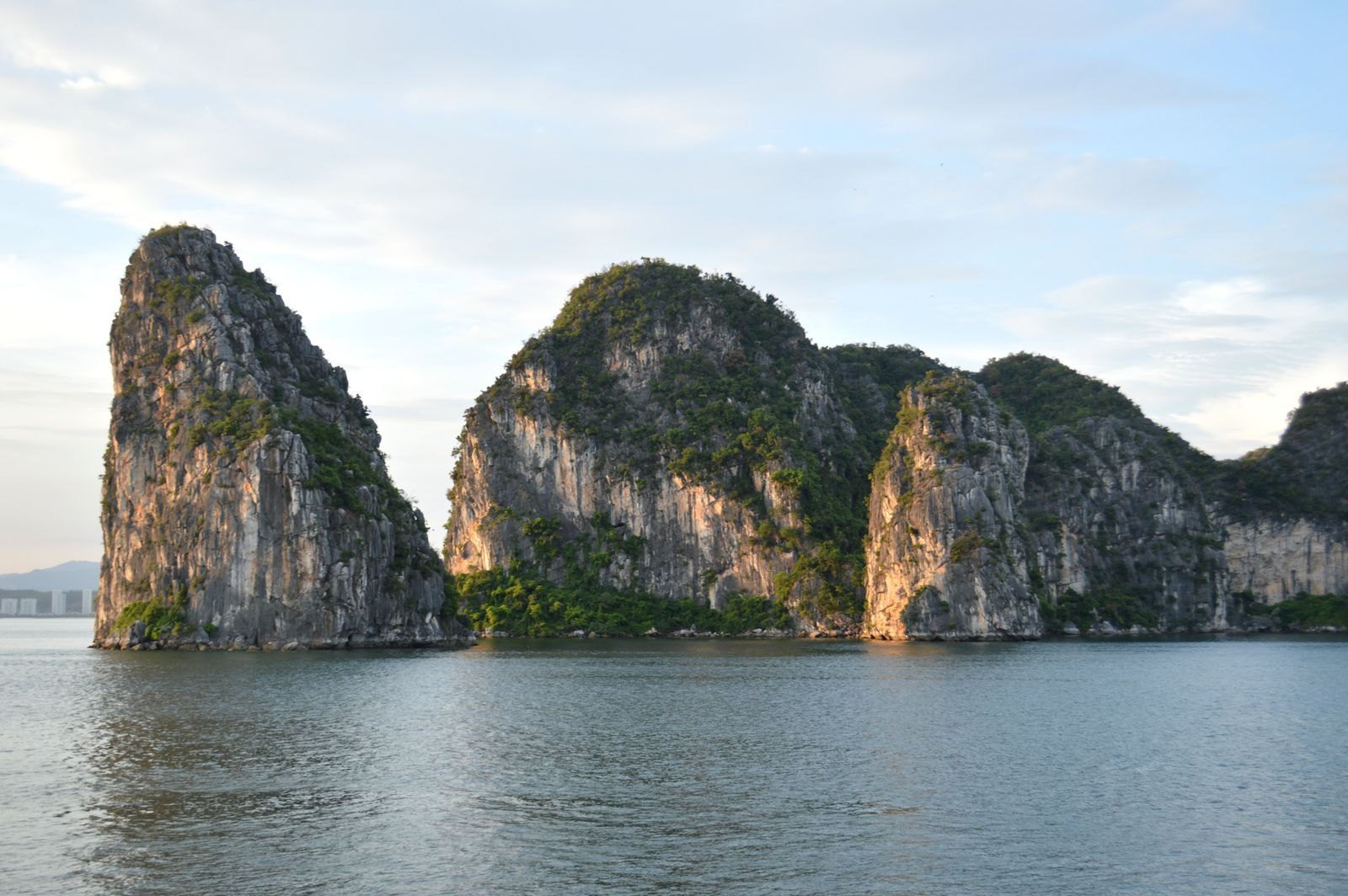
Vietnam Travel Guide
From the misty limestone islets of Halong Bay to the lantern-lit lanes of Hoi An, Vietnam rewards travelers who move slowly and eat often.
- Street food capital
- Limestone bays
- 3,260km coastline
Vietnam, frame by frame
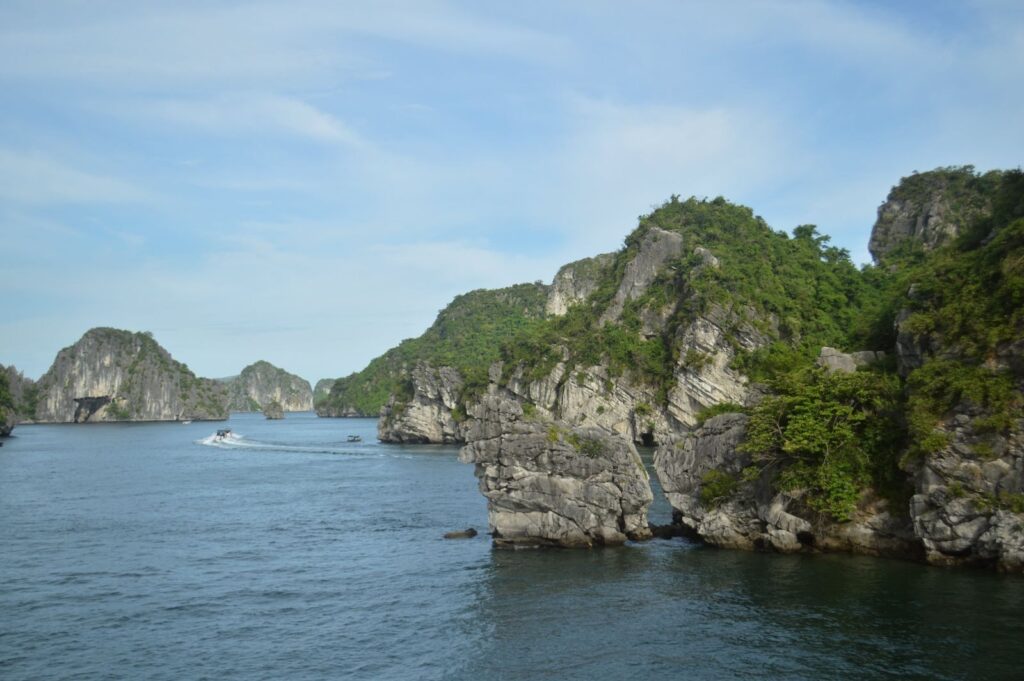
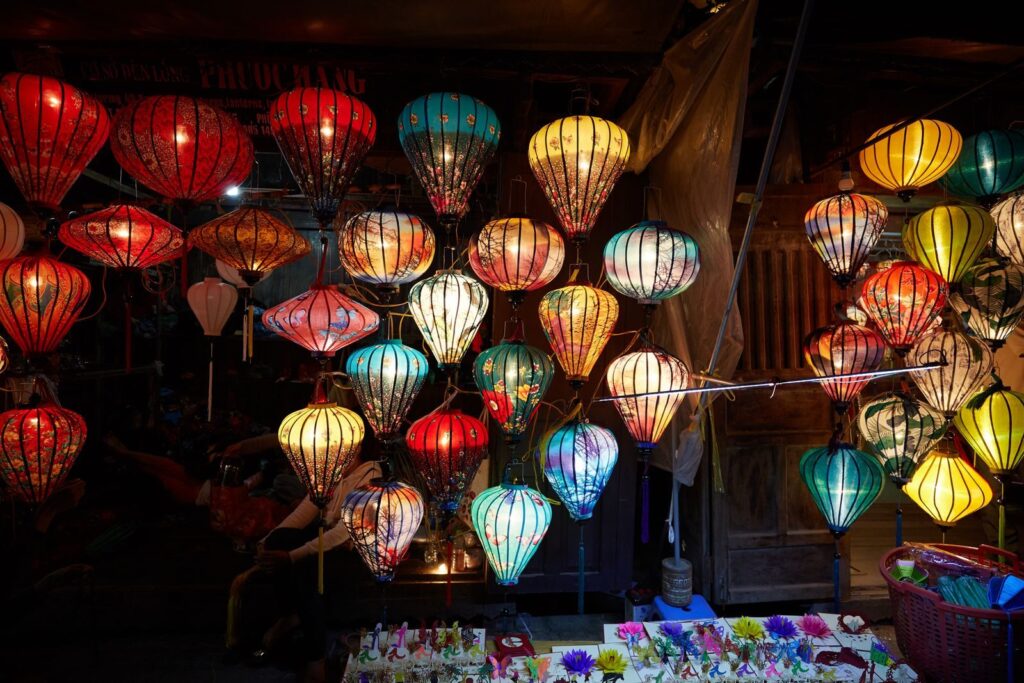
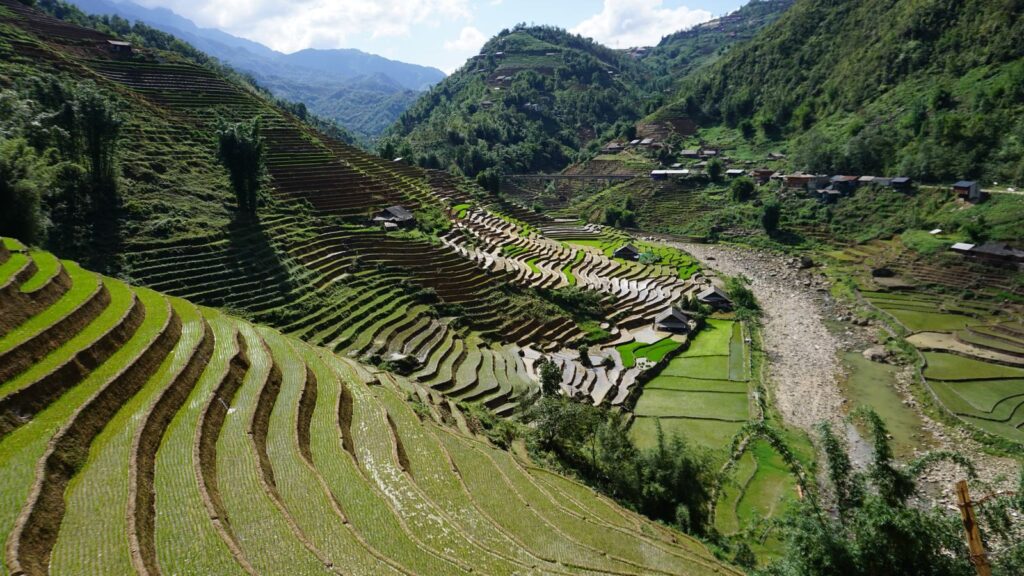
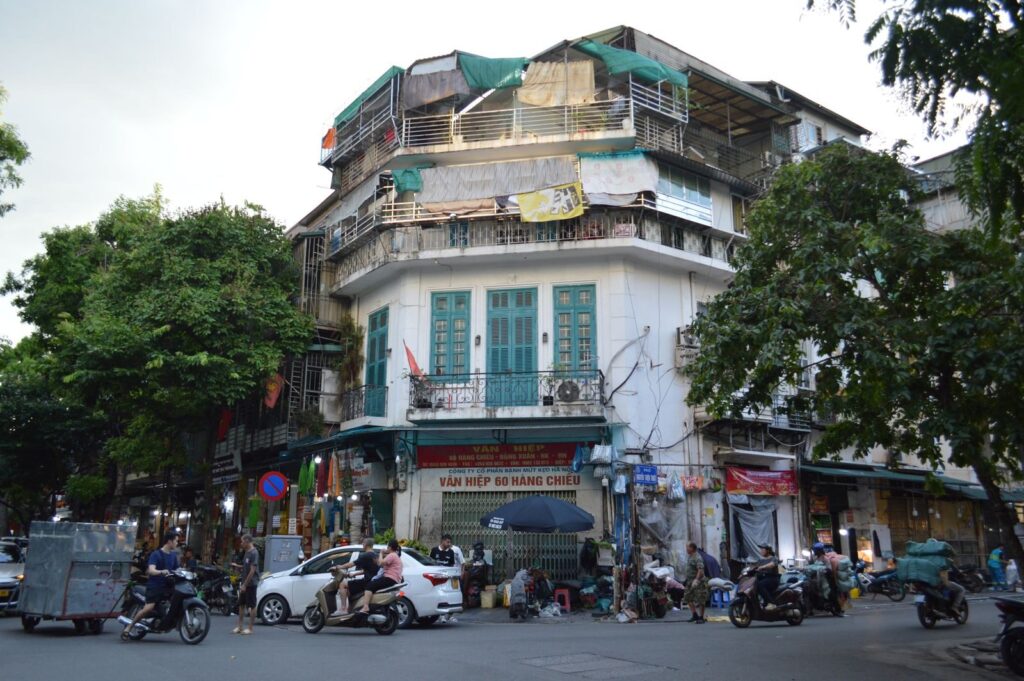
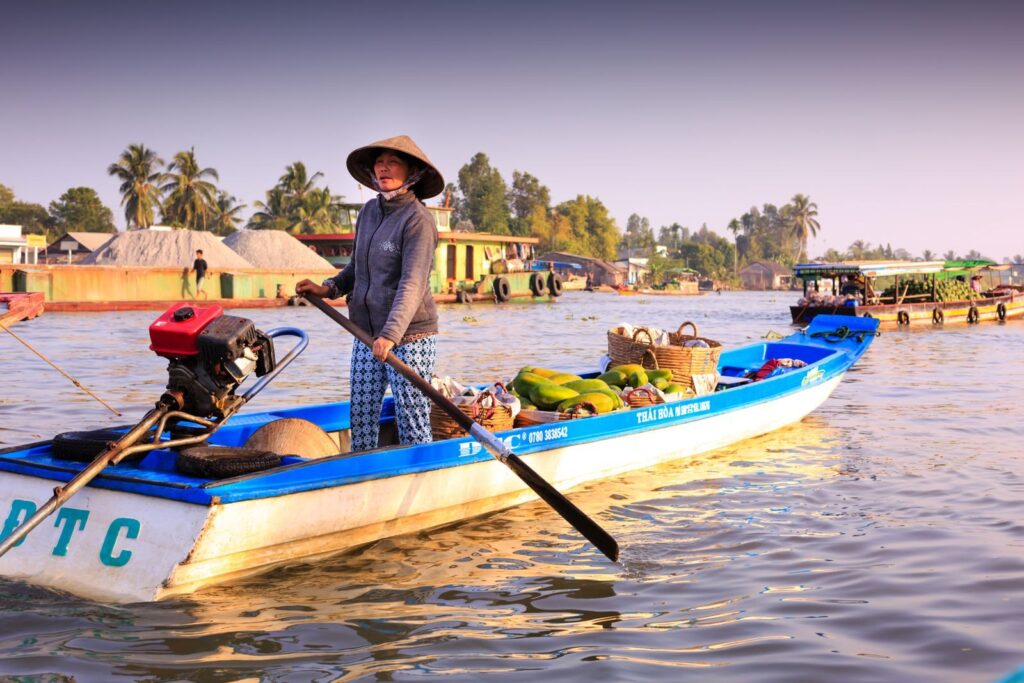
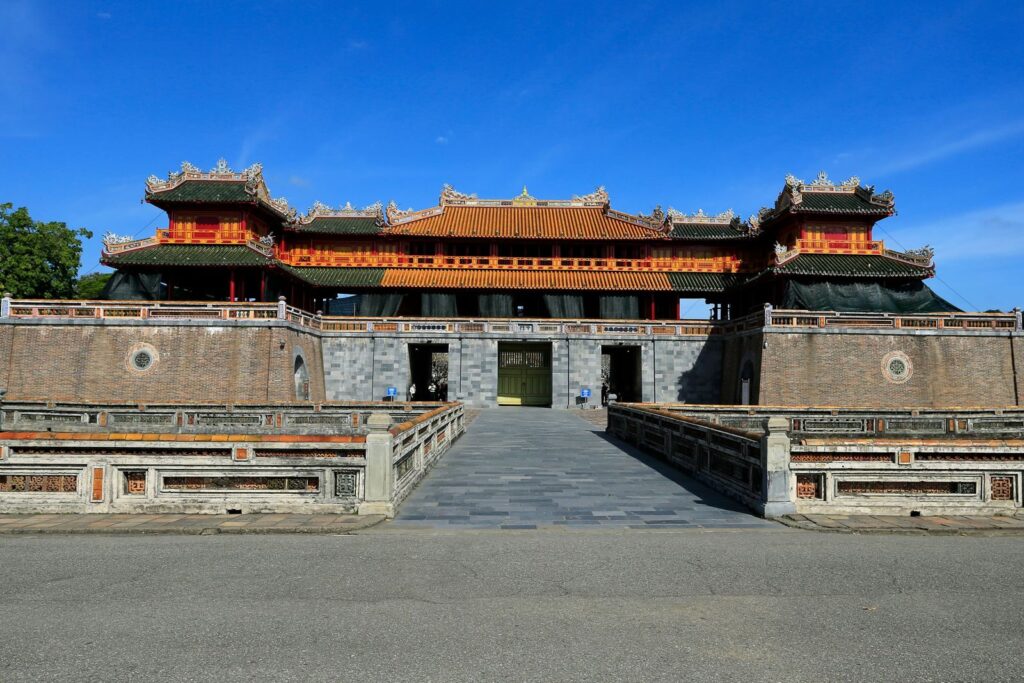
A glimpse of Vietnam's landscapes, from limestone bays to terraced hillsides and lantern-lit streets.
A country stitched together by water and rice
Vietnam runs nearly 1,650 kilometers from the misty mountains of the north to the Mekong Delta's flooded rice paddies in the south, and every region feels distinct. Hanoi's Old Quarter hums with motorbikes and simmering pho pots, Hoi An's tailor shops and riverside lanterns move at half the pace, and Ho Chi Minh City barrels forward with rooftop bars and reunification-era history side by side. Beyond the cities, terraced hillsides in Sapa, the emerald waters of Halong Bay, and the canal towns of the delta reveal a country still deeply tied to its landscape.
- → Street-side plastic stools and bowls of noodle soup at every hour
- → Limestone karsts rising straight out of jade-green water
- → Motorbike traffic that somehow flows around you
- → Colonial architecture layered with pagodas and modern glass towers
“A country best understood one bowl of soup at a time.”
Teekonda small-group feelWhen to go, season by season
Vietnam's length means it effectively holds two climates: the north has four distinct seasons with a cool, damp winter, while the south stays warm year-round with a wet and dry season. Timing a trip well often means splitting the difference or accepting some rain somewhere along the route.
Spring · February to April Recommended
Mild, dry weather across most of the country makes this the most comfortable window for traveling coast to coast.
Summer · May to July
Hot and humid nationwide, with heavy afternoon downpours in the south and central regions, though the north stays drier early on.
Autumn · August to October
Typhoon season along the central coast brings unpredictable storms, but the north cools pleasantly and the delta floods lend the landscape a golden shimmer.
Winter · November to January
Hanoi and the north turn cool and misty, sometimes chilly enough for a jacket, while Ho Chi Minh City and the Mekong Delta stay warm and mostly dry.
Choosing your base
Where to base yourself in Vietnam depends on whether you are chasing city energy, coastal calm, or a slower cultural pace, and most itineraries move between at least two or three of these.
Hanoi's Old Quarter
Narrow streets named for the guilds that once worked them, packed with street food stalls, egg coffee shops, and easy access to Halong Bay day trips.
Hoi An Ancient Town
A UNESCO-listed trading port of yellow facades, tailor shops, and lantern-lit evenings, best explored on foot or bicycle along the Thu Bon River.
Ho Chi Minh City's District 1
The commercial heart of the south, mixing French colonial landmarks with rooftop bars, war history sites, and a springboard for Mekong Delta trips.
What to eat
Pho
A fragrant beef or chicken noodle soup simmered for hours with star anise and charred ginger, eaten at any time of day.
Bun Cha
Grilled pork patties and slices served in a sweet-sour fish sauce broth with rice vermicelli and herbs, a Hanoi lunchtime staple.
Banh Mi
A crusty baguette sandwich filled with pate, pickled vegetables, cilantro and your choice of meat, a legacy of French colonial baking.
Cao Lau
A Hoi An specialty of thick rice noodles, pork slices and crispy croutons, made with water traditionally drawn from a specific local well.
Banh Xeo
A crisp turmeric-yellow crepe stuffed with shrimp, pork and bean sprouts, wrapped in lettuce and dipped in nuoc cham.
Goi Cuon
Fresh spring rolls of shrimp, pork, herbs and rice vermicelli wrapped in translucent rice paper, served with peanut dipping sauce.
Cha Ca
Turmeric-marinated fish grilled tableside with dill and spring onion, a Hanoi dish so iconic it has its own dedicated street.
Com Tam
Broken rice served with grilled pork chop, a fried egg and pickled vegetables, a beloved southern breakfast and lunch dish.
Bun Bo Hue
A spicy, lemongrass-scented beef noodle soup from the former imperial capital, richer and hotter than its northern cousin pho.
Egg Coffee
A Hanoi invention of whipped egg yolk, condensed milk and robusta coffee, tasting closer to a liquid custard than a typical brew.
Banh Cuon
Steamed rice paper rolls filled with minced pork and wood ear mushroom, topped with fried shallots and served with fish sauce.
Mi Quang
A turmeric-tinted noodle dish from Central Vietnam with just enough broth to coat the noodles, topped with shrimp, pork and peanuts.
Che
A category of sweet dessert soups and puddings made with beans, jellies, coconut milk and tropical fruits, served hot or over ice.
Nem Ran
Crispy fried spring rolls packed with pork, crab meat, mushroom and vermicelli, a festive dish often served at family gatherings.
Ca Kho To
Caramelized fish braised in a clay pot with fish sauce and black pepper, a homestyle dish central to Vietnamese family meals.
Did you know?
Small details that shape everyday life across Vietnam, from language quirks to the rituals woven into daily routines.
Coffee culture runs deep
Motorbikes outnumber cars by far
Tonal language with six tones
Water puppetry originated in flooded rice paddies
Lunar New Year shuts the country down
Conical hats have practical origins
Street addresses can share numbers
Egg coffee was born from a milk shortage
Karst landscapes took millions of years to form
Weddings often feature two ceremonies
Nearly a millennium under Chinese rule
The Trung Sisters led an early rebellion
The Nguyen Dynasty built Hue's citadel
French colonization began in the 1850s
Ho Chi Minh declared independence in 1945
The First Indochina War ended French rule
The Vietnam War lasted two decades
Reunification renamed Saigon
Doi Moi reforms opened the economy
Halong Bay gained UNESCO status in 1994
Before you go
Many nationalities can enter visa-free for short stays or apply for an e-visa in advance; check current requirements well before departure.
Domestic flights connect major cities quickly, while overnight trains and buses link regions more scenically; cities are best explored on foot, by taxi app, or private driver.
Affordable prepaid SIM cards with data are widely available at airports on arrival, and wifi is standard in cafes and accommodations nationwide.
Cash is still preferred for street food and markets, ATMs are widely available in cities, and tipping is appreciated but not obligatory for casual dining.
Entry requirements can change, so always confirm current visa and passport rules with official sources before you travel.
If your trip includes both Hanoi and Ho Chi Minh City, consider flying one direction and taking an overnight train or a few short flights along the coast to break up the journey with stops in Hue, Da Nang or Hoi An rather than backtracking.
Common questions
How many days do you need in Vietnam?
Is Vietnam a good destination for food-focused travel?
Do I need to book a Halong Bay cruise in advance?
Interested in Vietnam with Teekonda?
Let us help you build a small-group itinerary that balances city energy, coastal calm and unforgettable food.
Find a trip


