Zanzibar: Spices, Snorkelling and Sandbanks
Discover the real Zanzibar beyond the postcard: snorkel with green turtles at Mnemba Atoll, walk Stone Town's spice-scented alleys, wade with seaweed farmers at low tide, and watch sunsets from Kendwa's endless beach. An 8-day journey balancing culture, ocean adventures, and authentic island rhythm.
Highlights
Discover the real Zanzibar beyond the postcard: snorkel with green turtles at Mnemba Atoll, walk Stone Town's spice-scented alleys, wade with seaweed farmers at low tide, and watch sunsets from Kendwa's endless beach. An 8-day journey balancing culture, ocean adventures, and authentic island rhythm.
Go deeper Want the full story behind this journey?
Zanzibar is not simply a beach: it is a crossroads. For centuries this island was where Africa, Arabia and India met, and it has never stopped showing it — in the scent of cloves drifting from the old harbour warehouses, in the carved wooden doors of Stone Town, in the way village women still farm seaweed at low tide as they have for generations. This journey has been designed around both sides of that island: the ocean, and everything that lives around it.
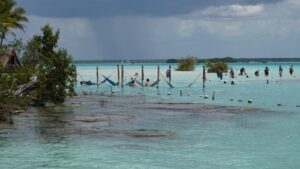
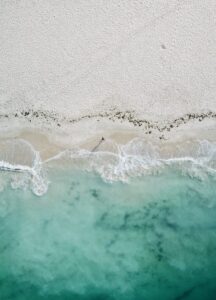
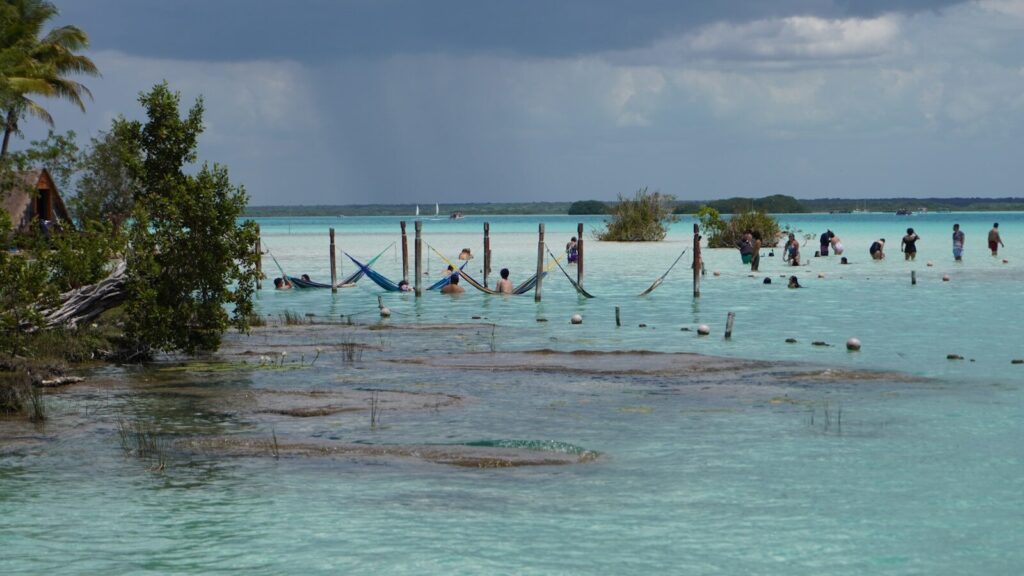
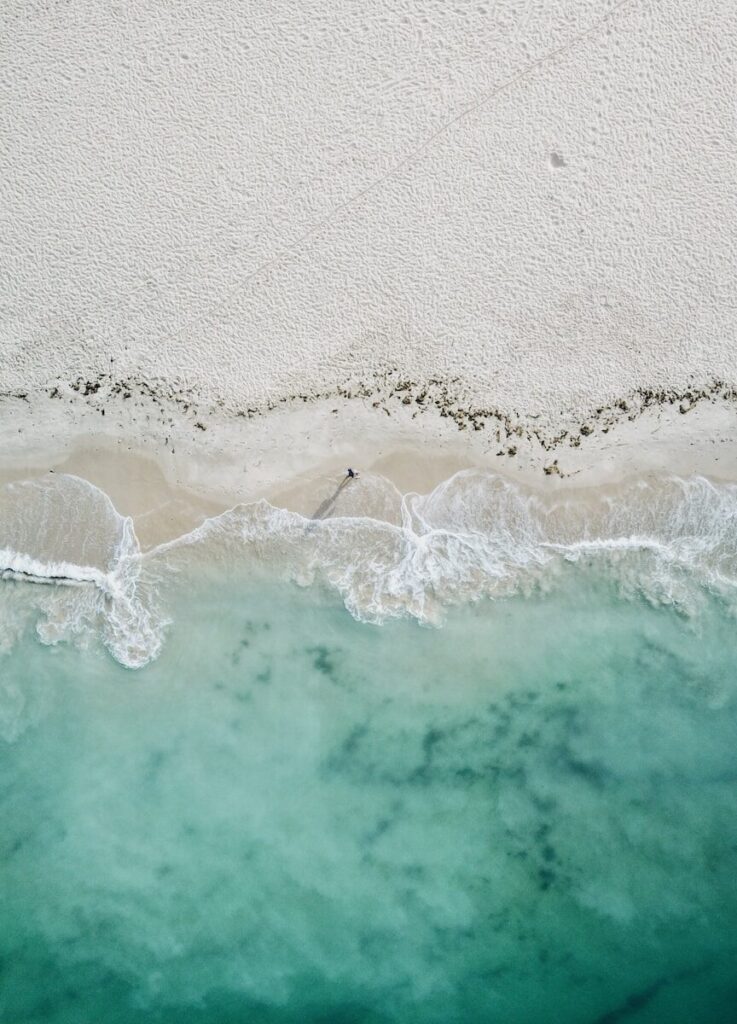
We will begin on the south-east coast, at Paje, where the sea keeps a rhythm of its own. At low tide the water withdraws for hundreds of metres and uncovers a vast white flat where fishermen walk and seaweed farmers work; at high tide a turquoise lagoon returns and the horizon fills with sails. This is not a postcard beach that stays still. It changes twice a day, and watching it change is already part of the experience.
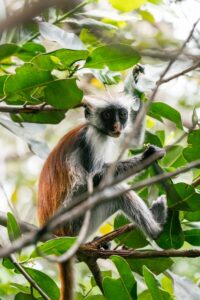
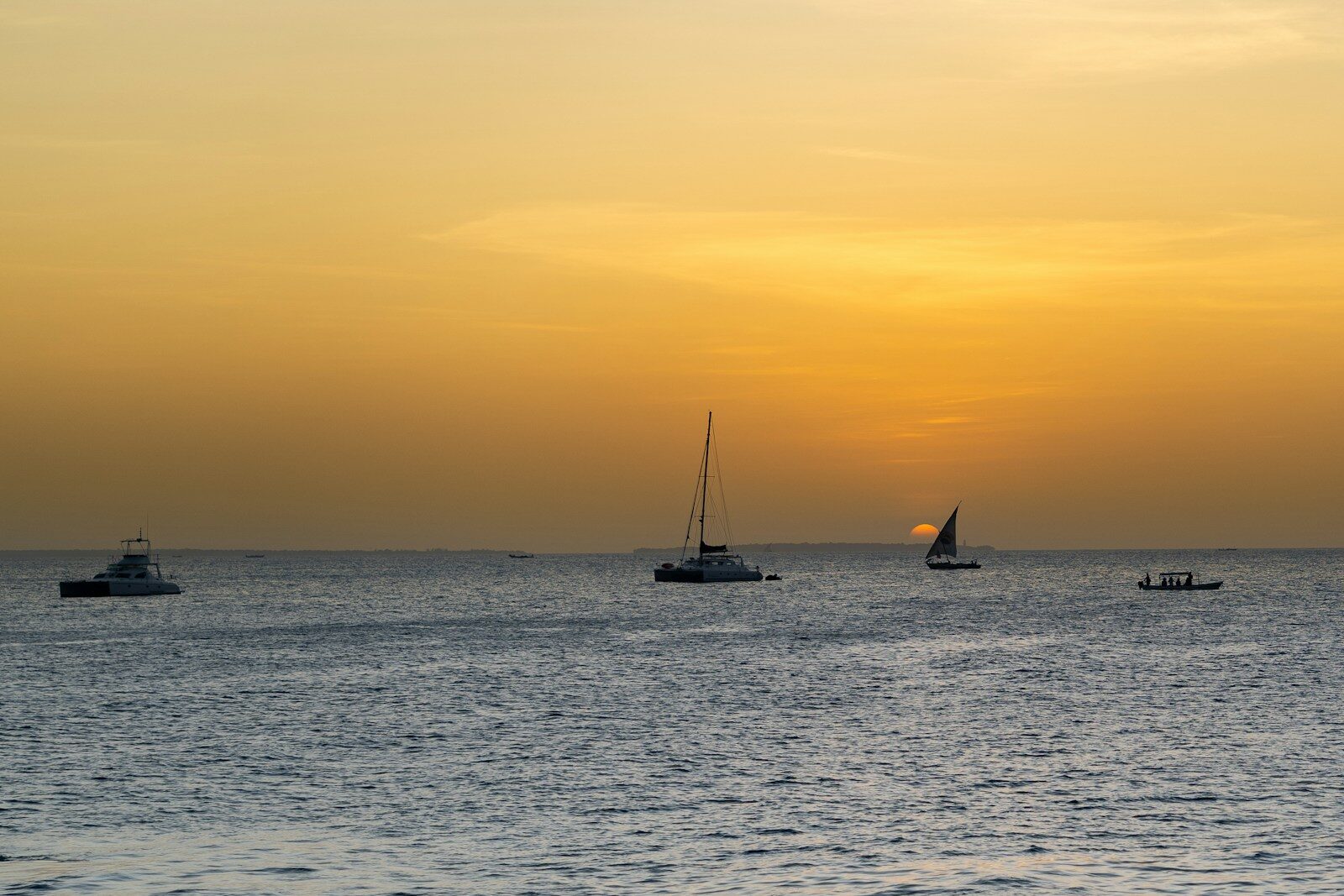
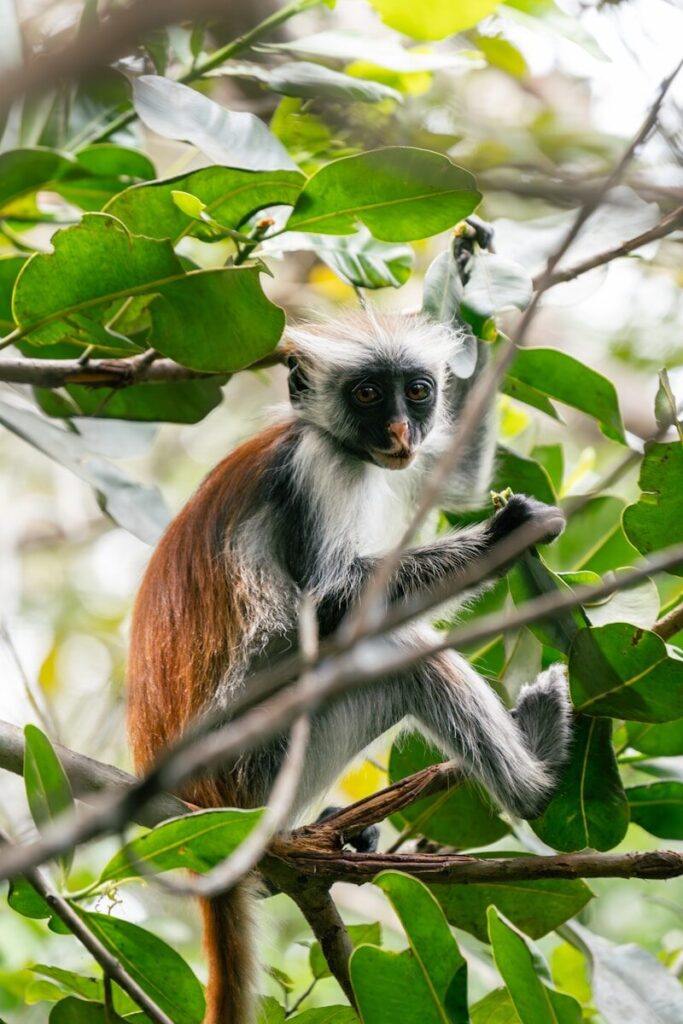
From here we will explore the most authentic side of the island. At Jambiani we will wade into the water with the women of the seaweed cooperatives, who speak plainly about a demanding and stubborn trade, and descend into Kuza Cave, a freshwater pool hidden inside the coral. In Jozani Forest we will look for the Zanzibar red colobus, a monkey found nowhere else on earth, and walk the boardwalk suspended through the mangroves. At the end of the day we will reach the tip of Michamvi Kae, one of the very few points on this coast where the sun sets over the sea rather than behind the land.
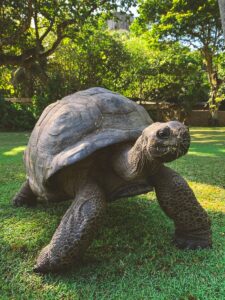
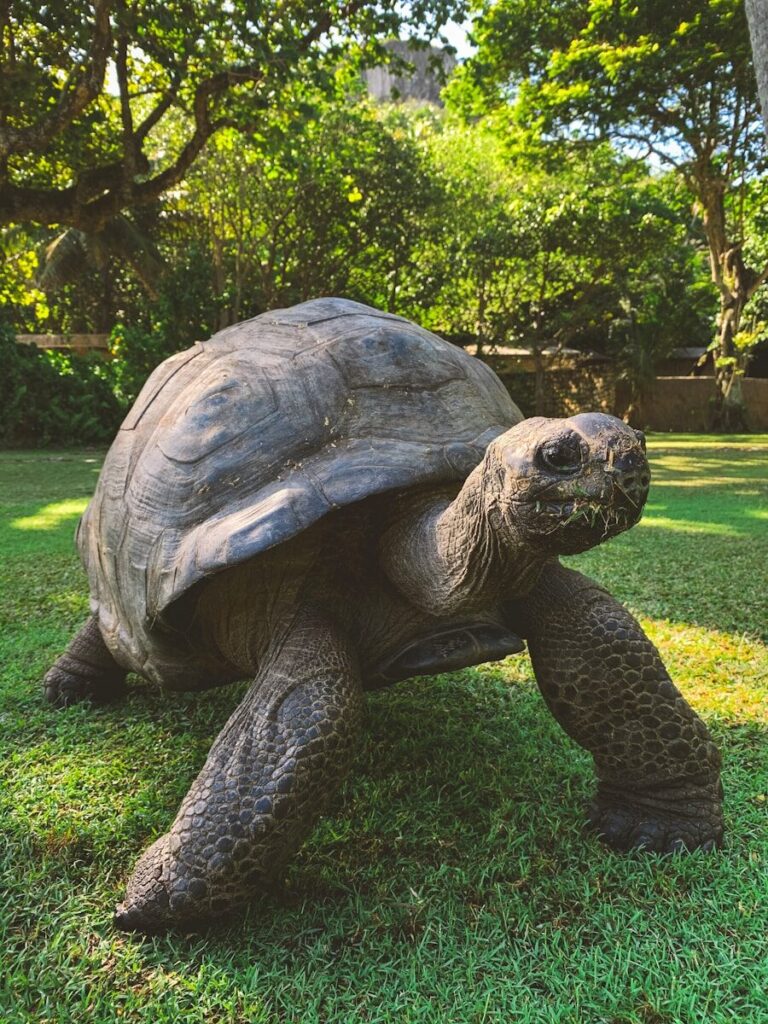
One full day will belong to the water. We will sail from Stone Town to Prison Island, the islet built as a prison that never held a prisoner and is now home to giant Aldabra tortoises, some of them well over a hundred years old, moving with a slowness that disarms. Then the boat will head further out and stop where there is nothing at all: Nakupenda, a sandbank that surfaces only at low tide, a white line in the middle of the ocean that will be gone a few hours later. We will have lunch there, with fish grilled on the spot and our feet in the water.
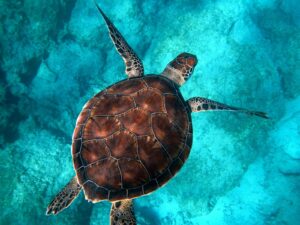
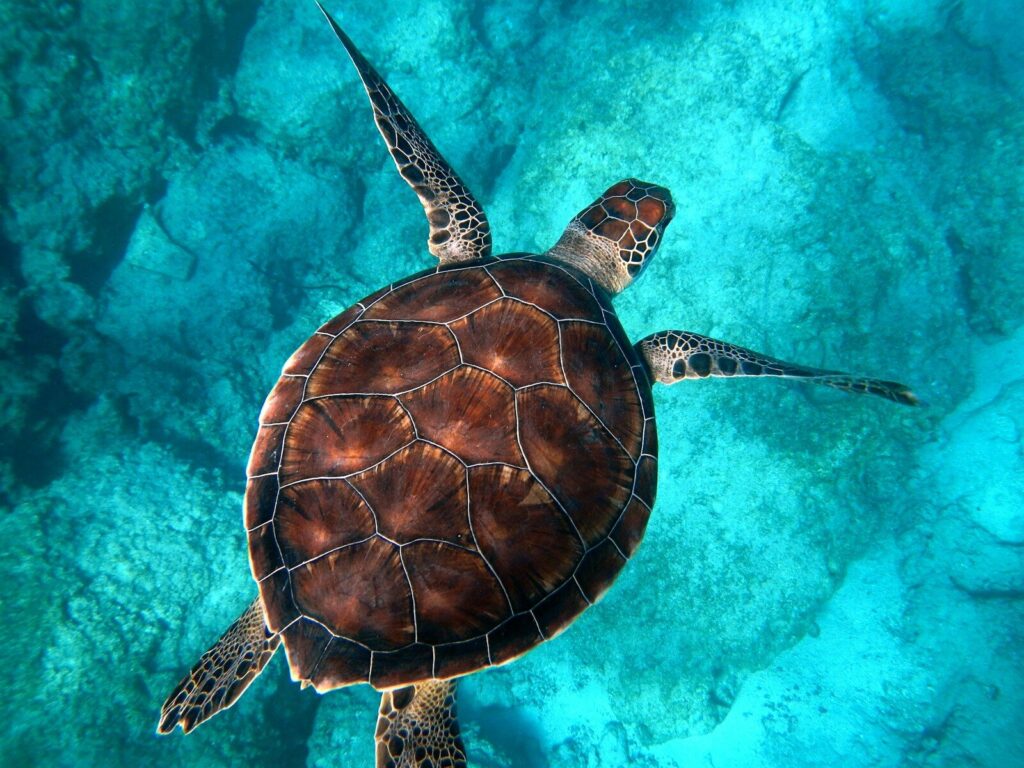
Moving north, we will reach Mnemba Atoll, the finest marine reserve on the island, where the water is clear for twenty metres and coral gardens open beneath it, crossed by butterflyfish, parrotfish and unhurried green turtles. The days that follow will be deliberately open. Kendwa is the only beach on Zanzibar where you can swim at any hour without waiting for the tide, and it faces west, so the sunset arrives straight off the sea. In the afternoon we will walk through Nungwi, where the fish market comes alive as the boats return and, a little further along the sand, dhows are still built by hand without a single iron nail and without a drawing.
Inland, north of Stone Town, we will walk into the plantations that gave the island its name. Cinnamon scraped from the bark, nutmeg, pepper, turmeric, vanilla, cardamom, ylang-ylang: we will smell them, taste them, and discover that almost nothing tastes the way we expected. One evening we will eat together on the sand, under torchlight, with fish landed that same day, live island music and no reason at all to leave the table. It is usually the evening people remember longest.
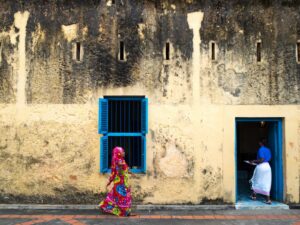
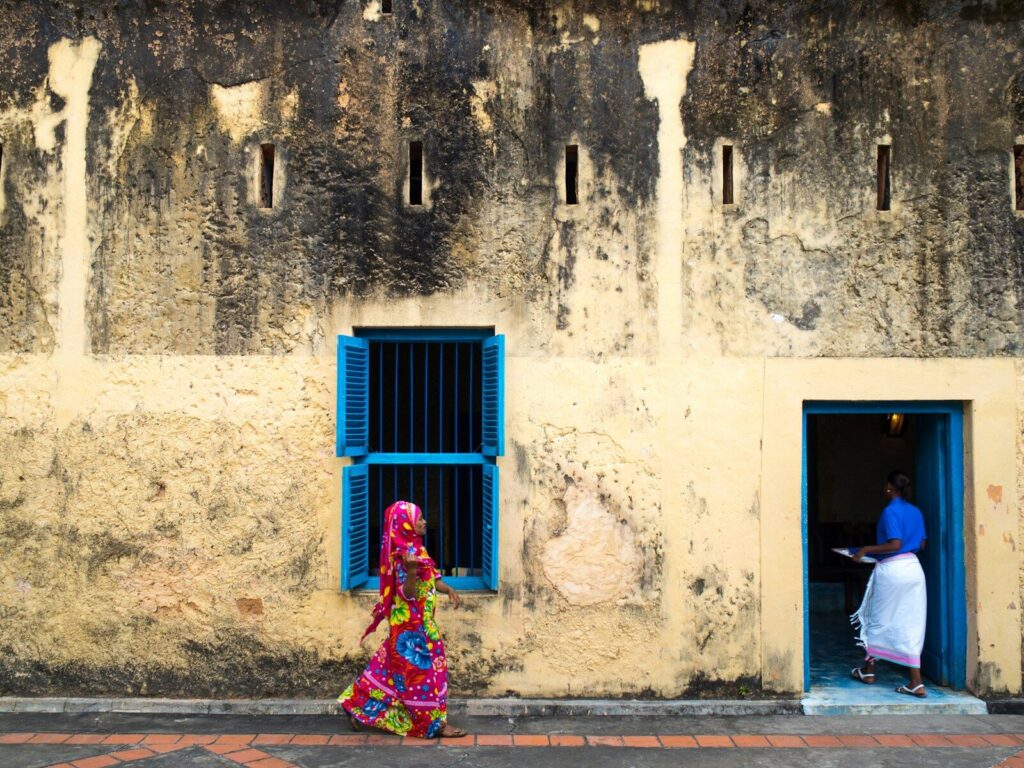
We will spend our final night in Stone Town, and that is not a small detail: it means having the time to lose ourselves properly in a UNESCO World Heritage maze where every corner is a meeting point between Africa, Oman and India. We will cross Darajani market at full volume, stand at the memorial of the former slave market — the hardest page of the island's history, and one that deserves to be looked at directly — and search out the famous carved doors. At sunset we will reach the Forodhani Gardens, where the whole city gathers along the waterfront among food stalls and boys diving off the pier.
This is not a fast tour of Zanzibar: it is a slow island journey, built for travellers who value atmosphere, contrast and real encounters over checklists and distance covered.
Included & excluded services
- Breakfast
- Full Insurance
- Handpicked boutiques / cottages / luxury hotels
- Private boat
- Private toilet
- Tour Manager
- Van rental with driver
- Welcome Drinks
- Airport Transfer at Arrival
- Airport Transfer at Departure
- Dinner
- Flights
- Lunch
Itinerary
Paje
We arrive at Zanzibar International Airport and travel across the island to Paje, on the south-east coast, where the Indian Ocean sets the pace of everything. There is nothing planned for this first evening: after a long flight, the island asks only that we slow down. We settle in, walk out onto the sand as the light softens, and have our first dinner together with the sound of the reef in the background.
Paje
Our first full day belongs to the ocean and to the way it changes. At low tide the water withdraws for hundreds of metres and uncovers a vast white flat where fishermen walk and seaweed farmers work; hours later a turquoise lagoon returns and the horizon fills with sails. In the afternoon we head to Jambiani, wading into the shallows with the women of the seaweed cooperatives, and descend into Kuza Cave, a freshwater pool hidden inside the coral. We end the day at Michamvi Kae, one of the very few points on this coast where the sun sets over the sea.
Jozani Forest
We spend the morning in Jozani Forest, looking for the Zanzibar red colobus — a monkey found nowhere else on earth — and walking the boardwalk suspended through the mangroves, where the forest meets the tide. The afternoon is deliberately left open: the beach, the lagoon, or the village of Paje, which has a life of its own beyond the resorts. For those who want it, the evening brings an optional Swahili cooking class in a local home, buying fish at the market first and eating together what we have cooked.
Nakupenda
A full day on the water. We sail from Stone Town to Prison Island, the islet built as a prison that never held a prisoner and is now home to giant Aldabra tortoises, some well over a hundred years old, moving with a slowness that disarms. Its reef gives us our first proper swim with a mask. Then the boat heads further out and stops where there is nothing at all: Nakupenda, a sandbank that surfaces only at low tide and will be gone a few hours later. We have lunch there, with fish grilled on the spot and our feet in the water, before continuing north to Kendwa for sunset.
Mnemba Atoll
We leave early for Mnemba Atoll, the finest marine reserve on the island, where the water stays clear for twenty metres and coral gardens open beneath it, crossed by butterflyfish, parrotfish and unhurried green turtles. We go in with mask and fins; certified divers can dive the atoll instead, and anyone curious can try a first dive with an instructor. The rest of the day is ours. Kendwa is the only beach on Zanzibar where you can swim at any hour without waiting for the tide, and it faces west, so the sunset arrives straight off the sea.
Nungwi
Inland, north of Stone Town, we walk into the plantations that gave the island its name: cinnamon scraped from the bark, nutmeg, pepper, turmeric, vanilla, cardamom, ylang-ylang, tasted and smelled one by one, and almost none of them the way we expected. In the afternoon we walk through Nungwi, where the fish market comes alive as the boats return and, further along the sand, dhows are still built by hand without a single iron nail. In the evening we eat together on the beach under torchlight, with fish landed that same day, live island music and no reason at all to leave the table.
Darajani market to Forodhani Gardens
A last slow morning by the sea before we travel to Stone Town, where we will spend our final night. With a local guide we cross Darajani market at full volume — mountains of spices, fish, fruit and voices — stand at the memorial of the former slave market, the hardest page of the island's history and one that deserves to be looked at directly, and search out the famous carved doors that gave the town its face. At sunset we reach the Forodhani Gardens, where the whole city gathers along the waterfront among food stalls and boys diving off the pier, and we have dinner overlooking the rooftops.
Stone Town
There is still time for one last walk through the alleys and the market stalls, for the spices and the fabrics worth carrying home, and for a final coffee looking out at the dhows in the harbour. The airport is half an hour away, which means that for once the last day is not spent travelling. We transfer in time for our flight, leaving the island with the smell of cloves still on our hands.