
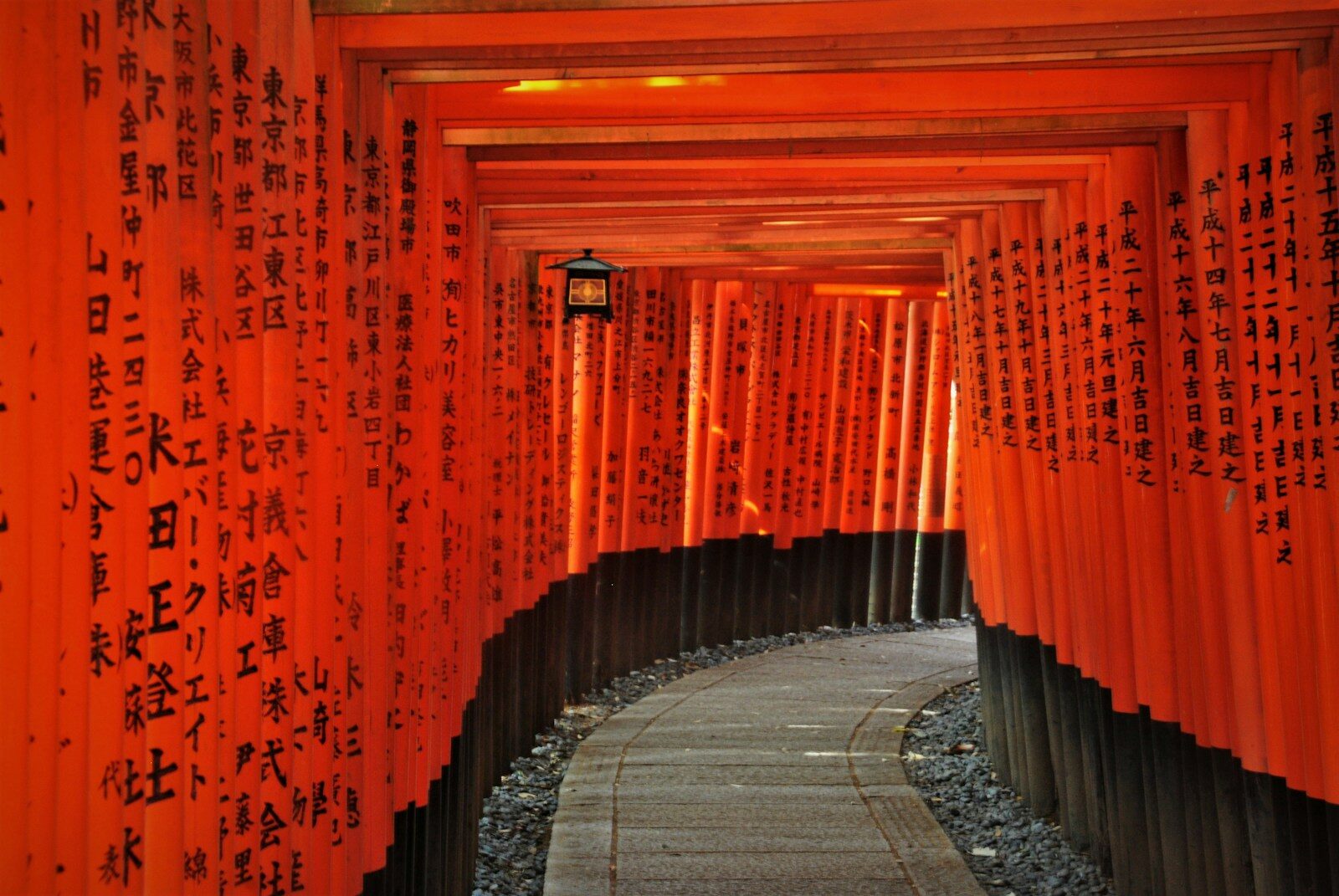
Kyoto Travel Guide
For over a thousand years Kyoto was the seat of Japan's emperors, and it still feels like the country's quiet, considered heart, all lantern-lit lanes, raked gravel and cedar-scented temples.
- 1,600+ temples
- Former imperial capital
- 17 UNESCO sites
Kyoto, frame by frame
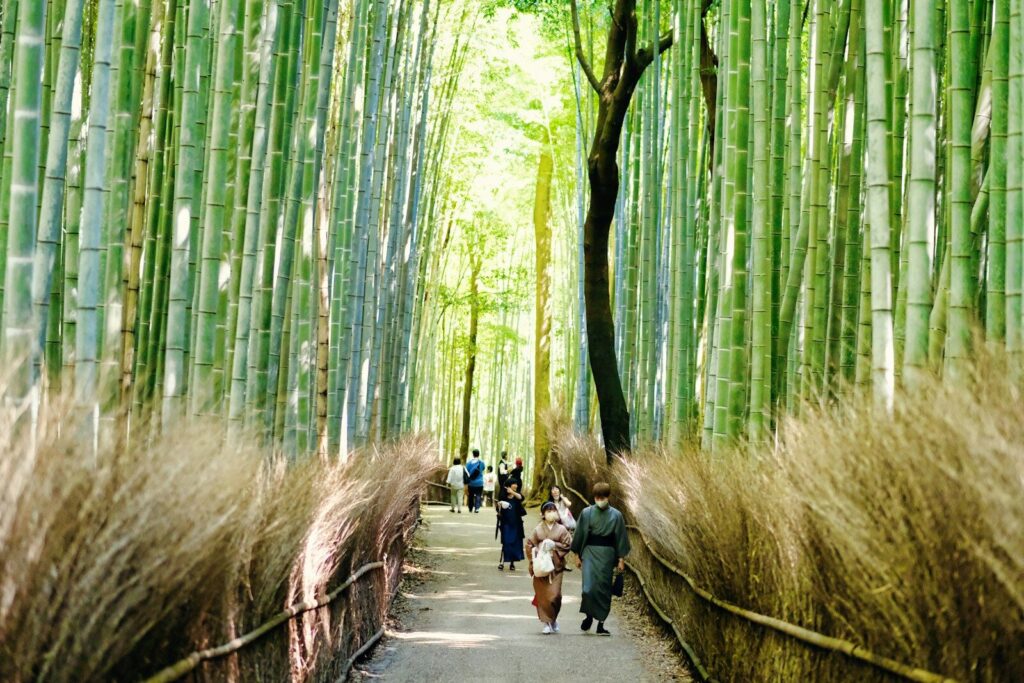
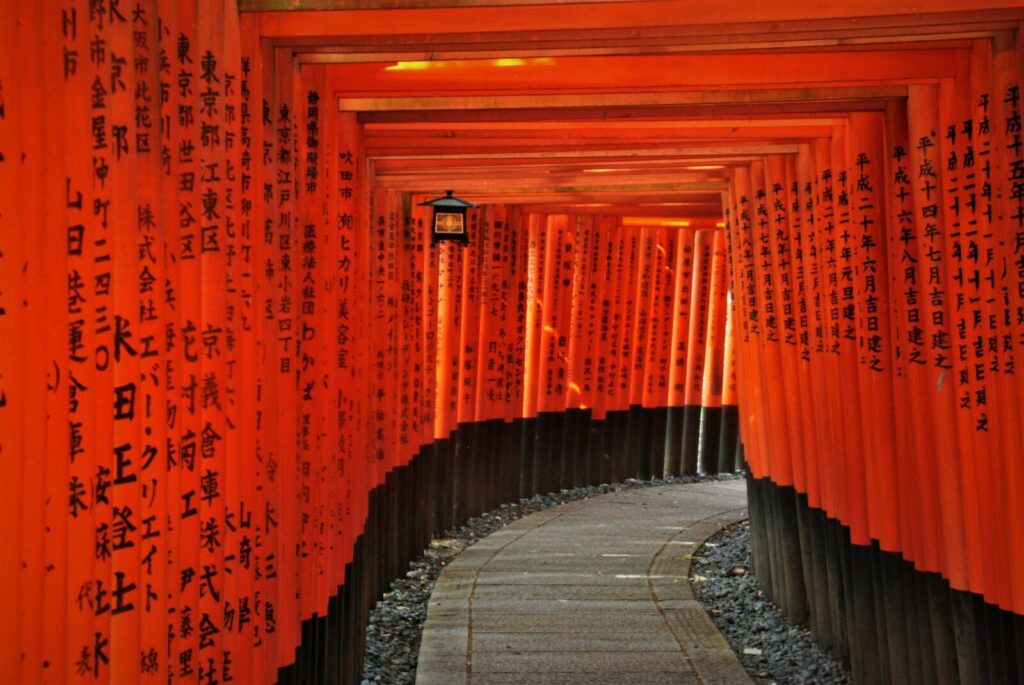
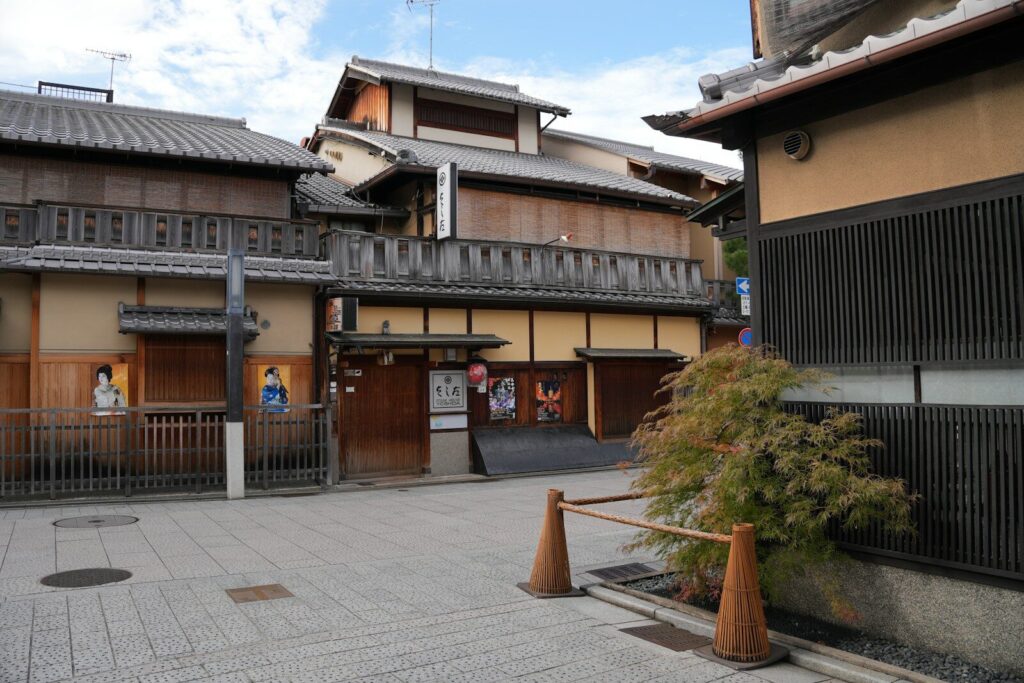
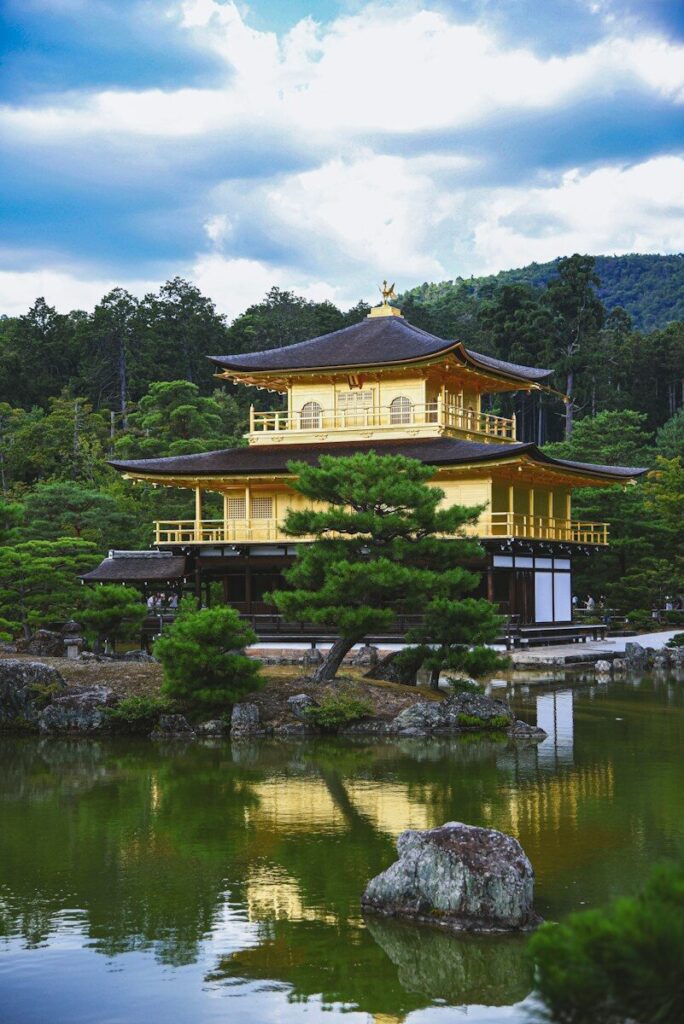
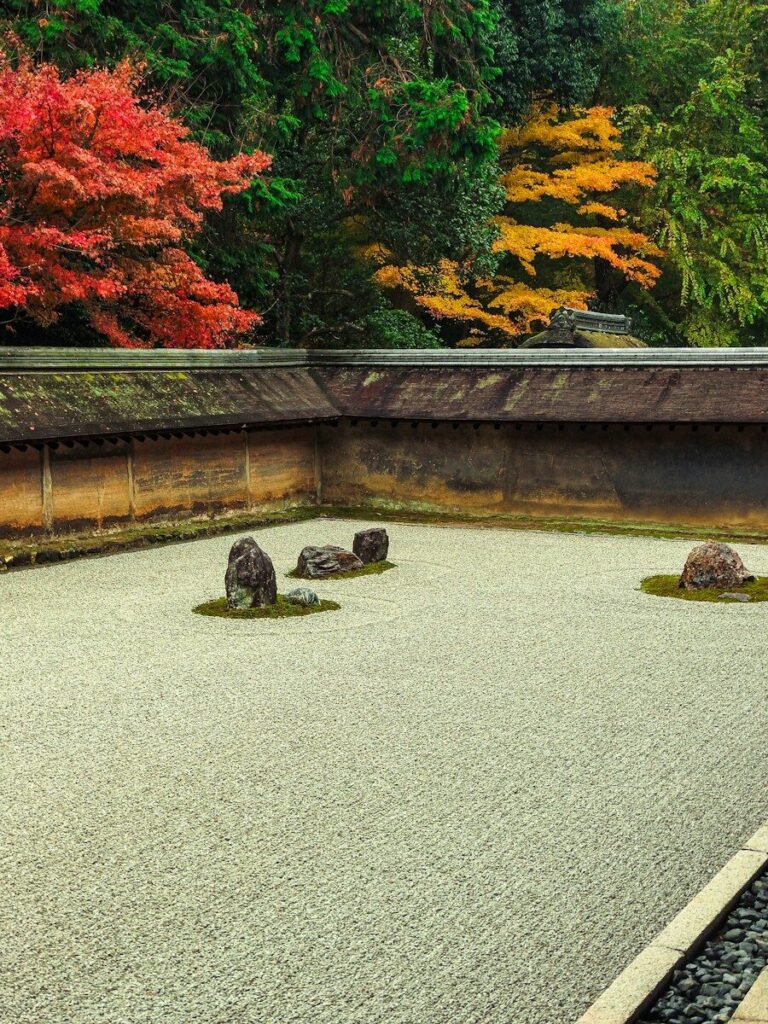
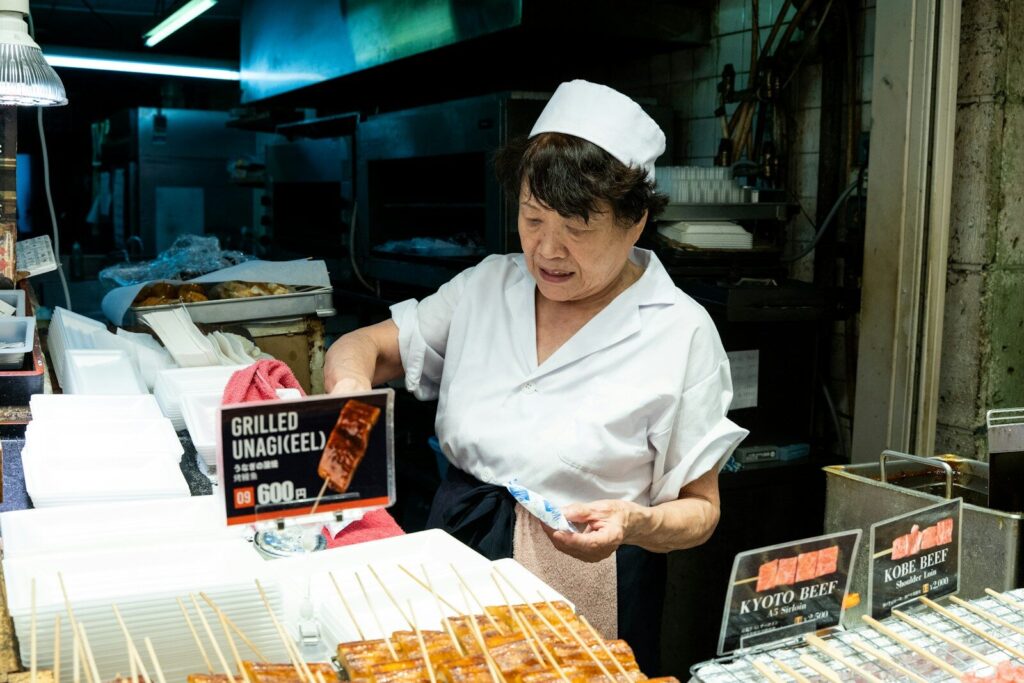
A glimpse of Kyoto's temples, gardens and everyday street life.
A city built for slow looking
Kyoto rewards patience more than any checklist. Behind its unassuming grid of streets sit thousands of temples and shrines, many tucked into bamboo groves or hillside forests, alongside a living tradition of tea ceremony, kaiseki cooking and kimono-clad ritual that hasn't so much been preserved as simply never stopped. Spend a week here and you'll still be finding side streets you missed.
- → Wooden machiya townhouses lining narrow, lantern-lit streets
- → Moss gardens and raked gravel designed for quiet contemplation
- → Geisha and maiko still glimpsed at dusk in Gion
- → A working city of a million and a half people, not a museum piece
“A thousand years of quiet ceremony, still going.”
Teekonda small-group feelWhen to go, season by season
Kyoto sits in a basin ringed by hills, which means summers turn humid and sticky while winters can feel colder than the latitude suggests. The two shoulder seasons, when cherry blossoms and autumn foliage draw crowds but the weather is at its most forgiving, are the reason most visitors plan around March-May and October-November.
Spring · March to May Recommended
Cherry blossoms arrive in late March or early April, filling parks and canal banks with pink for about two weeks. Mild, comfortable days make this the single most popular time to visit.
Summer · June to August
Hot, humid and prone to sudden downpours during the June rainy season, though July's Gion Matsuri festival brings the city to life with floats and street food.
Autumn · October to November
Maple leaves turn deep red through November, especially around eastern temples like Tofuku-ji and Eikan-do, with crisp, dry days ideal for walking.
Winter · December to February
Cold but rarely snowbound, with thinner crowds, occasional dustings of snow on temple roofs, and clear light that suits photography.
Choosing your base
Kyoto's neighborhoods each carry a distinct rhythm, from the geisha lanes of Gion to the student energy near the university district. Staying central and walkable matters more here than in most cities, since the best mornings begin before the tour buses arrive.
Gion & Higashiyama
Cobbled lanes, wooden teahouses and the best chance of spotting a maiko at dusk, within walking distance of Kiyomizu-dera and Yasaka Shrine.
Downtown (Kawaramachi/Pontocho)
The city's commercial core, with department stores, izakaya-lined alleys along the river and easy access to trains and buses.
Arashiyama
A quieter, riverside base near the bamboo grove and hillside temples, best for travelers prioritizing scenery over nightlife.
What to eat
Kaiseki
A multi-course seasonal meal built around balance and presentation, considered the pinnacle of Kyoto's refined culinary tradition.
Yudofu
Simmered tofu served in a light kombu broth, a specialty of the temple district around Nanzen-ji where Buddhist vegetarian cooking took hold.
Obanzai
Home-style Kyoto cooking featuring small seasonal side dishes of vegetables, fish and pickles, traditionally served at family tables.
Kyo-yasai dishes
Meals built around Kyoto's heirloom vegetables, such as kamo eggplant and Kujo green onions, prized for their delicate flavor.
Nishin soba
Buckwheat noodles topped with sweet-simmered herring, a dish born from Kyoto's historic distance from the sea.
Kyo-gashi sweets
Delicate wagashi confections shaped and colored to reflect the season, often served alongside matcha tea.
Matcha desserts
Kyoto's Uji region produces some of Japan's finest matcha, turned into parfaits, soft-serve and traditional whisked tea.
Saba sushi
Pressed mackerel sushi that traveled inland along old trade routes and became a Kyoto specialty in its own right.
Yuba
Fresh tofu skin served plain or in delicate rolls, a delicate byproduct of tofu-making elevated to a dish of its own.
Tsukemono pickles
Kyoto is famous for its pickled vegetables, especially shiba-zuke and senmai-zuke, sold in shops across the city.
Buta no kakuni
Slow-braised pork belly simmered until tender, a comforting dish found in old-town izakaya.
Warabimochi
A jelly-like sweet made from fern starch, dusted in soybean flour and often sold fresh at markets and temple stalls.
Kyoto-style ramen
A richer, soy-based broth than Tokyo's version, popular with students in the university-district ramen shops.
Sake tastings
Fushimi, on Kyoto's southern edge, has brewed sake for centuries thanks to its pure underground water, and several breweries offer tastings.
Did you know?
A few details that reward closer attention as you wander Kyoto's streets and temples.
No skyscrapers by design
The bamboo grove hums
Streets that spell out the city
Thousands of torii, one path
A river with two names
Kyoto dialect lingers
Maiko are not costumes
A garden with no water
The city that escaped bombing
Kimono rental is everyday business
Founded as Heian-kyo
A thousand-year imperial seat
Birthplace of the tea ceremony
The Onin War's long scar
Zen Buddhism takes root
The rise of the geisha district
Nijo Castle's political theater
Silk weaving heritage
Postwar preservation efforts
UNESCO recognition arrives
Before you go
Most visitors from the US, UK, EU and Australia can enter Japan visa-free for short tourist stays, provided their passport remains valid for the duration of the trip.
Kyoto's bus network covers most temples, while the subway and rail lines are faster for longer hops; a rechargeable IC card works across nearly all transit.
Pocket wifi rental and prepaid SIM cards are widely available at the airport, and free wifi is common in stations and major sights.
Cash remains important away from major hotels and chains; tipping is not customary anywhere in Japan, including restaurants and taxis.
Entry requirements and visa rules can change, so always confirm current conditions with official government sources before you travel.
Base yourself in Higashiyama or Gion and start temple visits before 8am, when the crowds haven't arrived and the morning light on the wooden buildings is at its best. Save the more central, crowded sights like Kinkaku-ji for midweek and midday, when tour groups thin out.
Common questions
How many days should I spend in Kyoto?
Is Kyoto easy to visit without speaking Japanese?
Is Kyoto a good base for day trips?
Interested in Kyoto with Teekonda?
Let us help you build a Kyoto itinerary that balances iconic temples with quieter neighborhood finds.
Find a trip


