
Fiordland Travel Guide
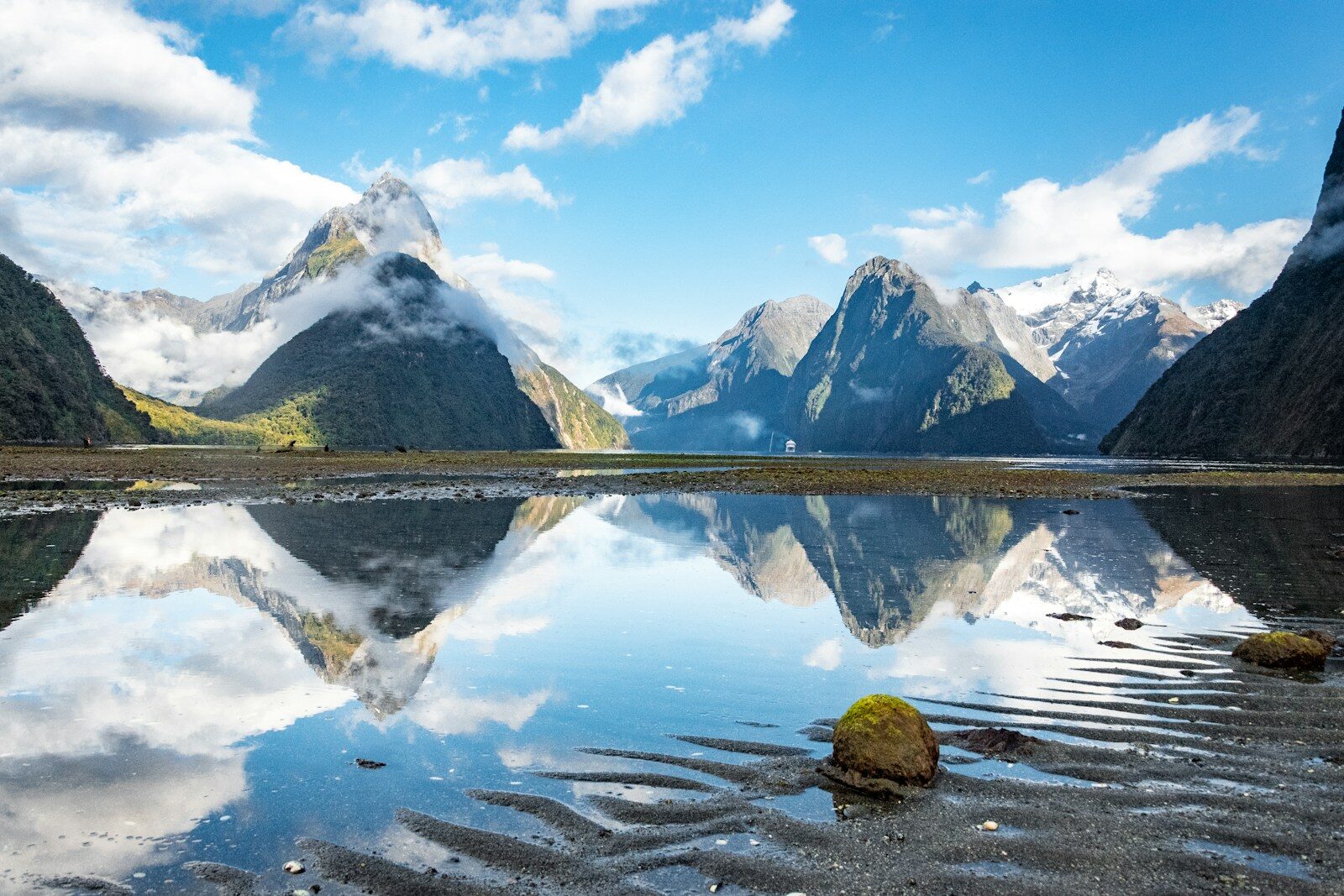
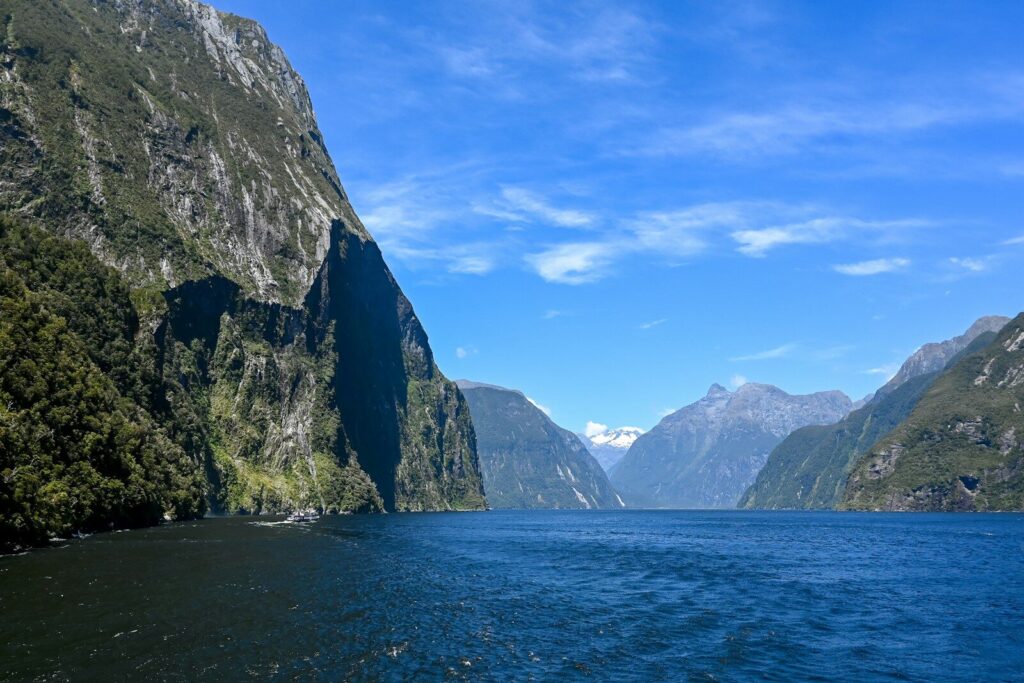
In New Zealand's far southwest, ancient rainforest tumbles straight into sea-carved fjords beneath waterfalls that seem to fall from the sky.
- Milford Sound
- UNESCO World Heritage
- Fiordland National Park
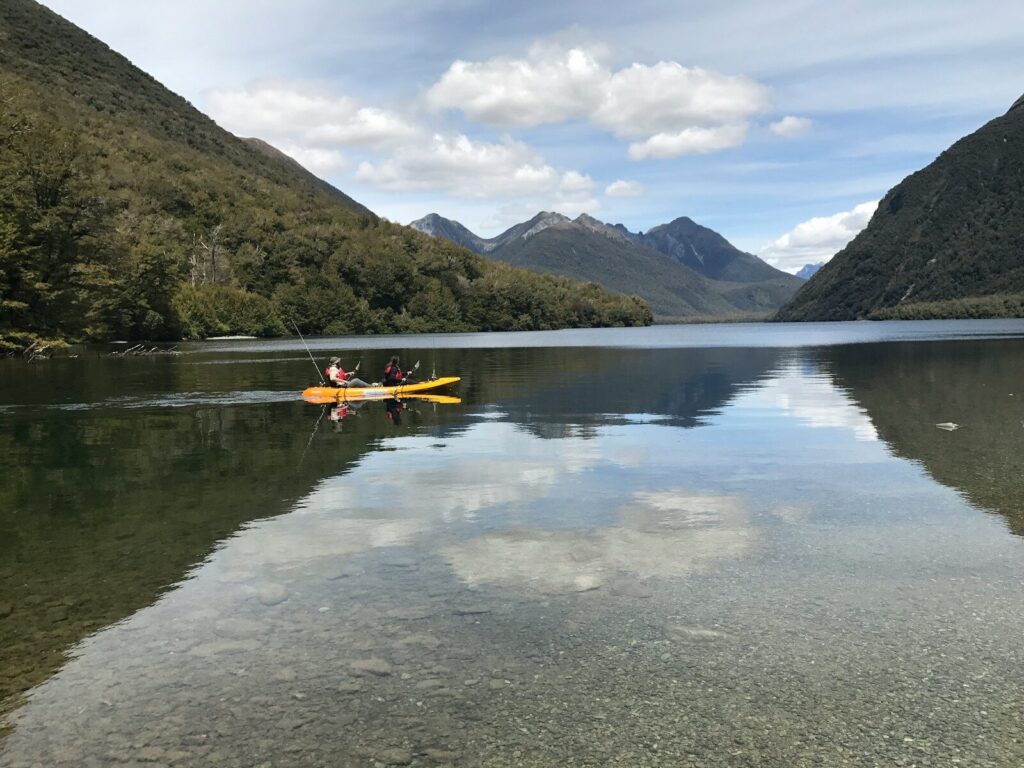
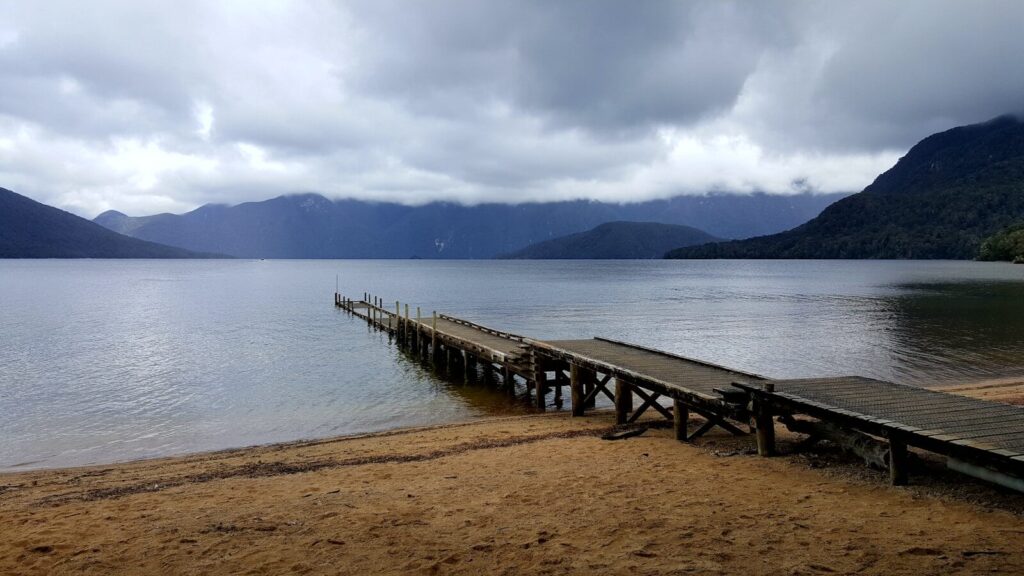
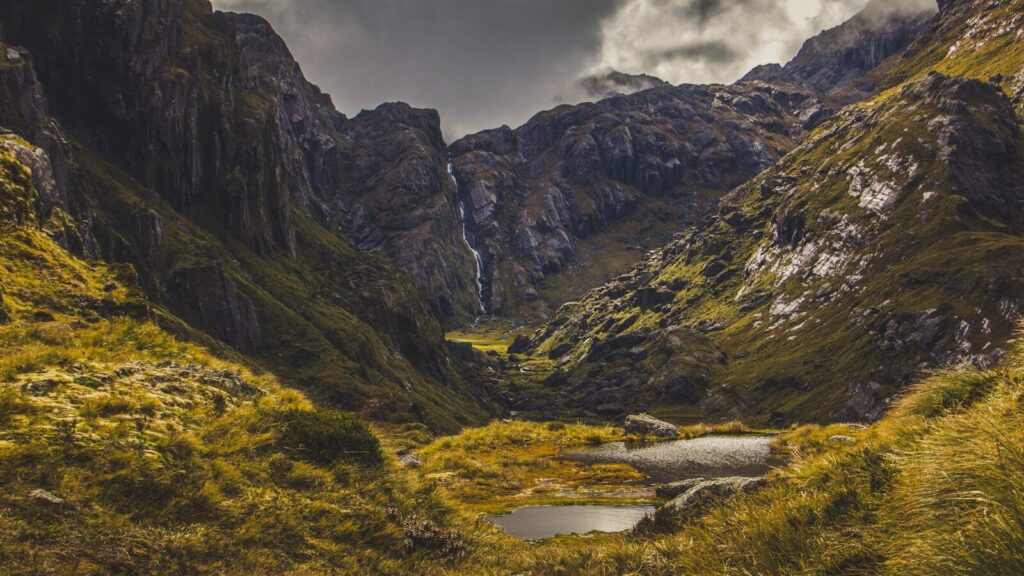
Fiordland, frame by frame
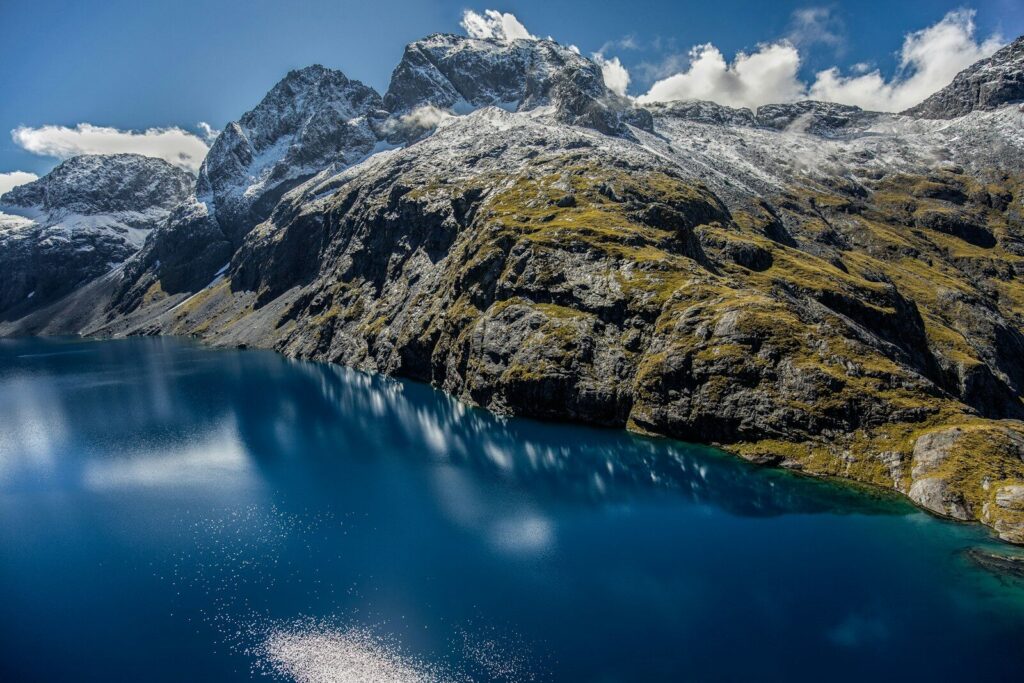
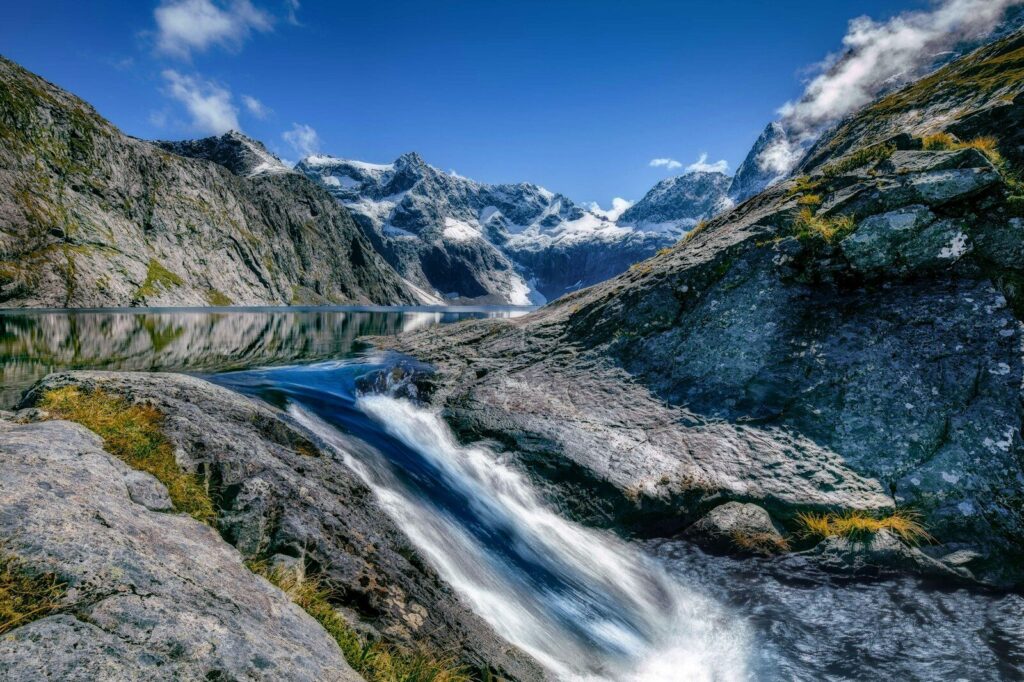
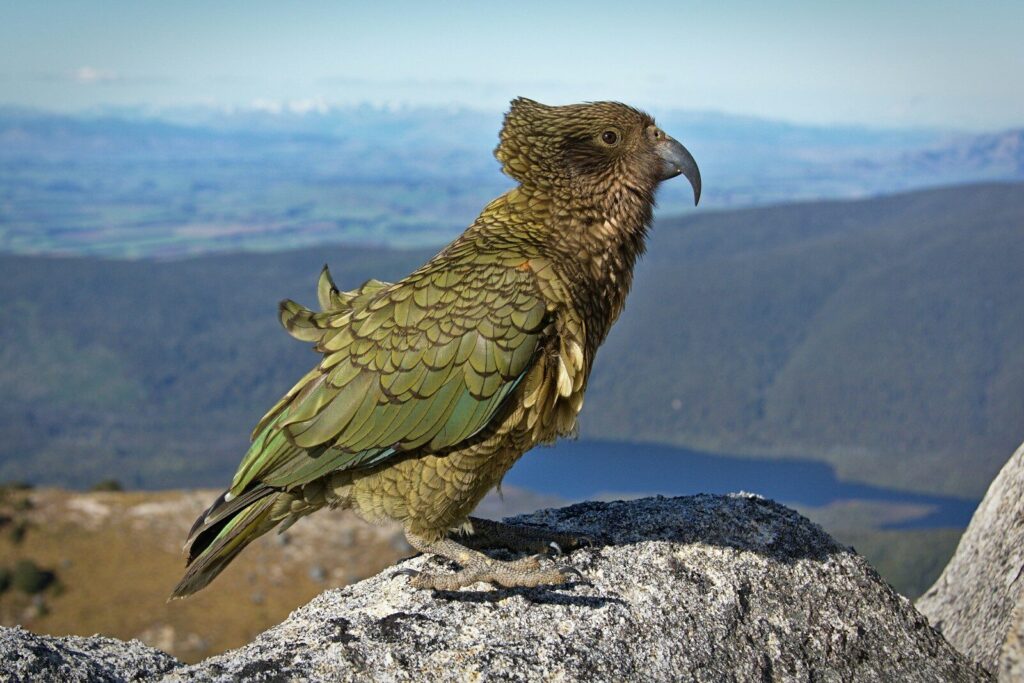
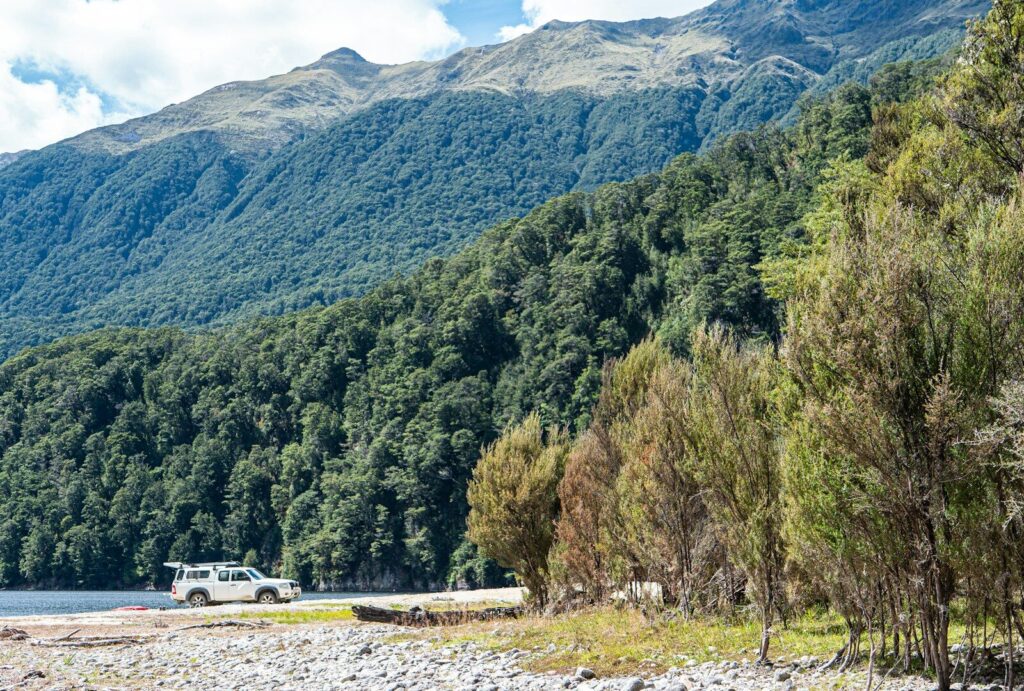
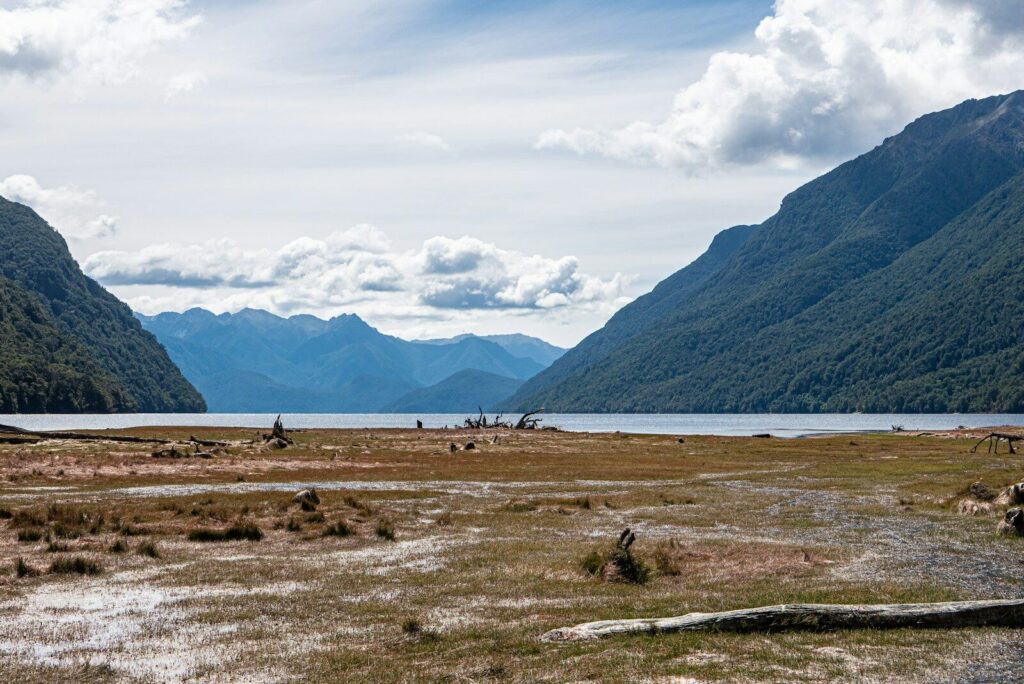
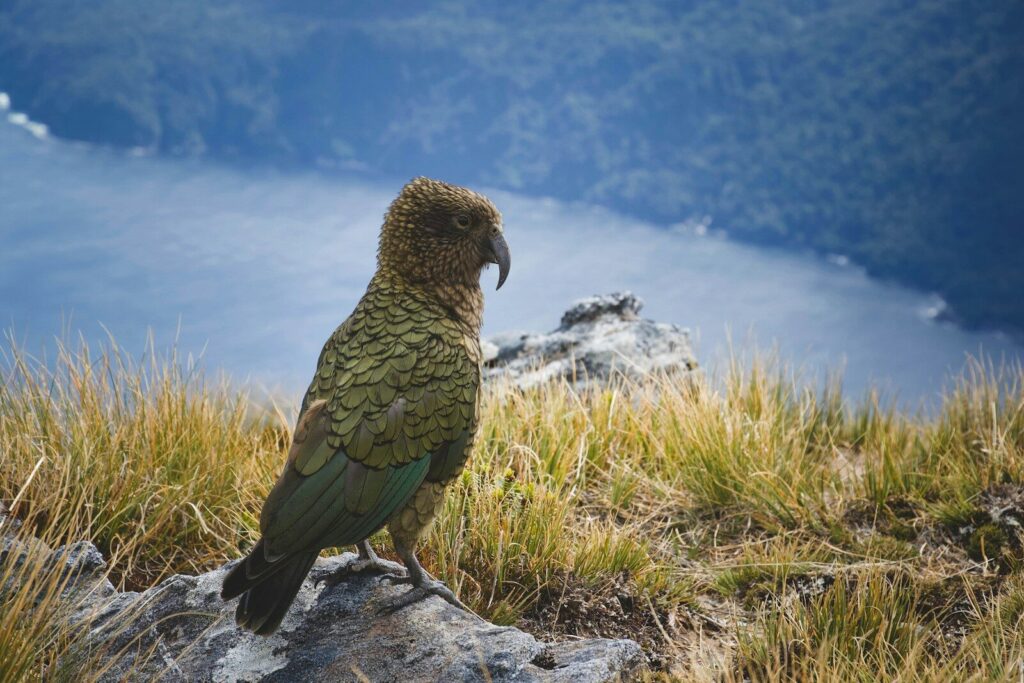
A glimpse of Fiordland's fjords, forests and wildlife.
Where Rainforest Meets the Sea
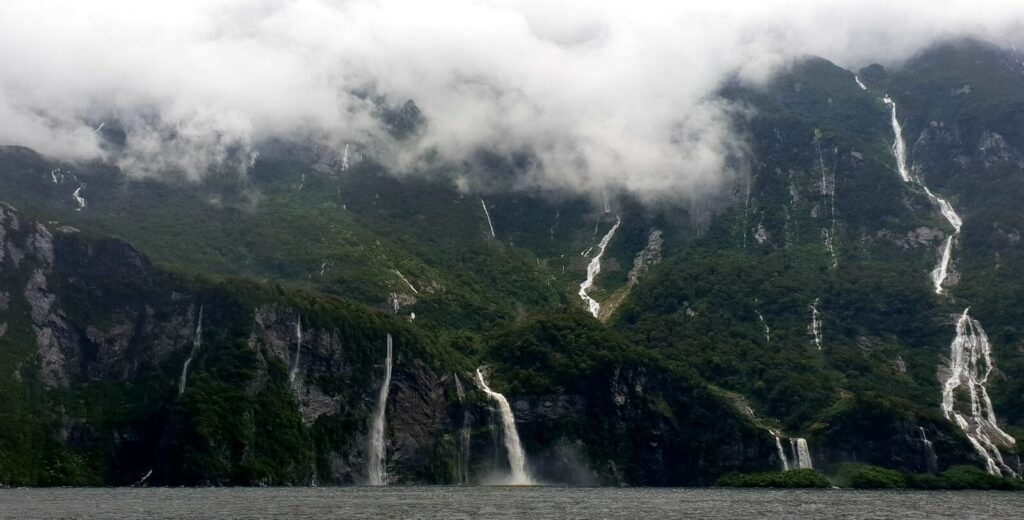
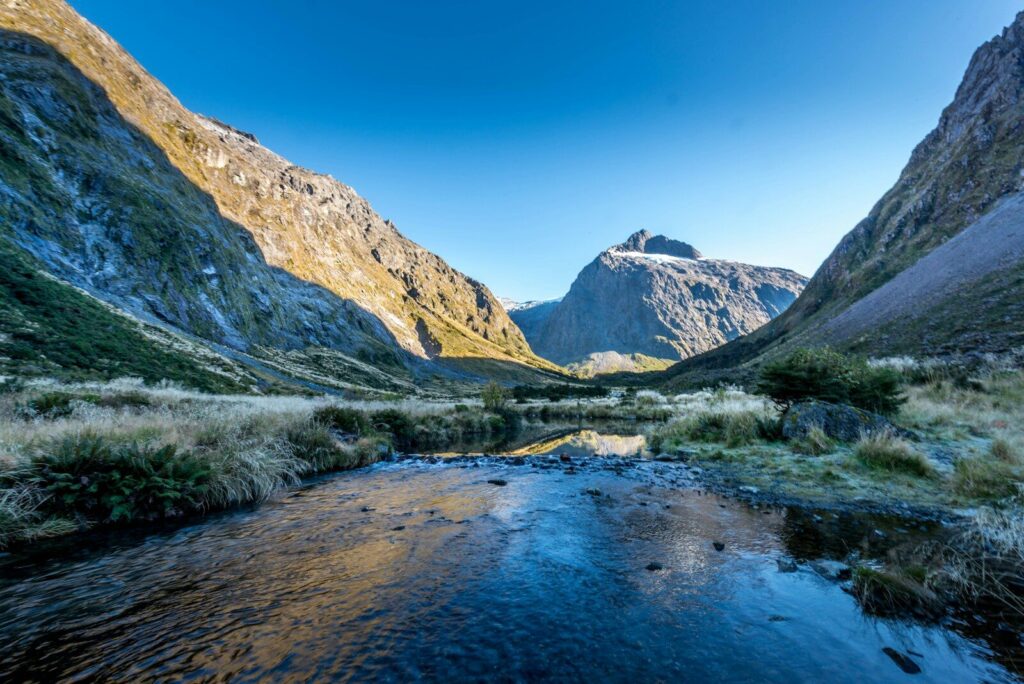
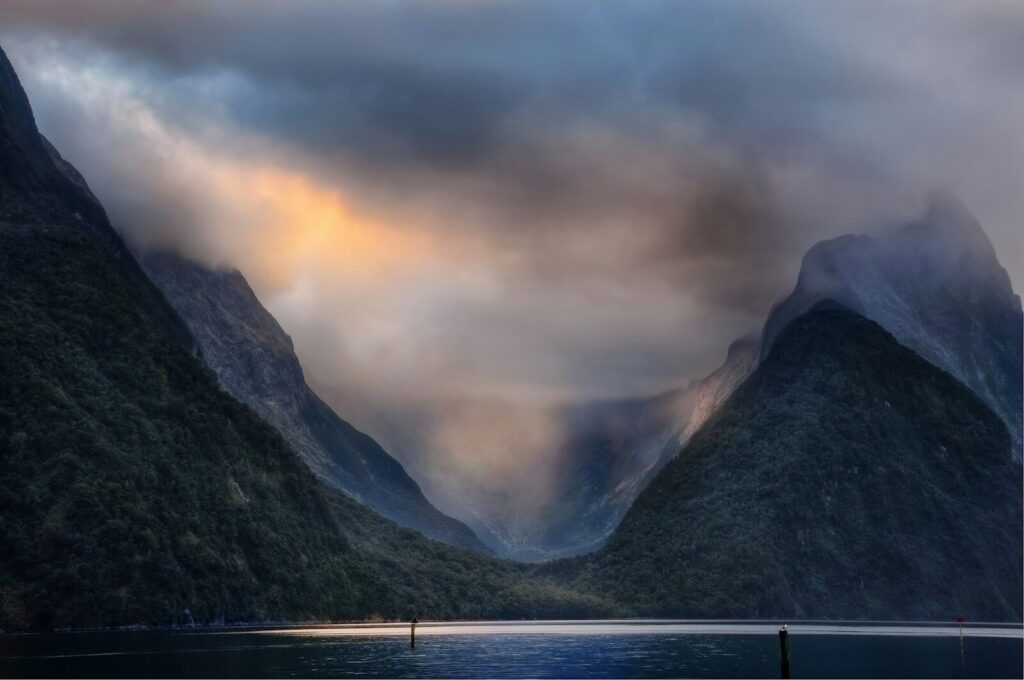
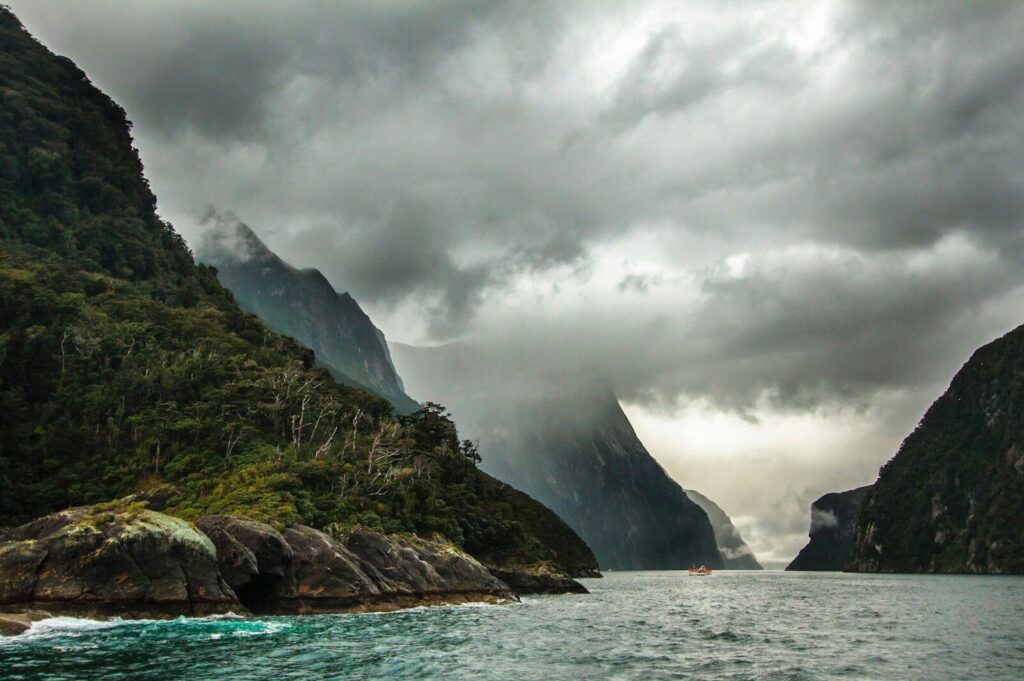
Fiordland occupies the southwestern tip of New Zealand's South Island, a vast wilderness of glacier-carved sounds, temperate rainforest and peaks that rise sheer from black water. It is one of the wettest and least populated regions on earth, protected almost entirely within Fiordland National Park and the wider Te Wahipounamu World Heritage Area. Beyond the famous cruise into Milford Sound lies a much larger landscape of hiking trails, remote lakes and fjords few visitors ever reach, rewarding those who venture further with a sense of scale and solitude that is increasingly rare.
- → Sheer fjord walls draped in rainforest and waterfalls
- → Some of the highest rainfall totals of any inhabited place on earth
- → Tiny visitor numbers relative to the size of the wilderness
- → Home to rare wildlife including takahē, tawaki and NZ fur seals
“A landscape where the mountains seem to grow straight out of the sea.”
Teekonda small-group feelWhen to go, season by season
Fiordland's weather is defined by rainfall drawn in off the Tasman Sea, so conditions can shift from brilliant sunshine to heavy downpour within hours, and both can make the fjords equally beautiful. Days are longest and warmest from December to February, while March and April often bring the clearest, most settled spells of the year.
Spring · September to November
Snow still lingers on the peaks and rivers run high with meltwater, but crowds are thin and the rainforest is at its greenest.
Summer · December to February Recommended
Warm days, long daylight hours and full access to hiking trails make this the busiest season on the water and on the Great Walks.
Autumn · March to May Recommended
Often the calmest and clearest stretch of the year, with fewer visitors and crisp air that sharpens views across the sounds.
Winter · June to August
Cold and quiet, with snow on the surrounding peaks; some tracks close but Milford Sound cruises still run on clear days.
Choosing your base
Accommodation within Fiordland itself is deliberately limited, so most visitors base themselves in the small gateway towns just outside the national park and travel in for the day or overnight on a cruise.
Te Anau
The main gateway town on the shores of Lake Te Anau, with the widest range of hotels, restaurants and outfitters for trips into the park.
Manapouri
A quieter lakeside village and the departure point for boat trips across Lake Manapouri to Doubtful Sound.
Milford Sound
A handful of lodges sit right on the fjord itself, letting overnight guests see the sound in early morning light before the day-trip boats arrive.
What to eat
Fiordland crayfish
Local rock lobster, often grilled or served simply with butter, caught in the cold waters off the fjords.
Blue cod
A mild, firm-fleshed Southland fish usually pan-fried or battered and served with chips.
Whitebait fritters
A seasonal delicacy of tiny native fish bound lightly in egg batter and fried until golden.
Venison medallions
Farmed New Zealand venison, tender and lean, often paired with a berry or juniper sauce.
Southland cheese rolls
A regional comfort food of grated cheese and onion soup mix rolled in white bread and toasted.
Lamb rack
New Zealand lamb roasted or grilled, a staple on menus throughout Fiordland's gateway towns.
Bluff oysters
Prized wild oysters from Bluff, in Southland, in season from March to August and served raw or lightly cooked.
Wild pork
Free-range or hunted pork, often slow-cooked, reflecting the region's hunting traditions.
Lake trout
Freshwater trout from the region's lakes, typically smoked or pan-fried with local herbs.
Manuka-smoked salmon
Salmon cured over manuka wood, giving it a distinctive sweet, smoky flavour.
Pavlova
A Kiwi favourite of crisp meringue topped with cream and seasonal fruit.
Hokey pokey ice cream
A beloved New Zealand flavour combining vanilla ice cream with pieces of honeycomb toffee.
Fiordland craft beer
Small-batch beers brewed locally in Te Anau, often on tap alongside hearty pub food.
Central Otago Pinot Noir
A regional wine served widely in the area, produced in the vineyards a few hours to the north.
Meat pies
A New Zealand road-trip staple, filled with mince, steak or venison and sold at every bakery en route.
Did you know?
A few details that capture Fiordland's extremes and its quiet strangeness.
Not quite sounds
One of the wettest places on earth
A penguin found almost nowhere else
A sound named out of caution
Dolphins and seals in the fjords
Almost no permanent residents
A bird thought extinct
Part of a vast World Heritage area
Deep-sea creatures near the surface
A walking track built for tourism
A Māori trade route for pounamu
Cook charts the coast but keeps his distance
Sealers and whalers move in
Milford Sound is named
The Milford Track is pioneered
Dubbed the finest walk in the world
The national park is established
A tunnel opens up the road
A campaign to save a lake
World Heritage status is granted
Before you go
Most visitors need a valid passport and, depending on nationality, an NZeTA visa waiver applied for online before arrival in New Zealand.
Fiordland has limited roads; most visitors drive to Te Anau then join a cruise, coach tour or scenic flight to reach Milford or Doubtful Sound.
Mobile coverage is patchy in Te Anau and largely absent within the national park, so download maps and information in advance.
New Zealand Dollars are used throughout, cards are widely accepted, and tipping is appreciated but not expected.
Entry requirements can change, so always check current visa and travel rules with official New Zealand government sources before you go.
If your schedule allows only one fjord, choose based on weather forecasts rather than reputation: Milford Sound is more dramatic in rain, when waterfalls multiply across its cliffs, while Doubtful Sound rewards calm, clear days with its greater sense of scale and remoteness.
Common questions
Can you drive to Milford Sound?
What is the best way to see Doubtful Sound?
Do you need a permit to hike the Milford Track?
Interested in Fiordland with Teekonda?
Let us help you plan a small-group journey into New Zealand's most dramatic wilderness.
Find a trip


