By trade and by passion, I read airspace notices every day. It is a pilot’s habit: before I think about a destination, I look at which skies are open. I say this to explain where I am looking from, and I will add straight away that I will not be talking about politics here. I am interested in a more modest and more practical question: since the end of February, when the conflict reached the Gulf region, what has changed for people who travel by choice rather than by necessity?
The short answer is that a lot has changed, but not in the way the news tells it. Travellers have not disappeared. They have moved elsewhere, changed their habits and become more demanding.
The sky has narrowed
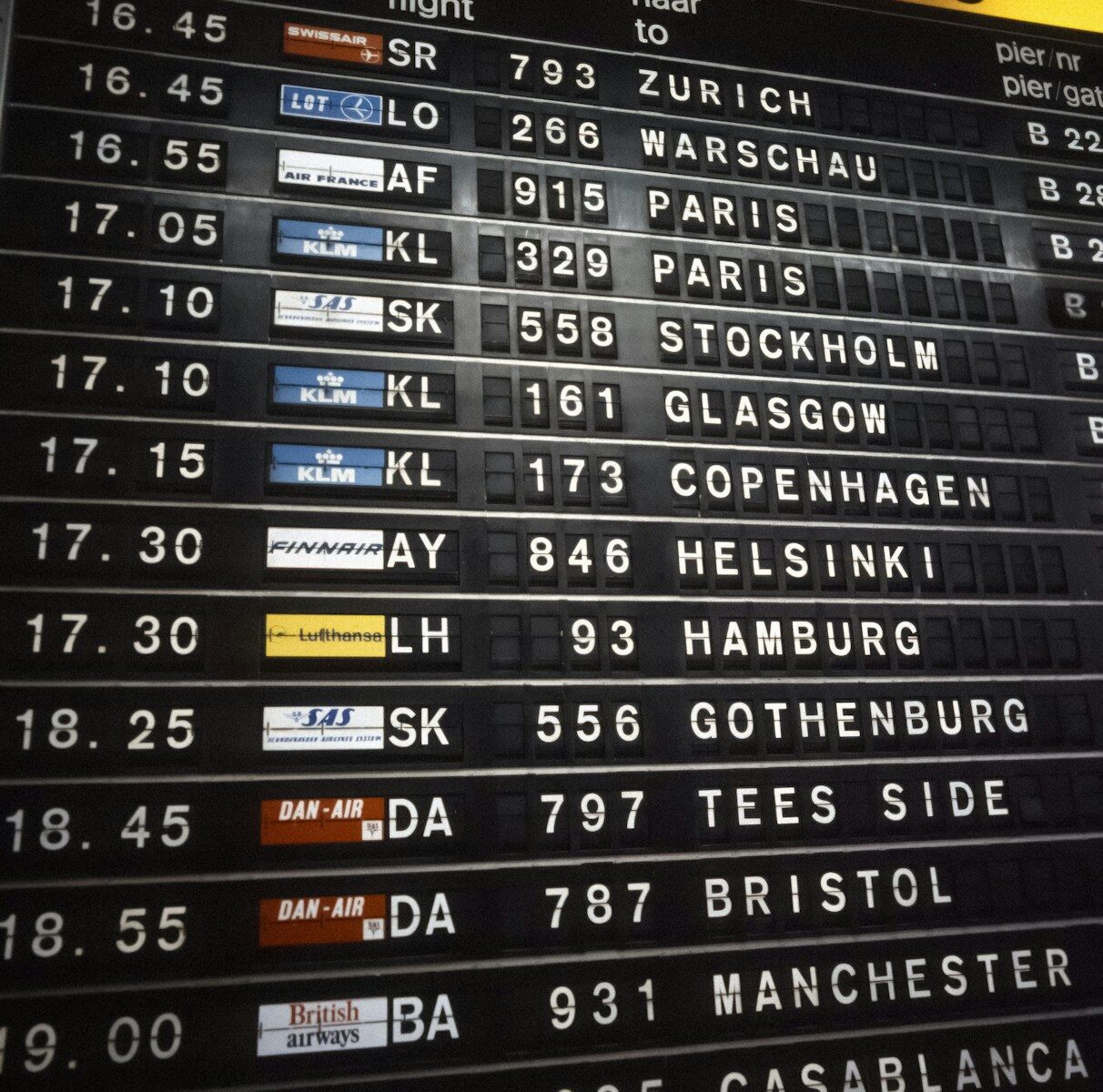
Let me start with the part I know best. A conflict on this scale is felt first of all in the air corridors. As of 6 October, according to updates for operators, Kuwait is closed to overflights until 2 November, and the European Union Aviation Safety Agency continues to advise avoiding Iran, Iraq and Jordan at all altitudes. The same advice applies to the waters of the Persian Gulf, and the notices have been extended to mid-November.
The Gulf hubs, the ones many people use to reach Asia and Oceania, remain operational, but with flow restrictions and GPS signal interference. There is no longer a direct route across the region: flights pass further south, and the alternative routes are getting crowded.
For passengers, all of this translates into very down-to-earth things: longer journey times, more delays, more expensive flights, plans that fall through. The world has not closed, but some roads have become longer.
The urge to travel has not gone away
And that is the first surprise. People who work in the industry say Italian travellers are not giving up on travelling: they are changing destination. A large group-travel operator says so clearly, and travel agency associations confirm that Italians want to go, but with more protection.
This is a trait I recognise. People who have already seen a great deal, and have the time and health to see more, do not stop moving because of a headline. They reorganise. They ask where it makes sense to go now and where it is better to wait.
Where people are going now
The figures are estimates from trade associations, not official statistics, and should be read as such. But they draw a consistent picture. Egypt, traditionally Italians’ favourite foreign destination, is said to have lost around 45% of its bookings. Asia and Oceania are also down, penalised more by air logistics than by distance. Agencies estimate a drop in turnover of between 25 and 30% compared with last year.
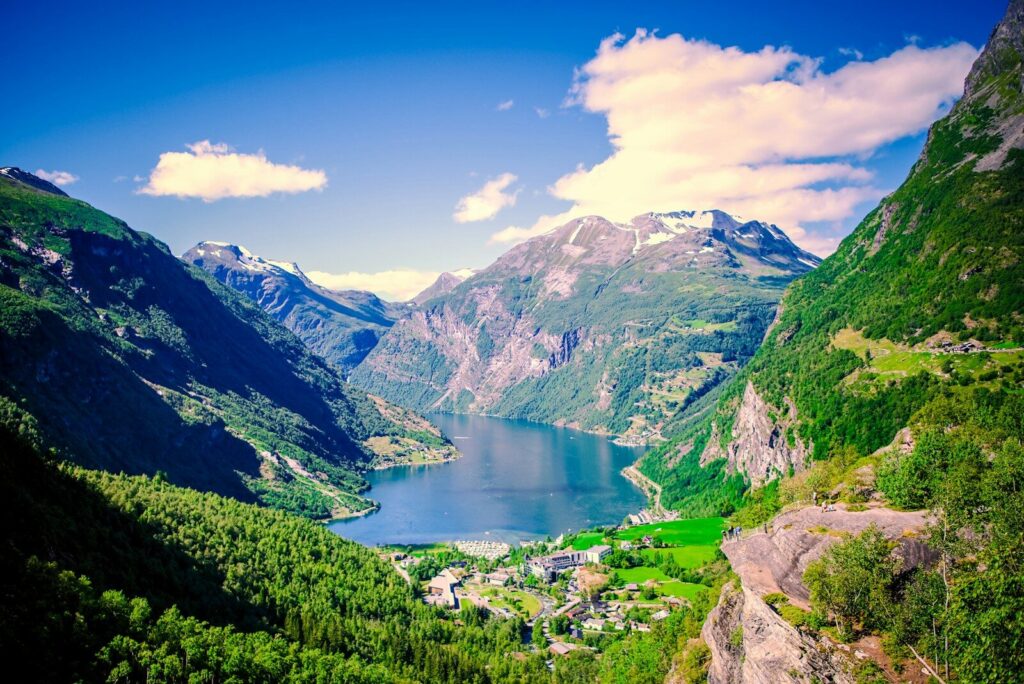
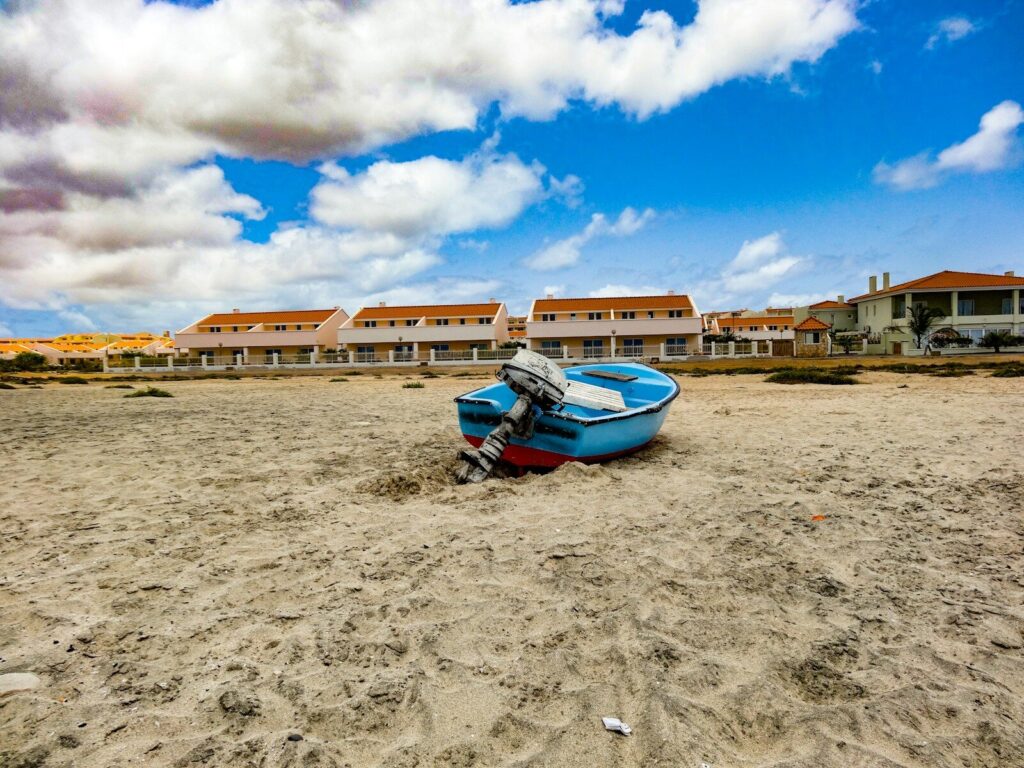
Growing instead are destinations perceived as close or stable: Italy, Spain (which is, however, nearing saturation), and Northern Europe, up 80% overall, with Iceland and Norway leading the way. Cape Verde stands out, up eightfold, helped by new direct flights from Milan. Japan and South America are also holding up, where people looking for an experience are not easily discouraged.
It is not a flight from the world. It is a rebalancing: fewer complicated connections, more destinations you can reach with a simple flight.
Booking last minute, asking for more guarantees
The second change is in timing. People are booking closer and closer to departure, with what operators call decision paralysis: the fear of being stranded weighs more than the price. After a sudden event, in the first weeks the priority is rebooking the trip, that is, choosing an alternative destination. After ten or fifteen days, requests for cancellation with a refund increase, and here it is worth knowing that refunds are only granted in the cases provided for by the Codice del Turismo, Italy’s Tourism Code.
The result is a more cautious traveller, but also one more aware of the value of whoever stands behind the trip. The advice of an agency or an operator, which for years seemed superfluous in the age of do-it-yourself, matters again. When the plan falls apart, someone has to fix it.
What to ask before booking
At a time like this, the right questions make the difference, even more than the price. There are four I would ask.
The first: what happens if, between booking and departure, the destination’s alert level changes? I want to know whether I can change destination, move the date or get a refund, and on what written terms. The second: who assists me during the trip, and at what hours? A number that answers at any hour is worth more than a hundred brochures. The third: what does the insurance really cover? Many policies exclude acts of war, so you need to read the exclusions, not just the title. The fourth: what alternative does the trip have? A good operator always has a plan B ready; they do not make it up at the last minute.
Travelling with awareness, not fear
Then there is a simple step that applies to any trip: check the official advice on your destination and register your presence abroad, using the services your foreign ministry provides (for Italians, the Farnesina). It takes five minutes and, if something goes wrong, it makes a big difference.
The real point, in my view, is another. Zero risk does not exist, at home or anywhere else. What exists is an informed choice: knowing what is happening, deciding accordingly, and not letting anxiety choose for you.
So, does it really change life for people who travel?
Yes, but less than people fear and differently from how they imagine. Routes change, booking times change, the most popular destinations change, and so do the things people demand from whoever organises their trip. What does not change is the reason people leave: curiosity, the need to switch off, the pleasure of seeing a new place.
And if this season leaves us with a lesson, it is that a well-made trip does not depend only on the destination. It depends on who prepares it, on the clarity of the terms and on the ability to change course without losing the pleasure of going.