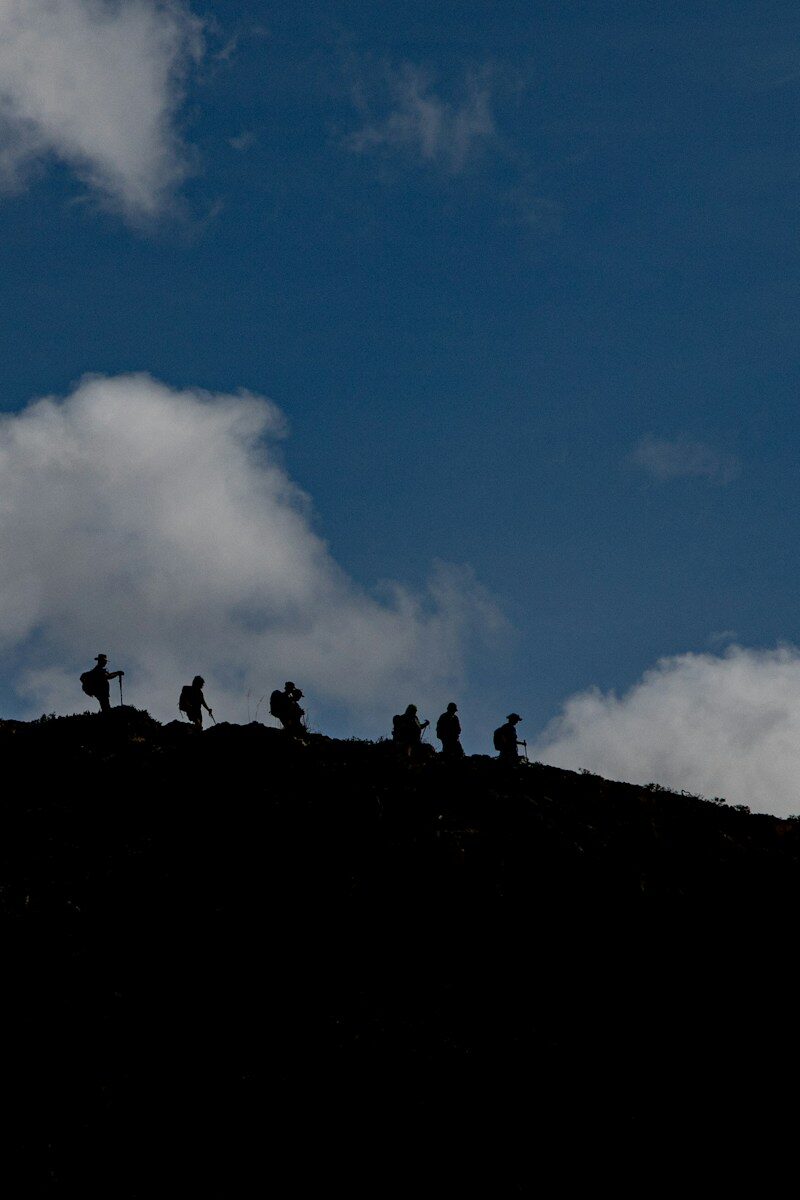
I’ve spent my life in jobs where the group is everything. In a crew, on patrol, in a classroom with a student sitting beside me. I say this up front because I know what I’m talking about when I say that a group can be the best or the worst thing that happens to you on a trip, and that it almost never depends on the destination.
Today, all it takes is a search engine to find yourself buried in group travel offers. Photos of sunsets, laughter on the deck of a boat, a tanned thirty-something raising a glass. The promise is always twofold: you’ll see the world, but above all you’ll meet people. The second point, looking closely, weighs more than the first.
The phenomenon started out well. It tapped into a real loneliness, that of people who want to leave and have no one to go with: friends have kids, mortgages, incompatible holidays. But the language stayed that of the generation it was meant for. Travel as a moving party, the aperitivo as the unit of measure of the experience, the group as an instant family. And if you’re past forty, or past fifty like me, you find yourself facing an uncomfortable question: but in there, who am I?
The uncomfortable middle ground
There’s a category of people who can’t find a home. You’re no longer a kid who sleeps wherever and laughs at everything, but you’re not ready for the cruise with live music and a snack at four o’clock either. You’re in good shape, you train, you have energy to spare, maybe you fly, run, go hiking in the mountains. The body holds up, and so does the curiosity. What has changed is your threshold of tolerance: for disorder, for gratuitous improvisation, for certain companions chosen by chance and certain nights spent in eight-bed dorms.
People who reach this age also have something else that thirty-year-olds rarely do: they know what they like. They know a good bed is worth more than one extra excursion, that two hours of walking with the right person give more than a whole day on a bus with the wrong one. They’ve stopped chasing “everything” and started choosing.
And yet the market keeps talking to them as if they were still the twenty-year-old they once were, or as if they were already retired. “In great shape” is the forgotten category.
Meeting people: promise or risk?
Here is the point that interests me most. When an agency tells you it will help you meet other people, it’s selling you something it can’t guarantee. It can select the destination, it can curate the itinerary, it can choose the hotels. But the people, no: they arrive with their own story, and the chemistry of a group is the one variable no operator truly controls.

As a coordinator, I’ve seen it happen. Groups that by the third day seemed like lifelong friends, and groups where a single off-key element was enough to throw everyone’s rhythm off. The difference, almost always, wasn’t made by someone’s charisma, but by size and tone. Fewer people, more attention. More listening, less mandatory entertainment. When the numbers grow, the group stops being a collection of individuals and becomes a mass in motion, and in a mass people get to know each other little and badly.
That’s why, in my view, the right question to ask when facing an offer isn’t “where am I going?” but “with how many people, and at what pace?” Fifteen people are a group. Forty are a school trip, however well organised.
What to ask, really
After years of reading itineraries and looking for the cracks inside the promises, I’ve learned a few questions worth asking before paying a deposit.
First: how many of us are there, at most? Not the average, the maximum. Second: who is accompanying me, and what do they actually do for a living? A Tour Leader is not an entertainer, but the person who has to solve a problem for you at eleven at night in a country whose language you don’t speak. Third: what’s included and what isn’t, written clearly. The “from” price that then balloons with extras, the group kitty to be paid in cash on the spot, the surcharges that pop up halfway through the trip are the first source of friction between strangers. If the money is transparent, everything else relaxes.
And then a question that is almost never asked, but that I would ask: who else is travelling with me? Not to screen anyone, but because a good operator can tell you what kind of people choose that trip. If the answer is “everyone”, be wary.
Travel as a choice, not an escape
What I notice, talking to people who set off at this age, is a change of posture. You no longer travel to run away from something or to prove something. You travel because you have the time, the health and the curiosity, three things that, put together, don’t last forever. It’s a slightly counterintuitive awareness: the physical shape you’re in today is capital, and capital is spent well when you know what it’s for.
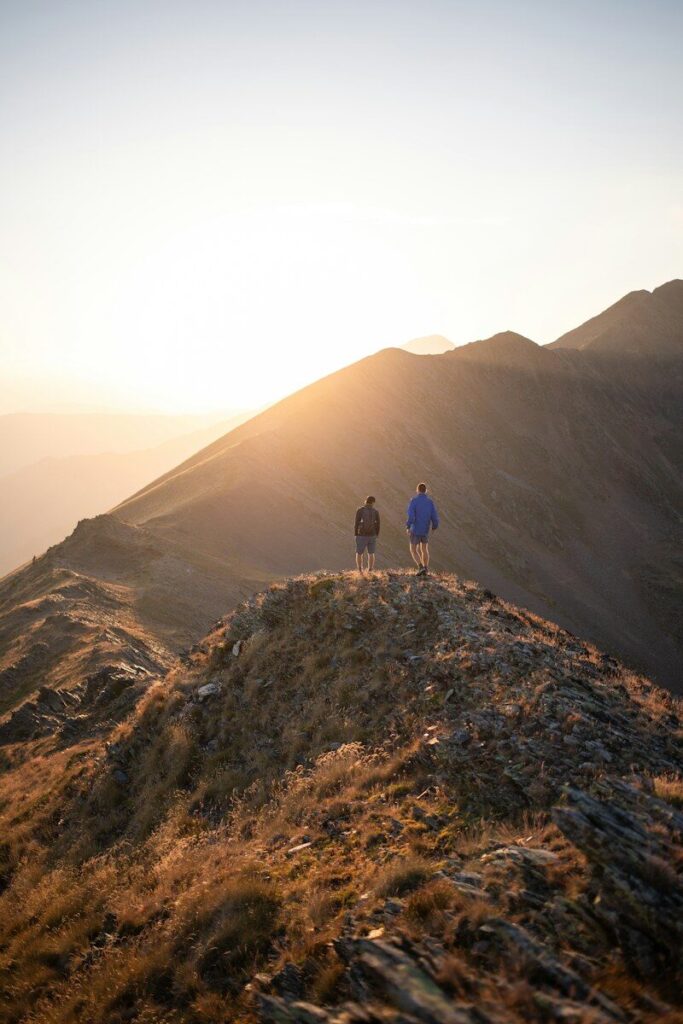
For me, luxury in this context has nothing to do with marble and waiters in white gloves. It’s having space, the right rhythm, people worth sharing a table with, and no unpleasant surprises on the bill. It’s knowing that when you land, someone has already thought about what you don’t feel like thinking about, and that the rest is left to your freedom.
So, alone or in a group?
There is no answer valid for everyone, and I distrust anyone who gives one. Travelling alone gives you total freedom and a bit of silence that does you good. Travelling in a group takes worries off your plate and gives you encounters you wouldn’t have on your own. The point isn’t to pick the right side, but to stop believing the narrative that says you’re obliged to get excited about one or the other.
If you’ve been past forty for a while and still want to discover, you have an advantage no agency can sell: you already know who you are. Use it. Read itineraries with the wariness of someone who has already seen a lot, ask the uncomfortable questions, choose small groups and transparent prices. And if at the end of the trip, among the faces you’ve met, there’s even just one you want to see again, you’ve already won more than any brochure promised.