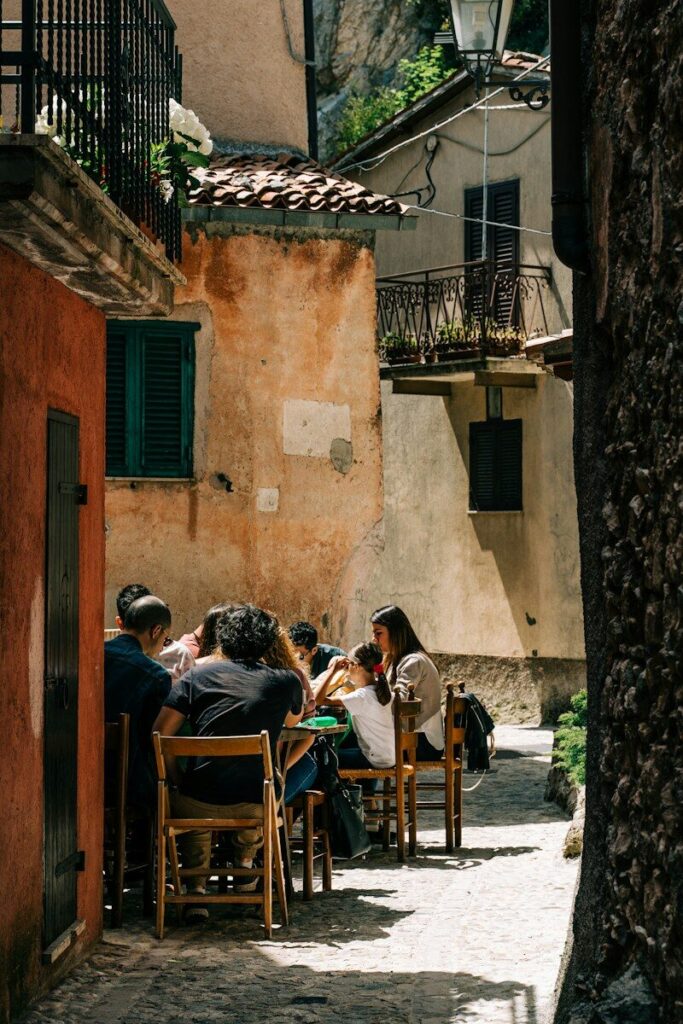
When I land somewhere new, one of the first things I do is not visit a monument. It is to sit down at a table where local people are eating. I do not do it out of greed, or not only. I do it because a plate of food contains everything: the climate, the land, the history, the way people spend time together. Anyone who travels with me knows it. Before I decide what we do in the afternoon, I want to know what there is for lunch.
Plenty of people treat the food on a trip as a pause between one visit and the next, a way to recharge. I treat it as one of the visits, and often the most instructive one.
Taste as a Language
A cuisine is a language. It has a vocabulary made of ingredients, a grammar made of techniques and a syntax made of timings, rhythms and habits. Look at what people eat for breakfast and you understand how they live. Someone who starts the day with a coffee standing at the bar is telling you about a country that runs. Someone who sits down at a long, full table is telling you about a country that puts a value on time.
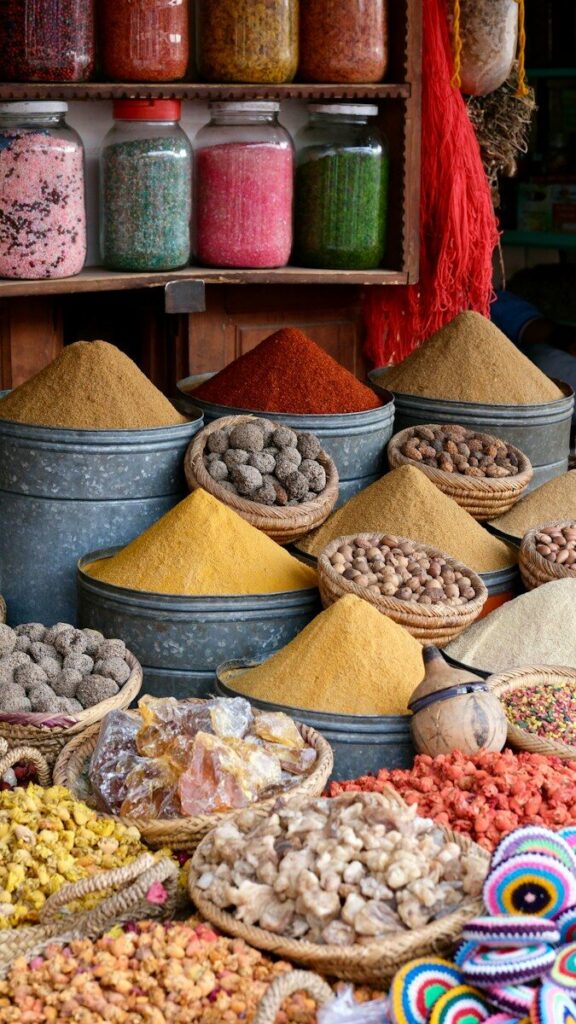
Then there is geography, which reads very clearly on a plate. People eat fish where there is sea, meat where there is pasture, spices where the caravans passed, preserves where the winter is long. Every ingredient says something about what a place has, and about how people learned to use it. Understanding why something is done a certain way in a certain place is already understanding that place.
That is why I find it limiting to travel with your eyes alone. A church, a temple, a view: you can photograph them. A cuisine cannot be photographed. It has to be tasted, and to taste it you have to be inside it.
Eat Where They Eat
That said, eating is not enough on its own. You have to do it well, and after years of looking for good tables around the world I have learned a few simple rules.
First: look at who is sitting there. A place full of local people, especially at lunchtime, is worth more than a thousand reviews. Second: be wary of menus with photographs, and of waiters who stop you in the street. Third: ask what they eat, not what tourists like. A simple question, asked with respect, almost always opens the right door. Fourth: if you do not know what to order, trust them. Let the host choose. It is often the best decision of the whole trip.
Then there is a last rule, worth more than the others: taste what you do not recognise. You do not have to finish the plate, but you have to try it. Taste is something you educate, and the courage of one more forkful is the cheapest form of adventure there is.
The Market as a Library
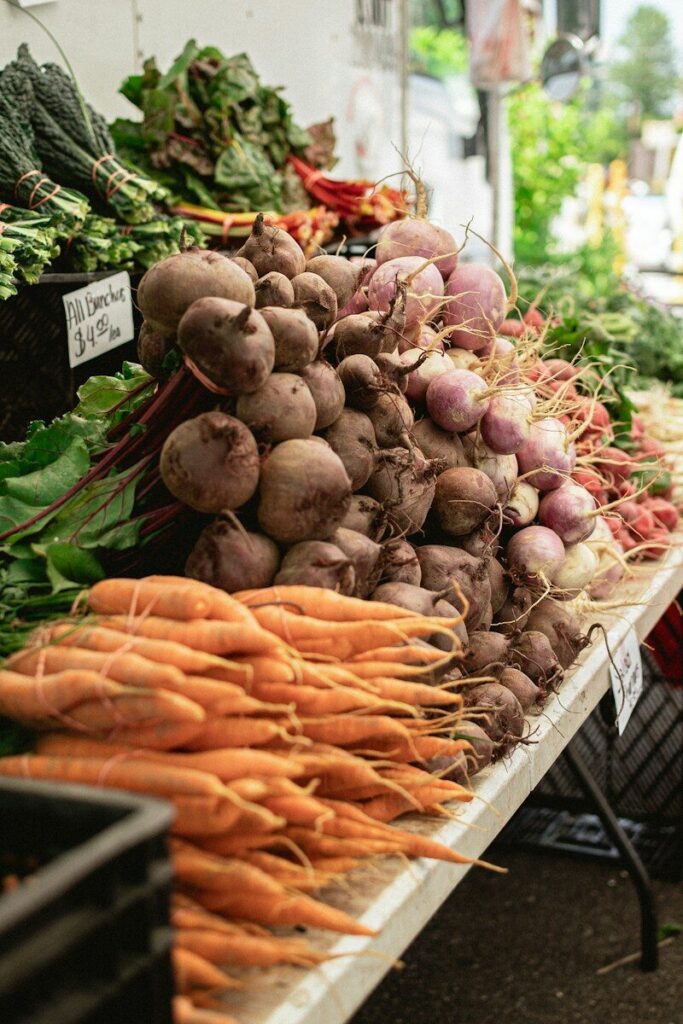
If I have half a day free in a city, I go to the market. It is the most honest place there is. Nothing is staged: there are the seasons, the prices, the faces, the habits. You see what ordinary people buy, how they choose it, how they haggle over it. You hear the rhythm of the city, its smells, its language as it is actually spoken.
A market gives you in an hour what a guidebook gives you in a day. And it allows something museums do not: taking part. You can buy a fruit you have never seen, ask how it is eaten, have the person selling it explain why it is good right now. These are small exchanges, but they are the ones that stay with you.
Taste and Memory
Here is the part that matters most to me. Eating well while travelling is not only about understanding where you are. It is about remembering where you have been.
Anyone who has tasted a flavour from childhood knows what happens. In an instant a room opens up again, a voice, a light. Writers have been describing it forever, and literature turned the phenomenon into one famous image, the madeleine dipped in tea. You do not need to be an expert to know it is true. Taste and smell have a particular relationship with memory, much more direct than the one sight or hearing have.
For anyone who travels, that has a practical consequence. Photographs remember the place, but flavour remembers the feeling. A dinner under a pergola, a coffee at dawn after a night of travelling, a dish shared with people you met that morning: these are moments that taste fixes with a precision no image can match. Years later a smell, a spice, a flavour is enough, and the whole trip comes back.
So if I want a trip to last, I do not fill it with things to see. I fill it with moments to taste. I ask myself: what will we eat here, with whom, at what time, in what sort of place? Because those are the scenes we will still be telling each other about in ten years.
The Table as a Meeting Place
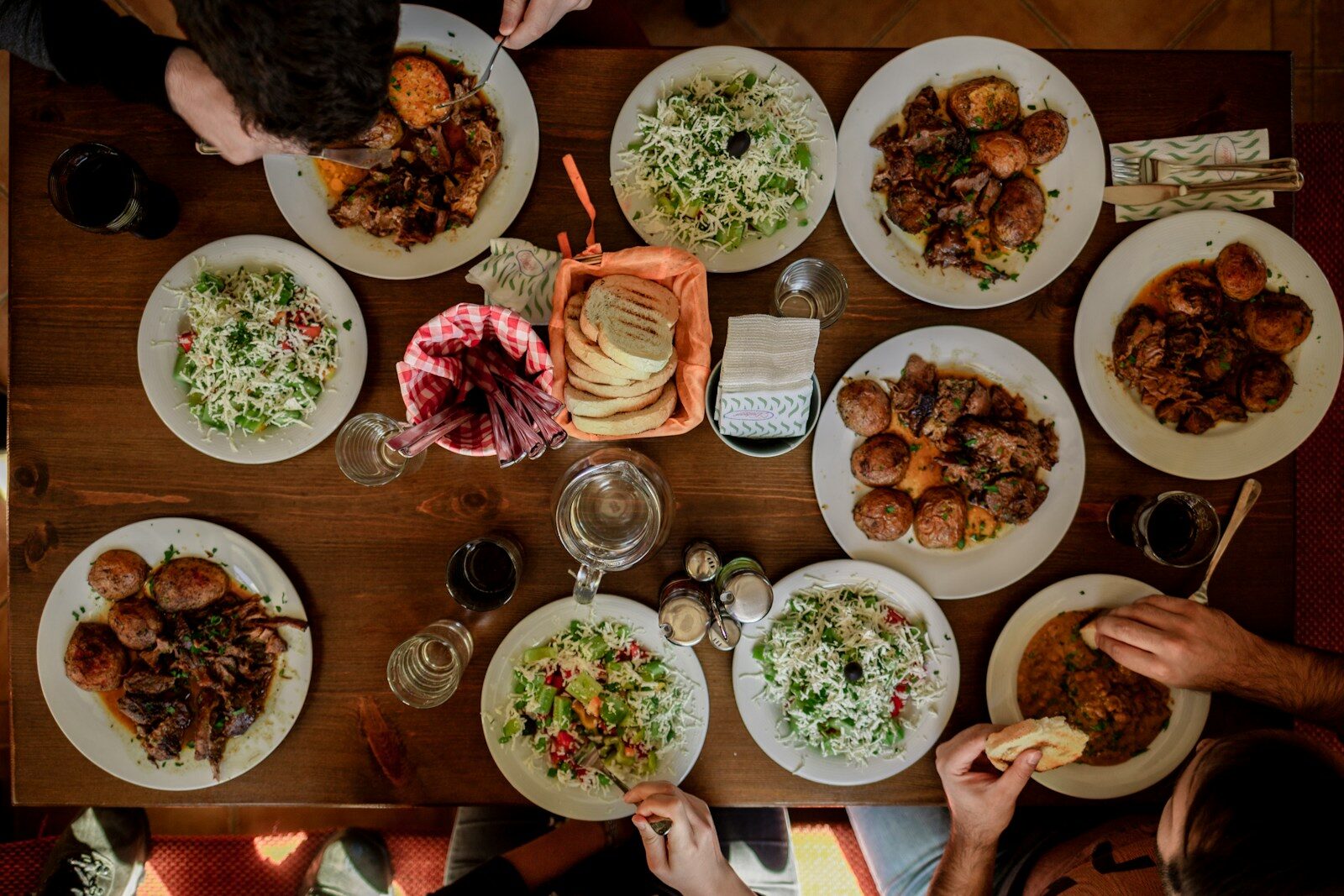
There is one last aspect, the one that connects taste to people. On a group trip, and I say this from experience, the table is where a set of strangers becomes a group. It does not happen on the guided visit, and it does not happen on the transfers. It happens around a table, when the dishes get passed, when you taste from somebody else’s plate, when you laugh at a risky choice.
That is why, when I look at a programme, I pay close attention to the meals. The number of stars on the restaurant does not interest me. What interests me is that the meals have been thought about: that there is room to sit without rushing, that the food is real food, that some of the dinners are in places where you can feel the country, and not in a hotel dining room identical anywhere in the world.
So, How Much Does It Matter?
It matters a great deal, and not out of food snobbery. It matters because food is the most direct way into a place, and because taste is the signature a trip leaves on your memory.
So next time you are planning a trip, try asking yourself a different question. Do not only ask what you will see. Ask what you will taste, and with whom. That is probably where the best memory of the trip is hiding.